
Analysis: Slow jogging may look too easy to count as exercise but the good news is exercise does not have to be intense to improve health
By Stephen Garland, Malmö University
Avid runners are often chasing speed. Whether that’s improving their 5K or shaving seconds off their marathon time to nail a personal best. The idea that exercise should involve pushing further, harder or faster has long been embedded in fitness culture. But against this backdrop, some people have adopted the almost counter-cultural belief that the key to fitness is to take things slow.
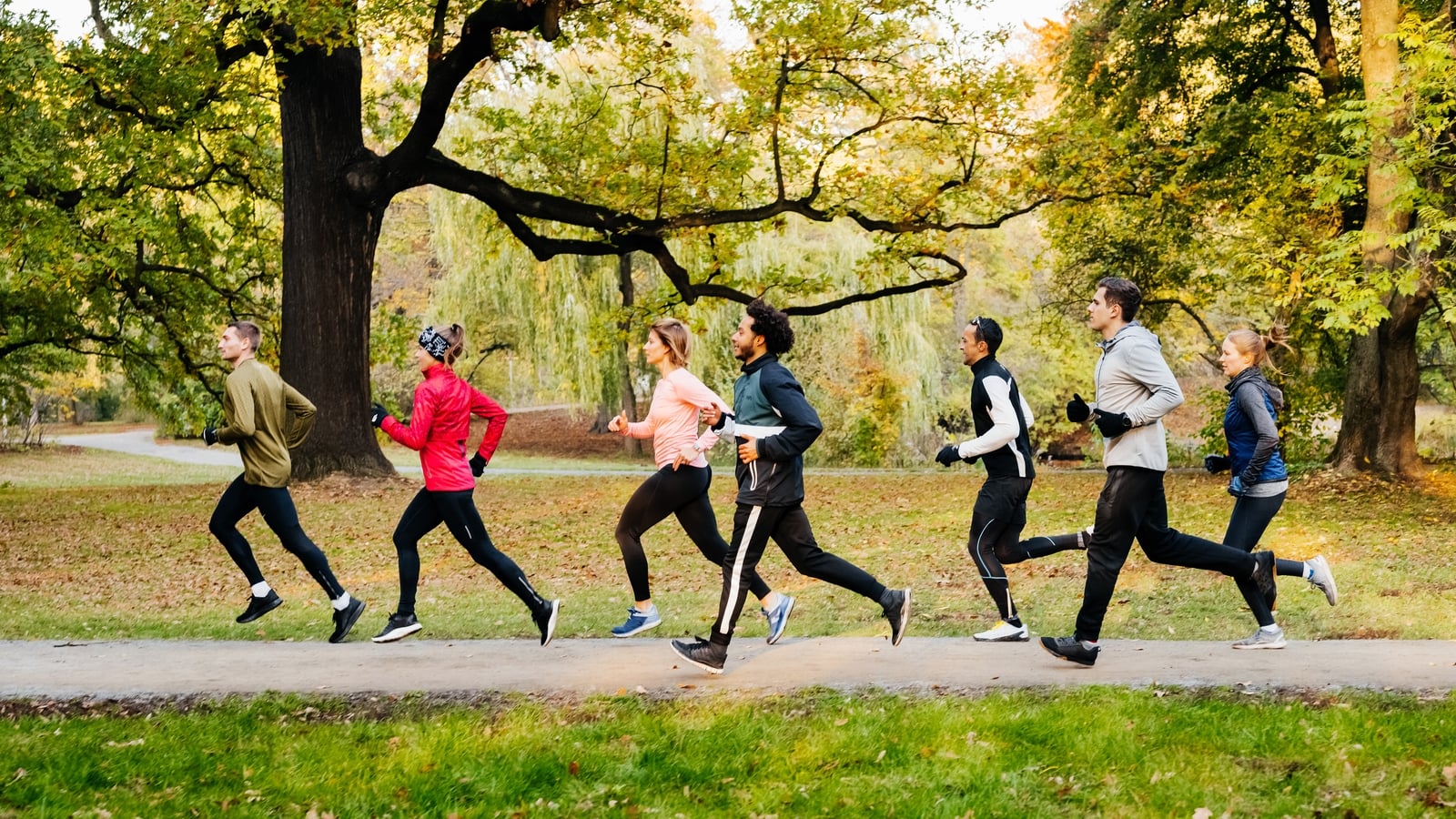
The growing popularity of the “slow jogging” trend online counters a lot of what we’ve been taught about fitness. Rather than striving for speed, the slow jogging trend encourages people to take short steps and move at a pace slow enough to comfortably hold a conversation.
To some people, this might look too easy to count as exercise. But exercise does not have to be intense to improve health. The slow jogging trend was originally developed by a Japanese researcher named Hiroaki Tanaka. According to the researcher, jogging at “niko-niko pace” (which translates to “smiling pace”) could be a more enjoyable way to improve cardiovascular fitness. The trend eventually caught on in South Korea before going viral online, where it is now being adopted by people all around the world.
From Slow Jogging, Japanese exercise physiologist Dr. Hiroaki Tanaka introduces the concept of slow jogging
While there’s little research specifically on slow jogging, there is extensive evidence showing that low-intensity and moderate-intensity aerobic activities can improve health, fitness and wellbeing.
The fact that an activity looks easy doesn’t necessarily mean it’s ineffective. This is because exercise intensity is relative. A pace that feels effortless for an experienced runner may feel moderately challenging for someone who has been largely inactive. For that person, slow jogging can still provide a meaningful stimulus to the cardiovascular system and help improve aerobic fitness over time.
It’s for this reason that slow jogging may particularly be beneficial for people who don’t exercise very often or who have perhaps never tried jogging before. The World Health Organization recommends that adults get between 150 and 300 minutes of moderate-intensity physical activity each week. More recent guidelines also emphasise a simpler message: some activity is better than none, more is generally better than less, and sedentary time should be reduced.
From RTÉ News, a slow run club for women gathers pace in Dublin
This message reflects growing evidence that inactivity itself is a health risk. Long periods of sitting have been associated with increased risks of cardiovascular disease, type 2 diabetes and premature death. Researchers now recognise that health is influenced not only by how much exercise we do, but also by how much we move throughout the day.
This is where slow jogging may be particularly useful. One of the most consistent findings in exercise science is that some of the largest health gains occur when people move from doing almost nothing to doing something. For someone who is largely sedentary, gradually introducing regular bouts of activity can improve cardiorespiratory fitness, help regulate blood sugar, lower blood pressure and reduce future risk of heart disease and stroke.
Slow jogging offers a relatively accessible way to achieve this. Compared with joining a gym, participating in organised sport or signing up for a running event, the barrier to entry is low. The pace is manageable and can easily be adapted to people of different ages, fitness levels and abilities. But the benefits of slow jogging may extend beyond simply helping inactive people exercise more.
We need your consent to load this rte-player contentWe use rte-player to manage extra content that can set cookies on your device and collect data about your activity. Please review their details and accept them to load the content.Manage Preferences
From RTÉ 2FM’s Mornings with Doireann Garrihy, Aisling Frawley on the importance of mobility
Many of the videos shared online show people slow jogging in groups. This social aspect may be important. One of the strongest predictors of long-term participation in physical activity is whether people enjoy the activity enough to keep doing it. Exercise performed with friends, family members or community groups can promote social connection, enjoyment and a sense of belonging, all of which can support long-term adherence.
The mental health benefits may be important too. Regular physical activity is associated with reduced symptoms of anxiety and depression, improved mood and greater overall wellbeing. Activities that combine movement with social interaction may offer benefits that extend beyond physical fitness alone.
Fitness boost
Slow jogging may even have a role for people who already exercise regularly. Although it’s unlikely to replace more challenging workouts for those pursuing specific fitness goals, endurance athletes who want to improve their aerobic fitness and even their race times may benefit from slowing down.
Its value may not lie in being a revolutionary new form of exercise. Rather, it reflects a growing recognition that health does not need to be extreme to be beneficial.
This is because slow jogging may overlap with what runners often call “zone 2 pace” – a running pace which raises your heart rate but is still slow enough to hold a conversation.
This lower intensity running can help runners more effectively build their aerobic base (their foundational fitness level and how effectively the body can use oxygen during long runs), and can also help the body learn to burn more fat for energy during exercise. For active people, slow jogging could therefore serve as an easier option on days when high-intensity training is neither necessary nor desirable.
Seen in this light, the appeal of slow jogging becomes easier to understand. Its value may not lie in being a revolutionary new form of exercise. Rather, it reflects a growing recognition that health does not need to be extreme to be beneficial. Sometimes the biggest challenge is simply finding a form of movement that people enjoy enough to do consistently.
Follow RTÉ Brainstorm on WhatsApp and Instagram for more stories and updates
Stephen Garland is a senior lecturer in Sports Physiology at Malmö University. This article was originally published by The Conversation.
The views expressed here are those of the author and do not represent or reflect the views of RTÉ