

Around eight million adults are prescribed some form of statin
12:01, 23 Oct 2026Updated 12:19, 23 Oct 2026

A leading pharmacist says you need to ask one thing if you’re taking atorvastatin(Image: samael334 via Getty Images)
People taking atorvastatin have been urged to ask their healthcare professional one key question. Raj Patel, known as the Straight-Talking Pharmacist on TikTok, where he has more than 100,000 followers, says patients should understand how their cholesterol levels have changed since starting treatment.
According to the NHS, atorvastatin is a statin prescribed to lower cholesterol and help reduce the risk of heart attacks and strokes. While taking the tablet as prescribed is important, follow-up tests can help show whether treatment is having the intended effect and whether any review is needed.
In a video, Mr Patel said: “Here’s my pharmacist tip, don’t just ask is my cholesterol okay?” He followed this with the questions he believes patients should raise: “Ask what was it before and what is it now?”
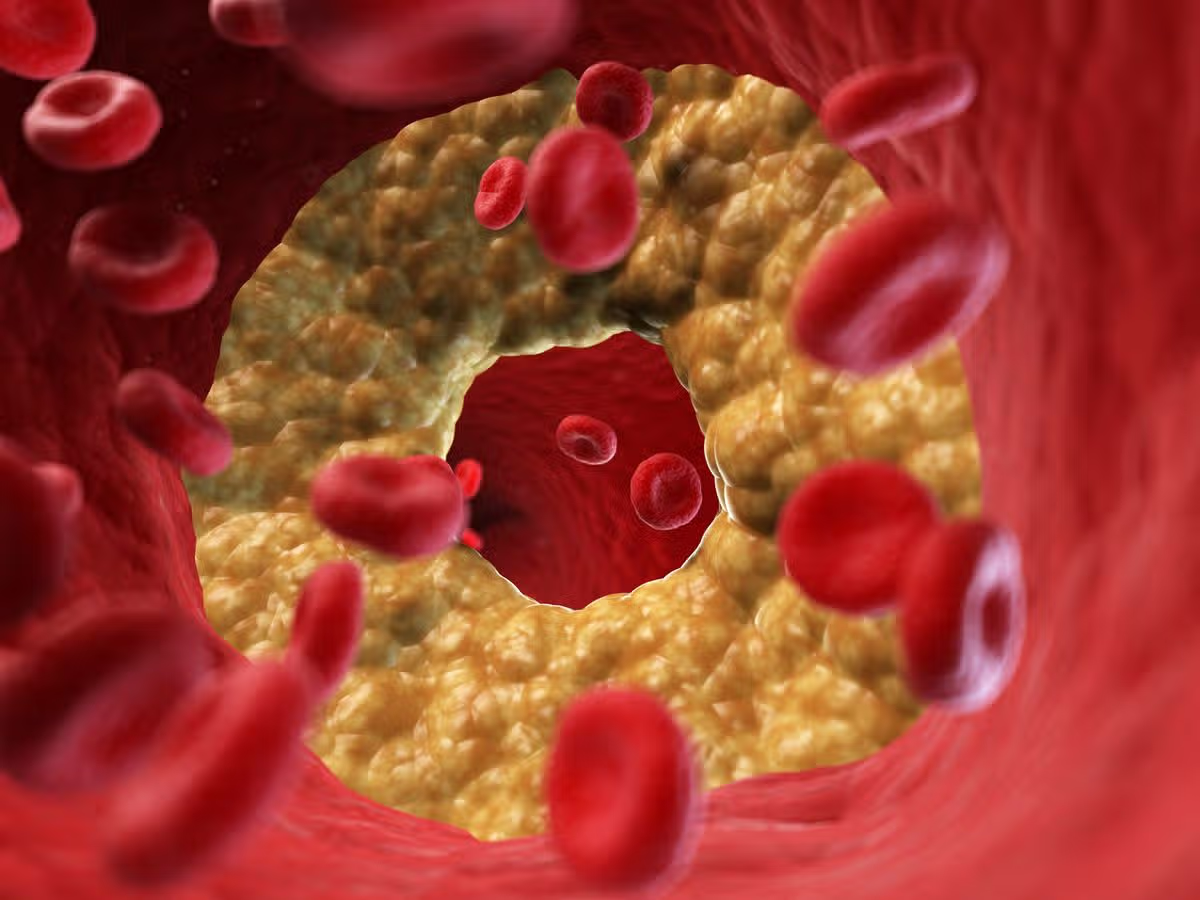
Atorvastatin is a type of statin that can help lower cholesterol levels(Image: Getty)
UK guidance recommends checking a person’s lipid levels and liver transaminases around two to three months after starting a statin or changing the dose. These tests help clinicians assess the response to treatment and check for possible effects on the liver.
Mr Patel explained why the checks matter, saying: “Your cholesterol results help show how well the treatment is working and your liver test helps check for any effect on your liver.” The precise schedule for further monitoring can depend on the person’s circumstances and the results of their initial follow-up tests.
Cholesterol results are usually considered alongside a person’s overall cardiovascular risk, rather than in isolation. For people taking atorvastatin to prevent a first heart attack or stroke, for example, a clinician may consider their starting cholesterol level, other risk factors and the reduction achieved with treatment.
Content cannot be displayed without consent
As per the NHS, Patients should not assume that feeling well means they no longer need their statin, as high cholesterol generally causes no symptoms. Nor should they stop taking atorvastatin or alter their dose without medical advice, even if a test result looks reassuring.
Anyone unsure when their cholesterol was last checked can contact their GP practice or prescribing clinician to ask whether monitoring is due. Knowing the starting figure and the latest result can help patients understand the purpose of their treatment and discuss any concerns with their healthcare team.