
A heart specialist has suggested that adding certain everyday kitchen staples to your weekly shop could help protect your arteries without breaking the bank. By making a few basic meal swaps each day, you can support healthy blood fat levels for the long term, particularly if you are watching your cardiovascular health.
Anyone concerned about high cholesterol can use these low-cost supermarket choices to manage their condition. Replacing a portion of processed foods or meat with plant-based alternatives gives your body more digestion-friendly fibre to help keep blood vessels clear.
Dr Francesco Lo Monaco has pointed out that standard grocery items offer genuine benefits while keeping shopping bills steady. Your focus should be on practical kitchen changes that provide steady, lasting support rather than on costly, quick fixes.
EAT WELLWhat the doctor advises
A preventive cardiologist and founder of The National Heart Clinic in London, Dr Lo Monaco, noted that simple pantry items often do the most effective work. He explained that people do not need to rely on high-priced health powders to see a positive change in their everyday well-being.
“People often think looking after their heart means buying expensive supplements or completely overhauling their diet,” he said. “But some of the most practical changes start with ordinary foods you can pick up for very little money. The key is to eat them regularly as part of a balanced diet, rather than expecting one ingredient to do all the work.” He recommends these five everyday items to set you on your way to a healthier heart.
Pearl barley
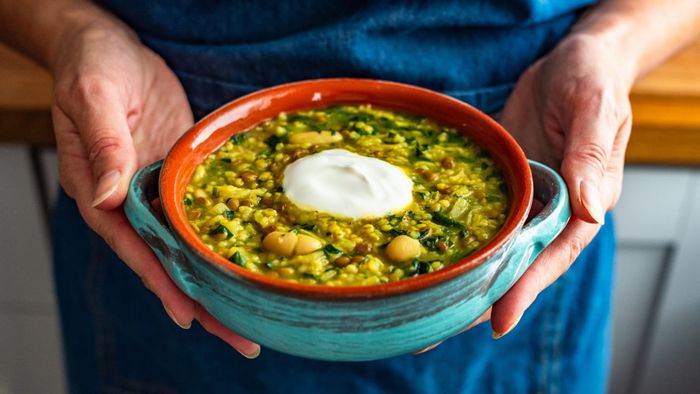
This inexpensive grain serves as a great way to prevent fatty substances from building up in your body. Packed with beta-glucan (the same soluble fibre found in oats), it directly binds to cholesterol-rich bile acids in the digestive system, prompting the body to pull LDL cholesterol from the blood. Including it in your meals regularly helps control harmful fats without straining your wallet.
“Pearl barley is a brilliant example of an overlooked food that offers real nutritional value without costing a fortune,” Dr Lo Monaco said. “It is affordable, filling and easy to add to soups, stews and casseroles. Swapping it for some of the rice or pasta you would normally eat is a simple way to introduce more fibre into your diet.”
Typical cost: £1.20 for a 500g bag (around 12p per 50g dry serving)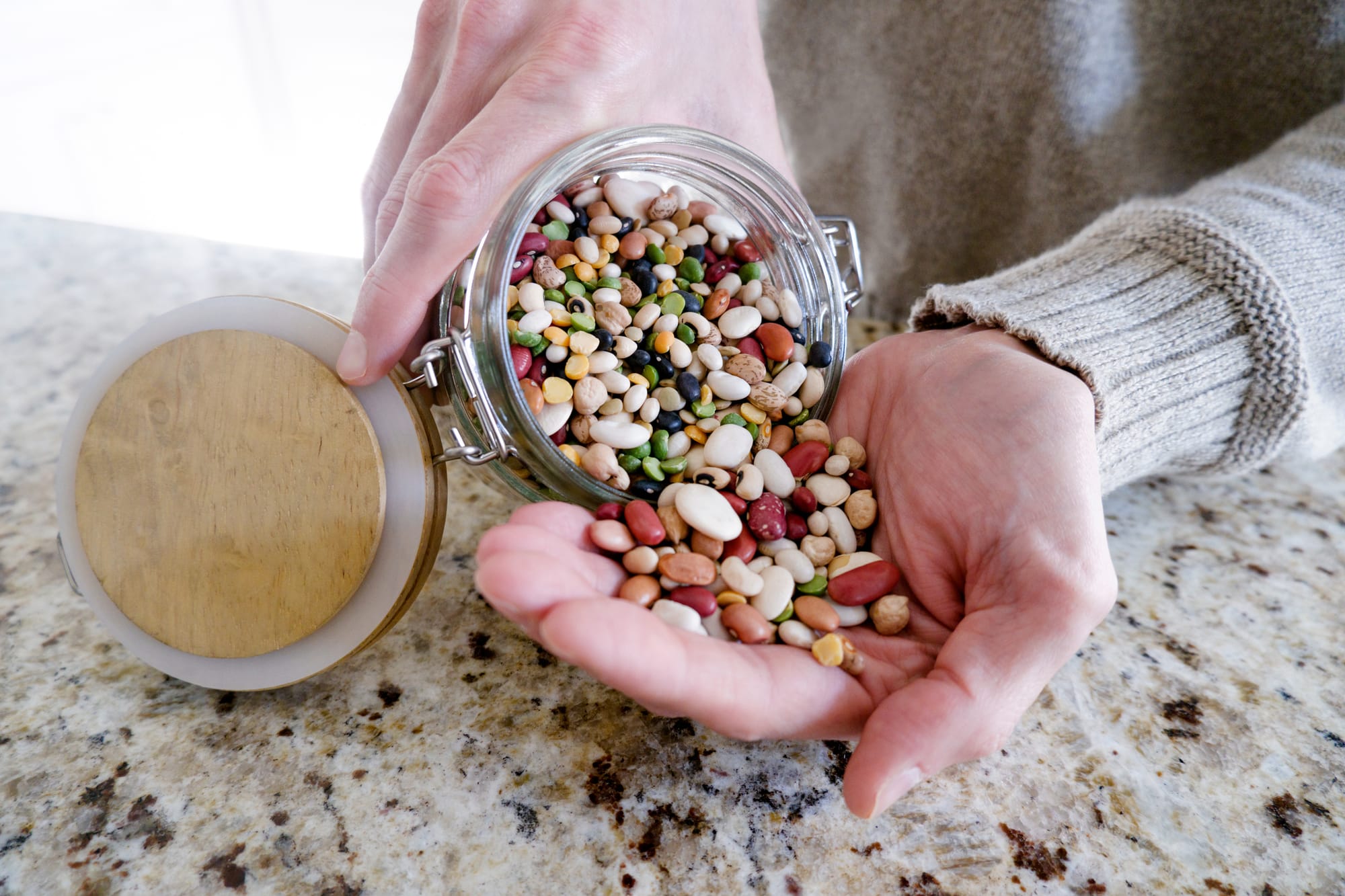 BEAN BOOST: Adding pulses to your diet can help cut cholesterol (Image: Getty)Beans and lentils
Tinned pulses and dried split peas offer an affordable way to boost natural roughage and plant goodness while cutting back on animal fats. These cupboard staples serve as a direct replacement for fatty mince and processed sausages in hearty evening dinners.
“Beans and lentils are among the simplest ways to improve the balance of your diet. Try replacing some of the meat in a chilli, curry or shepherd’s pie with lentils or beans. You can stretch a meal further while increasing its fibre content,” Dr Lo Monaco said.
Typical cost: 49p – 55p per 400g tin of pulses; £1.15 for 500g dried lentils (around 15p – 20p per portion)Ground linseed
Also known as flaxseed, this seed combines digestion-friendly fibre and essential fats. Incorporating a small spoonful into your breakfast bowl helps keep your circulatory system in check over time.
It’s important to choose the ground variety, as whole flaxseeds pass through the gut undigested. Grinding them unlocks the alpha-linolenic acid (plant-based omega-3) and soluble lignans.
“This is an easy addition for people who want to increase their fibre intake without changing their meals dramatically. A little ground linseed stirred into porridge or yoghurt is a simple place to start,” Dr Lo Monaco said.
Typical cost: £1.50 for a 200g bag (around 11p per 15g tablespoon serving)Carrots
Fresh root vegetables are budget-friendly, easy to prepare, and supply plenty of useful dietary bulk for the gut. While no single vegetable works miracles on its own, filling your plate with colourful produce supports your arteries every single day.
“Carrots are a good reminder that healthy eating does not have to be complicated,” Dr Lo Monaco said. “Add them to soups, stews and sauces, or eat them as a snack instead of relying on processed options.”
Typical cost: 65p for a 1kg bag (around 5p – 8p per carrot)

Apples and pears
Common orchard fruits contain a natural soluble fibre called pectin that traps cholesterol in the gut before it enters the bloodstream. They offer an easy, portable bite between meals that costs far less than branded health snack bars.
“An apple is not going to transform your cholesterol overnight, but small, consistent choices can add up,” Dr Lo Monaco said. “Choose whole fruit more often and build meals around fibre-rich foods rather than looking for a quick fix.”
Typical cost: £1.20 – £1.60 for a 6-pack (around 20p – 25p per fruit)Getting checked
Dietary improvements are merely one element of staying well, especially since high blood fats rarely produce obvious warning signs and can be inherited. Only a straightforward blood check arranged by your GP practice can confirm your exact numbers.
“Changing what you eat can help, but it is not a substitute for medication when medication is needed,” Dr Lo Monaco said. “If you have been told your cholesterol is high, speak to your healthcare professional about your overall risk and the best way to manage it.”
READ NEXT