
Strava had a defining year in 2025. Some of the moments were loud and headline-grabbing, others passed with barely a ripple, but together they reshaped what Strava is, what it wants to be, and how it sees its place in the modern fitness landscape.
By the end of the year, Strava looked less like a social network for runners and cyclists, and more like something broader and harder to categorise: a platform trying to sit above devices, apps, and even coaching philosophies.
The year Strava stopped standing still
The biggest story of the year was Strava’s acquisition of Runna, the personalised training app that has become one of the most popular coaching tools for runners.
You may like
It was the sort of move that immediately raised questions about consolidation, pricing, and independence, especially given Strava’s scale and Runna’s momentum.
Strava was keen to stress that Runna would remain a separate brand, at least for now, and the introduction of a joint subscription later in the year reinforced that message.
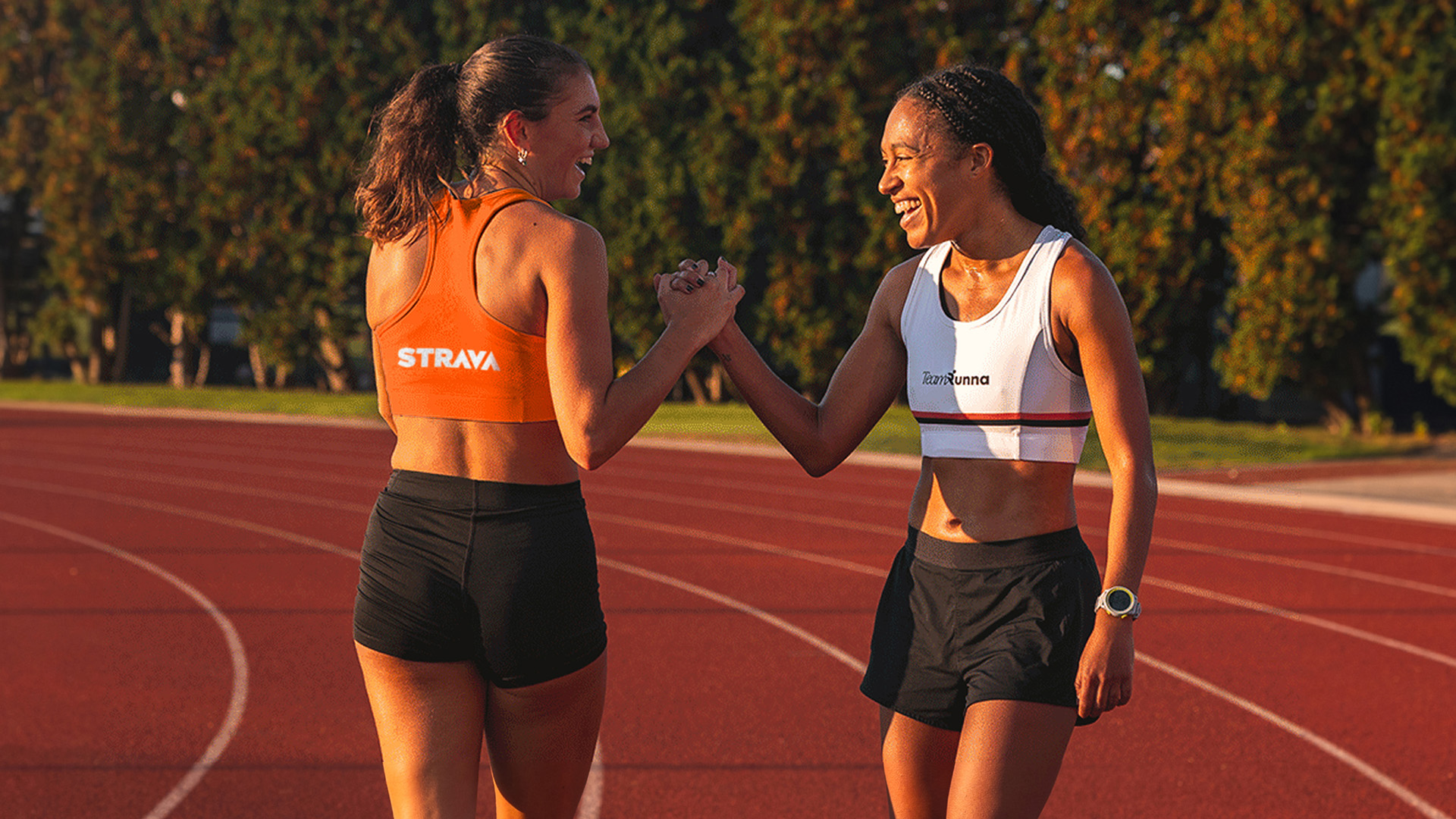
Strava & Runna: working together (for now)
(Image credit: Strava)
Rather than folding Runna into Strava Premium, the company framed the bundle as an attempt to reduce friction for athletes already paying for multiple services.
Less loudly, but just as telling, Strava also acquired The Breakaway, a cycling training app focused on personalised coaching.
These two deals suggested that Strava wasn’t buying communities or social platforms, but rather a coaching logic.
When refinement mattered more than reinvention
Alongside acquisitions, Strava spent much of 2025 quietly reworking its core app.
There was no single “redesign moment”, but a steady accumulation of changes that made the platform feel more deliberate.
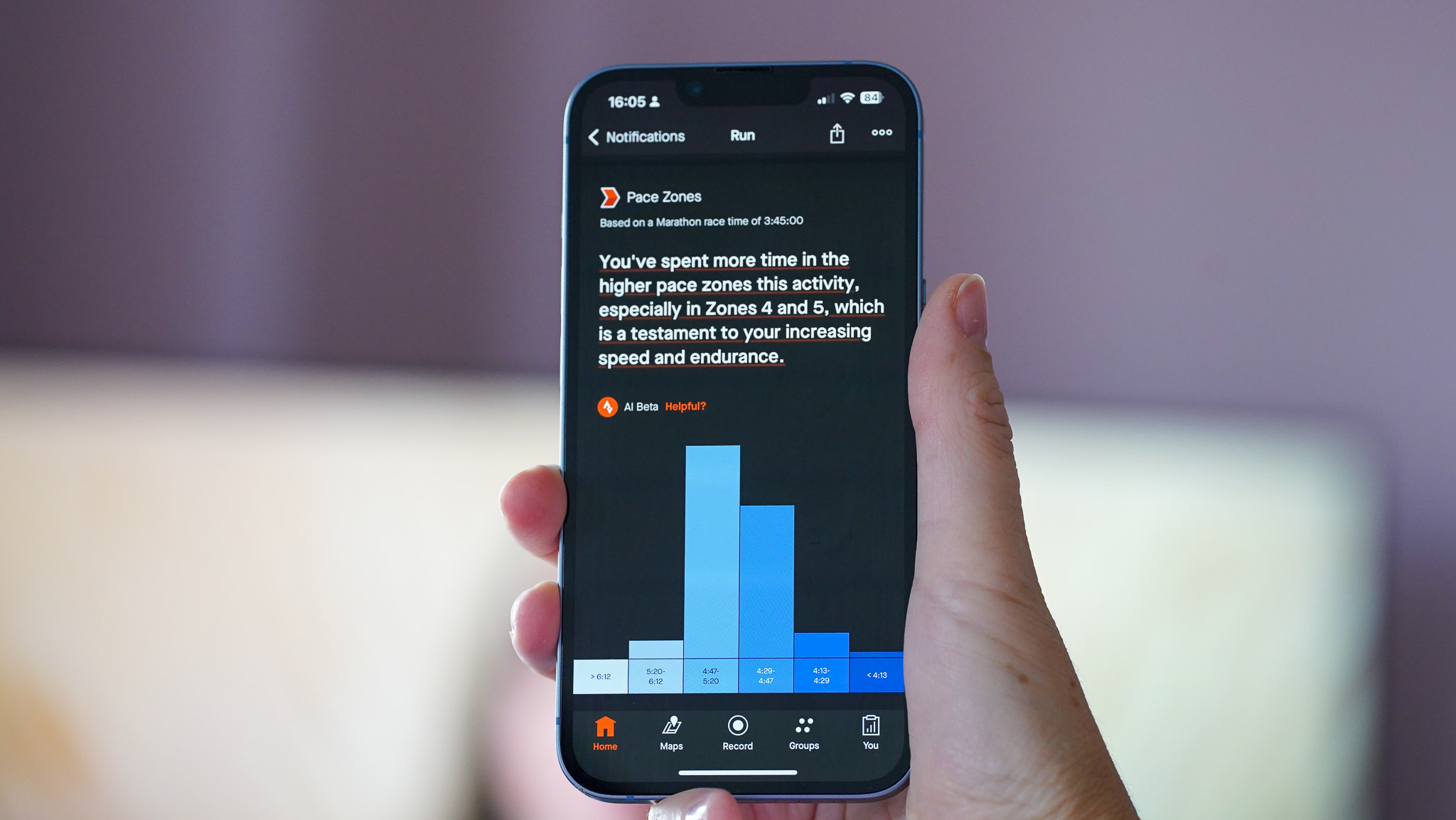
Race time predictions brought Strava closer to Garmin territory, but with an emphasis on real-world data rather than lab-style modelling.
(Image credit: Matt Kollat/T3)
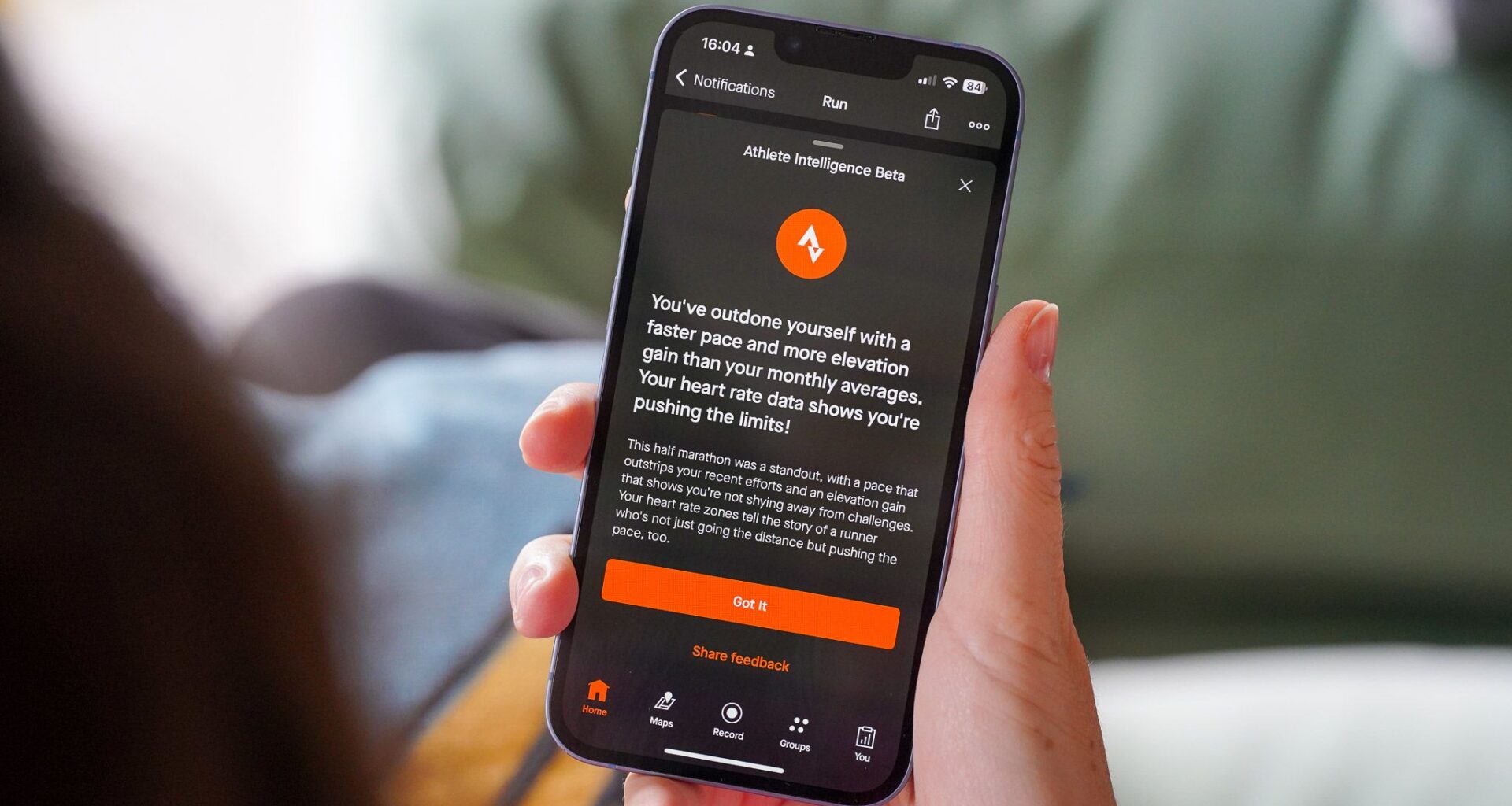
Athlete Intelligence continued to evolve, moving away from novelty AI summaries and towards something that at least attempted to explain effort, fatigue, and trends in plain language.
The company also tackled some long-standing pain points. Millions of cheaters were wiped from leaderboards, and the mobile recording experience was rethought from the ground up.
A summer of lawsuits and unintended consequences
The most turbulent chapter of 2025 arrived later in the year, when Strava sued Garmin over segment-related patents.
The case was contentious, highly visible, and ultimately short-lived.
Strava backed down, Garmin branding remained intact, and activity syncing continued as before.
Yet the fallout lingered. What began as a legal dispute ended up reshaping how Strava presents hardware across its platform.
Device attribution became more prominent for all brands, not just Garmin, subtly reinforcing Strava’s claim of neutrality, even as it reminded users how dependent the ecosystem remains on device makers.
The watch on the wrist mattered more than expected
Amid all this, Strava relaunched its Apple Watch app with an unusually big push.
Live Segments arrived on the wrist, recording became more reliable, and the experience finally began to feel first-class rather than an afterthought.
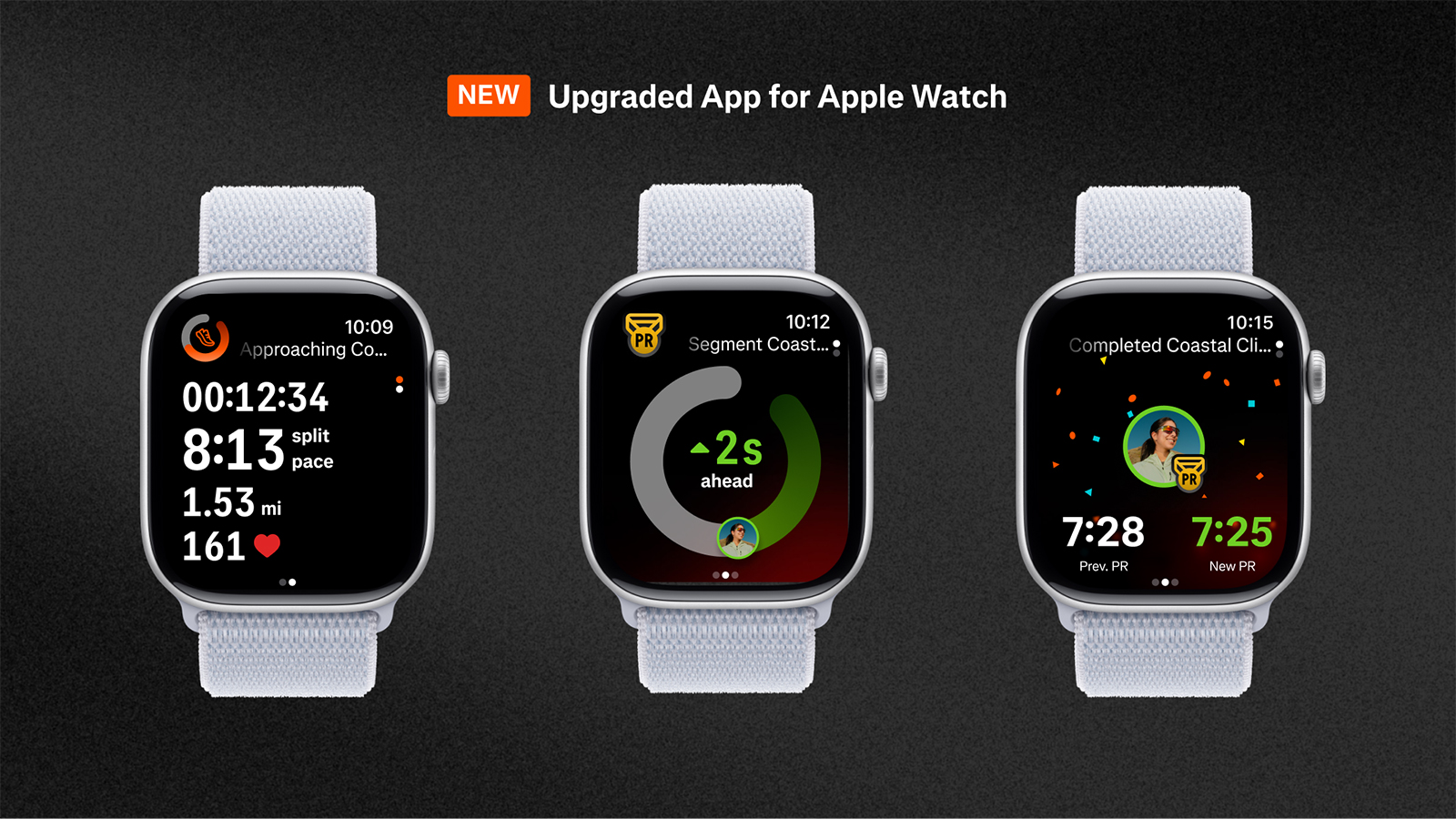
Redesigned Apple Watch experience: backup plan
(Image credit: Strava)
That update carried more strategic weight than it first appeared. Apple Watch is the most widely used running watch on the platform, and a strong native experience gives Strava leverage.
If relationships with traditional multisport watch brands become strained again, Strava now has a credible alternative pipeline for high-quality data and engagement.
The shape of Strava in 2026
So, where does that leave Strava as it enters 2026?
First, the platform is no longer just an app. With Runna and The Breakaway under its roof, Strava increasingly looks like connective tissue, a place where devices, coaching systems, and athlete data converge.
The app is becoming less of a destination and more of an operating layer.
Second, subscriptions are stabilising, but expectations are rising.
The joint Runna bundle hints at subscription fatigue across the fitness world.
In 2026, Strava’s challenge won’t be adding more premium features; instead, it will be making the value of what users already pay for unmistakably clear.
Third, AI remains an unresolved question. Strava has invested heavily in the idea, but like much of the industry, it is still figuring out how AI can genuinely help athletes rather than simply summarise their workouts.
Turning insight into action will matter far more than clever phrasing.
The Runna question
Strava’s joint Runna bundle is a tacit admission that athletes are hitting their limit on stacked subscriptions.
In 2026, Strava will likely be judged less on how many premium features it ships and more on clarity of value.
Perhaps the biggest unknown is how tightly Runna will eventually be woven into the Strava experience.
(Image credit: Strava)
The best-case scenario is a symbiotic one: Runna continues as a standalone coaching product, while Strava quietly enriches it with broader behavioural data and population-level trends.
The worst-case scenario – and one athletes are wary of – would see Runna absorbed into Strava Premium, its features locked behind a higher paywall.
Strava insists that isn’t the plan, and for now, there’s little to suggest otherwise, but history has made users cautious.
Hardware, but not how you expect
There’s also the perennial question of hardware. A Strava watch still feels unlikely, but smaller, screenless accessories are easier to imagine.
A running pod or sensor designed to complement the mobile recording experience could make sense, especially if priced aggressively.
More likely, though, is that Strava experiments with software-defined hardware first; deeper phone-based motion analysis, better sensor fusion, and smarter interpretation of the data it already collects.
A platform at a crossroads
Strava enters 2026 in a strong position. It has scale, brand loyalty, and more influence over the athlete experience than ever before. But it also has to navigate trust, neutrality, and restraint.
After the lawsuit saga, one undercurrent for 2026 is trust. Athletes want assurance that syncing, data ownership and platform neutrality won’t suddenly change.
Strava backing down helped, but consistency next year will matter more than bold announcements.
At the end of the day, Strava doesn’t need to out-Garmin Garmin or out-coach Runna.
It needs to prove that sitting above the ecosystem, rather than competing with every part of it, is what athletes actually want.