
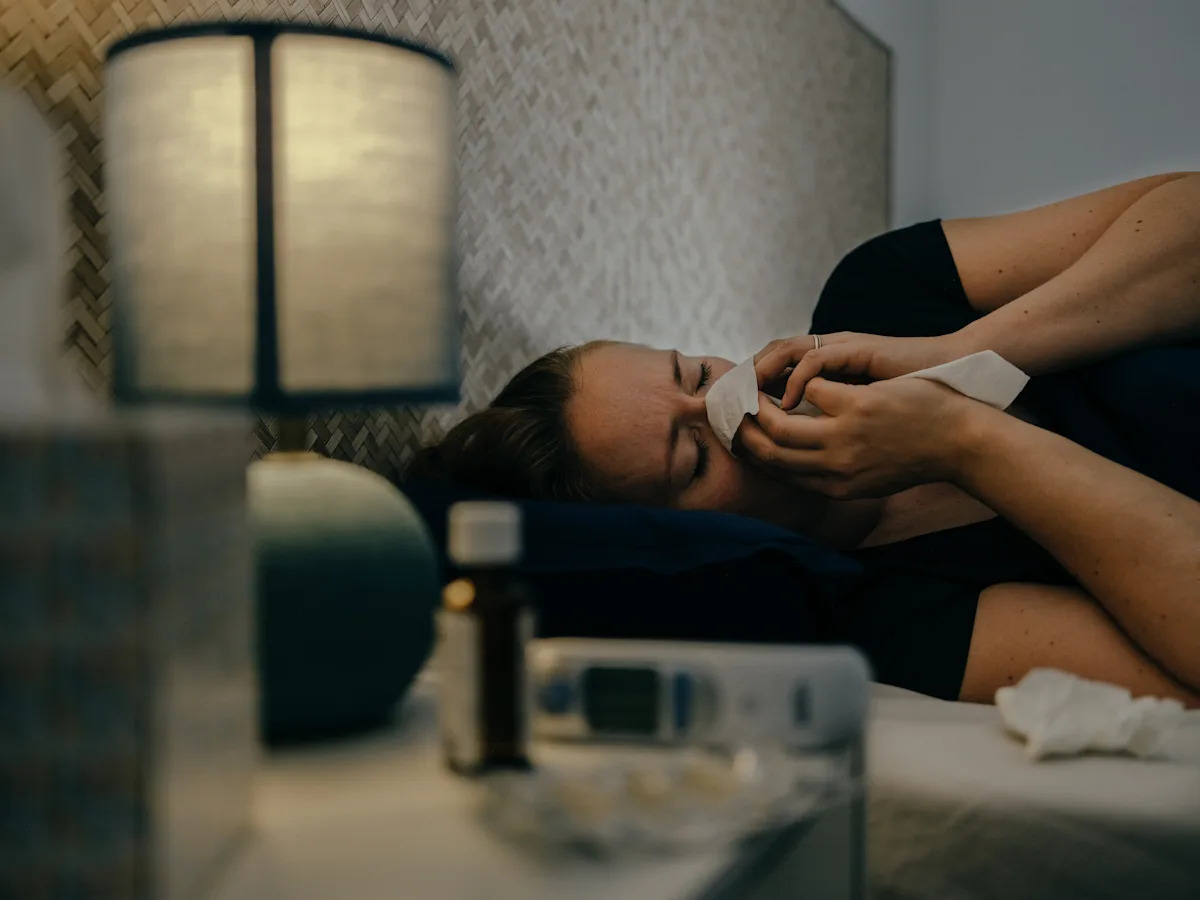
‘Tis the season for coughs and colds. Flu cases are rising across England with hospitals reporting record levels of patients for this time of year, and coughs and colds are also circulating.
If you’ve been struck down with a cold, alongside a possible temperature, blocked nose, cough and sore throat, you may also find the disrupted sleep hard to manage.
Trying to rest when you’re congested or coughing can feel almost impossible. Lying flat can make breathing harder and leave you waking repeatedly.
Sleep plays a crucial role in recovery from viral illness. When you’re asleep, your immune system ramps up the production of cytokines – proteins that help reduce inflammation and fight infection – allowing your body to focus energy on healing.
So what can you do to help you drop off? We spoke to a GP who said that sleeping in a particular position can support breathing, circulation, and comfort when you’re unwell.
The NASA-inspired sleep position that could make nights easier
One of the most effective ways to sleep better with a cold is the zero-gravity sleep position (or Neutral Body Posture), according to GP Dr Tim Mercer. And it’s inspired by NASA.
The idea is simple: instead of lying flat, your head is gently propped up while your legs are slightly elevated. This helps gravity work in your favour, encouraging mucus to drain rather than settle in the chest or sinuses.
“NASA developed this position to relieve pressure on the body. The head and legs are elevated to just above the heart level so the spine is neutrally aligned,” Dr Mercer says.
“Raising the head slightly allows the airways to open up and take in more oxygen while you sleep. Many people with respiratory conditions can benefit while sleeping in this position.”
Luckily, you don’t need specialist equipment to try it yourself:
Place a pillow under your ankles or calves

Your sleep position can make all the difference when you have a cold. (Getty Images)
Why it works
Dr Mercer, who is working in collaboration with Opera Beds, explains that when you’re unwell with a cold, the body produces extra mucus and often retains fluid. Elevating both the head and legs helps support circulation and drainage, meaning the heart and lungs don’t have to work as hard overnight.
“The zero gravity position helps us to drain that,” he explains, adding that it’s about “making the job as easy as possible for the heart” at a time when the respiratory system is already under strain.
4 other ways to sleep better with a coldTry side sleeping
Not everyone finds it comfortable to stay slightly elevated all night – especially if coughing keeps waking you up. If that’s the case, Dr Mercer suggests a side-sleeping alternative.
“If you cannot elevate your body to the anti-gravity position, try lying on your side, particularly the left side, to help open the airways and improve breathing when you are congested,” he says. “This prevents a sore neck and mucus from building up at the back of your throat when sleeping.”
Side sleeping can also help with specific symptoms. Dr Mercer notes that if congestion or sinus pain is worse on one side, lying on the opposite side can help encourage drainage and reduce pressure.

Side sleeping can be a simple alternative if lying flat makes congestion or coughing worse. (Getty Images)
Sip a mint-flavoured drink before sleeping
What you consume in the hours before sleep can also affect how well you rest when you’re ill.
Staying hydrated is important, particularly when you’re fighting a fever. “Use mint, as it tricks the brain into thinking your airways are more open than they are, with no side effects!” Dr Mercer says. “Try a mint tea, a cold-and-flu-containing menthol, or strong mint-boiled sweets.”
He also recommends foods rich in vitamin C or zinc to support immune function.
A hot shower before bed can help
A warm shower or bath shortly before bedtime can also support better sleep when you’re unwell.
“The steam helps to ease congested airways, while the warmth relaxes sore muscles and can lower blood pressure.”
Dr Mercer adds that the drop in core body temperature after stepping out of the shower can help signal to your internal clock that it’s time to sleep.

Mint may help make airways feel more open, which can be useful when congestion disrupts sleep. (Getty Images)
Prioritise bedtime comfort and hygiene
Small comfort tweaks can make a difference when you’re unwell. Dr Mercer advises:
Choose the right clothing: “Choose light, breathable clothing such as cotton pyjamas and avoid heavy or restrictive fabrics that might trap heat and make you overheat, especially if you’re prone to fever or night sweats.”
Wash your sheets (even more when you’re ill): “Try to wash your bedding regularly when you’re unwell as it can harbour sweat and germs.”
Using steam to ease congestion at night: Warm, moist air can also help ease congestion at night. Try a cool-mist humidifier in the bedroom or put a few drops of eucalyptus oil into a diffuser to help unblock your nose.
Our product picks for sleeping with a cold:
Read more about sleep: