
Single travellers account for almost half of its reservations taken for 2026, according to one tour operator. Here’s how to adventure on a budget
This article includes affiliate links. When you book accommodation or other travel products through these links, we may earn a commission. This does not affect our recommendations or opinions.
Travelling alone is liberating, educational and a great way to make new connections. It can also be costly, with solo supplements adding hundreds to the cost of a package break. But that hasn’t stopped more holidaymakers giving it a try: solo specialist Friendship Travel reports that summer bookings are 9 per cent up on where they were at this time last year and tour operator Jules Verne found last year that single travellers accounted for 46 per cent of its reservations taken for 2026.
In going on three decades of travelling alone, I’ve gathered tried-and-tested methods for sticking to a budget. Here are some of the best…
Go off-season
Package holiday prices can drop by up to 29 per cent between July and September, according to travel insurance provider AllClear. This uptick in affordability doesn’t just apply to fly-and-flops.
Dream trips, such as a safari, can be cheaper out of season. During the peak wildebeest migration period, lodges in Kenya’s Maasai Mara can cost more than £593 a night. By visiting in March, I have paid less than half that. Basecamp Adventure, a tented camp on the Talek River, sells solo occupancy from £185, including full-board and game drives.
Use overnight trains and buses
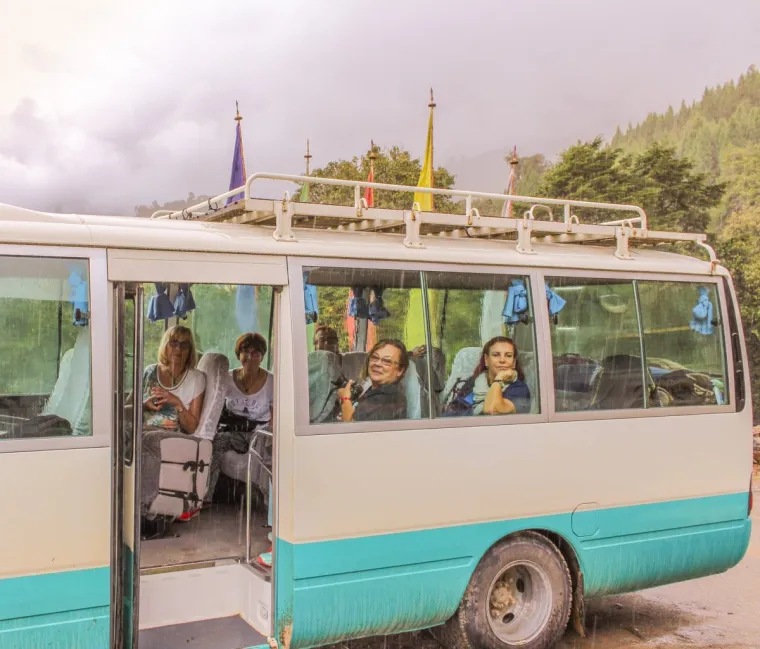 The Thimphu to Punakha bus in Bhutan (Photo: IpekMorel/Getty)
Travelling at night can be an efficient use of time and funds. On the 11-hour sleeper-train journey between Helsinki and Rovaniemi, two-berth private cabins cost from £86 if booked in advance. Solo travellers have to pay the full cost, but it is still about half the price of a hotel and flight. Overnight buses work well for long trips through South America. Peruvian company Cruz del Sur, for example, has fully flat-bed seats for the 17-hour journey from Lima to Arequipa for £58.
Pack hand luggage only
Travelling light saves money on air fares and allows you to move quickly through airports. Skyscanner has a tool to compare hand luggage allowances across airlines.
For beach trips to warm destinations, I bring only a few light layers and a spare pair of sandals. If I’m heading out on a hiking trip, I bring technical clothing designed to dry quickly, and I always pack a plug for sinks. The savings are considerable – a 20kg hold bag with Ryanair can cost £60 each way.
Only book a few nights’ accommodation, with free cancellation
A firm accommodation booking is essential for many visa applications. But you can change plans once you arrive. Booking platforms charge 20-30 per cent in commission fees, so it is easy to undercut these.
In the coastal Brazilian town of Paraty, I secured a better package by negotiating directly with the posada owners – saving around 25 per cent on a similar stay booked online.
Opt for self-catering
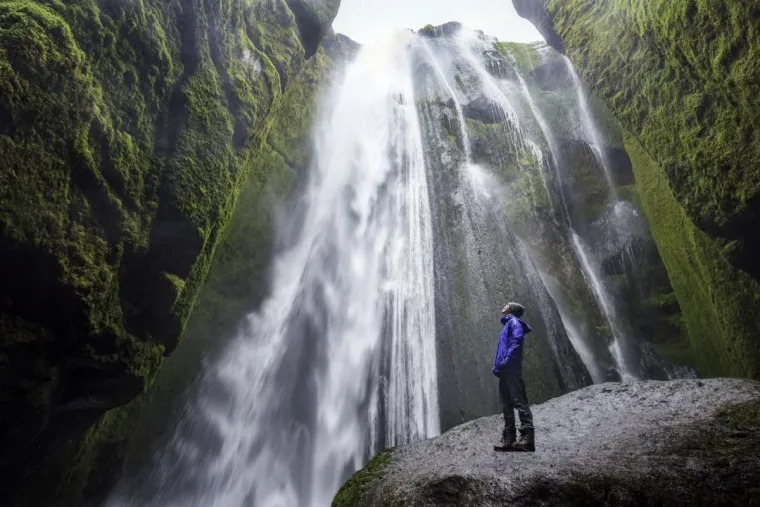 Gljúfrabúi waterfall in South Iceland (Photo: Sasipa Muennuch/Moment RF/Getty)
Norway and Iceland are two of my favourite destinations for hiking trips. Food costs, however, are high – expect to pay around £25-30 for a simple meal. To reduce my spending, I opt for hotels, hostels or campsites with kitchen facilities. In Iceland, Go Campers have compact vans from £54 a day and camping sites cost from £8 – with showers and an indoor cooking area.
Make the most of free activities
Platforms such as Sandemans, GuruWalk and Free Tours connect travellers with walking tour guides and operate a “pay what you feel” concept. Along with an overview of the sites, residents know the best budget places. With Alternative Berlin Tours, I found out about the Mondhügel Bar in Kreuzberg, where clients set their own prices. Major galleries and museums also have designated times when entry is free. I saved the £10 ticket cost by visiting Madrid’s Reina Sofia two hours before closing.
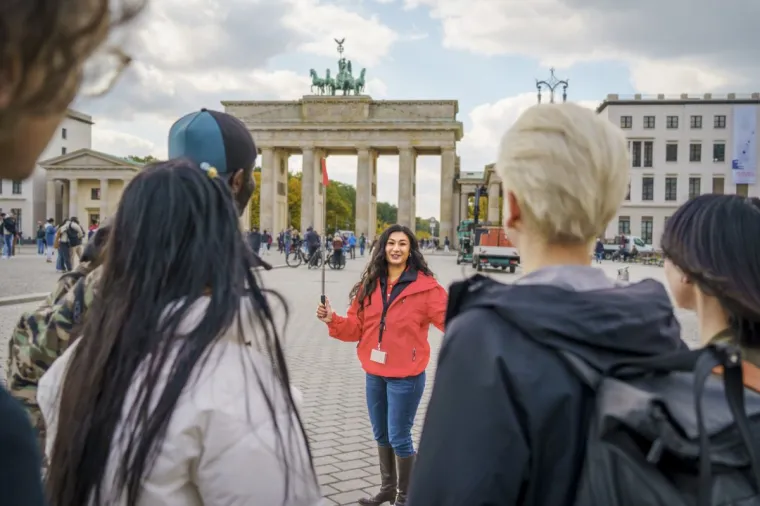 Taking a walking tour is a great way to explore (Photo: Maskot/Digital Vision/Copyright Maskot/Getty)
Use public transport
I’m well versed in using buses, trains and trams both at home in the UK and abroad. There is no charge for any of these services in Luxembourg, making it easy to move around the small country. Many other northern European cities offer visitors multi-day cards for unlimited travel. Available from kiosks, a reloadable smartcard offers three days of travel in Tallinn for £8. Download the HSL app to buy day passes or bulk blocks of tickets for moving around in Helsinki.
Book a solo group tour
I prefer to travel on my own, but some trips are unavoidably expensive – especially when public transport is limited. In these instances, escorted tours work well. On a trip to Madagascar, I joined a 15-day group trip with Intrepid for less than £3,000 – saving around £2,000 on a tailor-made itinerary. Sharing guide, driver and transport fees also makes destinations such as Bhutan more affordable to visit.
 A Coquerel’s sifaka lemur native to Madagascar (Photo: Beata Whitehead/Moment RF/Getty)
Use local e-sims
I switch to a local provider – data-only packages are cheaper than roaming, and coverage is better. Although slightly more expensive, e-sim apps (you pay online then switch to the digital sim in your phone settings) are more convenient and can be topped up. As a comparison, a 1GB seven-day package for Brazil costs less than £3, while Vodafone charges 12p per MB.