
Protein is everywhere right now. From high protein yoghurts to protein-packed snacks, it seems like everyone is chasing their daily target.
But boosting your protein intake does not have to mean expensive powders or complicated meal prep.
With a few clever ingredient swaps and pantry staples, you can easily add extra protein to the meals you already cook and love.
Why protein matters
Protein has well and truly stepped into the spotlight, and for good reason. We need it every day. Think of protein as the body’s building blocks.
It helps repair muscles, supports healthy skin, hair and nails, and helps produce the hormones and enzymes that keep everything running smoothly.
It is also one of the nutrients that helps keep you feeling full after a meal.
Most people need roughly 60 – 100g per day, ideally spread across meals to help maintain energy levels and satiety.
Aiming for around 20 – 30g at main meals, with a few smaller protein-containing snacks in between, helps your body use it efficiently.
Hitting those targets can feel tricky, but a few simple ingredients can easily boost the protein content of your everyday meals. Here are 10 easy ways to sneak more protein onto your plate.
Easy protein upgrades for everyday meals
Egg whites
Most of the protein in an egg sits in the white, with around three to four grams in the white of one large egg.
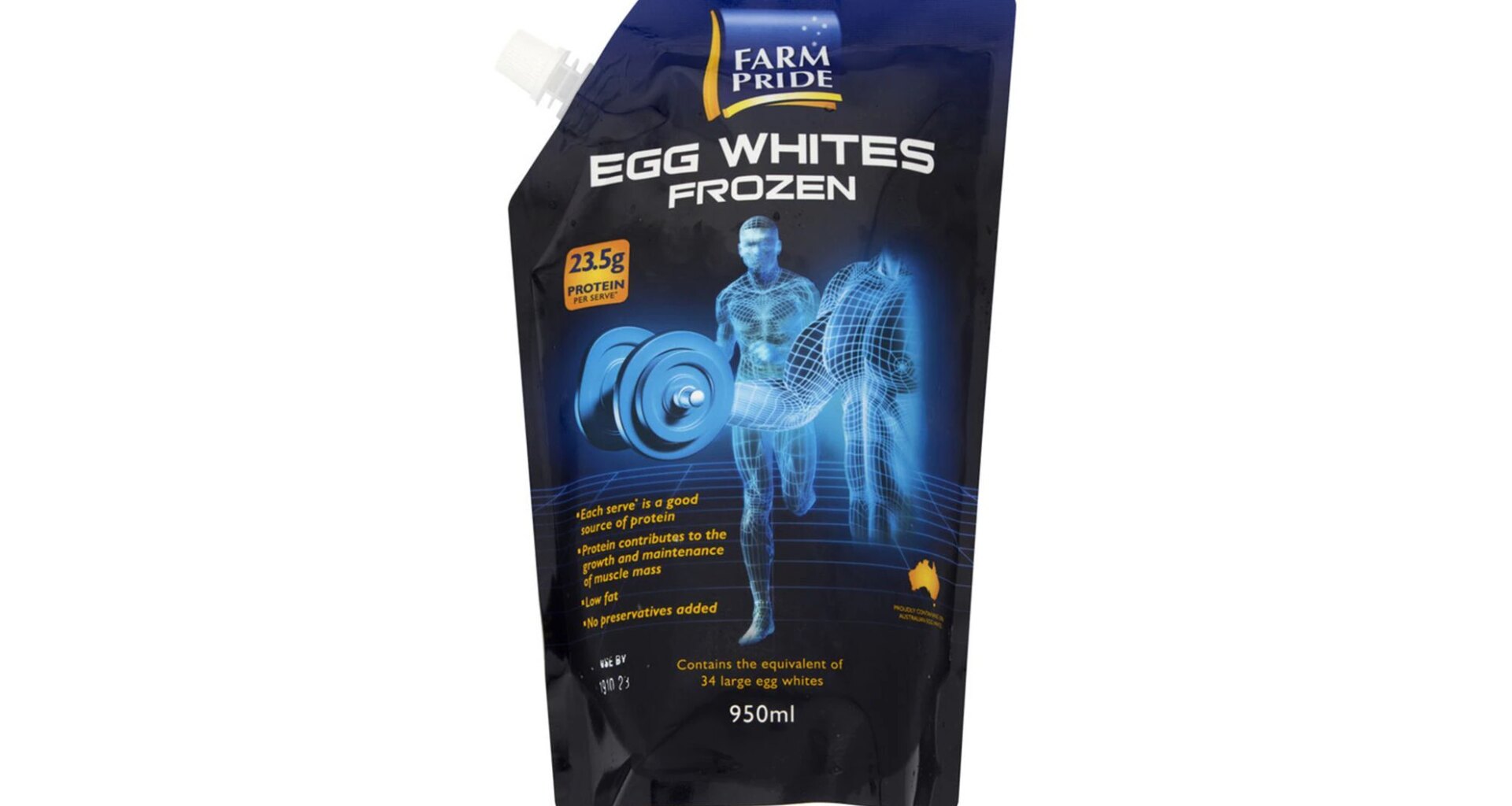
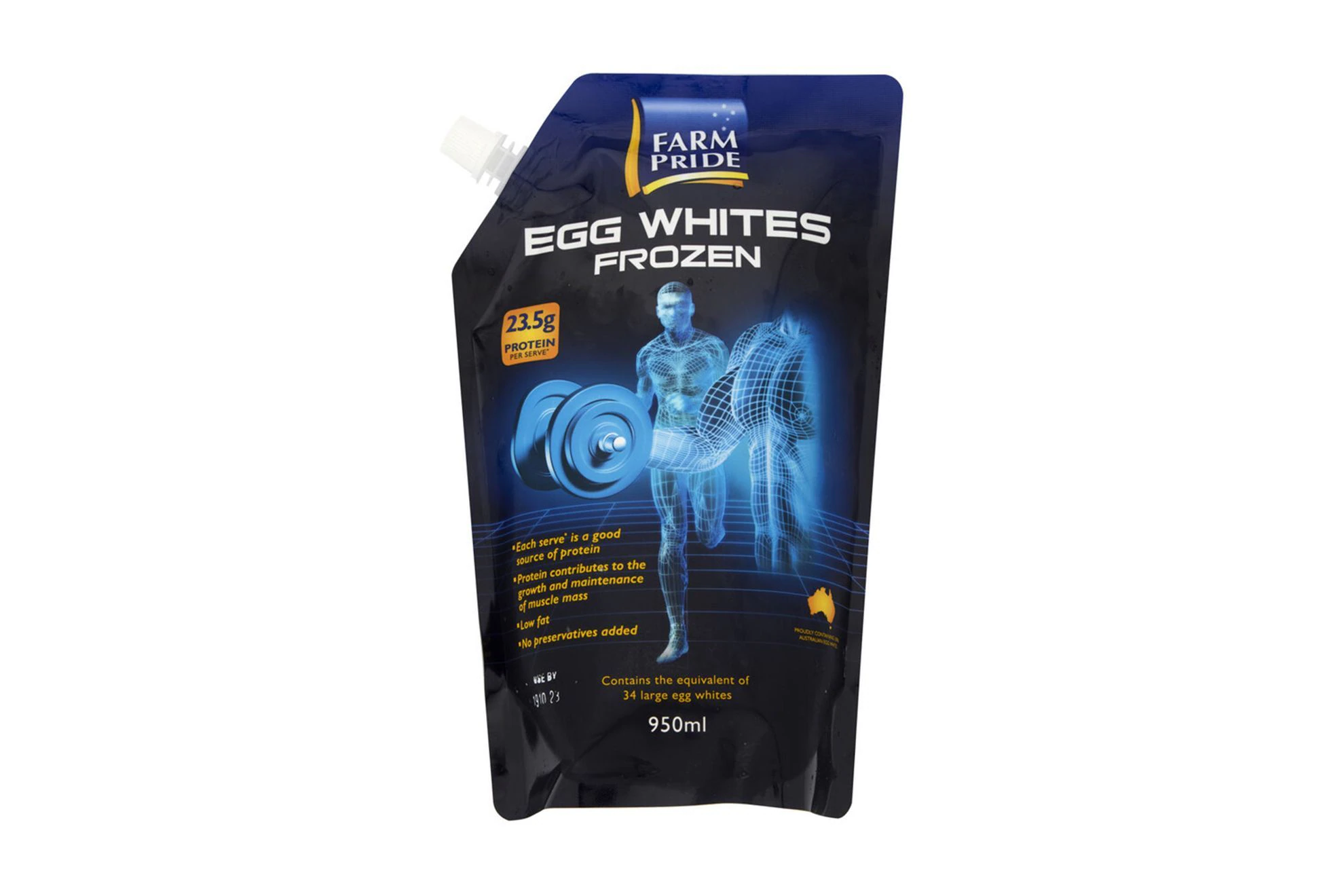
Egg whites are now sold conveniently in bulk in many supermarket freezer sections. Add one or two to scrambled eggs, frittatas, fried rice or even porridge for an easy protein boost.
Greek yoghurt
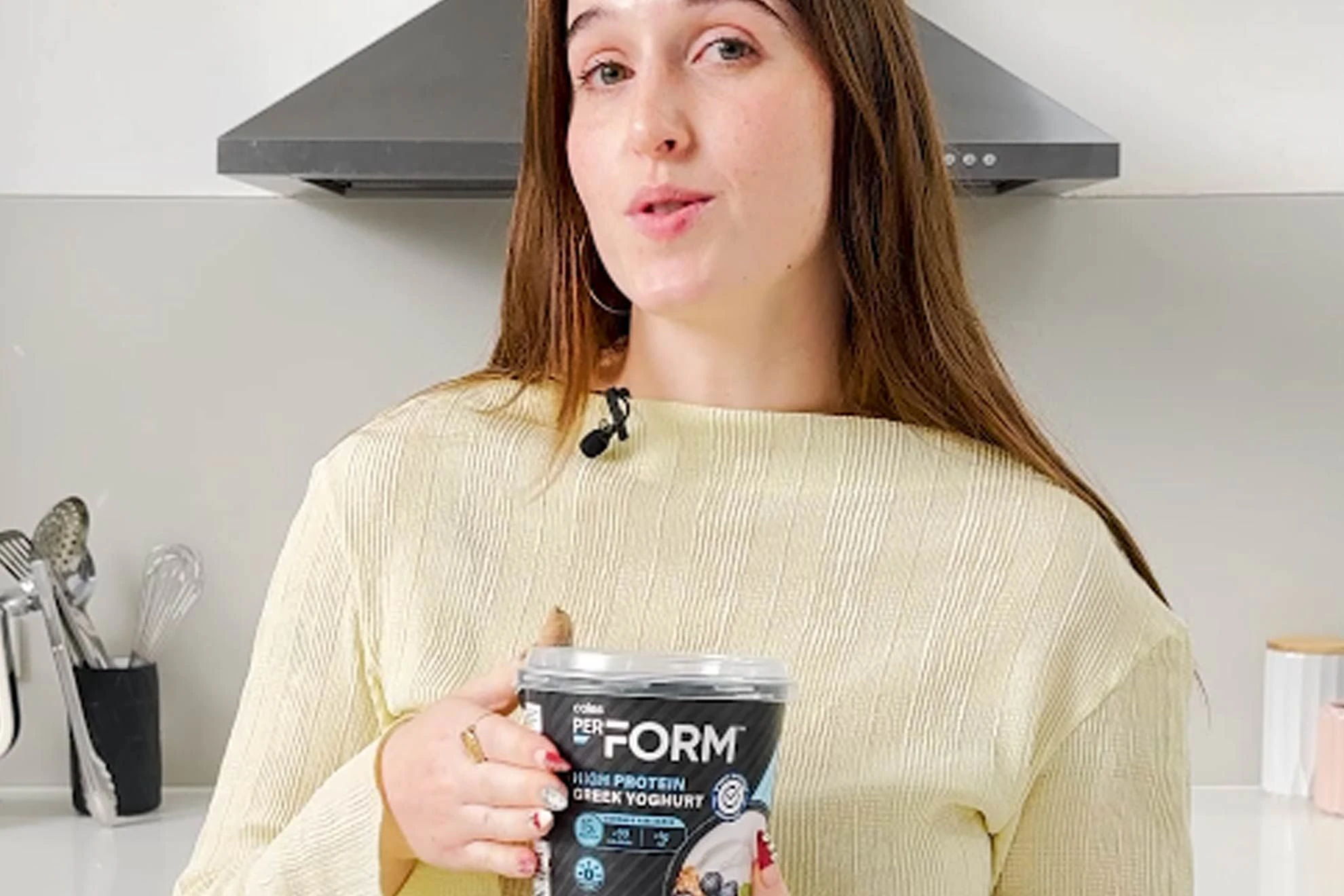
Half a cup of Greek yoghurt can provide around eight to 15 grams of protein depending on the brand, roughly two to three times that of most milks.
Swap milk for Greek yoghurt on cereal, blend it into a smoothie, or use it in place of mayo or sour cream. It works perfectly on taco night.
 https://www.taste.com.au/recipes/high-protein-black-forest-mousse-recipe/rrn5upna
Nuts and seeds
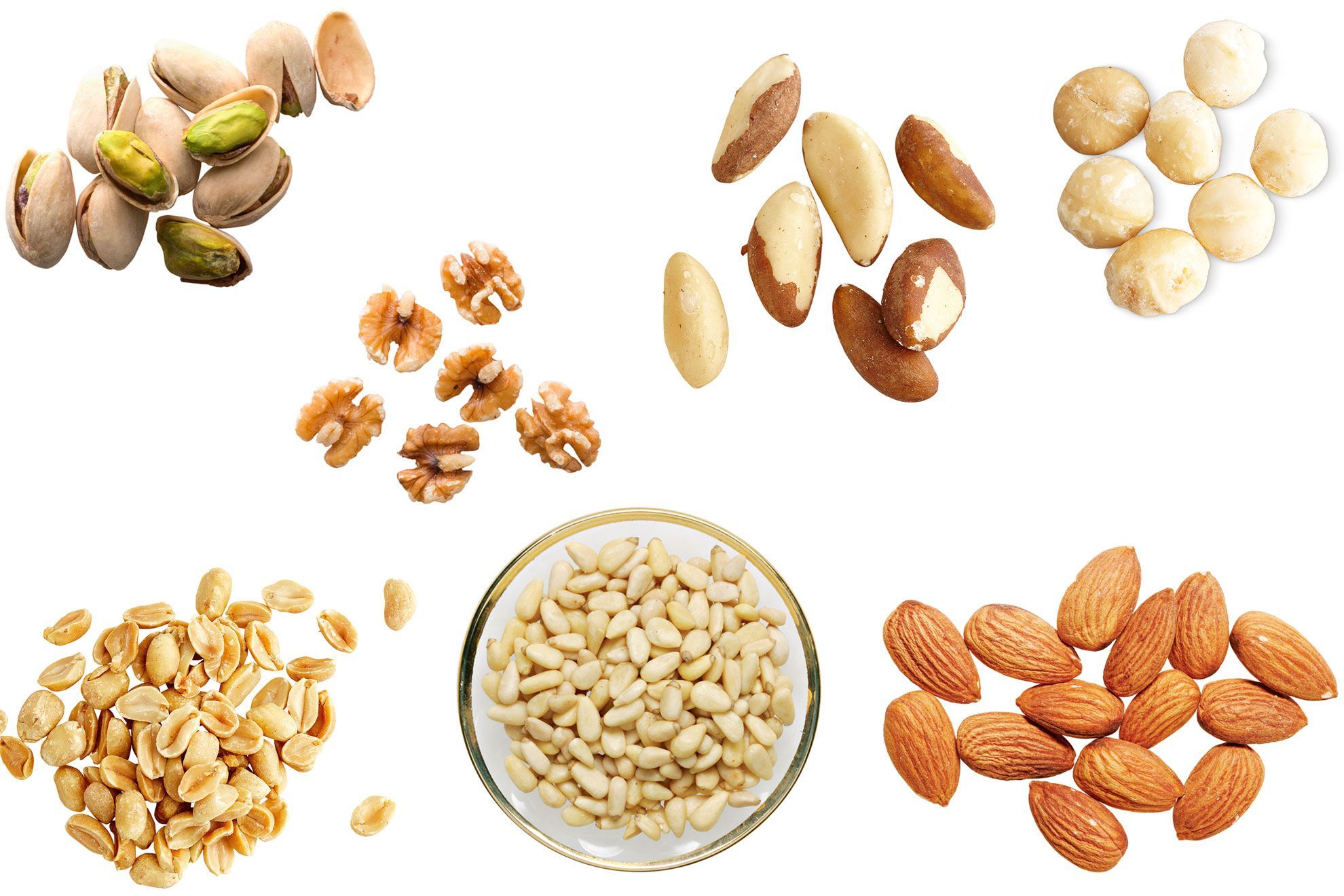
Hemp and pumpkin seeds are among the highest in protein, while peanuts, almonds and pistachios offer around six to seven grams per handful (30g).
Chia seeds provide about four grams in just two tablespoons.
Sprinkle them over cereal, yoghurt or salads, or spread nut butter on toast for an easy protein lift.
Cottage cheese
Cottage cheese is packed with high quality protein and slips easily into many dishes. Just a quarter cup adds around six to seven grams.
Try mashing it with avocado for toast, whisking it into hotcake batter, scrambled eggs or quiche, or stirring it through pasta sauces and lasagne.
Nutritional yeast
Often called “nooch”, nutritional yeast adds a cheesy savoury flavour and is surprisingly rich in protein.
It contains close to 50 per cent protein by weight, making it one of the most protein-rich pantry staples around.
Sprinkle over popcorn, pasta or salads, or stir into soups and sauces.
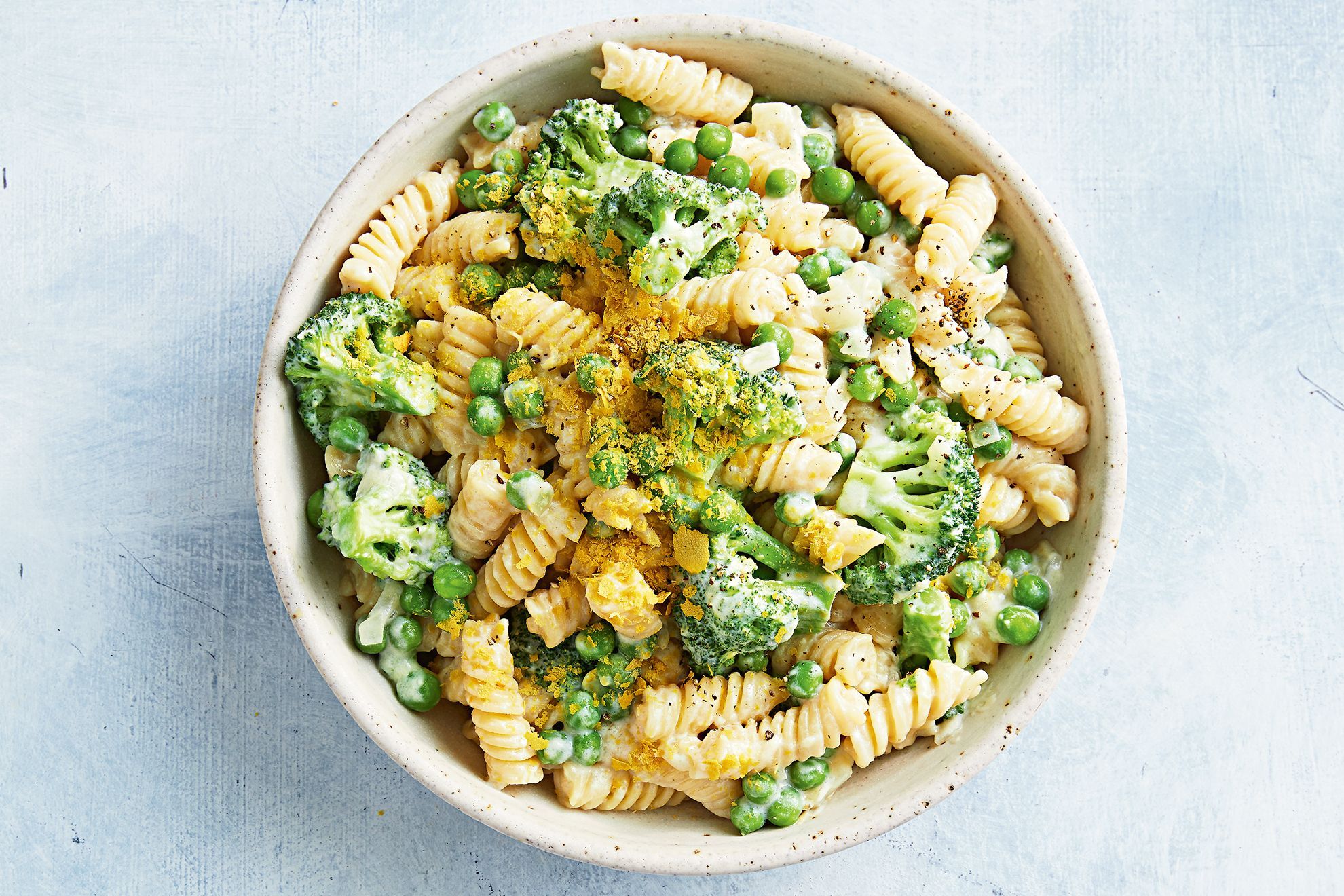 Credit: Guy Bailey
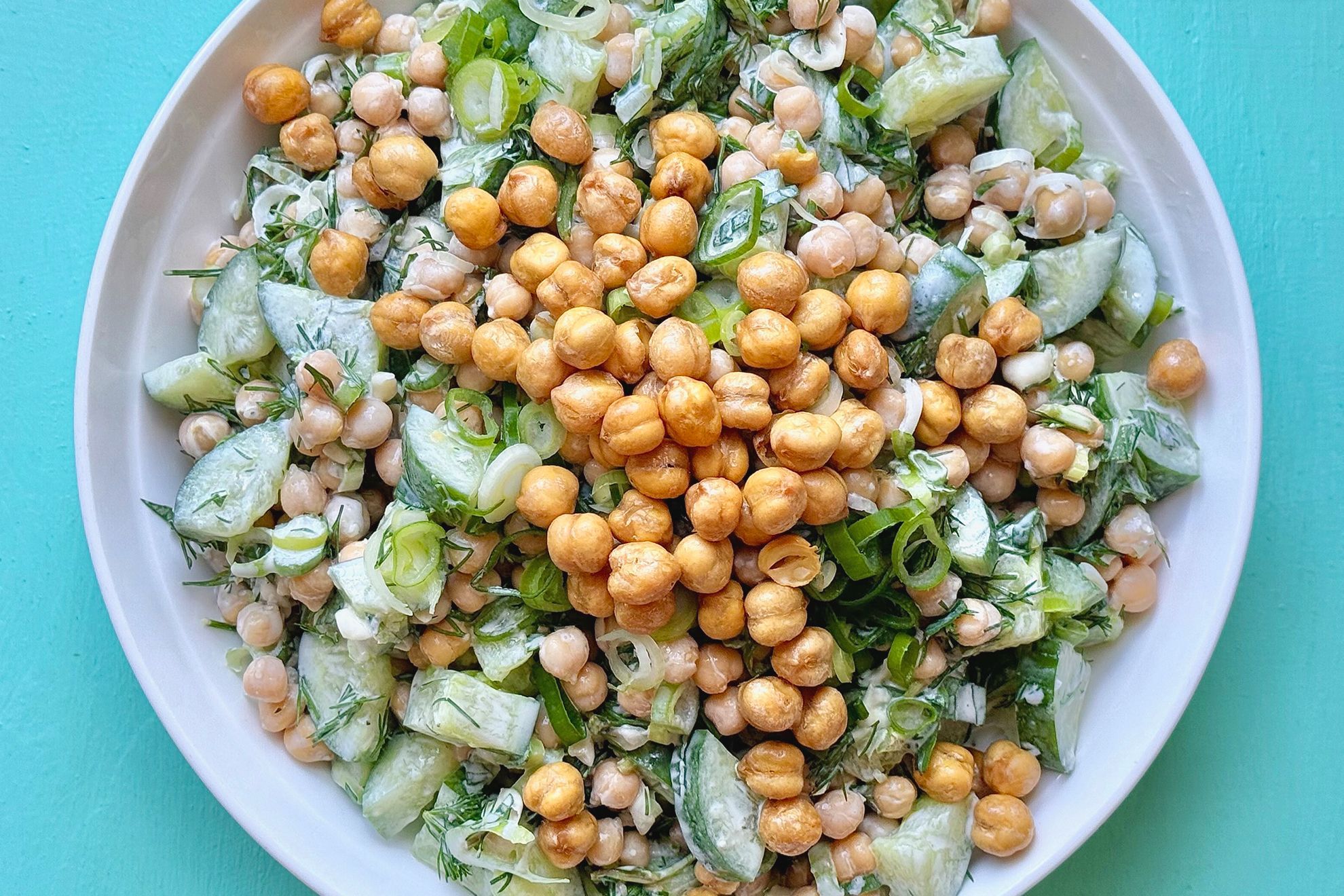
Legumes
Legumes are a nutrition powerhouse. They are versatile, budget-friendly and naturally rich in both protein and fibre.
Add them to curries, soups and salads, or keep canned varieties on hand for quick meals. Soybeans, lentils, chickpeas and kidney beans typically provide around 12 to 18 grams of protein per cooked cup.
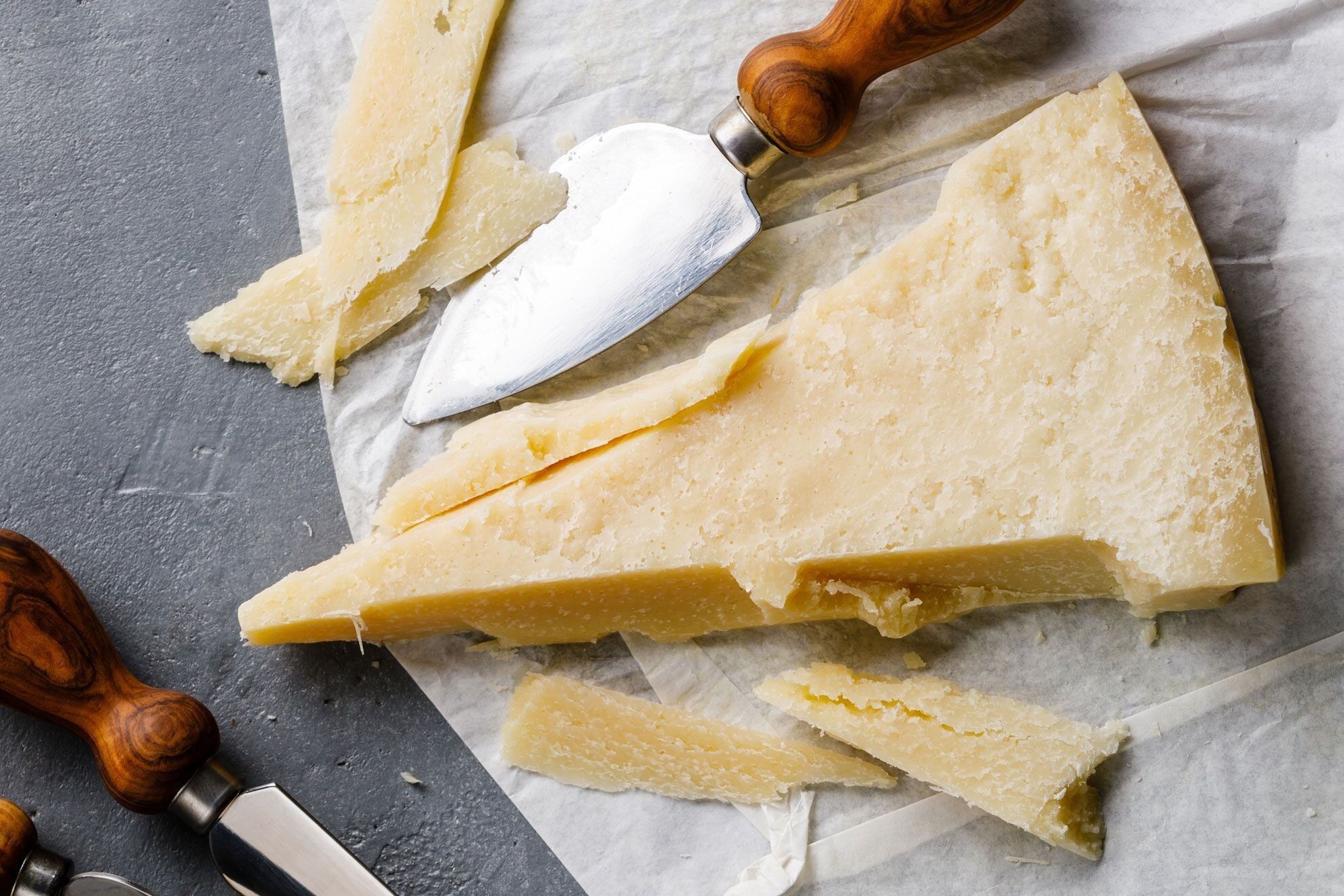
Parmesan cheese
Parmesan is one of the most protein-rich cheeses and its strong flavour means a little goes a long way. Just a 10g sprinkle over pasta, soup, salad or eggs can add around three to four grams of protein.
RELATED: Healthiest high-protein cheeses, ranked >
Green peas
Fresh or frozen, green peas are surprisingly protein rich. One cup provides around eight to nine grams. Toss them into stir fries, soups, curries and salads, or serve them simply steamed as an easy side.
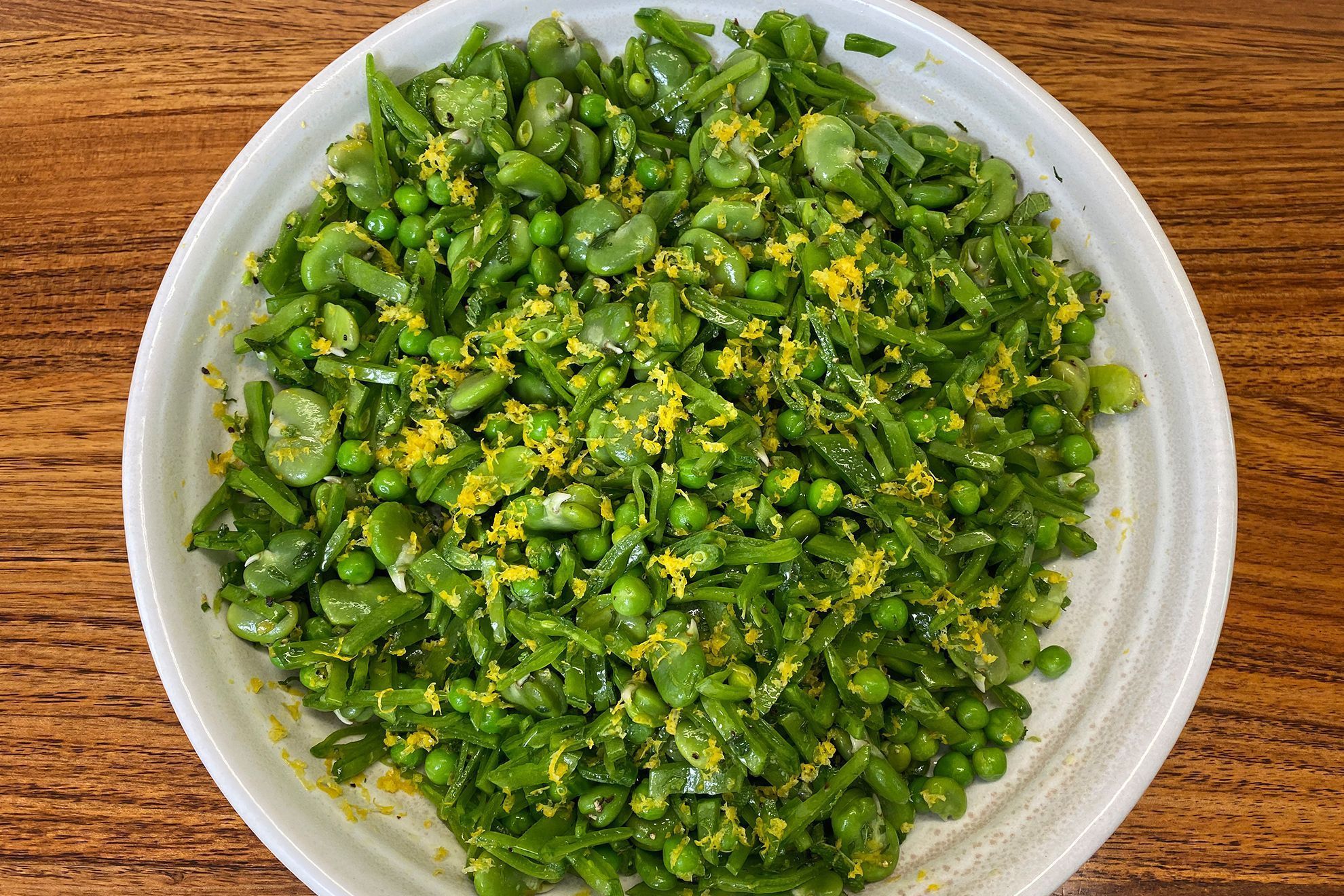 https://www.taste.com.au/recipes/hayden-quinns-broad-bean-pea-snow-pea-mint-salad-recipe/vrd2chqb
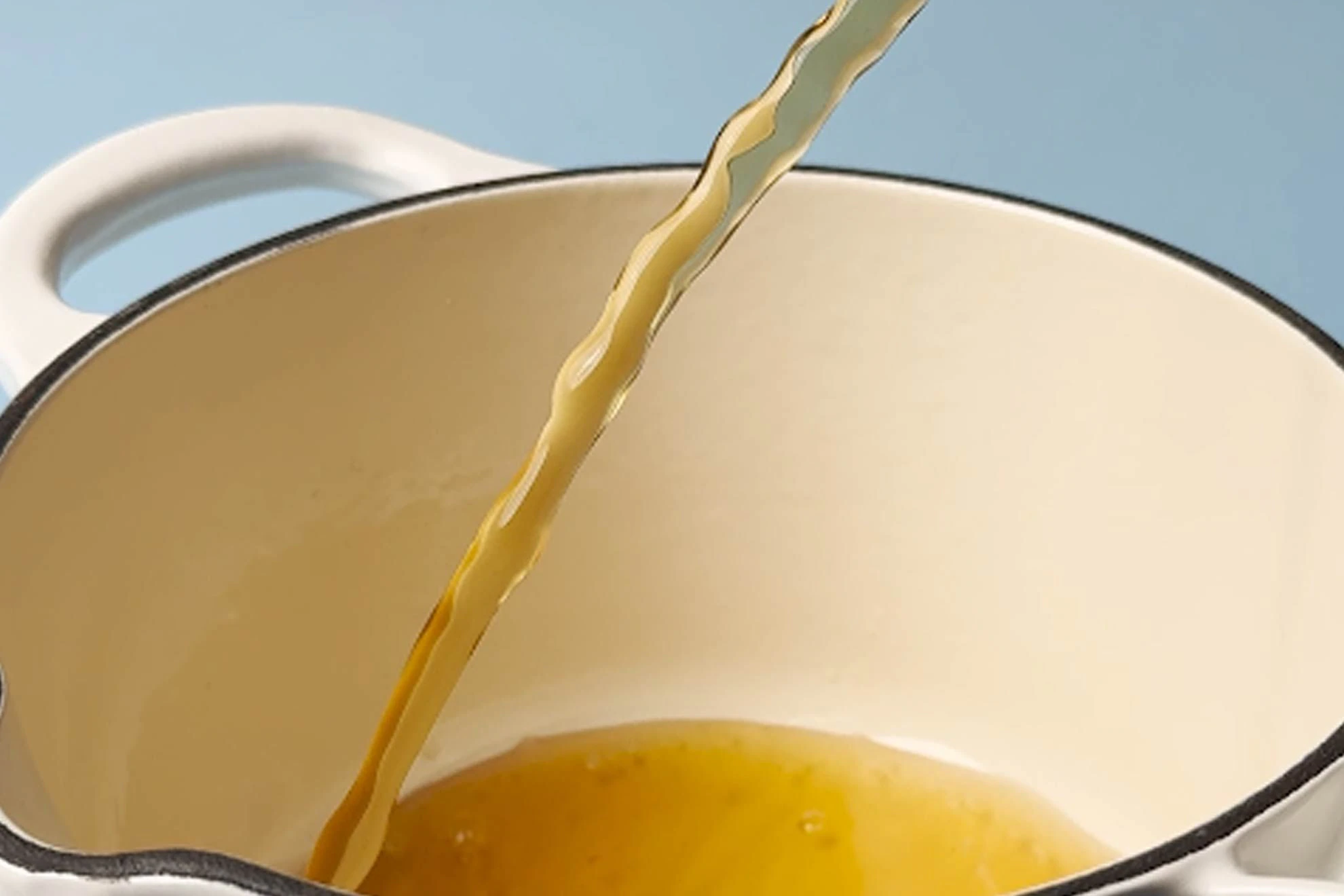
Bone broth
Unlike regular stock, bone broth tends to retain more protein from the simmering bones and connective tissue.
Many varieties contain around seven to 10 grams per cup. Use it as a base for soups or try cooking rice or grains in it instead of water.
 https://www.taste.com.au/recipes/quick-fix-soothing-chicken-bone-broth-soup-recipe/83huvd8y
Silken tofu
Silken tofu is smooth, mild flavoured and incredibly versatile. It blends easily into pasta sauces instead of cream, works well as a substitute for coconut milk in curries, and disappears nicely into smoothies, pancakes and scrambled eggs. Just 100g adds around five to six grams of protein.

Small changes, meaningful benefits
You don’t need to overhaul your diet to support your health. Often it is the small additions throughout the day that make the biggest difference.
Adding one or two protein rich ingredients to meals and snacks can help boost protein intake and satiety, while also delivering a range of valuable vitamins and minerals.
READ NEXT: I eat 100g+ of protein a day. This is my ultimate ingredient for protein powder haters. >