
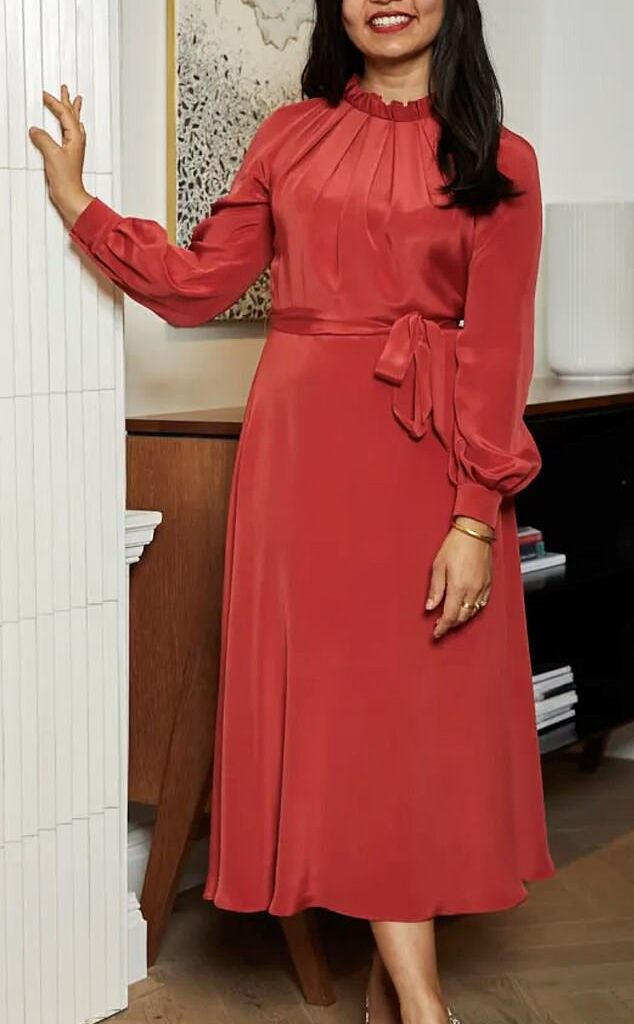
Who doesn’t love a Bank Holiday Monday, like today. They’re blissful – but imagine always loving the start of the working week instead, as well as setting your own hours.
More and more women do. Last year, a report on female entrepreneurs from HSBC and midlife online community Noon, found that 62 per cent of women want to start their own business and be their own boss – yet only one in five companies in the UK is female-led.
My advice if you’re thinking of becoming an entrepreneur? Go for it. Trust me, if I can do it, you can too.
Before I started my business, I was working at an after-school club while finishing a degree. I cleaned toilets, worked as a housekeeper, looked after other people’s children. I sold flowers in pubs. No job was ever too small.
Throughout my 20s, I was living a busy, scrappy life, as well as being stepmother to a ten-year-old – and all the time I was building resilience that would serve me well in business.
Today, my company WUKA (Wake Up Kick Ass) has a turnover of £23million. An environmental brand that makes reusable period pants, it has taken me from a cramped, overcrowded rental to a gorgeous five-bedroom home with a large garden. I’m so proud and happy there that I hate going on holiday.
Indeed, my journey from poverty to privilege shows where hard work, focus and a refusal to give up can get you.
I wasn’t someone who came from money. In fact, the complete opposite. I was born in Nepal and we originally lived in the mountains. Until I was five, I’d never even seen a car or a bus. Our community was so remote you had to walk two miles to fetch drinking water. We had two barrels to collect rainwater which we used for washing ourselves and clothes.
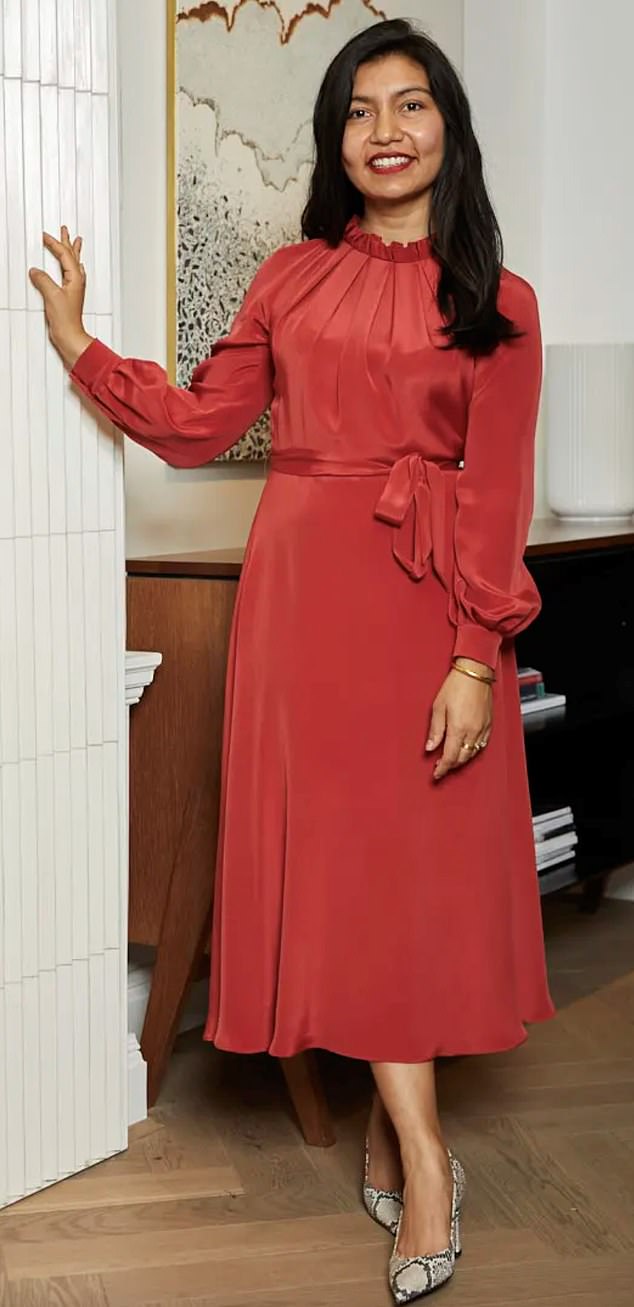
My journey from poverty to privilege shows where hard work, focus and a refusal to give up can get you, says Ruby Raut
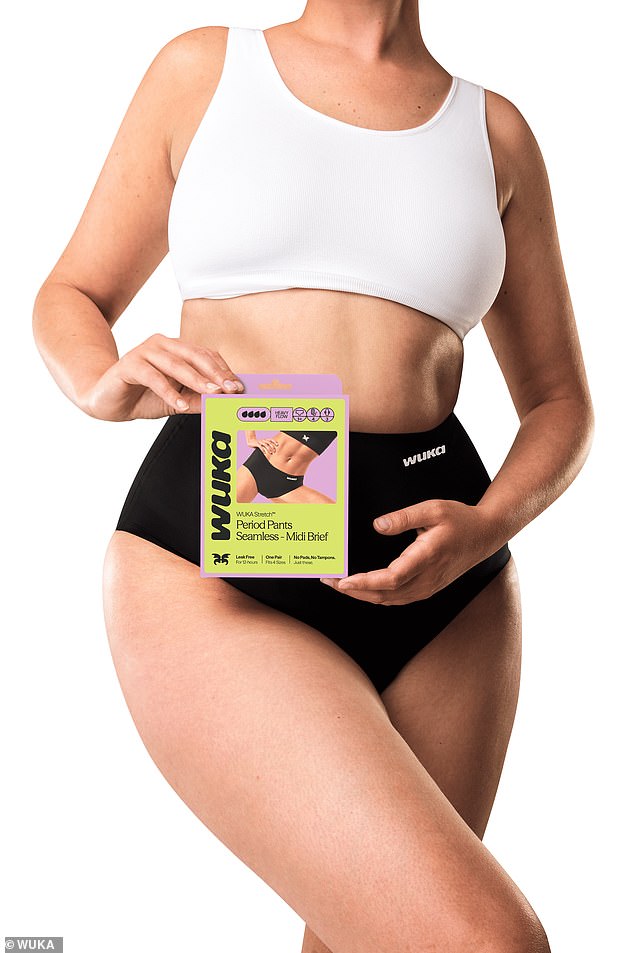
WUKA (Wake Up Kick Ass), an environmental brand that makes reusable period pants, has a turnover of £23million
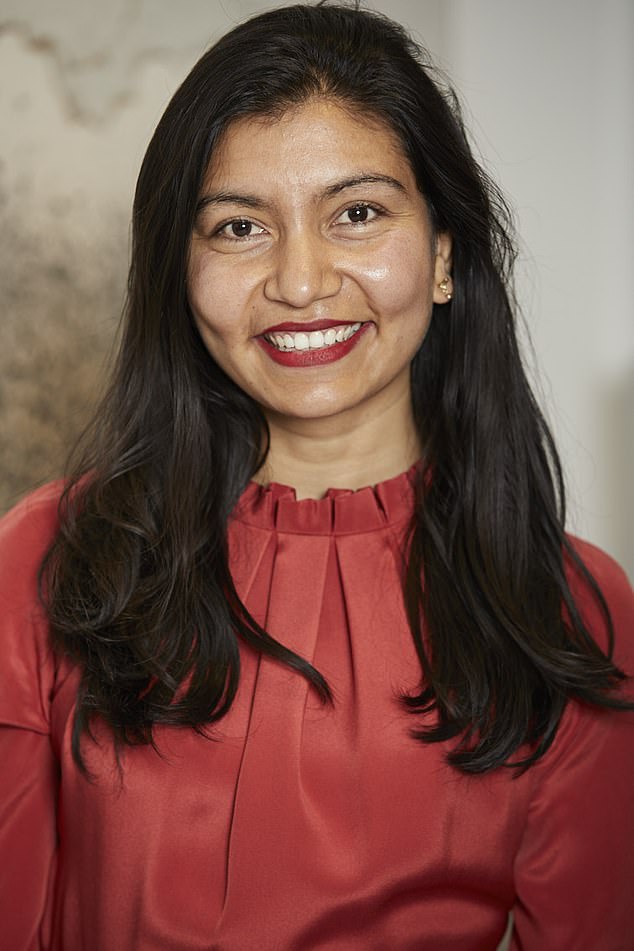
For the first three years of operating WUKA, Ruby wasn’t able to pay herself a salary. ‘For a long time, it was all about survival and belief’
When I was 11, we moved to the plains. My father earned roughly $3 (£2.26) a day and that had to support all of us including my two sisters and grandparents. We had one bedroom, which I shared with my parents, while my sisters slept on a bed in the kitchen.
But my mother never made us feel poor. There was always food on the table and clean clothes. I have good memories of childhood – all down to my wonderful, frugal mother, who could give us all a delicious meal for mere pennies.
My two sisters got married at 20, but I was determined to escape that fate. I’d started university in Nepal but had always been ambitious, so I transferred to a college in London to study health and social care – I’d never even travelled on a plane before.
My visa let me stay and work, so at first I was an au pair and did a lot of cleaning agency work. But I looked on the bright side – I’d tell people ‘I worked at Disney today’ but didn’t say it was in the office mopping floors. Home was a three-bed, one bathroom house shared with 11 or 12 other people. Yes, we slept four to a room.
I met Dave when I was working in a pub, and now we’ve been married for 13 years. He was working as a product director back then and had a ten-year-old son. Stepping into that maternal role was a big moment in my life.
After six months, we moved into a rented place together and for the first time it felt like home – I could have a bath and leave the door open! It sounds like a tiny benefit, but it meant everything to me.
Money was tight, but Dave encouraged me to finish my degree and it was the best decision. I studied environmental science with The Open University, which meant I could work around my reading and essay-writing – whatever it took to contribute to bills and pay off my student debt.
That was when I got a fire in my belly about the lack of sustainability in period products. There are so many plastic-filled tampons and pads which are bad for the environment as well as, in some cases, the women using them.
One day in 2017, I decided to do something about it. I bought an old sewing machine and made a pattern for my period pants. Dave found a manufacturer in Wales and we raised £7,000 in just three weeks on Kickstarter (a crowdfunding platform where people can pre-order products).
Once my idea had been realised, I called every newspaper, magazine, TV and radio station I could think of – and things took off. It’s been hard work, but I love it.
The early years were tough. I didn’t pay myself for nearly three years, even though there was money in the business – I just kept reinvesting. Eventually, I paid myself a £20,000 salary but for a long time, it was all about survival and belief.
Today it’s different – I live a very comfortable life. I’ve also been able to provide financial security to my family in Nepal. But I still have things I want to achieve.
I want to grow the business to £100million turnover. I’d like to invest in more female-founded businesses.
If there’s one thing I’ve learned, it’s this: start before you feel ready. Take the plunge on that idea, that side hustle, that dream you keep putting off. You never know how far it can take you.
As told to Edwina Ings-Chambers