

Alzheimer’s Research UK has listed key potential warning signs to be aware of
06:25, 23 Apr 2026Updated 10:32, 23 Apr 2026

An issue while watching TV could be a warning sign of dementia(Image: Getty)
A symptom that occurs while watching TV could signal dementia, according to experts. This is among several potential warning signs of cognitive decline. Dementia is a syndrome, or collection of symptoms, associated with the progressive deterioration of the brain. As a result, it can lead to memory loss, behavioural changes, and even mobility problems.
Most prevalent in those over 65, its symptoms can easily be mistaken for typical signs of ageing. However, there are methods to differentiate between what is considered normal and what warrants concern.
In an update, Alzheimer’s Research UK explained: “It’s normal for our memory and thinking to slow down as we get older. But for some people, these changes can start to get in the way of day-to-day life.

“Things you normally do without thinking, like using a remote or appliance, start to feel confusing,” Alzheimer’s Research UK said(Image: Getty)
“This can be a sign that something else is going on, rather than just ageing.” However, it emphasised that numerous conditions can also cause memory and thinking difficulties such as menopause, vitamin deficiencies and thyroid problems.
With this in mind, the charity outlined some of the key potential warning signs of dementia to watch for. Experiencing one or two “every now and then” isn’t unusual, it said. “But if you or someone close to you is noticing these changes more often, it may be worth keeping a note in a simple symptom diary,” it continued.
“If you’re worried about any of the symptoms listed below, speak to your GP. They can run some tests to find out what’s causing your symptoms.” Among the warning signs listed was one that could become apparent while watching television. Alzheimer’s Research UK warned that everyday tasks might become “harder than usual”.
This includes finding a TV remote “confusing” to operate. The charity stated: “Things you normally do without thinking, like using a remote or appliance, start to feel confusing.
“What research shows: Diseases like Alzheimer’s can slow how the brain processes information and sequences steps, so routine tasks take longer and feel less automatic.” As a practical example, it noted: “You struggle to use the TV remote you’ve used for years.”
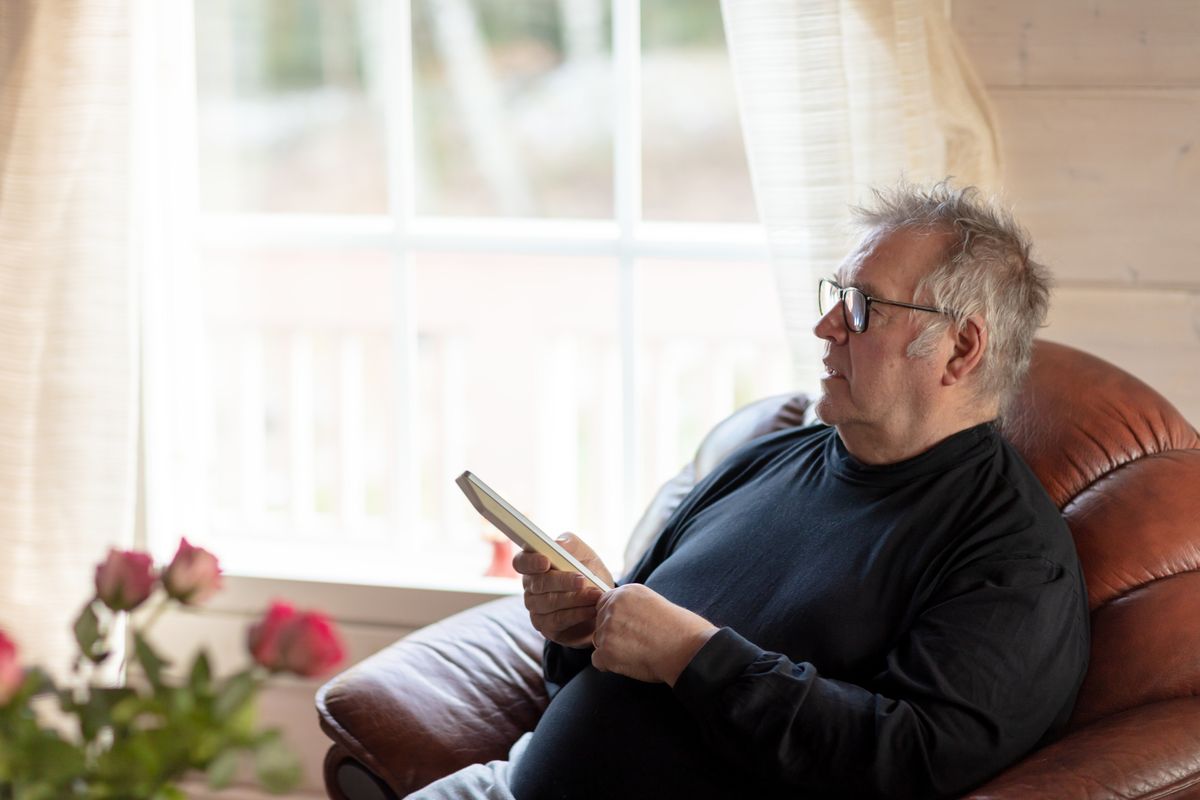
It is thought almost one million people in the UK are living with dementia(Image: Getty)
This is supported by the NHS, which states that “difficulties doing daily activities” could be an indicator of dementia. The health service cautions that symptoms may begin mildly before worsening “very gradually”.
The NHS says: “Dementia is not a natural part of ageing. This is why it’s important to talk to a GP sooner rather than later if you’re worried about memory problems or other symptoms.”
The other warning signs highlighted by Alzheimer’s Research UK were:
Memory problems or forgetting recent events – for example, you arrange to meet a friend, and then forget about this arrangement a couple of hours laterStruggling to plan or solve everyday problems – for example, you’ve paid the same bill online for years, but suddenly can’t work out what to do nextTrouble finding the right words – for example, you point at the kettle and say “the hot thing” instead of the word you wantFeeling confused about time or place – for example, you go to the shop you always use and feel unsure which direction home isChanges in how you see or interpret things – for example, you misjudge a step or kerb you’d normally manage without thinkingPutting things in the wrong place more often – for example, you find your keys in the bathroom cupboard and have no memory of leaving them therePoor judgment or risky decision‐making – for example, you give money to a caller on the phone without checking who they areWithdrawing from social activities – for example, you stop going to your weekly group because following the chat feels too hardChanges in mood, confidence or personality – for example, you feel unusually suspicious of people you trust, even when nothing has changed
Should you or anyone you know show signs of dementia, it is important to consult a GP.