
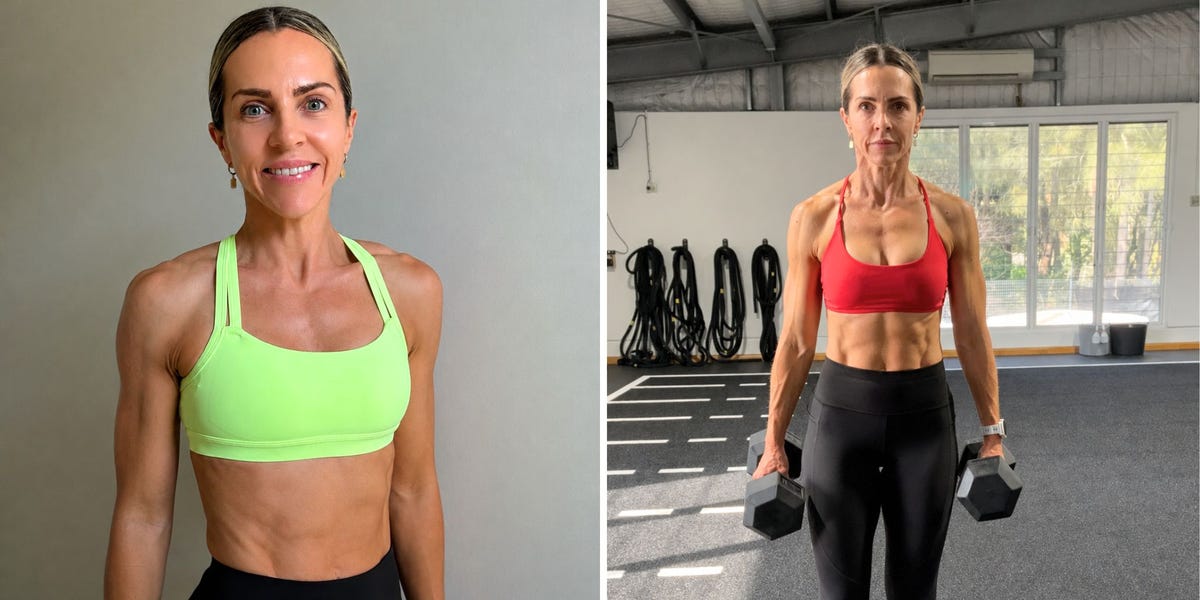
Doctor and mum of 7-year-old twin boys Rewa Keegan says there’s one question she gets asked more than anything else: ‘How did she get toned?’ It’s something we’re often asked for advice on here at Women’s Health, but the term “toned” is technically marketing jargon. It’s impossible to “tone” a muscle; when someone says they want to get toned, what they mean is that they want more defined or visible muscles. To do that, you need to change your body composition by building more muscle and reducing body fat levels to reveal more muscle underneath.
If it sounds hard, Keegan’s story is proof that even with two young children and a busy career, simple changes to your routine can be enough to achieve your goal.
‘I used to chase the short-term aesthetics, and ironically it never worked (probs because I was scared that 5kg pink dumbbells would make me bulky),’ Keegan says on Instagram. ‘What actually worked was [training] for a completely different reason. I want to be a gangster granny. Muscly, ripped, full of life, hiking mountains, beating my grandkids at everything, still running races when I’m eighty. That’s the actual goal. The way I look now is just a nice side effect of training for that.’
One thing that everyone will need is patience. ‘This took years, not weeks or months,’ Keegan adds. ‘And genetics and circumstances are different for everyone; I’m not promising you’ll get this exact result. But the principles hold. Fuel properly, train consistently, tolerate the uncomfortable phase, and recover properly.’
Below, she shares the five things that made a difference – and why.
How to change your body composition after 401.She switched cardio for 1-2 weekly strength sessions
‘I used to do a lot of cardio and group fitness classes. Now it’s one to two dedicated strength sessions a week, plus functional training, and I’m generally active most days, six sessions a week of some mix of cardio and strength.’
2. She switched to a plant-based diet and quit counting calories and macros
‘I started by switching to a plant-based diet, stopped counting calories or macros entirely, and just focused on filling up on whole foods. Protein mattered, but I wasn’t obsessive about it.’
3. She didn’t give up as her weight initially increased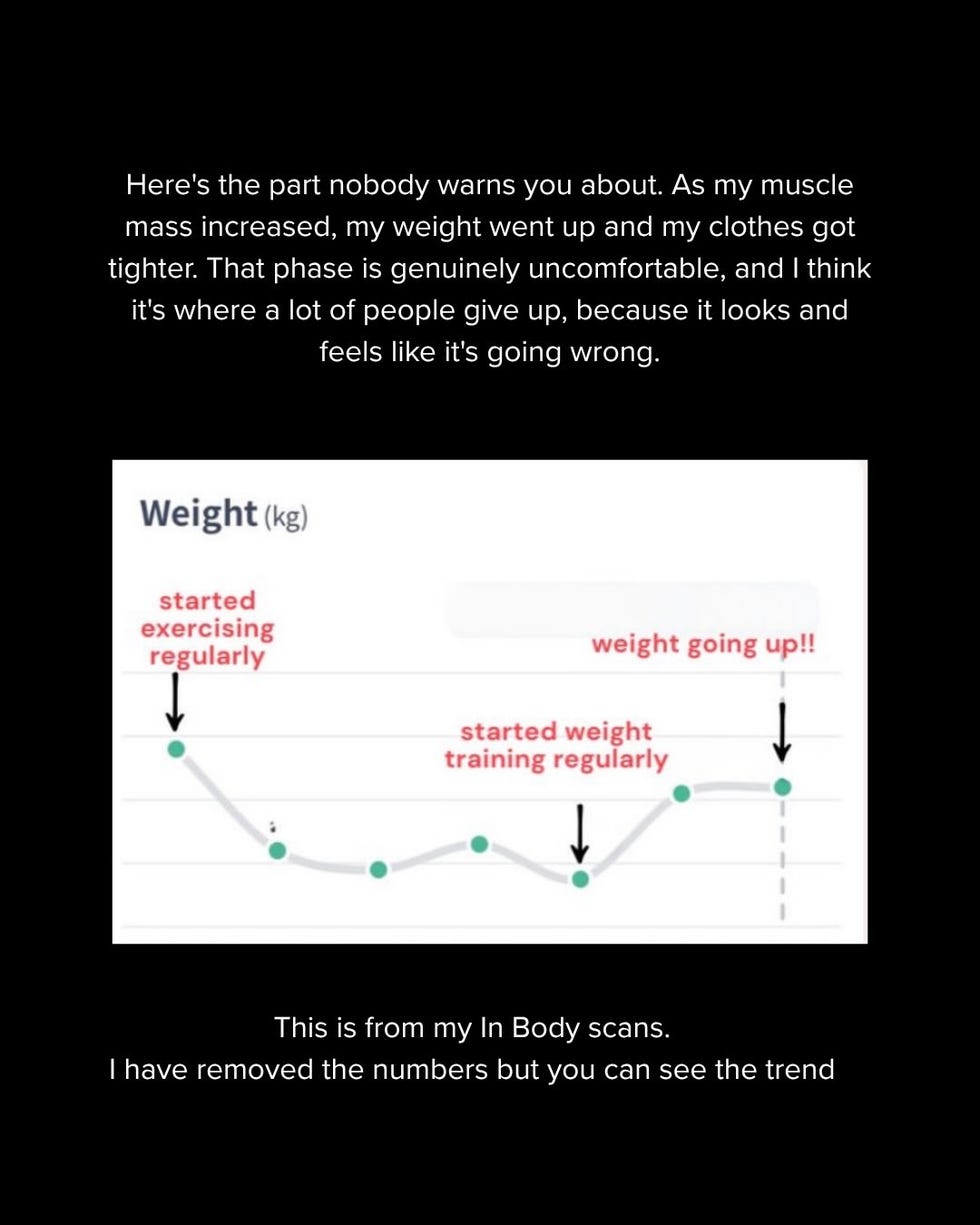 Instagram
Instagram @drrewakeegan
‘As my muscle mass increased, my weight went up and my clothes got tighter. That phase is genuinely uncomfortable, and I think it’s where a lot of people give up, because it looks and feels like it’s going wrong. I wasn’t worried, because I knew exactly why it was happening. Muscle is the organ of longevity. Over the long run, my body fat percentage came down naturally, but that only happened because I let the uncomfortable phase run its course instead of panicking out of it.’
4. She gave up alcohol and focused on recovery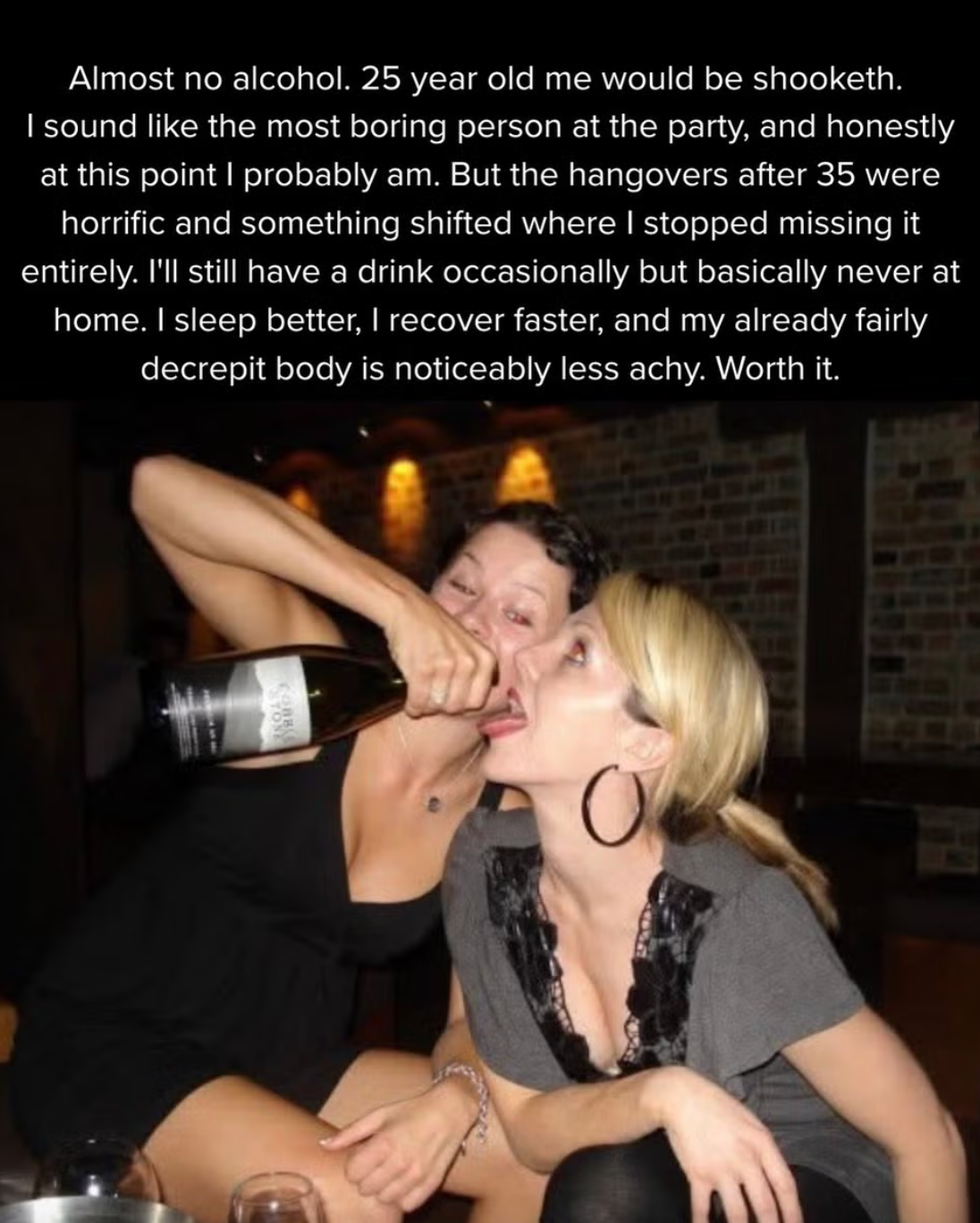 Instagram
Instagram @drrewakeegan
‘Two other things mattered more than I expected. Giving up alcohol removed a lot of empty calories I wasn’t accounting for. And in the last year specifically, recovery has made the biggest difference of anything. I was training hard but under recovering, and muscle is actually built in the recovery, not just the session.’
5. She started supplementing with creatine and protein
‘Two small extras that helped, though I don’t think either is the actual secret. Five grams of creatine daily, which has helped my strength, energy and recovery. And a regular high-quality protein supplement, useful on a plant-based diet where hitting protein targets takes more effort. They added maybe an extra five to ten per cent on top of a programme that was already working.’

As Women’s Health UK’s fitness director and a qualified Pilates and yoga instructor, Bridie Wilkins has been passionately reporting on exercise, health and nutrition since the start of her decade-long career in journalism.
After earning a first-class degree in journalism and NCTJ accreditation, she secured her first role at Look Magazine, where she launched the magazine’s health and fitness column, Look Fit, before going on to become Health and Fitness writer at HELLO!
Since, she has written for Stylist, Glamour, Cosmopolitan, Marie Claire, Elle, The Metro, Runner’s World and Red. Today, she oversees all fitness content across Women’s Health online and in print, spearheading leading cross-platform franchises, such as ‘Fit At Any Age’, which showcases the women proving that age is no barrier to exercise.
She has also represented the brand on BBC Radio London, plus various podcasts and Substacks – all with the aim to encourage more women to exercise and show them how. Outside of work, find her trying the latest Pilates studio, testing her VO2 max for fun (TY, Oura), or posting workouts on Instagram.