

Struggle to unwind? We asked those in high-pressure roles, in which often it really is a matter of life and death, how they meaningfully decompress after a busy day in the clinic.
‘I try to make minimal decisions at home’
Dr Nabila Laskar, consultant cardiologist and specialist in cardiac imaging at St Bartholomew’s Hospital
“As doctors, we can become so accustomed to being needed that rest starts to feel unproductive. I’ve learned not to ‘optimise’ every moment. My working life is highly structured and outcome-driven, so the greatest luxury is sometimes doing something with no measurable purpose at all.
“I use small pockets of recovery rather than waiting for an entirely free evening, because they rarely arrive. Walking slowly, putting my phone away while having a hot drink, sitting in silence, taking 10 quiet minutes before the household wakes up, spending unstructured time with my two daughters. From making all the decisions at work, I make minimal decisions at home and try to go with the flow. That contrast helps me genuinely switch off.”
‘Painting saves me from the intensity of medicine’
Professor Debbie Shawcross, liver specialist and professor of hepatology and chronic liver failure, King’s College London
“To switch off from the intensity of medicine: I paint. I’m a self-taught artist and work mainly in watercolour and acrylics, particularly atmospheric landscapes, skies and cityscapes. There is something wonderfully absorbing about starting with a blank sheet of paper or canvas and having to think only about light, colour and what is immediately in front of me.
“Medicine and academic life are fast-paced, analytical and often dominated by decisions, deadlines and responsibility; painting uses a completely different part of my brain. When I’m painting, I become totally immersed in the moment and the noise of the working day disappears. Creativity gives me the headspace to reset and regain perspective; whether it’s a couple of hours at the weekend or painting plein air somewhere beautiful, it is probably the closest I come to genuine mindfulness.”
Shorts
Scroll to previous short
Scroll to next short

WORLD NEWS
What we know about Philippines ferry fire
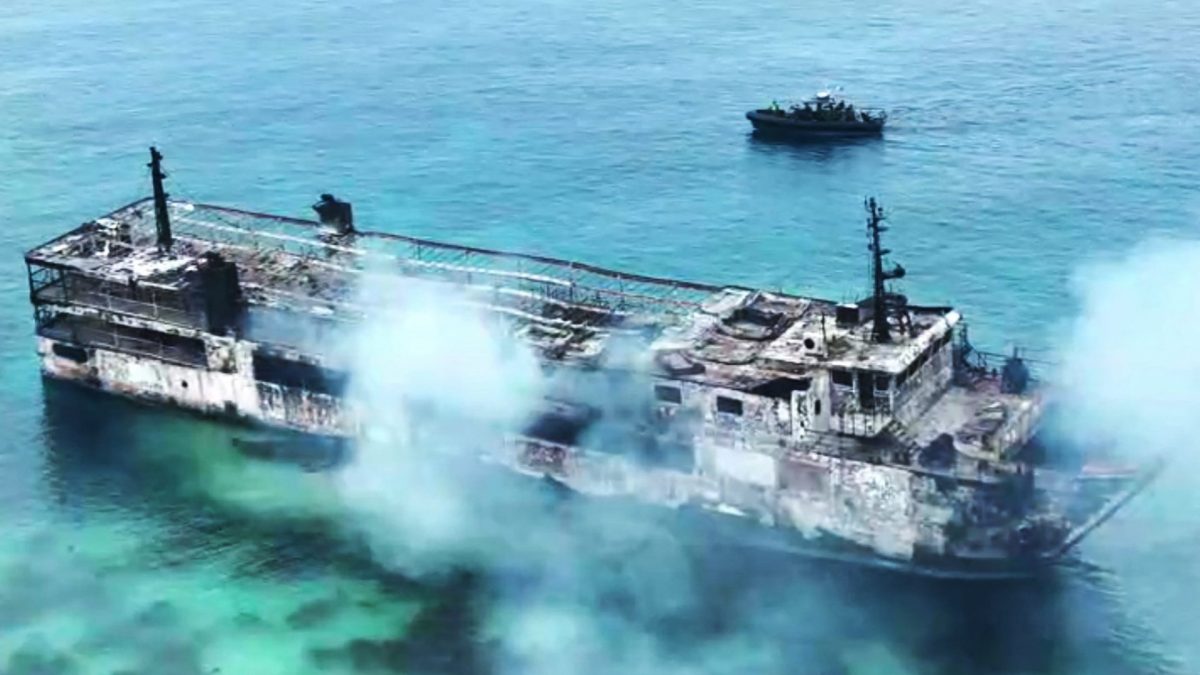 Caption: This screen grab aerial picture from a handout video taken and received from the Philippine Coast Guard (PCG) on September 10, 2026 shows the ruins of a ferry that caught fire off Palawan. At least five people were killed and 86 remain missing after a fire erupted aboard a ferry near a tourist hotspot in the Philippine province of Palawan, the coast guard said on September 10. (Photo by Handout / Philippine Coast Guard (PCG) / AFP via Getty Images) / RESTRICTED TO EDITORIAL USE – MANDATORY CREDIT “AFP PHOTO / Philippine Coast Guard (PCG)” – HANDOUT – NO MARKETING NO ADVERTISING CAMPAIGNS – DISTRIBUTED AS A SERVICE TO CLIENTS
Photographer: HANDOUT
Provider: Philippine Coast Guard (PCG)/AFP
Source: AFP
Copyright: AFP or licensors
At least five people are dead and dozens more were missing on Thursday after a fire broke out on a ferry in the Philippines.
The latest
86 people still missing
The MV June Aster was carrying 117 passengers and 17 crew members from Manlia to tourist resort Coron when it caught fire.
Five people were killed and 86 passengers are still missing, said the Philippines’ coast guard. Some 43 people have been rescued so far.
The fire broke out at 6.45pm local time on Wednesday (11.45am BST) and was still burning by 11am on Thursday but has since been put out.
Rescued after two hours at sea
Some passengers weren’t wearing life vests, said the coastguard. Rescue workers were seen throwing vests to those stranded in the water. One passenger told the BBC he floated for two hours before being rescued.
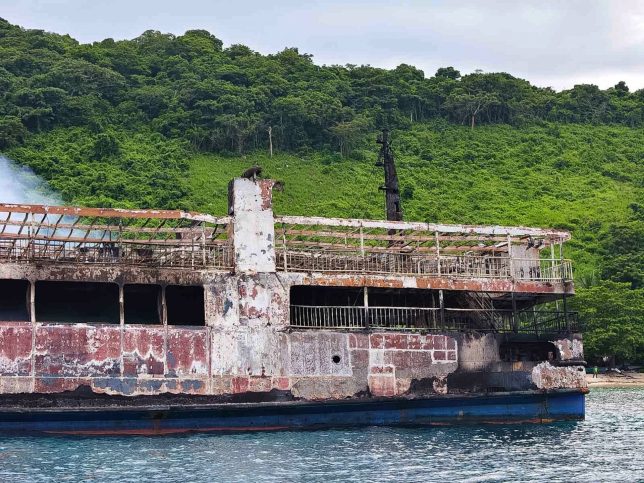 Caption: PALAWAN, PHILIPPINES – SEPTEMBER 10: (—-EDITORIAL USE ONLY – MANDATORY CREDIT – ‘PHILIPPINE COAST GUARD / HANDOUT’ – NO MARKETING, NO ADVERTISING CAMPAIGNS – DISTRIBUTED AS A SERVICE TO CLIENTS—-) The ruins of the ferry MV June Aster are seen following a fire that broke out aboard the ferry, killing at least five people, in waters off Palawan, Philippines, on September 10, 2026. MV June Aster was reportedly carrying more than 100 passengers when the fire broke out aboard the ferry on Wednesday night. Five passengers have been confirmed dead, while more than 80 people remain missing. Search and rescue operations are underway. (Photo by Philippine Coast Guard/Handout/Anadolu via Getty Images)
Photographer: Anadolu
Provider: Anadolu via Getty Images
Source: Anadolu
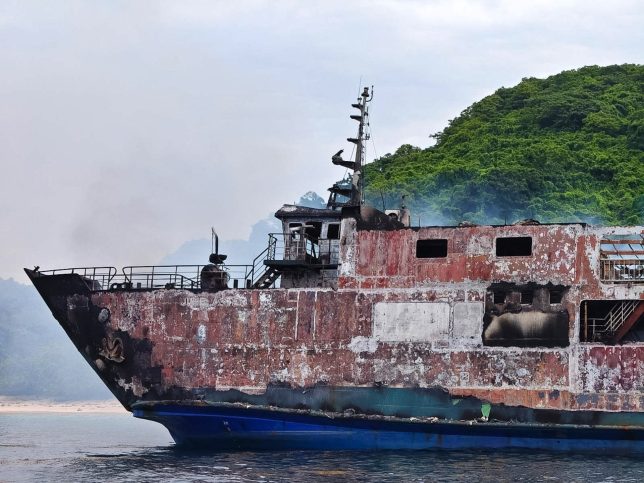 Caption: PALAWAN, PHILIPPINES – SEPTEMBER 10: (—-EDITORIAL USE ONLY – MANDATORY CREDIT – ‘PHILIPPINE COAST GUARD / HANDOUT’ – NO MARKETING, NO ADVERTISING CAMPAIGNS – DISTRIBUTED AS A SERVICE TO CLIENTS—-) The ruins of the ferry MV June Aster are seen following a fire that broke out aboard the ferry, killing at least five people, in waters off Palawan, Philippines, on September 10, 2026. MV June Aster was reportedly carrying more than 100 passengers when the fire broke out aboard the ferry on Wednesday night. Five passengers have been confirmed dead, while more than 80 people remain missing. Search and rescue operations are underway. (Photo by Philippine Coast Guard/Handout/Anadolu via Getty Images)
Photographer: Anadolu
Provider: Anadolu via Getty Images
Source: Anadolu
Families anxiously await news on loved ones, as search and rescue operations continue.
What caused the fire?
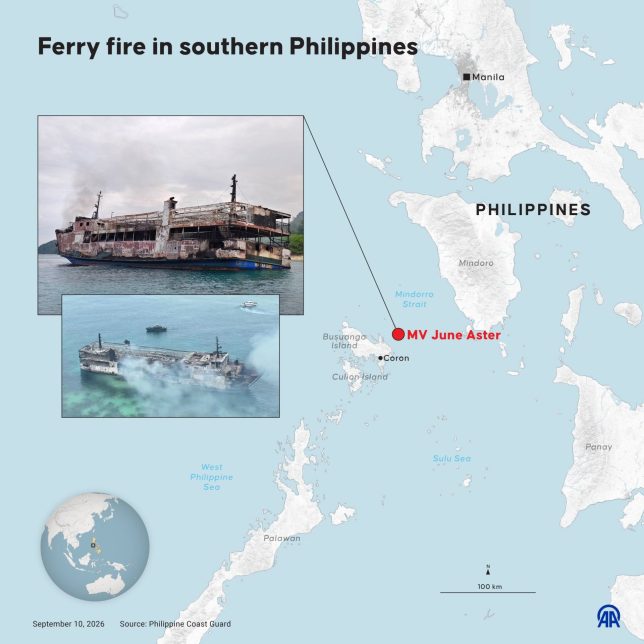 Caption: ANKARA, TURKIYE – SEPTEMBER 10: An infographic titled “Ferry fire in southern Philippines” created in Ankara, Turkiye on September 10, 2026. At least five people are dead and 87 remain missing after a vessel caught fire off the coast of the Philippine province of Palawan. (Photo by Yasin Demirci/Anadolu via Getty Images)
Photographer: Anadolu
Provider: Anadolu via Getty Images
Source: Anadolu
The cause is still to be determined, but coastguard officials said a survivor reported hearing an explosion in the hold area.
Sea accidents are common in the Philippines, a nation of 7,100 islands where ferries offer cheap transport and weather can be severe.
But with 86 missing persons, this incident may end up being among the nation’s most severe.
 Caption: Apple-iPhone-Duo-display-sizes
Image from https://www.apple.com/newsroom/2026/09/apple-unveils-iphone-duo/
TECHNOLOGY
Why Apple’s historic folding iPhone could be a gamble
A foldable iPhone is set to be launched with a UK starting price of £1,999.
The biggest and most expensive smartphone Apple has ever produced, and the most significant design change in iPhone history, it marks a potential risk for the tech giant.
What you need to know
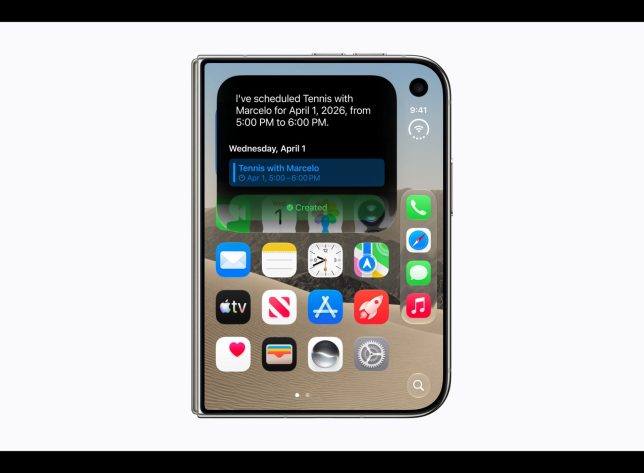 Caption: Apple-iPhone-Duo-Siri-AI
Image from https://www.apple.com/newsroom/2026/09/apple-unveils-iphone-duo/
iPhone Duo cost
The new iPhone Duo is set to cost between £1,999 and £3,199, depending on storage.
Acts as an iPad
Marketed as both a smartphone and a tablet, the screen is 7.6 inches when unfolded.
 The new iPad’s biggest upgrade lies in its front-facing camera (Photo: Richard Drew/AP)
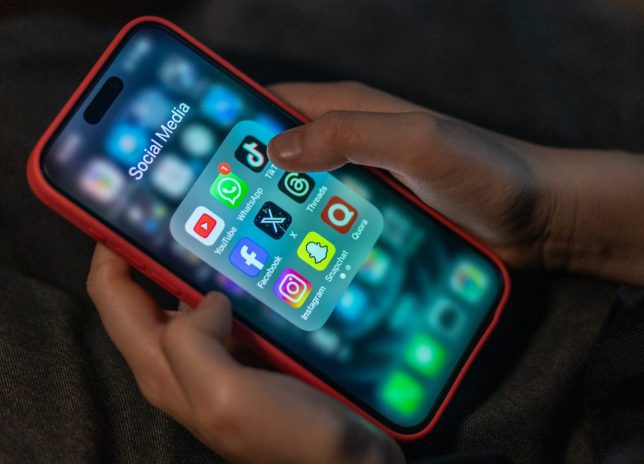 The Government has issued guidance for screen time for under-fives (Photo: Matt Cardy/Getty Images)
Big cost increase
It marks an eye-catching jump in starting price, with previous new iPhone models starting well under £1,000.
More detail on the specs
The iPhone Duo has a folded display size of 5.4 inches.
In its folded state, it is shorter and wider than a traditional iPhone.
When unfolded, it is Apple’s thinnest-ever iPhone.
The unfolded 7.6-inch screen, meanwhile, is just shy of the 7.9-inch display on the first iPad mini.
What do tech experts think?
The iPhone Duo is available for pre-order on 16 October. Market intelligence firm IDC forecasts that Apple will sell 10 million units in the first year, generating £20bn.
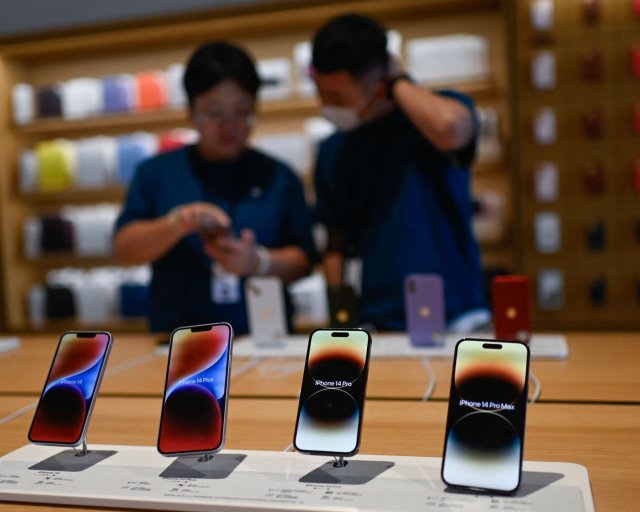 iPhone 14 models are displayed at an Apple store in Beijing (Photo: AFP/Getty Images)
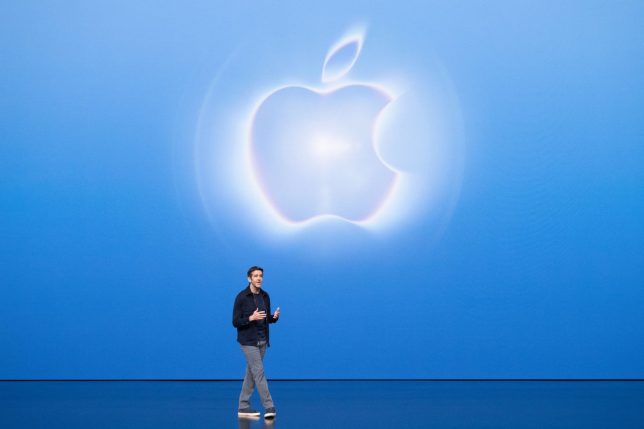 Caption: TOPSHOT – Apple Inc.’s new chief executive officer, John Ternus, speaks during the company’s latest product announcement at an Apple event at the Steve Jobs Theater in Apple Park in Cupertino, California, on September 9, 2026. (Photo by Karl Mondon / AFP via Getty Images)
Photographer: KARL MONDON
Provider: AFP via Getty Images
Source: AFP
Copyright: AFP or licensors
Foldables make up less than five per cent of the smartphone market, but some experts think the iPhone Duo could spark a boom.
Why it could be a gamble
Several of Apple’s rivals, like Samsung and Huawei, are ahead when it comes to foldable phones.
However, John Ternus, Apple’s new chief executive, said the US tech giant was “redefining” the product.
Ternus claimed rival foldables “feel like two phones awkwardly stuck together” while the Duo should offer the smooth feel of iPad.
Still, regular iPhone users would need to adapt to the new style.

2 min read
‘Risks being an ornament’
The foldable risks becoming a premium-priced ornament in the portfolio, imparting badge value but not meaningful growth.
Dipanjan Chatterjee, principal analyst at Forrester Research, told the BBC that the iPhone Duo could flounder like the pricy Vision Pro headset, but may also become a hit like the iPhone adjacent Apple Watch.
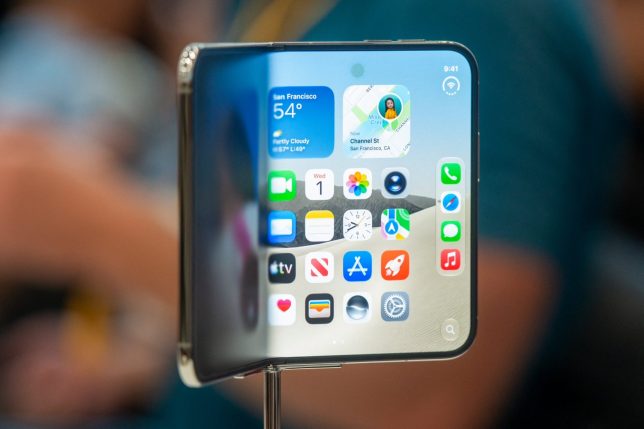 Caption: The new foldable iPhone Duo is displayed during an Apple event at the Steve Jobs Theater in Apple Park in Cupertino, California, on September 9, 2026. Apple unveiled its long-awaited first foldable smartphone, the iPhone Duo, on Wednesday, at the company’s first launch event since CEO John Ternus took the reins on September 1. Apple’s first foldable comes seven years after Samsung pioneered the category, but the American tech giant is expected to take a sizable chunk of the market. (Photo by Karl Mondon / AFP via Getty Images)
Photographer: KARL MONDON
Provider: AFP via Getty Images
Source: AFP
Copyright: AFP or licensors
UK POLITICS
Will mayors’ tourist tax powers have ‘damaging’ effect?
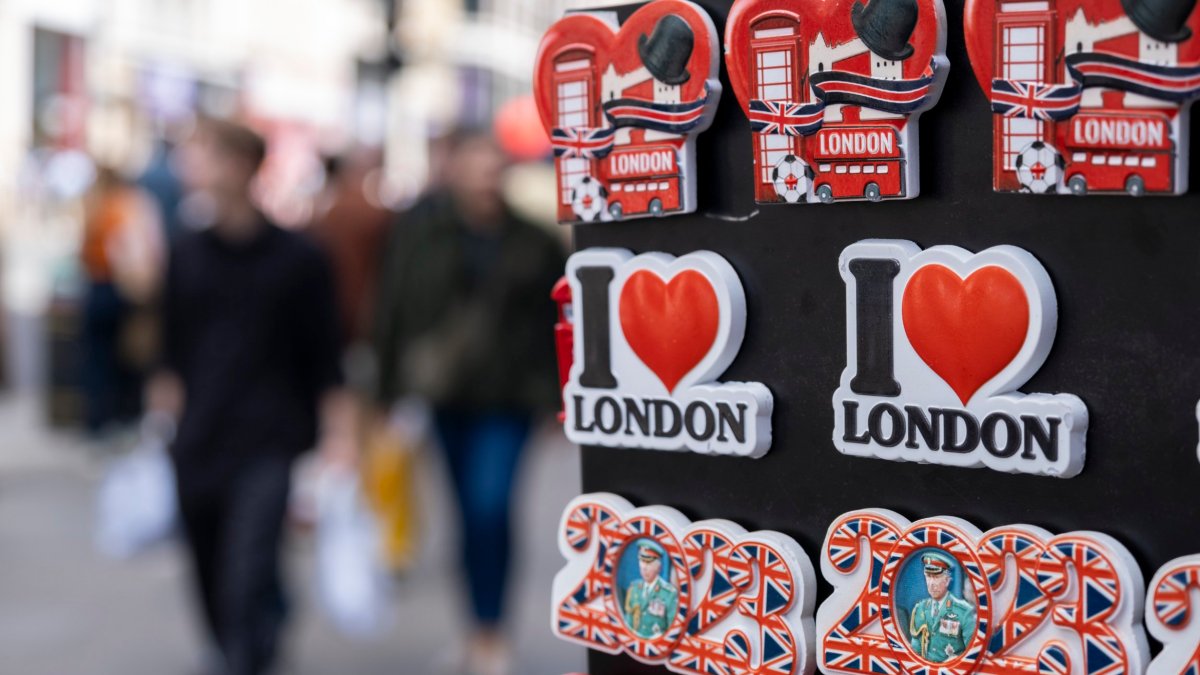 Caption: Tourist souvenir shop selling I Love London fridge magnets on 30th June 2024 in London, United Kingdom. London is one of the worlds leading tourism destinations, with many famous tourist attractions. The city attracts millions international visitors as well as domestic tourists and day-trippers each year. The Travel & Tourism sector in the UK contributes greatly to the economy, with the tourism sector employing some 700,000 people. (photo by Mike Kemp/In Pictures via Getty Images)
Photographer: Mike Kemp
Provider: In Pictures via Getty Images
Source: In Pictures
Copyright: Mike Kemp
Andy Burnham’s Government is setting out plans to give English mayors new powers to introduce a local tourist tax.
What you need to know
Tourist tax for mayors
Plans for a tourist tax for English mayors follow similar schemes introduced in Scotland and Wales.
Charges of a similar nature already exist across Europe, with the revenue used to fund local services.
The levy will be charged to overnight visitors as a percentage of the cost of accommodation, rather than a flat fee.
The levy would have no upper limit – but the Government hopes mayors are unlikely to make it too costly.
It is thought a tourist tax in London won’t be more than five per cent of the cost of accommodation.
Local leaders would decide how to invest the money raised from the levy.
Damaging impact of tourism tax?
Tourism bodies have warned the tax will hit Britons on staycations who are struggling with the cost of living.
UK Hospitality claimed the levy introduced in Edinburgh was “already having damaging effects” and said thousands of jobs in the sector were at risk.
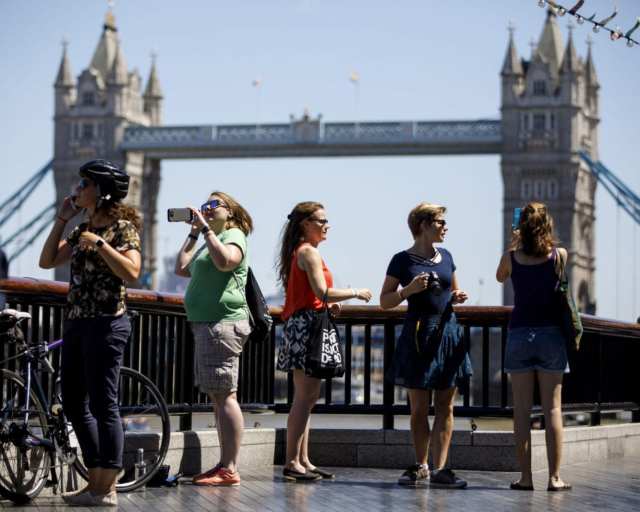 London has been popular with tourists in 2018, thanks to the hot weather. (Photo: Getty)
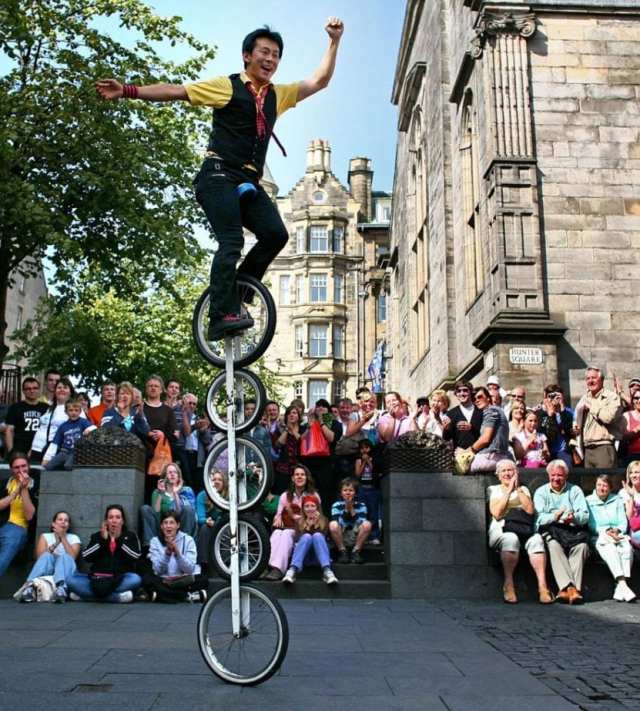 Edinburgh Council is considering a tourist tax to help with the cost of putting on its summer festivals (Photo: Getty)
UK Hospitality wants Burnham to consider a “holiday bonus” instead, with revenues devolved to areas based on visitor numbers.
What the Tories say
Hugely limiting for the chances of young people who might be employed in tourism.
Conservative Shadow Chancellor Andrew Griffith said Labour was trying to prop up “dodgy town hall finances on the back of even higher youth unemployment”.
 The Government is grappling with a youth unemployment crisis (Photo: Paul Ellis/Getty Images)
A Labour Government source said it “will be up to local leaders and local voters to decide what is right for their area”.
No 10 stands firm
Citing independent economic analysis by Oxford Economics, UKHospitality’s chief executive Allen Simpson, said: “The 33,000 people who could lose their jobs as a result of this tax, during an employment crisis, will be rightly furious.
Downing Street has insisted that the “overwhelming majority” of hospitality businesses will not be “directly affected”.
Explained
4 min read
5 min read
 Caption: The 70-meter-long Bayeux Tapestry is displayed during a press preview at the British Museum in London after returning to England, following a historic agreement between the UK and France, Monday, Sept. 7, 2026. (AP Photo/Kin Cheung)
Photographer: Kin Cheung
Provider: AP Photo/Kin Cheung
Source: AP
Copyright: Copyright 2026 The Associated Press. All rights reserved
CULture
‘Penises and nuns’ – The Bayeux Tapestry’s curious history
The legendary woven record of the Norman Conquest has been unveiled to the public in the UK for the first time. As it goes on display at the British Museum, here’s what we know about its extraordinary history.
What you need to know
Back in Britain
The tapestry recording the Norman Conquest of 1066 is back in the UK for the first time in almost 1,000 years.
 Caption: The 70-meter-long Bayeux Tapestry is displayed during a press preview at the British Museum in London after returning to England, following a historic agreement between the UK and France, Monday, Sept. 7, 2026. (AP Photo/Kin Cheung)
Photographer: Kin Cheung
Provider: AP Photo/Kin Cheung
Source: AP
Copyright: Copyright 2026 The Associated Press. All rights reserved
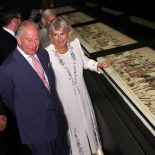 King Charles Queen Camilla and France’s President Emmanuel Macron attend a preview event for the Bayeux Tapestry Exhibition at the British Museum (Photo: Reuters)
Deal with France
It is on loan until September 2027 as part of a special deal between the UK, France and the British Museum.
Medieval wonder
Considered one of the wonders of the medieval world, it offers insight into 11th-century England.
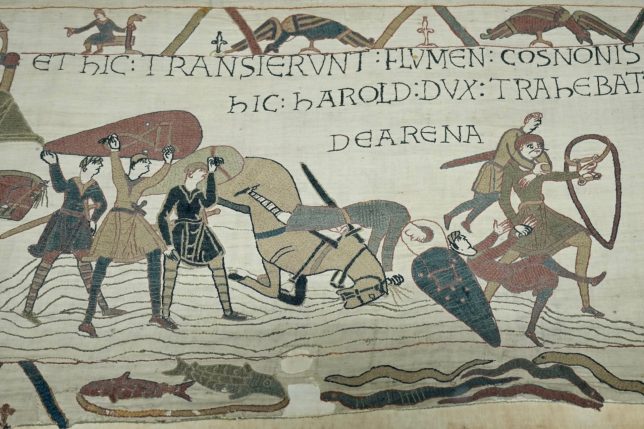
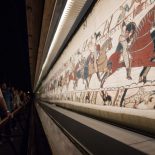 The Bayeux Tapestry which relates Britain’s conquest by William the Conqueror (Guillaume le Conquerant) in 1066 (Photo: LOIC VENANCE / AFP)
Watch more from The i Paper
France is loaning the Bayeux Tapestry to the British Museum for the first time since it was made almost 1,000 years ago – so how can you get tickets? The 70 metre long artwork tells the story of the Norman conquest of England and the Battle of Hastings in 1066. A whopping 80,000 people waited in the online queue for tickets, leaving many disappointed. But for those who missed out, the museum will soon be releasing another batch.
♬ original sound – The i Paper
Tapestry’s curious history
It is believed to have been commissioned by the half-brother of William the Conqueror.
The consensus now is that it was made not in France but by nuns near Canterbury.
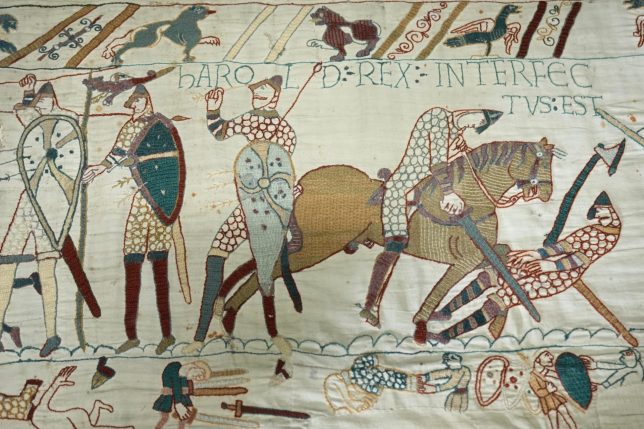
The soldier with the arrow through his eye might not be King Harold, but historians are uncertain.
The tapestry’s famous penises may be random comic irrelevances or commentary on the story.

5 min read
How to get tickets
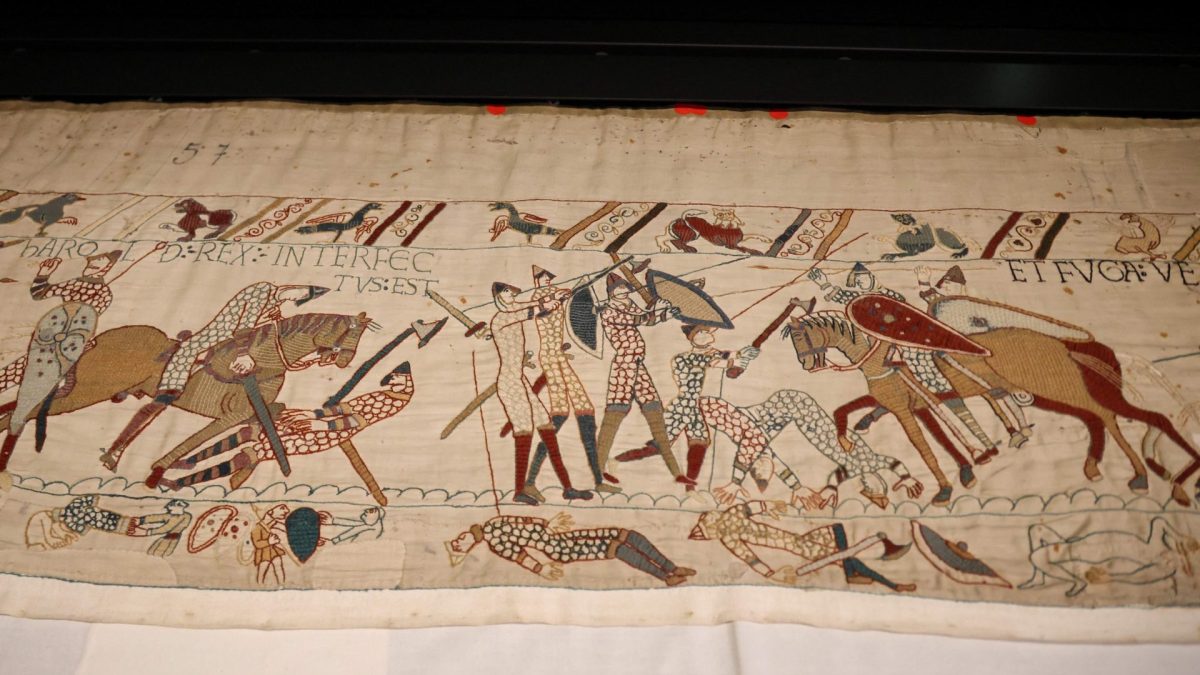 Caption: This general view shows the Bayeux Tapestry on exhibit before the arrival of France’s President Emmanuel Macron as he attends a preview event with Britain’s King Charles III and the British prime minister for the Bayeux Tapestry Exhibition, at the British Museum in London on September 2, 2026. (Photo by Ludovic MARIN / POOL / AFP via Getty Images)
Photographer: LUDOVIC MARIN
Provider: POOL/AFP via Getty Images
Source: AFP
The tapestry is on show at the British Museum from 10 September until 11 July 2027.
Tickets are sold out until a release on 21 October, with details on the museum’s website.

2 min read
 Caption: A pharmacist taking inventory of medications on the shelves of a pharmacy.
Photographer: Catherine Delahaye
Provider: Getty Images
Copyright: POUR TOUTE UTILISATION:catherinedelahaye@hotmail.com/0687456797
HEALTH
The new illnesses pharmacists can treat under NHS scheme
Pharmacists will be able to treat people with migraines, acne and several other conditions as the NHS’ “Pharmacy First” scheme is expanded this autumn.
What you need to know
 Caption: Pharmacist handing customer prescription in drug store
Photographer: Witthaya Prasongsin
Provider: Getty Images
Source: Moment RF
Copyright: witthaya_prasongsin
Pharmacy scheme
The NHS scheme allows people to receive care for common illnesses from pharmacists without seeing a GP.
New conditions
From autumn, people can get help for acne, migraines, scabies, certain ear infections and allergic rhinitis.
 Caption: Portrait of Asian woman worry about her face when she saw the problem of acne inflammation and scar by the mini mirror.
Photographer: Arisara_Tongdonnoi
Provider: Getty Images
Source: E+
 Caption: File photo dated 29/12/21 of a pharmacy sign on a shop in London. Letting people access a treatment which reduces the risk of catching HIV through pharmacies could be a “game-changer” in the fight against the virus, experts have said. In England most PrEP (pre-exposure prophylaxis) is accessed through sexual health services. But a report by the Terrence Higgins Trust highlights how delivering the treatment via community pharmacies would widen access to the treatment. Issue date: Thursday January 1, 2026. PA Photo. Photo credit should read: James Manning/PA Wire
Photographer: James Manning
Provider: James Manning/PA Wire
Source: PA
Expanded offering
It adds to the seven conditions pharmacies can already treat.
The changes in full
Pharmacies can already treat seven conditions under the Pharmacy First scheme.
They are impetigo, infected insect bites, shingles, sinusitis, earache, sore throat and urinary tract infections.
Once fully rolled out, the scheme’s expansion means pharmacies will now be able to treat 12 conditions.
What the NHS says
The NHS expects between two and three million consultations for the new list of five conditions that can be held in pharmacies. It is hoped this will take pressure off the NHS.
Dr Amanda Doyle of NHS England said people can get treatment “quickly and conveniently on local high streets”.
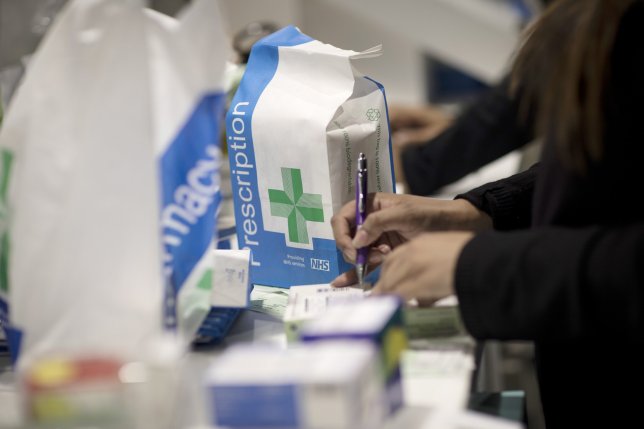 The National Pharmacy Association said it remains to be seen if new Government funding will start to reverse years of closures (Photo: Simon Dawson/Bloomberg)
Exclusive
2 min read
Burnham’s thoughts
People are fed up with the scramble for routine appointments
The Prime Minister Andy Burnham said: “Treating people closer to home means catching problems earlier, easing pressure on GPs and A&E and giving people back precious time.”
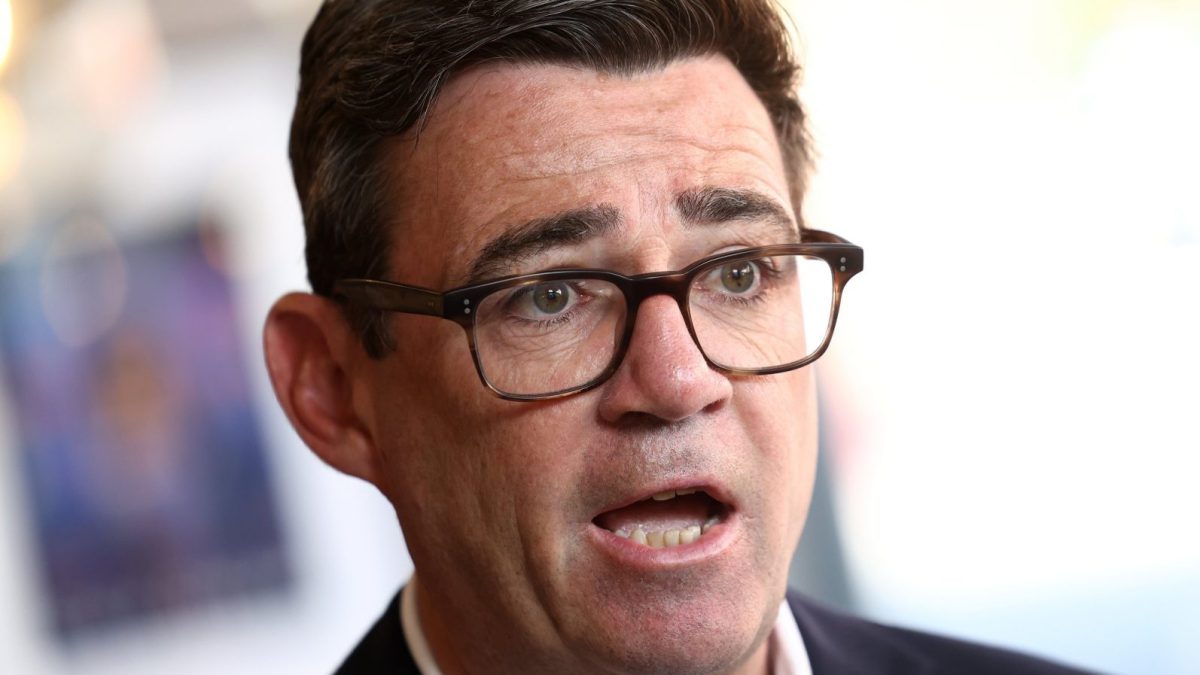 Burnham (Photo: Getty)
Hospital waiting lists spike
It comes as the waiting list for routine hospital treatment in England has risen to its highest level for nine months. An estimated 7.33 million treatments were waiting to be carried out at the end of July, relating to 6.21 million patients, according to NHS figures. The numbers are the highest since October 2025, when the list stood at 7.40 million treatments and 6.24 million patients.
3 min read

3 min read
CLIMATE CHANGE
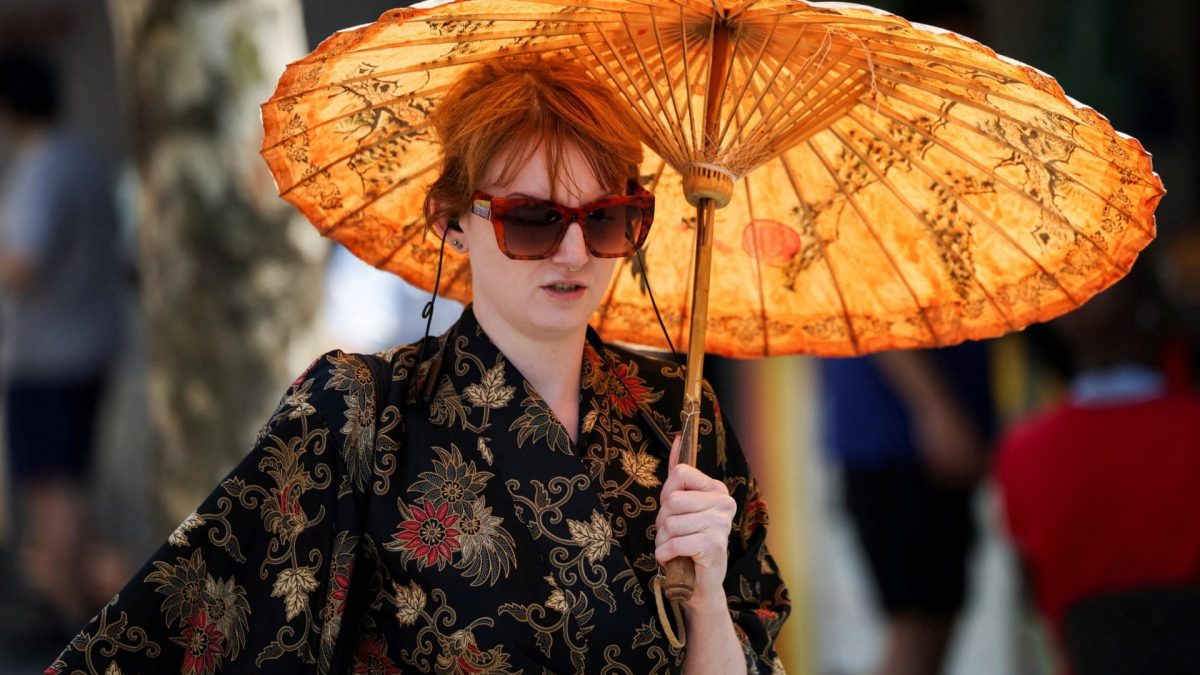
August was world’s joint hottest month on
 (Photo: REUTERS)
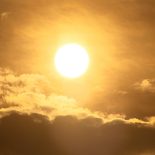
August was the joint hottest month ever recorded, with global temperatures soaring 1.65°C above pre-industrial times.
Scientists say it is another “warning siren” for climate change. Here’s what you need to know.
What you need to know
 Caption: Global warming, Global boiling, El Nino, La Ni??a from the climate crisis and the catastrophic heatwave, Climate change, the sun and burning Heatwave hot sun, Extreme weather
Photographer: chuchart duangdaw
Provider: Getty Images
Source: Moment RF
Record temps
August 2026 tied July 2023 for the planet’s hottest month on record, according to the EU’s Copernicus Climate Change Service.
Fossil fuels impact
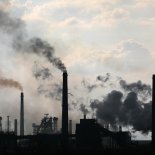
Last month was 1.65°C above the average for the period 1850-1900, before humans burned fossil fuels at scale.
 Caption: Sofia, BULGARIA: TO GO WITH AFP STORY “Bulgaria’s biggest industrial polluters struggle to meet EU eco norms” Chimneys of the largest metal working company in Bulgaria, a former symbol of communist-era – “Kremikovtzi” is seen smoking during sunset, in the capital Sofia, 30 September 2006. AFP PHOTO / VALENTINA PETROVA (Photo credit should read VALENTINA PETROVA/AFP/Getty Images)
Photographer: VALENTINA PETROVA
Provider: AFP/Getty Images
Source: AFP
Copyright: 2006 AFP
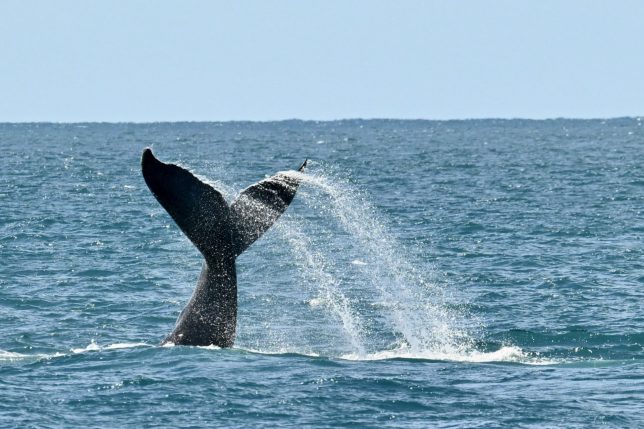 Caption: The tail of a humpback whale (Megaptera novaeangliae) surfaces out of the Atlantic Ocean at the Abrolhos Archipelago, Bahia State, Brazil on August 19, 2026. (Photo by Evaristo Sa / AFP via Getty Images)
Photographer: EVARISTO SA
Provider: AFP via Getty Images
Source: AFP
Copyright: AFP or licensors
Warmer seas
Sea surface temperatures hit 21.07°C, a joint high mark with March 2024.
The impact of record heat
Heatwaves in August continued a run of extreme heat that began in May, with severe drought hitting the UK, France, Hungary and Serbia. Major rivers from the Rhine to the Danube saw exceptionally low flows.
Under 2015’s Paris Agreement, countries agreed to limit global warming to “well below” 2°C above pre-industrial levels.
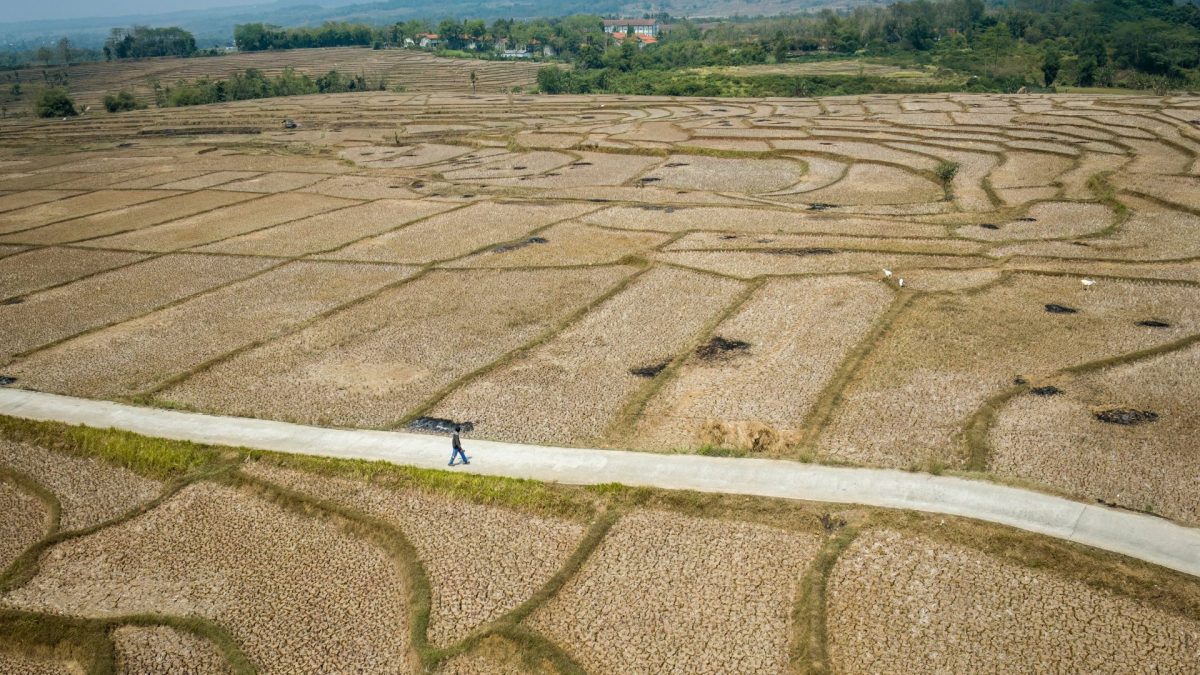 Caption: This aerial picture shows a villager walking between dried-up rice fields with cracked soil caused by a prolonged dry season at Wening Galih village in Bogor, West Java on August 28, 2026. The drought in the region has lasted for the past three months. (Photo by ADITYA AJI / AFP via Getty Images)
Photographer: ADITYA AJI
Provider: AFP via Getty Images
Source: AFP
Copyright: AFP or licensors

3 min read
What the scientists say
Samantha Burgess, strategic lead for climate at ECMWF, said the latest temperature data shows how “climate change is driving extremes across both the atmosphere and the oceans”.
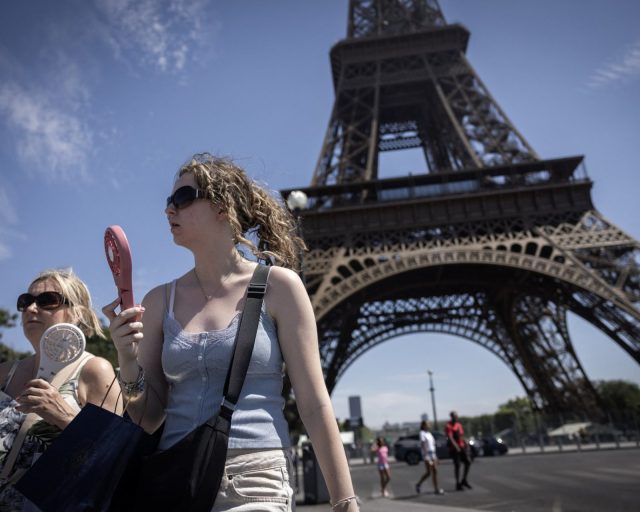 Caption: Women use electric fans to cool off during a heatwave in Paris on July 10, 2026. (Photo by Behrouz MEHRI / AFP via Getty Images)
Photographer: BEHROUZ MEHRI
Provider: AFP via Getty Images
Source: AFP
Copyright: AFP or licensors
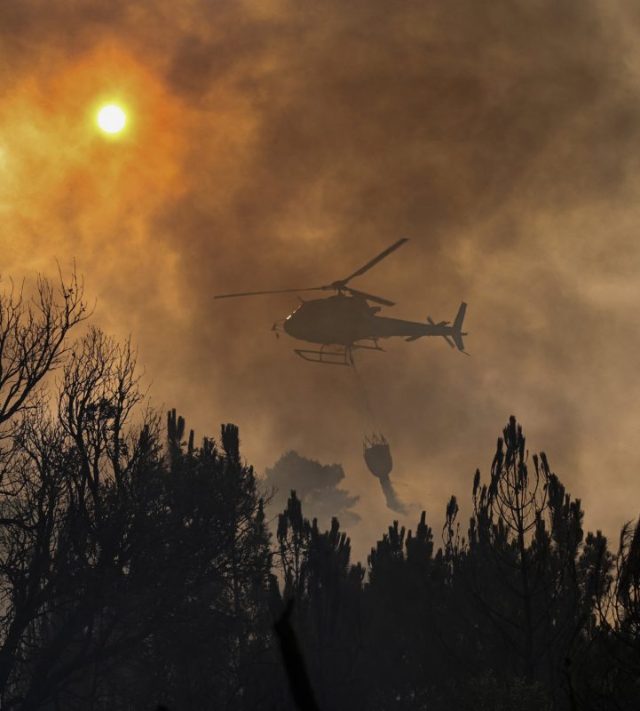 A firefighting helicopter drops water over a wildfire near the village of Larouco, in the province of Ourense, north-western Spain (Photo: Miguel Eiropa/AFP)
Gareth Redmond-King, of the Energy and Climate Intelligence Unit, said a “warning siren” was sounding two months before the COP 31 summit.
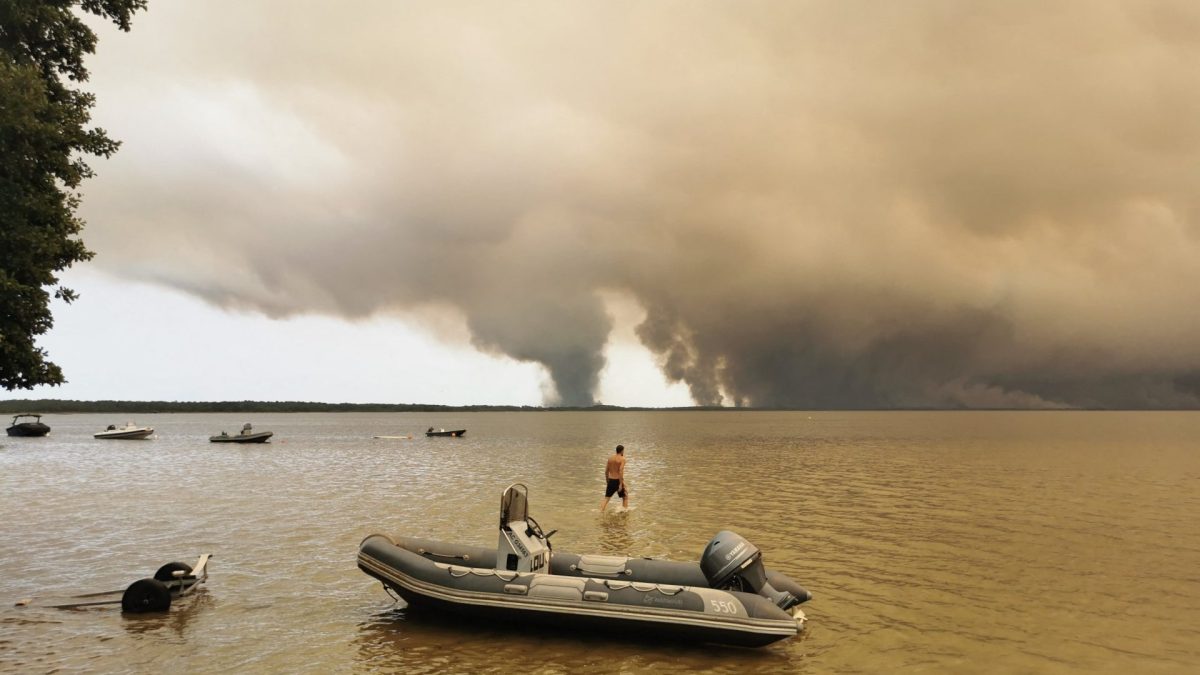 Caption: CORRECTION / A beachgoer walks in Lake Lacanau, also called Etang de Lacanau (Lacanau Pond) from the beach of Moutchic in Lacanau, southwestern France on July 24, 2026, as clouds of smoke rise into the sky from a wildfire. The fire raging in the northern part of the Arcachon Basin in Gironde, southwest France, has swept through more than 3,400 hectares, according to the latest figures released by the prefecture. More than 20,000 residents and tourists have been evacuated from this part already devastated by flames in 2022. Scientists have long warned that climate change caused by human use of fossil fuels will make periods of drought more intense and longer-lasting, creating the ideal conditions for wildfires. (Photo by Maximilien LAMY / AFP via Getty Images) / “The erroneous mention[s] appearing in the metadata of this photo by Maximilien LAMY has been modified in AFP systems in the following manner: [Lake Lacanau] instead of [the ocean]. Please immediately remove the erroneous mention[s] from all your online services and delete it (them) from your servers. If you have been authorized by AFP to distribute it (them) to third parties, please ensure that the same actions are carried out by them. Failure to promptly comply with these instructions will entail liability on your part for any continued or post notification usage. Therefore we thank you very much for all your attention and prompt action. We are sorry for the inconvenience this notification may cause and remain at your disposal for any further information you may require.”
Photographer: MAXIMILIEN LAMY
Provider: AFP via Getty Images
Source: AFP
Copyright: AFP or licensors
GO DEEPER ON THIS TOPIC
How El Niño could impact UK weather
The United Nations says the world is in a “danger zone of extreme weather”, with warnings that aeroplane turbulence and food shortages could affect Britons.
How hot drinks can raise cancer risk
Frequently consuming drinks at very high temperatures increases the risk of oesophageal cancer – cancer of the food pipe or gullet – UK research suggests.
 Caption: Close-Up of Coffee Cup on Table Against Landscape Scenery Mountain Hill Background.
Photographer: KDP
Provider: Getty Images
Source: Moment RF
A three times higher chance
The study, from Oxford Population Health at the University of Oxford, included nearly a million people and found those who drank “very hot” drinks had about a three times higher risk of oesophageal cancer.
Hot liquid may damage the cell lining of the food pipe as it travels down to the stomach, which could increase the risk of cancer developing, though the overall risk is low.

Analysis
3 min read

3 min read
news
How hot is too hot?
 Caption: A woman pours boiling water into a white mug from a silver kettle.
Photographer: Catherine Falls Commercial
Provider: Getty Images
Source: Moment RF
The research, published in the International Journal of Cancer, did not record the temperature of drinks. But the International Agency for Research on Cancer has classified drinking beverages above 65°C as “probably carcinogenic”.
Drinking six or more hot beverages a day also increases the risk, data from 977,282 middle-aged men and women in this latest study shows.
A rare cancer
The researchers said that one or two in every 10 oesophageal cancers could be avoided if people stopped consuming hot drinks.
The cancer is rare, though, with only around 1 per cent of the UK population at risk of being diagnosed with this type of cancer.
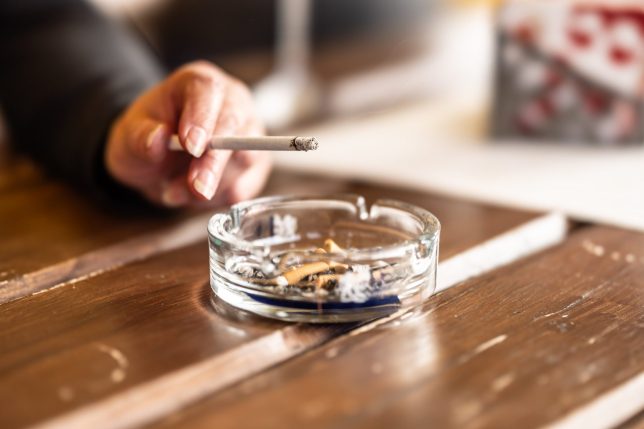 Caption: Smoker’s hand holding a burning cigarette and flicking the ash into an ashtray
Photographer: SimpleImages
Provider: Getty Images
Source: Moment RF
Other factors, such as smoking, pose a comparatively bigger risk for developing oesophageal cancer.
What to do
Letting drinks cool down before drinking or adding cold milk can negate the risk, experts agreed.
Researchers said the temperature at which coffee and tea is drunk in Western populations is estimated to be around 60°C.
“More research is needed to identify the exact drink temperatures linked to increased risk,” the researchers added.

Explained
3 min read
news
How the King’s pointed letter ‘surprised’ Harry and Meghan
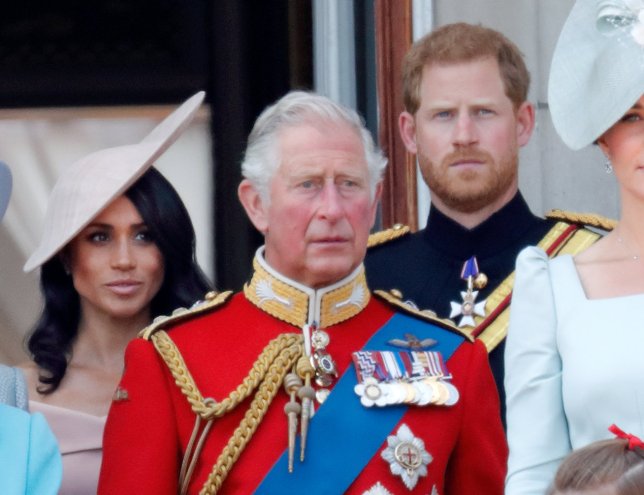 Caption: LONDON, UNITED KINGDOM – JUNE 09: (EMBARGOED FOR PUBLICATION IN UK NEWSPAPERS UNTIL 24 HOURS AFTER CREATE DATE AND TIME) Meghan, Duchess of Sussex, Prince Charles, Prince of Wales and Prince Harry, Duke of Sussex stand on the balcony of Buckingham Palace during Trooping The Colour 2018 on June 9, 2018 in London, England. The annual ceremony involving over 1400 guardsmen and cavalry, is believed to have first been performed during the reign of King Charles II. The parade marks the official birthday of the Sovereign, even though the Queen’s actual birthday is on April 21st. (Photo by Max Mumby/Indigo/Getty Images)
Photographer: Max Mumby/Indigo
Provider: Getty Images
Source: Getty Images Europe
Copyright: 2018 Max Mumby/Indigo
The Duke and Duchess of Sussex were “surprised” by the release of a letter on behalf of King Charles this week clarifying their status as “akin to private citizen”, according to a spokesperson for the couple.
Here’s what we know.
No titles, little warning
A top Buckingham Palace official sent the letter to military officials and Government departments on Monday.
It stated that as non-working royals, the Sussexes will not use the titles of “His and Her Royal Highness”.
The couple “were a little surprised not to have been told about this in advance,” their spokesperson said.
Their team was still seeking guidance when it was released, The i Paper understands.

2 min read
No chance for clarification
The Sussexes did not have enough time to clarify any points before the guidance was issued to the media, it is understood.
The letter’s contents were reportedly shared with their team at 1:59pm.
Team Sussex replied to Buckingham Palace at 2:19pm, seeking clarification on one or two points.
The letter was revealed to the media at 3:06pm on Monday.
Harry was in a meeting and could not be contacted until 3:09pm.
Team Sussex received confirmation at 3:11pm that the letter had been sent to the media.
Why are the titles important?
The reference to the HRH title was seen as an attempt to slap the Sussexes down amid concerns that the couple may want to monetise their royal status, including via Meghan’s lifestyle products brand, As Ever.
The title was seen in a video Meghan posted accompanying a podcast last year.
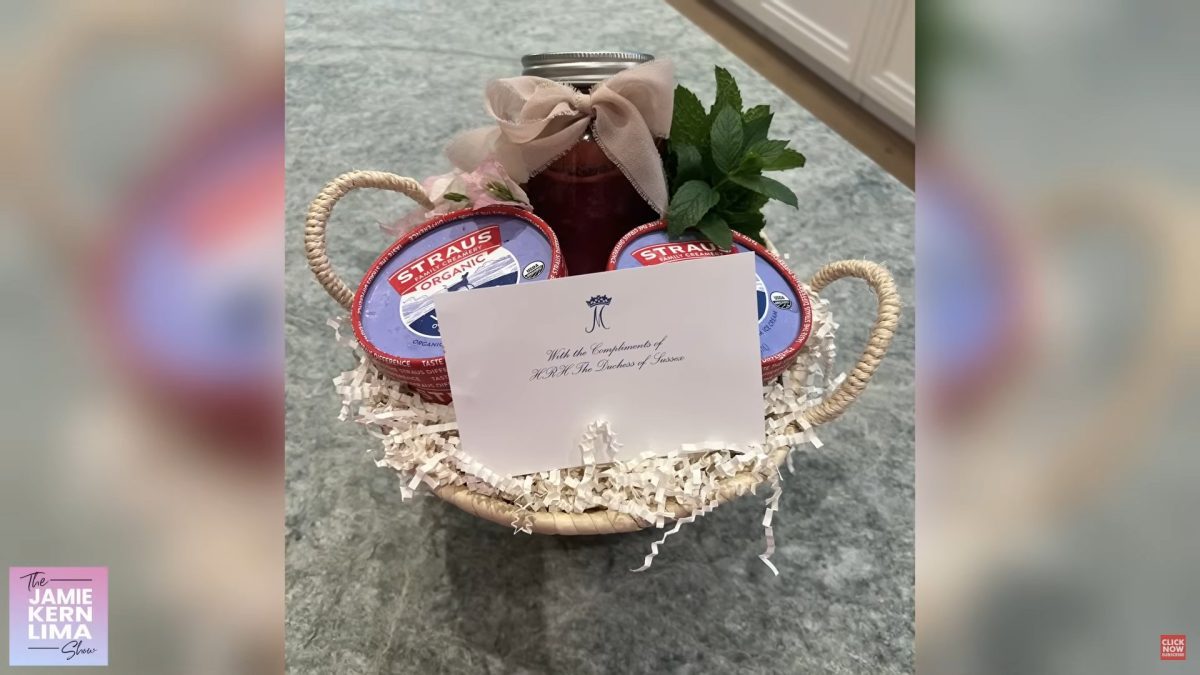 (Photo: Screen grab from YouTube
https://www.youtube.com/watch?v=hSWpaFRvX6k&list=PLDJbQZ-ucVcRaFqFPzNSYVesCraSw3qM_&index=1)

3 min read
Watch more from The i Paper
Opinion | “Is it a slap-down? Is it a mere clarification?,” writes Jennie Bond. “Whatever the interpretation, the letter issued by Buckingham Palace underlining that Harry and Meghan are not working royals is the result of the King firmly taking charge of the agenda where the Sussexes are concerned.” Read Jennie’s full piece on @theipaper website.
♬ original sound – The i Paper – The i Paper
Harry, a ‘private citizen’?
The letter clarified that “in short, their position is akin to private citizens with commercial and charitable interests”.
But a friend of the couple previously told The i Paper that Harry, as the King’s son, could never be an entirely private citizen.
“Some people will say, ‘But they’re private citizens.’ Nonsense. Utter nonsense. They are two of the most high-profile people in the world,” the friend added.
‘Charles in charge’
Not a quiet word in your ear, not a private memo; no, this was a formal, blunt statement of fact sent to Harry on his father’s orders. Ouch! There is to be no doubt: the King is not going to be bounced into accepting any change in the Sussexes’ status just because they have chosen to return to the UK.

3 min read
4 min read
No ‘half in, half out’ option
Charles and Prince William are said to be worried that family members doing business deals alongside official duties for the state opens themselves up to the sort of abuse of position accusations facing the King’s brother, Andrew Mountbatten-Windsor.
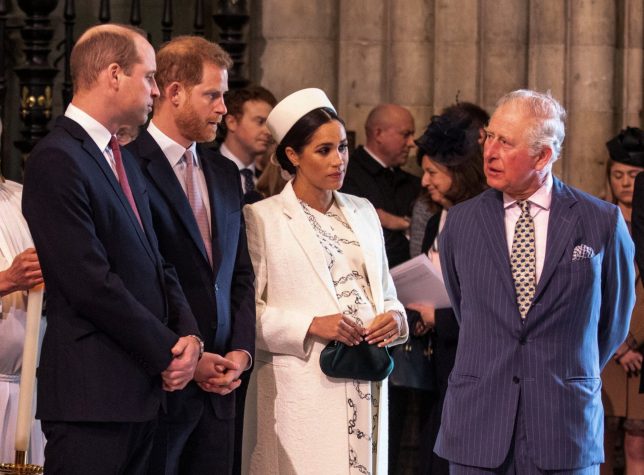 Meghan, Duchess of Sussex and Prince Harry attend a Commonwealth Day service with King Charles and Prince William at Westminster Abbey. The Sussexes’ return to the UK last month came as a surprise (Photo: Richard Pohle/AFP)
This led to them clarifying that Harry and Meghan won’t be attending state functions or official engagements.
Who will fund the Sussexes’ security?
The couple returned to the country for what they called an extended period on 26 August, after quitting royal duties in 2020. Their children have reportedly been enrolled in English schools.
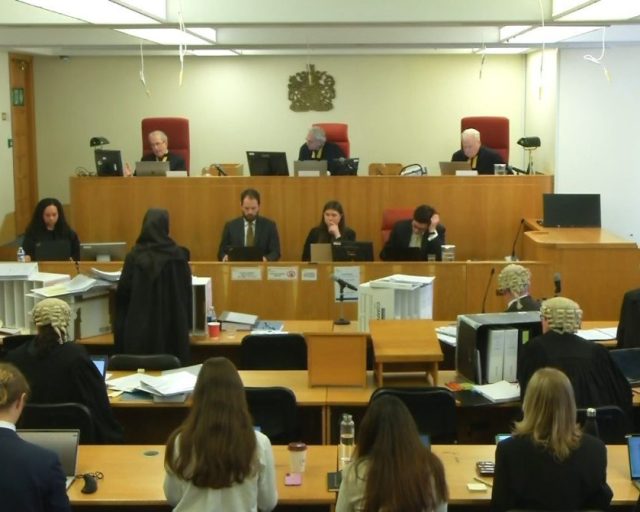 Caption: Screen grab taken from PA Video of a general view during the hearing at the Royal Courts of Justice, central London, of the Duke of Sussex’s appeal against a High Court ruling on his legal claim against the Home Office over the level of security he receives while he is in the UK. Picture date: Tuesday April 8, 2025. PA Photo. Harry took legal action against the Home Office over the February 2020 decision of the Executive Committee for the Protection of Royalty and Public Figures (Ravec) that he should receive a different degree of taxpayer-funded protection when in the country. See PA story COURTS Sussex. Photo credit should read: PA Video/PA Wire
Photographer: PA Video
Provider: PA Video/PA Wire
Source: PA
 Five police officers have been suspended after a member of public found the bag of guns (Photo: Lawrey Anstis/Getty Images/iStock Editorial)
The row over who will pay for their security is ongoing, with the couple currently paying for it but lobbying the Royal and VIP Executive Committee (Ravec) – which is set to meet this week – for taxpayer-funded police protection.
‘I give myself several minutes of slow breathing’
Dr Francesco Lo Monaco, consultant and preventive cardiologist and author of ‘Heart Saviour‘
“Doctors are often good at prescribing recovery while treating it as optional for themselves. As a cardiologist, I can finish the day still mentally replaying decisions and conversations, so switching off requires a deliberate transition rather than simply arriving home.
“I grew up in Sicily, where mornings began with a walk and evenings often ended around the table with family. A quiet walk without [my] phone gives me a physical boundary between the intensity of the clinic and the rest of my life. I also write down anything that requires action before I finish work. The brain tends to keep rehearsing unfinished tasks because it is afraid they will be forgotten. Putting them somewhere allows me to say, ‘This has been captured; I do not need to solve it tonight.’
“At home, an unhurried meal and conversation are more restorative to me than passive distraction. I try not to eat while answering emails or carry my phone from room to room. Being present with other people is often what breaks the work mindset most effectively.
“After a particularly stressful day, I avoid trying to counter one form of intensity with another. A punishing late workout or ice bath may add further stimulation when the nervous system is already highly activated. Gentle movement and several minutes of slow breathing – with a slightly longer exhalation than inhalation – help create a more genuine physiological downshift. I protect sleep as I would protect an important appointment. Devices stay away from the bed, the room is kept quiet and I try to maintain a consistent schedule.”
‘I love hiking and powerlifting’
Dr Lamia Zafrani, consultant obstetrician and gynaecologist
“Powerlifting is the closest thing I have to meditation. You can’t step under a heavy barbell while thinking about emails, operating lists or tomorrow’s clinic. If your mind wanders, the lift doesn’t happen. For that hour, the only thing that exists is the next movement.
My week involves looking after women with complex high-risk pregnancies, C-section operating lists, labour ward on-calls, emergency gynaecology and early pregnancy scanning clinics, as well as night shifts. After particularly difficult cases, we’ll often debrief before leaving the hospital. It’s a simple habit, but it creates a natural boundary between work and home. There are still patients you think about, and there always will be.
“I also love hiking. It’s the complete opposite of a hospital environment: fresh air, open space and time to think. Since becoming a mum, I’ve introduced my toddler to both. She loves watching me train and has already accompanied me on plenty of hikes in a baby carrier.”
‘I breed seahorses in my spare time’
Tim Lane, consultant urologist and robotic surgeon at the East and North Hertfordshire Teaching NHS Trust and president of the Royal College of Surgeons of England
“For many years I bred seahorses in my spare time – I had always been fascinated by them. I followed Project Seahorse [a marine conservation charity] for many years and became a scientific fellow of the Zoological Society of London as my interest grew.
“My time with these fascinating creatures was always the ultimate antidote to the inevitable stresses of a busy clinical career. Although I am no longer actively involved with breeding programmes, I continue my worldwide quest to pursue the ‘leafy sea-dragon.’ To date, I have only ever seen them in aquariums in Singapore and Barcelona. The search continues.”
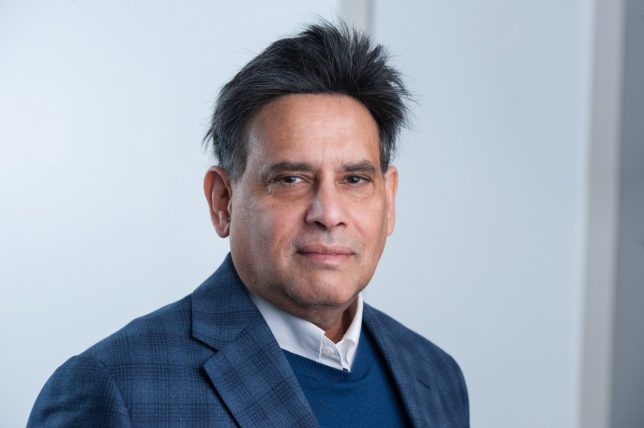 ‘I need to slow my thoughts down so hobbies are very important to me. Music and watching classic cinema really helps me unwind,’ says Professor K Ray Chaudhuri (Photo: Nathan Clarke)
‘I have a non-negotiable massage every week’
Dr Anjali Mahto, consultant dermatologist and founder of Self London
“Since having a coronary stent three years ago, exercise has become even more important to me in terms of protecting my heart and maintaining muscle. I lift weights three times a week and do cardio – either running, rowing or incline walking, another two or three times. I like training hard enough that I have to focus on what I’m physically doing. I rely far more on routine than motivation – my training is booked into my week well in advance.
Running my own clinic is mentally dense: you are constantly assessing risk, making decisions and managing complications. The fatigue often comes less from the number of hours than from being the person everybody ultimately looks to for a decision. I also need some genuinely quiet time when I get home. After a day in which people have needed constant attention and reassurance, being with my family, eating properly and having a period when nobody requires an immediate answer is deeply restorative.
[At work] you spend hours leaning over patients, concentrating intensely and holding tension. I have a non-negotiable massage every week, focused on my back and shoulders.”
‘I do an hour a day of Olympic training’
Professor James Larkin, consultant medical oncologist at The Royal Marsden
“I make breakfast for my teenage kids each morning (always eggs). Then as a family, with my wife too, we all head to our CrossFit gym and work out together. I train for an hour, five days a week in the mornings. It’s a mix of cardio, strength training and gymnastics, with elements of Olympic weightlifting and mobility built in. CrossFit is a real community and is very social. I also prioritise getting six to seven hours of sleep most nights to support recovery.”
‘Classic cinema helps me unwind’
Professor K Ray Chaudhuri, world-renowned expert in Parkinson’s, professor of neurology and movement disorders at King’s College London and leading consultant neurologist at King’s College Hospital
“My schedule is travel-heavy, I am away one to two weeks of every month, often crossing time zones and I juggle clinical work, academic work, advisory roles and lectures. I also have a young son at home in London. Sometimes I have to give a diagnosis of Parkinson’s to younger patients who may not be suspecting it. If I have delivered diagnoses two or three times a day, I’m psychologically and mentally drained and need to slow my thoughts down so hobbies are very important to me.
“Music and watching classic cinema really helps me unwind. I love listening to podcasts on people I admire and their ways of dealing with life and playing guitar when I can. I like to delve into music history, particularly rock and the 60s, and discover new bands from the past. Recently I have been listening a lot to Canned Heat.”
‘Dance helps me decompress’
Dr Nilofer Farjo, hair transplant surgeon at Farjo Hair Institute
“In my line of work, surgery can take between six and eight hours, so it can be hard to switch off after work. I don’t mind though, I find some of the most productive conversations and decisions happen over dinner. For me, relaxing starts with cooking from scratch at least five days a week. I love the creativity of making healthy meals with whatever I find in the fridge. I’ll often put music on and dance or do some stretches while cooking.
“Sport and dance help me decompress. My husband (who is also my business partner) and I find having a busy social life is what helps us chill. We got into cycling a few years ago and are now hooked and attend regular cycling weekends. We also have a travel and foodie group with friends. Being organised keeps me sane and a big part of that is having a continuous to-do list.”