
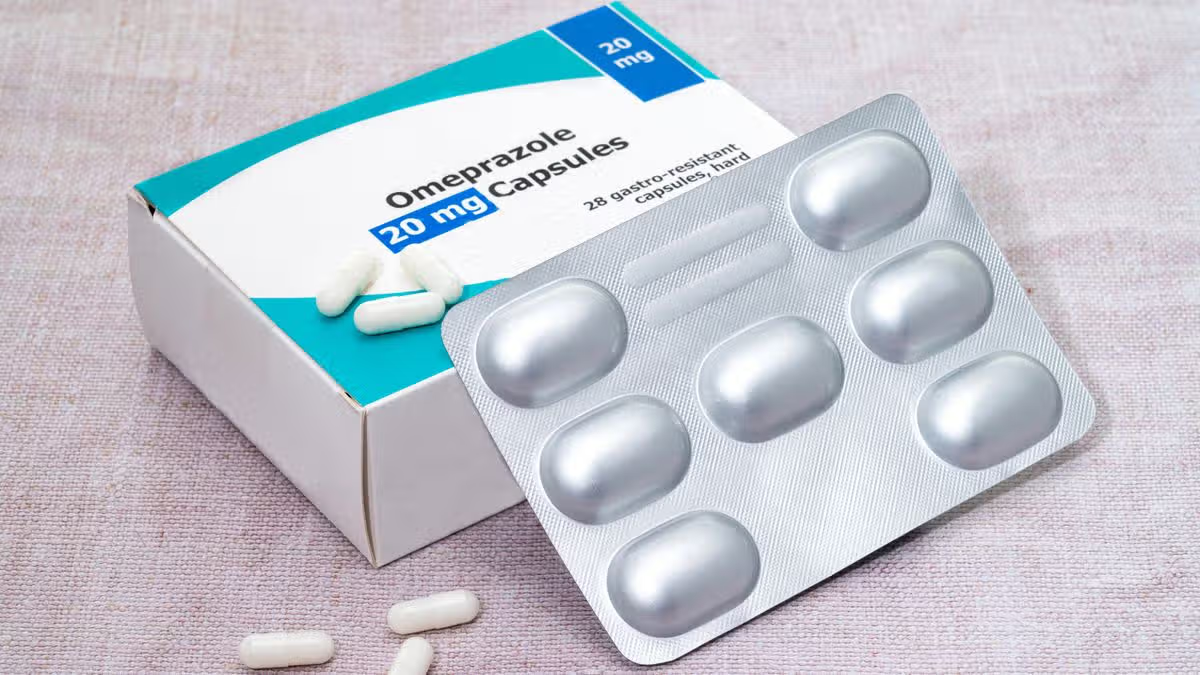
Timing plays an important part in how well the medication can work for you, ease symptoms, and prevent potential side effects
12:10, 15 Sep 2026Updated 16:50, 15 Sep 2026
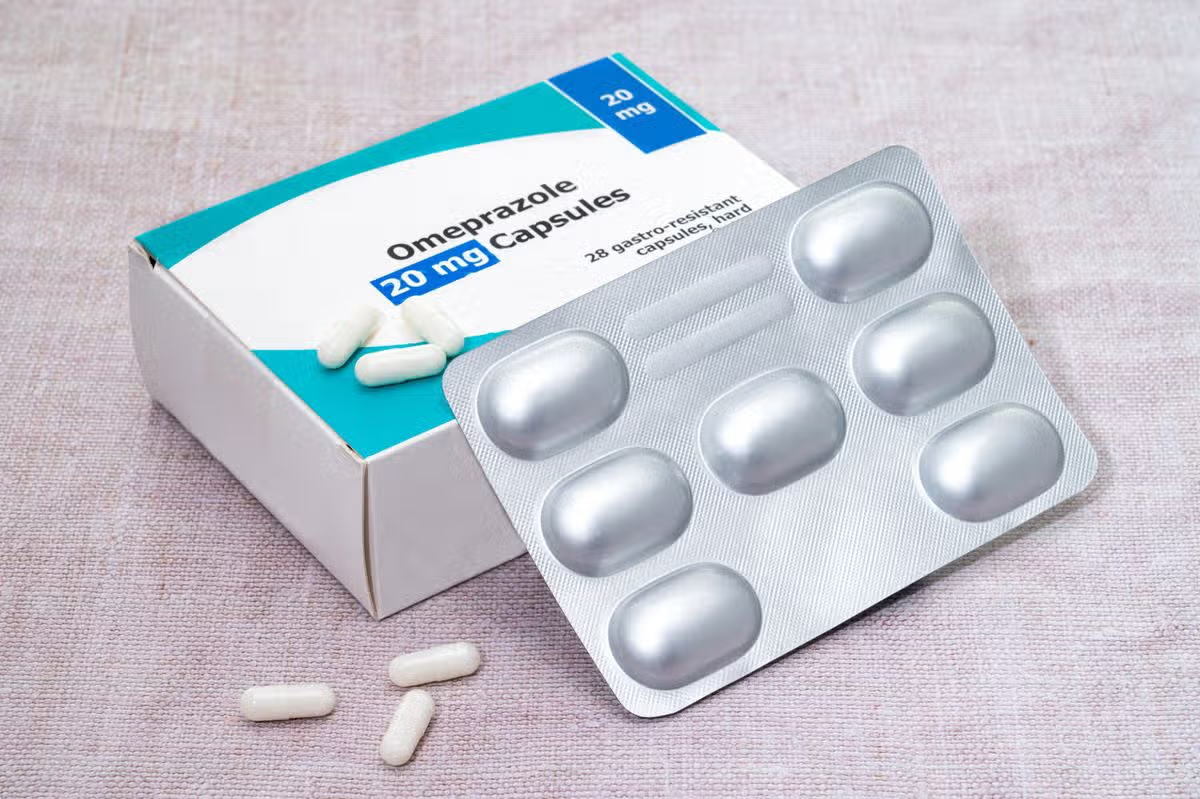
The doctor has shared an important recommendation(Image: Getty)
A doctor has shared an important message to anyone taking omeprazole for acid reflux regarding ‘timing’. Health expert Dr Farhan Abdulla says people who have been prescribed the common medication can “prevent potential side effects” by making sure they do the same thing each morning before having breakfast.
Dr Farhan Abdullah is a board-certified internist and the medical director of Magnolia Functional Wellness. As a physician leader, he specialises in functional medicine, hormone optimisation, metabolic health, and medically supervised weight loss.
According to the NHS, omeprazole is a proton pump inhibitor (PPI) medicine that reduces the amount of acid your stomach produces. It is typically prescribed to treat heartburn and acid reflux (GORD/GERD). According to research, around one in seven people take proton pump inhibitors like omeprazole in the UK.
Explaining the importance of “establishing a routine”, Dr Farhan Abdullah urges anyone taking the medication to do so right after waking up, typically 30 to 60 minutes before their first meal of the day – for instance, breakfast. He says this can provide the “greatest relief”.
Speaking exclusively to the Daily Mirror, he said: “Most people find that they experience their greatest relief from their acid-related issues when they take their omeprazole right after waking up. Therefore, my recommendation is to take your omeprazole right before your first meal of the day.

The doctor says people often find taking it in the morning provides “greatest relief” (stock image)
“Omeprazole works better if you take it prior to the stomach’s acid-producing pumps being turned on by eating. Taking your omeprazole at the same approximate time every day will help you establish a routine and prevent potential side effects due to irregular timing.”
According to the Cleveland Clinic, when you take your medicine at different times rather than at the same time every day, your stomach acid levels fluctuate. This can lead to heartburn, acid reflux, and stomach pain that breaks through. If you take it after a full meal rather than before, the medicine can’t stop the stomach acid pumps as well as it should.
Data indicates that people in the UK, on average, eat breakfast between 7-9am on weekdays. If they eat at 7am, that would mean taking omeprazole early in the morning, between 6am and 6.30am.
Why is it important to take omeprazole at the same time each day and in the morning?
According to the NHS, taking omeprazole right after waking up, typically 30 to 60 minutes before your first meal of the day, provides the best relief for most people. As omeprazole turns off the acid-producing pumps in your stomach, eating your first meal after taking the medication helps activate these pumps, allowing the drug to block maximum acid production.
Taking it on an empty stomach also ensures the body absorbs the right amount of medicine into your bloodstream. Consistent timing keeps a stable amount of the drug in your system. Varying the time can leave your stomach unprotected and cause symptoms like heartburn to return.

The NHS recommends taking it 30 to 60 minutes before your first meal of the day (stock image)
If your doctor prescribes it twice a day, you may have been told to take one dose in the morning and the second dose before your evening meal. Always follow your personal doctor’s directions if they gave you a specific schedule for a rare condition.
Swallow capsules or tablets whole with a glass of water; do not crush or chew them. Omeprazole does not stop heartburn instantly. It takes one to four days of daily use to feel the full effect. You can check the NHS Omeprazole Guide for more details on safe use.
What are the common short-term side effects?
These are usually mild, temporary, and tend to improve as your body adjusts:
Headache.Nausea or vomiting.Stomach pain or abdominal discomfort.Diarrhoea or mild loose stools.Flatulence (gas) and bloating.Constipation (less common).What else should people taking omeprazole be aware of?
Dr Farhan Abdullah said: “Patients should understand that although PPIs are highly effective in treating gastroesophageal reflux disease (GERD) and related disorders. They should ideally be used at the minimum dosage required to control their symptoms for the shortest duration necessary.
“Continued long-term use is acceptable in select cases; however, each patient’s clinical situation will require periodic assessments by the clinician regarding the necessity of the medication, as well as assessing issues including nutritional deficiencies, renal dysfunction, and gastrointestinal side effects.”
He also said: “Once you’ve taken a PPI continuously for a long time and then stop taking it, your stomach will produce more acid than usual for a short time. This is called rebound acid hypersecretion. So, even though your heartburn may come back, this doesn’t mean you’ll always need to take as much medication as you did before.”