
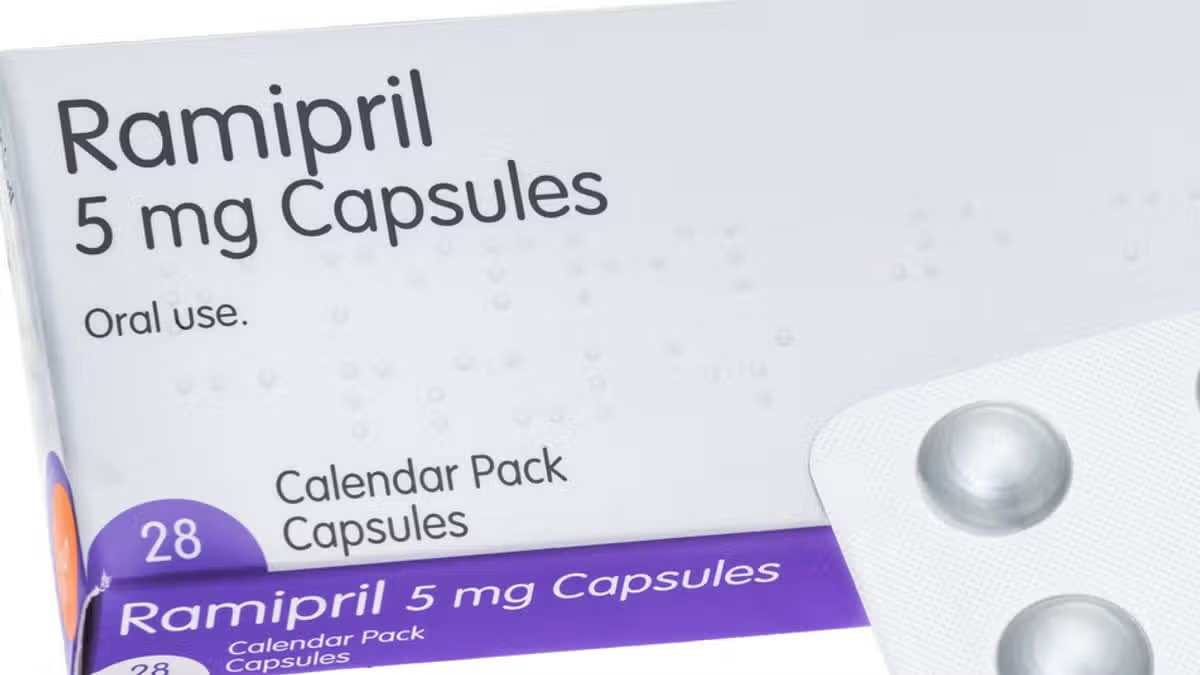
People taking the medication have been issued a message about the ‘persistent’ side effect that can occur
12:14, 18 Sep 2026Updated 16:10, 18 Sep 2026
Adding one ingredient to meals helps regulate blood pressure and warm the body
A pharmacist has issued a message to anyone taking ramipril for their blood pressure about a side effect she says isn’t very well known. Speaking exclusively to the Daily Mirror, Charlotte Parker-Lennox, prescribing pharmacist at LloydsPharmacy Online Doctor, explained on Friday, September 18, a symptom that some users might experience and may not realise is linked to their medicine.
Ramipril is an ACE (angiotensin-converting enzyme) inhibitor. It is commonly prescribed to lower blood pressure and reduce the risk of cardiovascular complications. It is also used in certain people with heart failure or kidney disease.
According to Blood Pressure UK, around one in three adults in the UK, or more than 14 million people, have high blood pressure. It means the pharmacist’s message will be important to many people.
Explaining the side effect, Charlotte said some patients may notice a ‘persistent’ dry cough. She said: “One of the less well-known side effects is a persistent, dry cough.
“Unlike a cough caused by a cold or chest infection, an ACE inhibitor cough is typically non-productive and can continue for as long as the medicine is being taken. The cough usually resolves after ramipril is stopped.” However, she said that if the cough becomes “troublesome”, an alternative medication called an angiotensin receptor blocker (ARB) “may sometimes be considered”.

The pharmacist says a persistent, dry cough could be caused by the medication (stock image)
Signs your cough is caused by ramiprilIt is dry and hacking, and you do not cough up phlegm or mucus.No cold symptoms, as your nose is clear, and you do not have a sore throat or body aches.Standard over-the-counter cough syrups or lozenges do not help.The cough can start a few days after your first pill or take several months to appear.
The NHS says: “Cough medicines do not usually help for coughs caused by ramipril. Sometimes the cough gets better on its own if you keep taking ramipril. Talk to your doctor if it carries on, bothers you or stops you sleeping, as another medicine may be better.”
If the cough started after you began your prescription, you have grounds to suspect the medication as the cause. You can learn more details on the NHS Side Effects of Ramipril guide.
Never stop taking your blood pressure medicine without medical advice. Your doctor can evaluate you and switch you to a different type of blood pressure pill if needed. If your doctor safely changes your medication, an ACE-inhibitor cough usually goes away within two to three weeks. If you have any questions or concerns, speak to a doctor. A persistent dry cough can be caused by various other health conditions.

The pharmacist also shared a message to patients of a certain ethnicity (stock image)
Another factor the pharmacist says could play a part is ethnicity. She said: “Ethnicity can also influence which blood-pressure medicine is recommended as a first treatment. For adults of black African or African-Caribbean origin who do not have type 2 diabetes, a calcium-channel blocker, such as Amlodipine, is the usual first-line treatment for hypertension rather than an ACE inhibitor.
“The difference is related to a higher prevalence of low-renin hypertension in black populations. Because ACE inhibitors act on the renin-angiotensin system, they may be less effective at lowering blood pressure in black patients. This does not mean that ramipril should never be taken. ACE inhibitors can still be appropriate, including for certain patients with diabetes, kidney disease, heart failure or other cardiovascular indications.”
What food and drink should you avoid when taking ramipril?
Charlotte said: “As ramipril can increase potassium levels in the blood, patients should avoid using potassium-based salt substitutes, such as Lo-Salt, as the combination can cause potassium levels to become too high.
“Alcohol can increase the blood-pressure-lowering effect of ramipril, potentially making patients feel dizzy or light-headed. This may be particularly noticeable when starting ramipril or after a dose increases. Avoiding alcohol during the first few days of treatment, or after an increase, until you know how the medicine affects you is a good idea.”
When is the best time to take ramipril?
Charlotte said ramipril can be taken at any time of day, with or without food. The most important thing is to take it around the same time each day.
She said: “If you feel dizzy or light-headed, particularly when starting ramipril or after the dose is increased, you may find that taking it in the evening or before bed helps as you can relax and lie down. Should these symptoms persist, discuss them with your doctor. If ramipril is prescribed twice a day, the doses should be spaced evenly throughout the day.”
What should patients know about taking ramipril long term?
Ramipril is commonly taken for several years to control high blood pressure and, in appropriate patients, to reduce the risk of cardiovascular complications and protect kidney function, Charlotte said. Long-term use is not in itself a problem, but the medicine should continue to be reviewed.
“One of the most important considerations is kidney function. Although ramipril can have kidney-protective benefits in certain patients, it can also cause changes in kidney function, particularly in people who already have kidney problems or become dehydrated. Kidney function is therefore checked with blood tests during treatment,” the pharmacist said.
“Ramipril can also cause potassium levels in the blood to rise. The risk is greater in people with reduced kidney function, diabetes, older age or dehydration, and in those taking other medicines or supplements that increase potassium. This is one reason blood tests may be used to monitor both kidney function and potassium levels.
“There is also a rare but potentially serious reaction called angioedema, which can cause sudden swelling of the lips, face, tongue or throat. This can occur even after someone has been taking an ACE inhibitor for some time. Swelling of the tongue or throat, particularly if it affects breathing, requires urgent medical attention. Call 999 if this occurs.”