
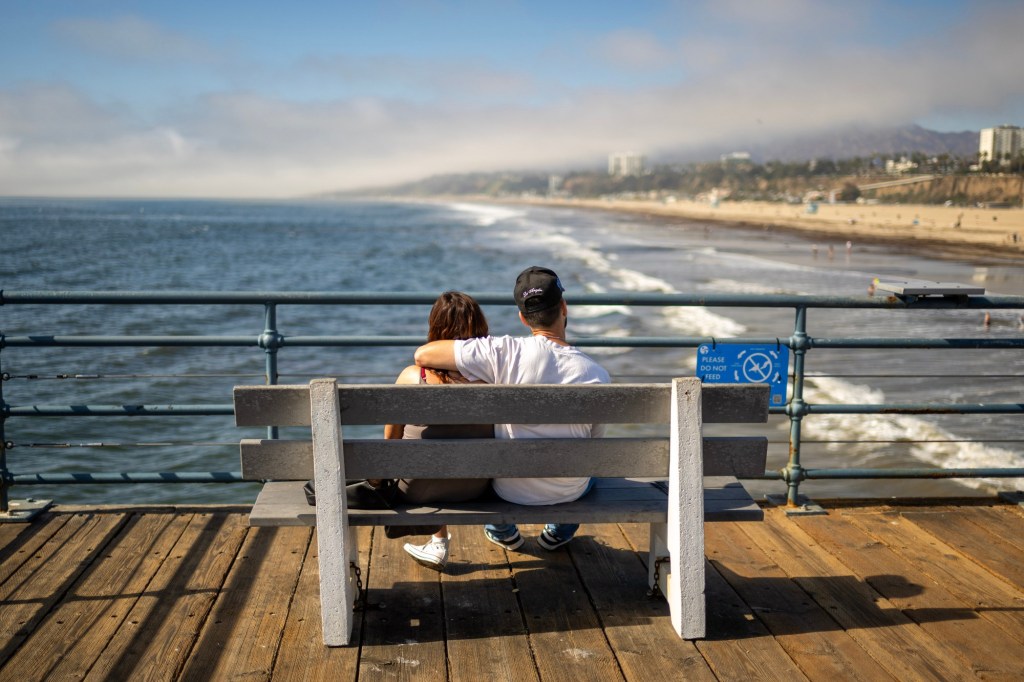
Should the iconic Los Angeles area coastline be designated as a national park?
That’s what a study authorized by Congress in December 2022 and launched earlier this month by the U.S. National Park Service will try to determine. The study was put into a larger federal appropriations bill by Rep. Ted Lieu, D-Los Angeles.
The study will examine the coastline adjacent to Santa Monica Bay, stretching from Will Rogers State Beach to Torrance Beach, avoiding the sinking Palos Verdes Peninsula area but including the San Pedro coastline within the city of Los Angeles. The study area also includes the sensitive wetlands of Ballona Creek, as well as Baldwin Hills.
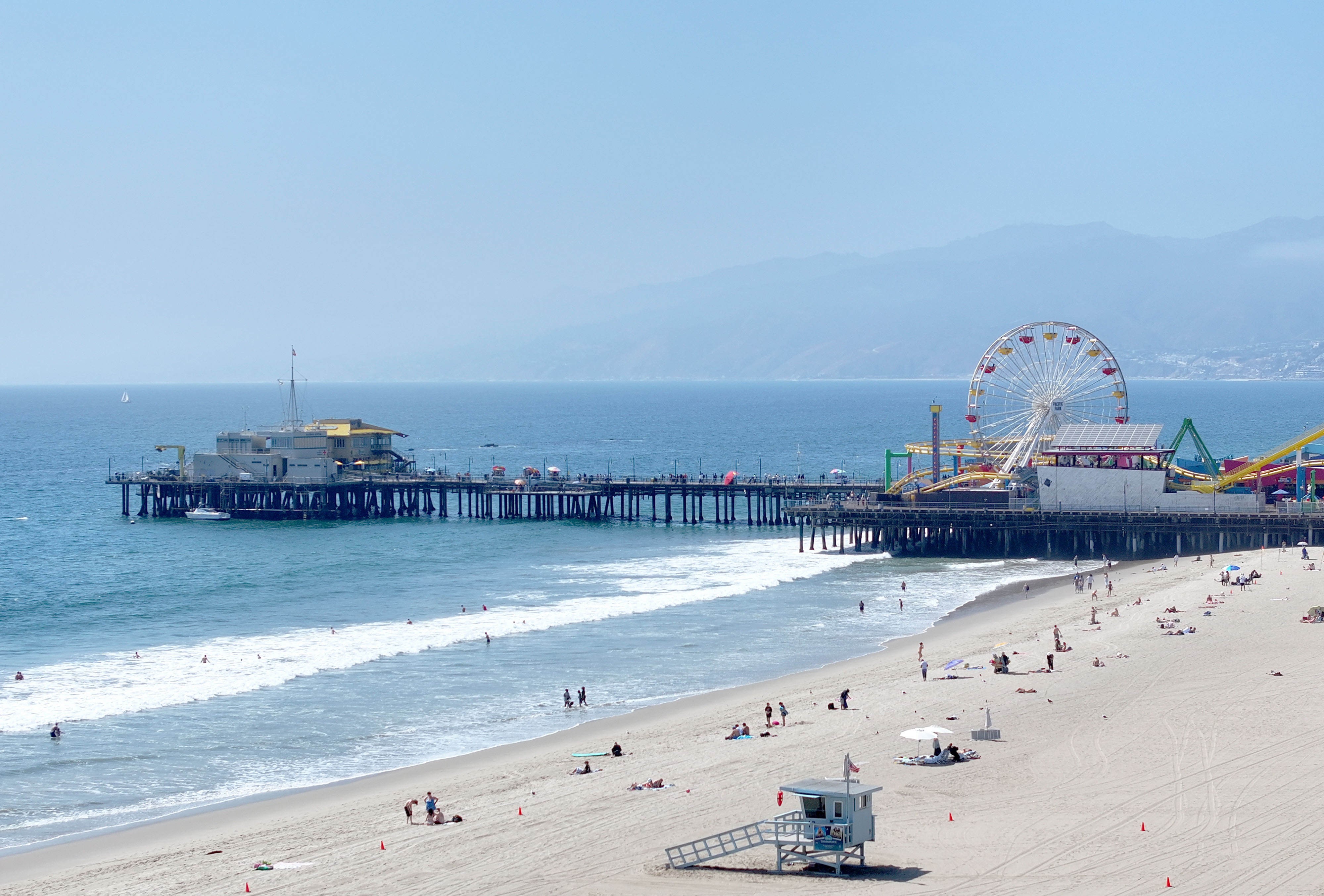
People gather south of the Santa Monica Pier on a warm and sunny afternoon just before Labor Day Weekend on Tuesday, Aug. 26, 2025. (Photo by Dean Musgrove, Los Angeles Daily News/SCNG)
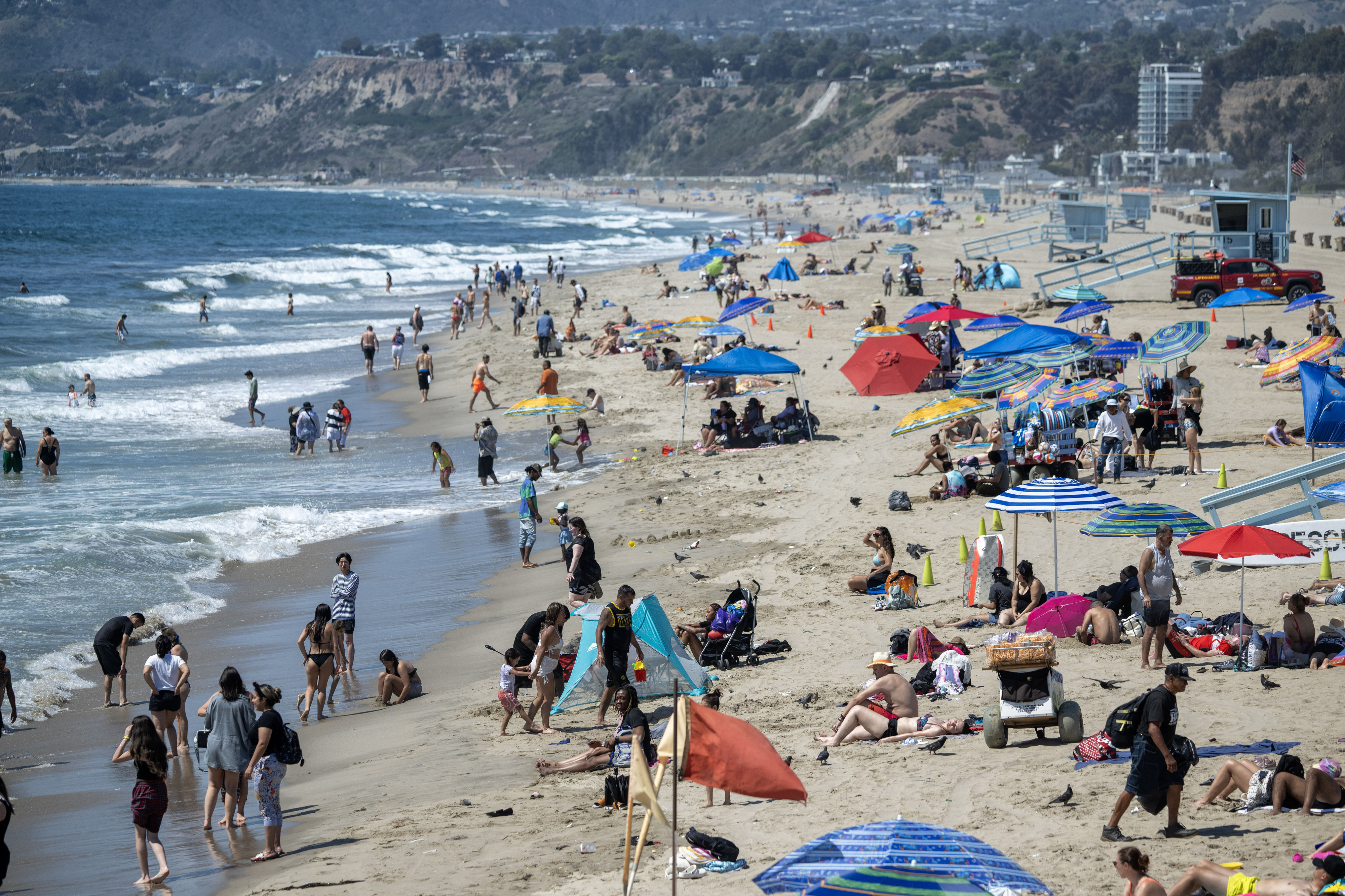
People beat the heat at Santa Monica Beach on Monday, September 9, 2024. (Photo by Hans Gutknecht, Los Angeles Daily News/SCNG)
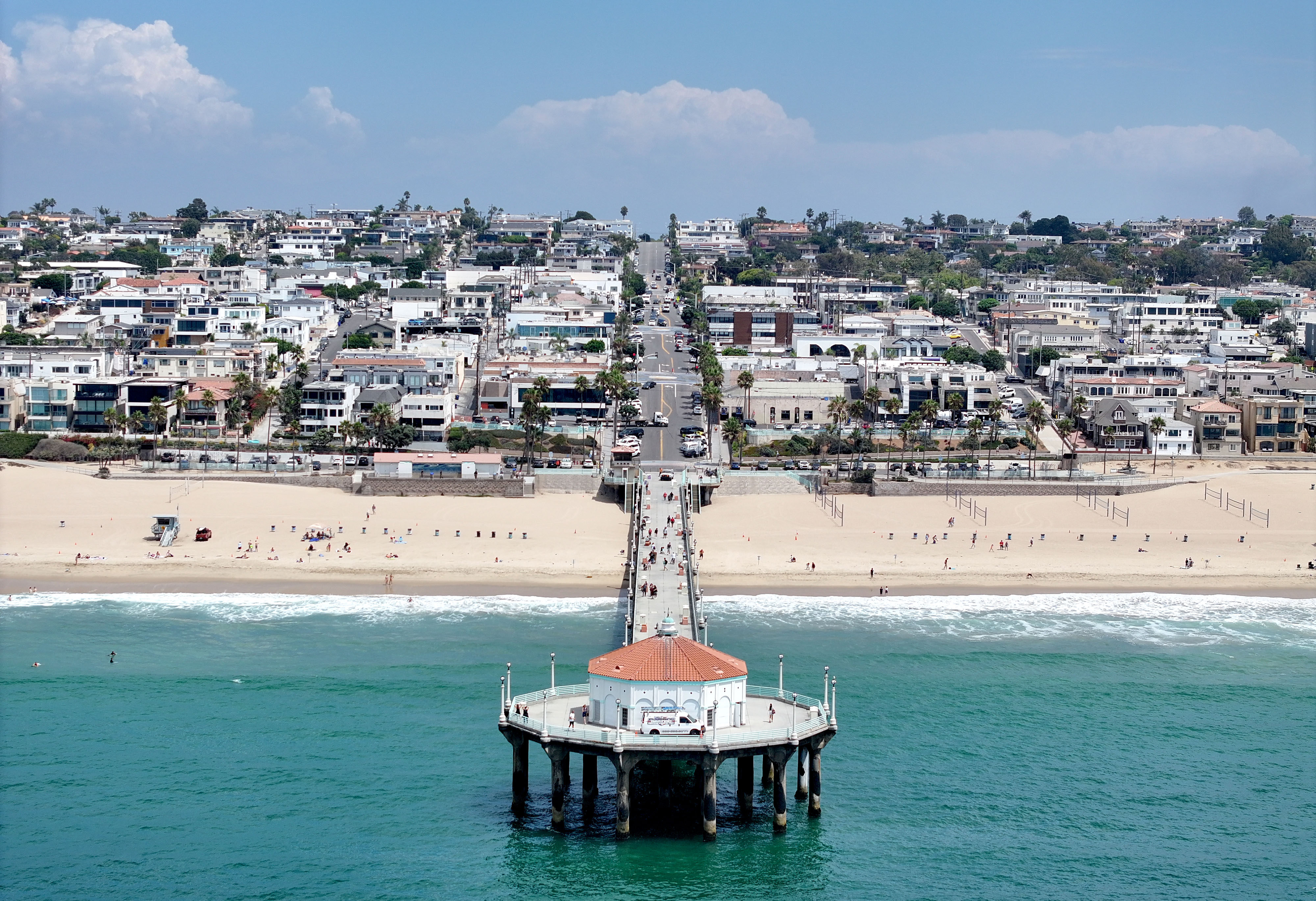
Manhattan Beach Pier on a warm and sunny afternoon just before Labor Day Weekend on Tuesday, Aug. 26, 2025. (Photo by Dean Musgrove, Los Angeles Daily News/SCNG)
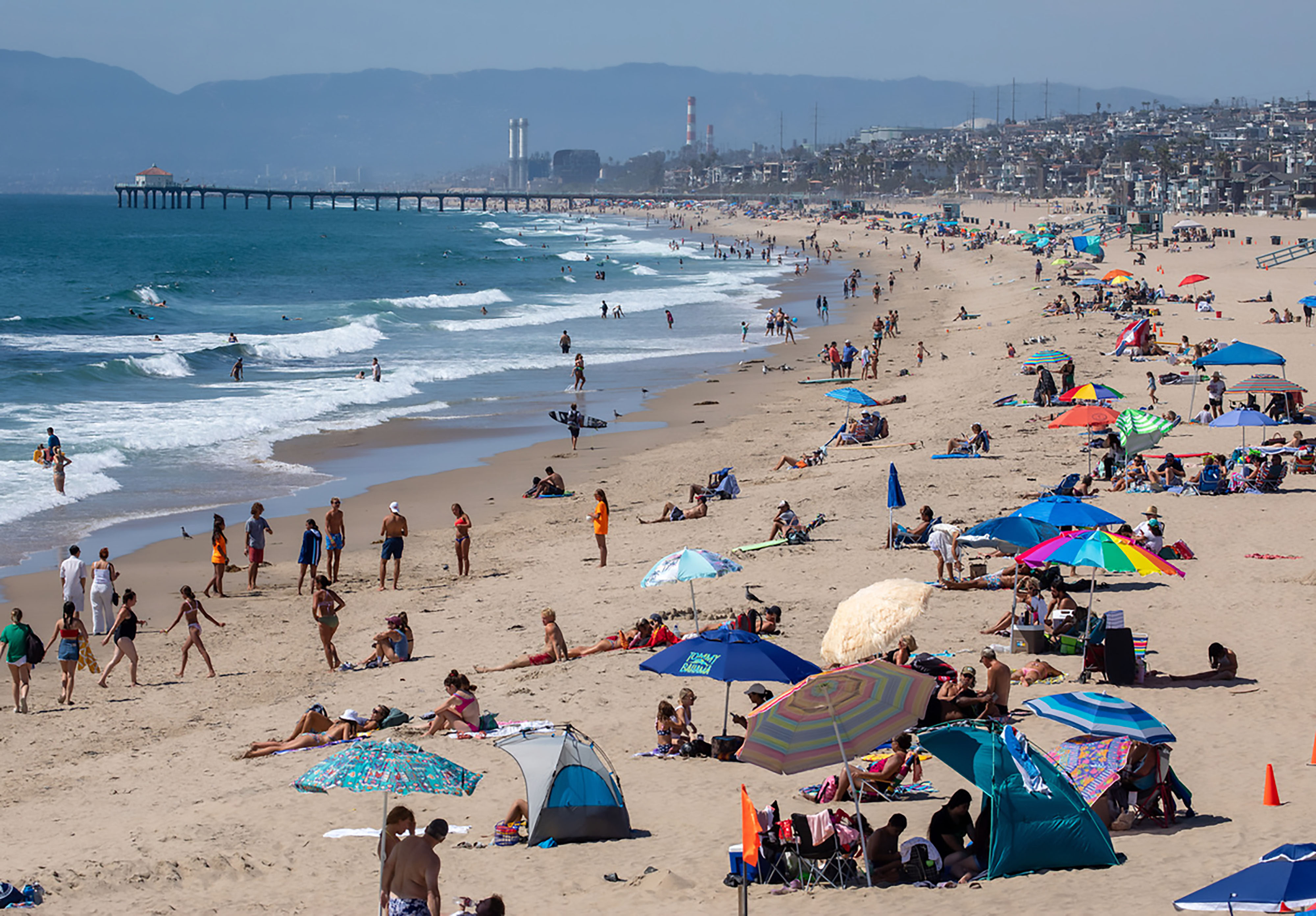
High temperatures moved through the region this week bringing crowds to Hermosa Beach looking north to the the Manhattan Beach Pier Tuesday August 9, 2022. (Photo by Chuck Bennett)
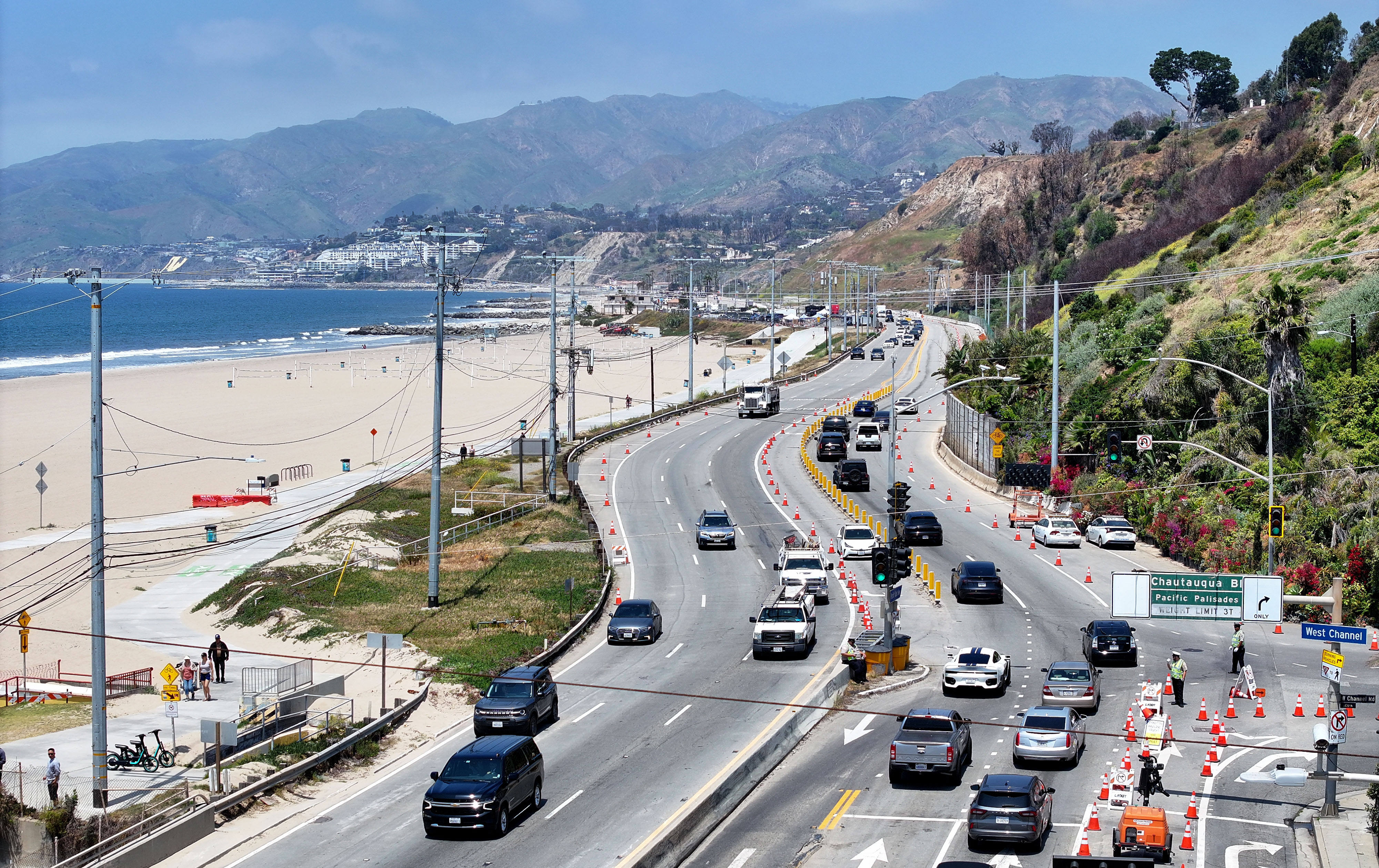
PCH on Friday morning May 23, 2025, at Chataugua, in time for Memorial Day Weekend. (Photo byDean Musgrove, Los Angeles Daily News/SCNG)
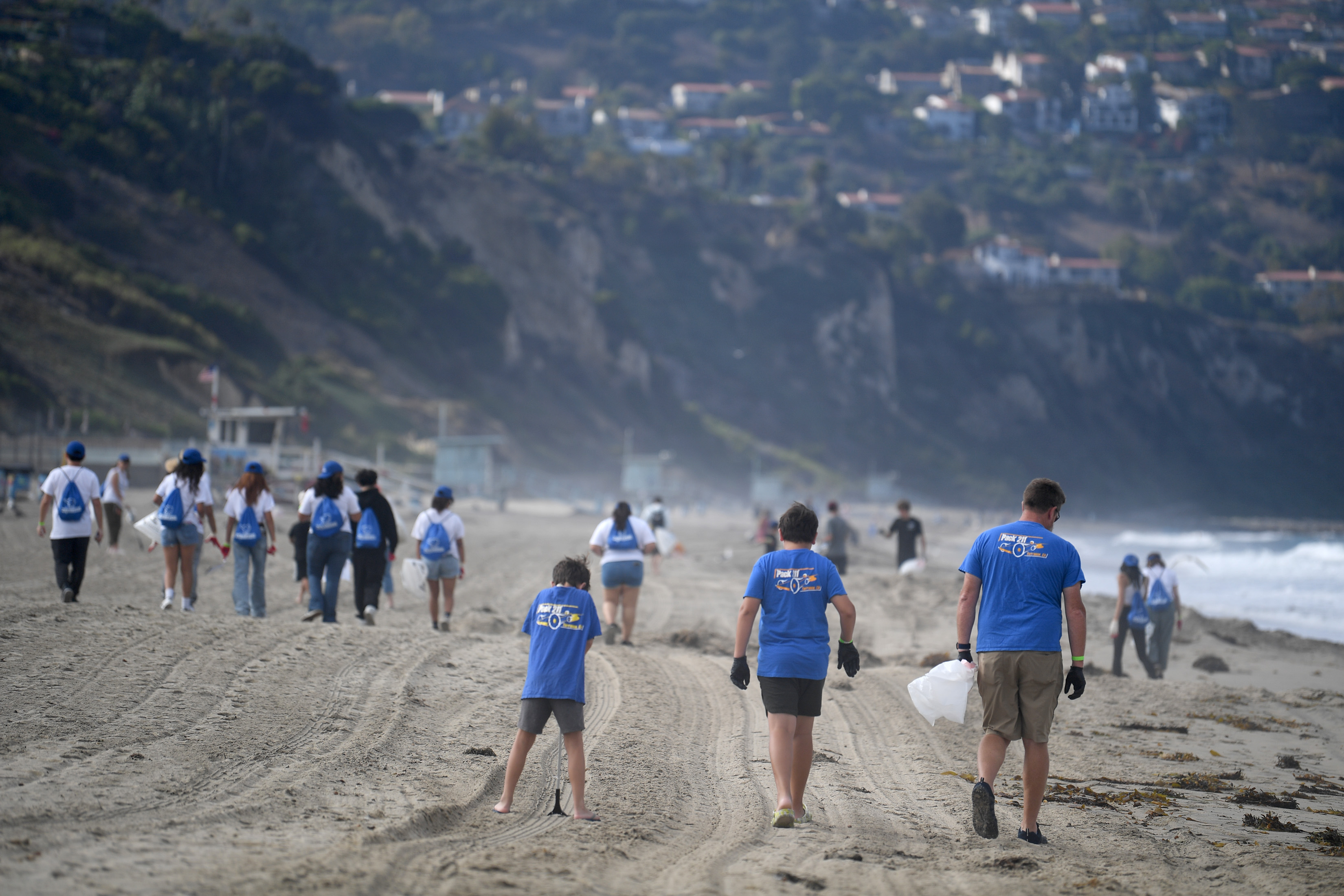
John Williams and his sons Robert, 10, and Joshua, 8, members of Boy Scout Pack 211, participate in the annual Coastal Cleanup at Torrance Beach on Saturday, September 20, 2025. (Photo by Axel Koester, Contributing Photographer)
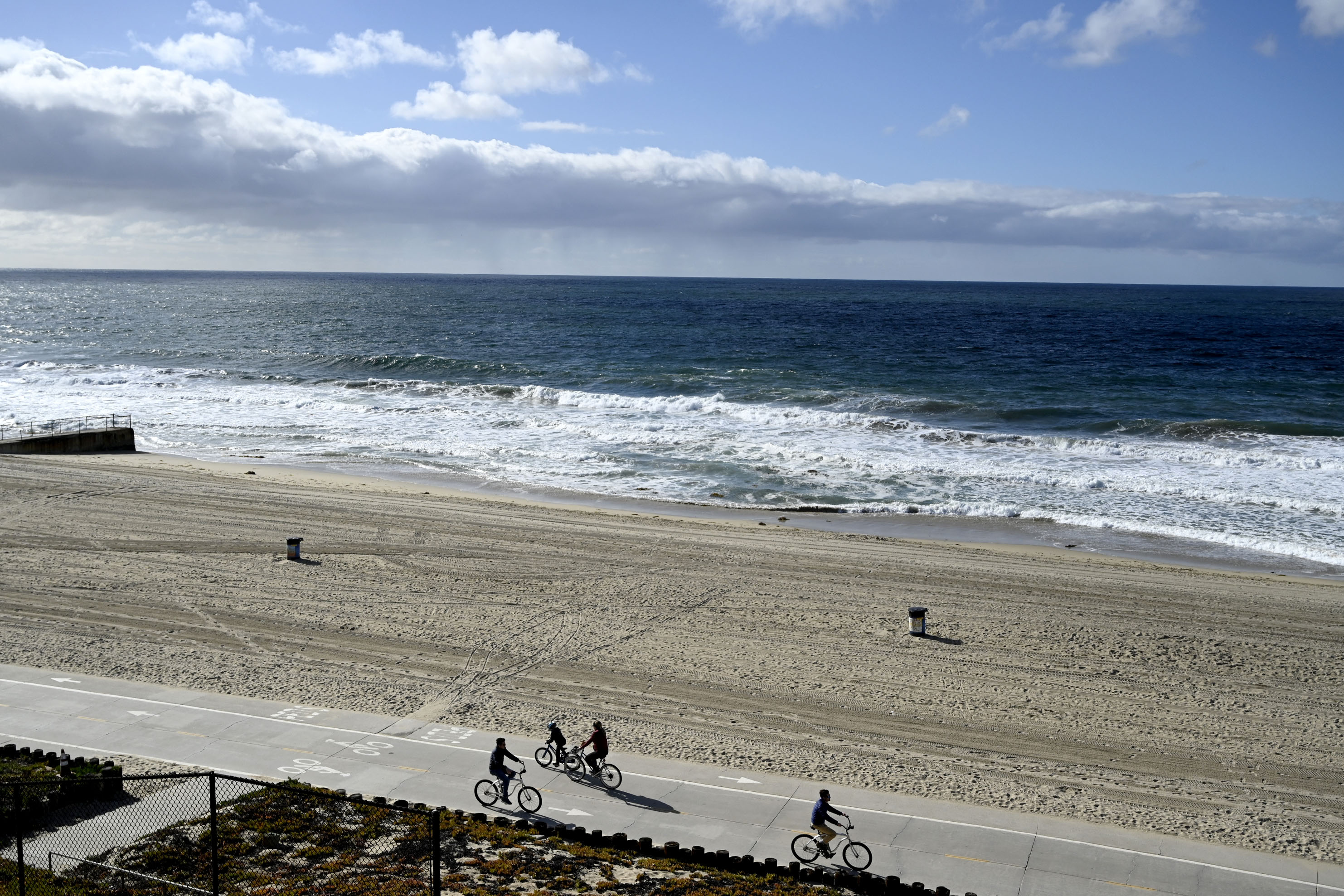
A quiet winter day at the beach in Torrance. (Photo by Brittany M. Solo, Press-Telegram/SCNG)
Show Caption
1 of 7
People gather south of the Santa Monica Pier on a warm and sunny afternoon just before Labor Day Weekend on Tuesday, Aug. 26, 2025. (Photo by Dean Musgrove, Los Angeles Daily News/SCNG)
The just-launched Los Angeles Coastal Special Resource Study will produce a report in 2027, answering whether the area is suitable and feasible for either a national park or a unit of the National Park Service, such as a national recreation area (NRA). Both would be managed by the NPS, with the goal of resource protection and better public access.
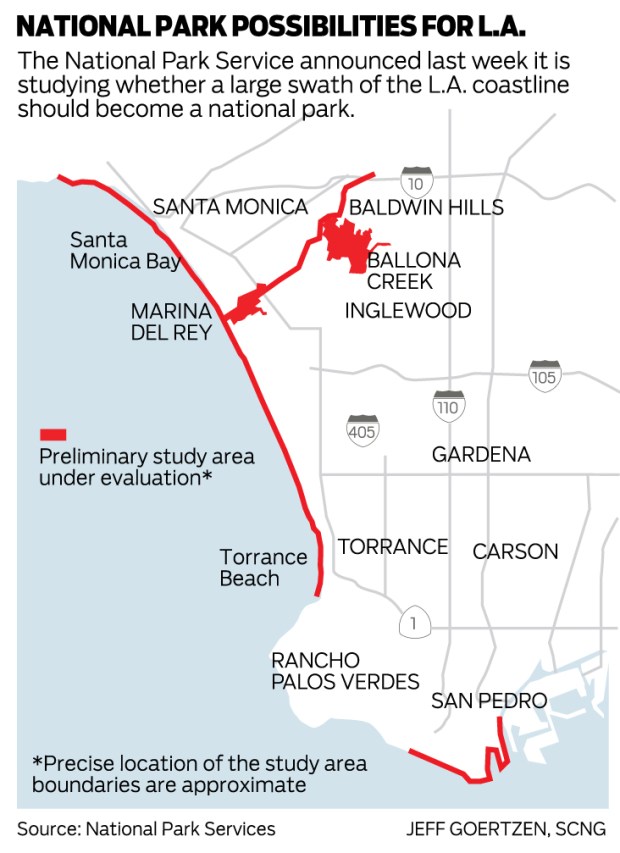
Any type of NPS designation must meet four criteria: suitability, contain nationally significant resources, be feasible as an NPS unit, and able to be managed by NPS staff, including park rangers.
A completed study will be sent to the Secretary of the Interior, who could make a recommendation to Congress. Only Congress or the president can designate a new national park unit.
In the next few months, the NPS is collecting public comments on the idea.
In a recent NPS presentation, the agency asked the public to weigh in on what specific coastal cultural and natural resources need better management and protection from the NPS. It also wanted to know what kind of role the NPS should play in managing the coastline, and if they had any concerns about that, or the study itself.
“Public participation is important to this study,” said Denise Louie, natural resources, planning and compliance program lead for the National Park Service’s Pacific West Region, in a written statement announcing the opening of the study.
“The L.A. coastline is exceptionally diverse, and feedback will help inform whether these places meet the criteria for inclusion in the National Park System and how they could be preserved for future generations,” Louie added.
Announcement of the study’s kick-off seemed to catch elected leaders and some environmental groups off guard.
Since the northwestern edge of the study area is adjacent to where hundreds of coastal homes burned in the Palisades fire of Jan. 7, 2025, questions arise as to how that will affect the study, whether it encourages an NPS designation or the opposite.
Also, dozens of environmental groups have opposed President Trump’s plan to license oil drilling off the California coast, leaving questions about whether the potential takeover by the NPS would move this forward or roadblock drilling.
Third District Supervisor Lindsey Horvath, whose district includes the coast, unincorporated areas of the Palisades, the Westside of LA and the San Fernando Valley, did not feel ready to give a response on Thursday, Feb. 12. “She is learning more about the study bill and the NPS study to understand the goals and local impacts,” wrote Constance Farrell, the supervisor’s communications aide in a text.
The group, Heal The Bay, which works on cleaning up Santa Monica Bay and other coastal waters, said they heard rumblings about the study but have not reached any conclusions about a NPS unit established along the L.A. coastline.
“I’m sure we will have concerns about making sure there is an equitable understanding about any human impact,” said Jillian Marshall, spokesperson for the group. She said the group expects to hear from other environmental groups about the study.
The L.A.-area Sierra Club’s members have been working with the congressman for 10 years on the study bill, and hope that the coastal areas of L.A. County finally get the recognition in Congress they deserve.
“National Parks help get people outside and enjoying the outdoors, bringing good jobs into the economy and creating protected spaces for wildlife that are threatened by development. We hope NPS gets positive feedback and can move forward. Especially in an age where public lands are under attack. We hope this can be a glimmer of good news for our region,” said Juanita Chavez, director of the Sierra Club Angeles Chapter in an emailed response on Friday, Feb. 13.
The NPS already manages 433 units. Some are national parks, some national monuments, others are recreation areas. These units are under the NPS but are often guided by their own enabling legislation.
Southern Californians may be familiar with the Santa Monica Mountains National Recreation Area (SMMNRA), a large 153,785-acre mountain area north of Los Angeles filled with trails and open space, and is home to birds, bobcats and mountain lions. The NPS manages about 15%, while the rest of the unit is overseen by its partners, including the California State Parks and the Santa Monica Mountains Conservancy.
The groups work together to “protect resources and provide public access,” explained Ana Beatriz Cholo, spokesperson for the NPS’s SMMNRA. Some of the SMMNRA overlaps with the study area but it does not own or directly manage beaches there, she wrote in an emailed response.
Adding the federal park service can mean a collaboration is needed with other agencies. For example, Will Rogers, Santa Monica and Dockweiler beaches are owned by California State Parks but managed by the Los Angeles County Department of Beaches and Harbors, while the Ballona Wetlands are managed by the state Department of Fish and Wildlife and the State Lands Commission, said Beatriz Cholo.
If there is an NPS designation, it could be what’s called “a partnership park,” since so many other government agencies have jurisdiction. The existing agencies would have to collaborate with the federal NPS on shared goals, resources and recreation, she said.
Fourth District LA County Supervisor Janice Hahn said in an emailed response on Friday that any discussion involving the coastline should be thoughtful and include a fact-based approach.
“I’m looking forward to seeing the pros and cons that come out of this study and what making our beaches a national park could mean for public access, local decision-making, and our responsibility to protect our beaches for generations to come,” said Hahn.
Questions about funding for a new unit or park require separate legislation, usually in the form of a Congressional appropriations bill, said Beatriz Cholo.
“New units typically do not receive funding at the time of authorization,” Beatriz Cholo said. “NPS would request funding through the annual appropriations process, and new parks compete with existing parks for project funding beyond their base allocation.”
To comment, go to the project website: parkplanning.nps.gov/LosAngelesCoastal and click on “Open for Comment.” Send a comment through the mail to: National Park Service, Denver Service Center, Attn: Los Angeles Coastal SRS, One Denver Federal Center, Building 50, Denver, CO 80225.
Comments are accepted through April 6.
The next virtual public meeting on the study is March 11, 6 p.m.-7:30 p.m. Go to the meeting link: https://bit.ly/4akUPVE or join by phone: 1-202-640-1187, Conference ID: 362420885#.