
Los Angeles has always been a city of reinvention. People come here to become someone new, start over, chase possibility under a sky that promises movement. This is a place built on forward motion, ambition, and momentum. But what happens when movement stops? Fifty days ago, mine did.
Following surgery, I found myself in a rare and unfamiliar position: forced stillness. For someone accustomed to a life lived in constant motion, balancing civic leadership, community convening, professional strategy, and creative pursuits, the sudden quiet was disorienting.
At first, the focus was purely physical. Healing meant walking comfortably again, to breathe deeply, listen to my body in ways I had long ignored. The only goal was recovery, but as the days unfolded, something unexpected happened. The physical slowing became a deeper recalibration because when motion is stripped away, what remains is clarity. Most of us believe transformation begins with a bold decision, a new goal, or a dramatic change in direction, but research suggests something different.
Nearly all of our daily behavior operates on autopilot, driven by routines formed over time. We do not live primarily through conscious choice, but through patterns. This means that lasting change does not begin with motivation alone – it begins with interruption.
What I experienced during those fifty days was a real-time laboratory for pattern disruption. With my usual routines paused, I had an opportunity to observe how I spent my time, where my energy flowed, and what truly created alignment in my life. It became clear that clarity does not emerge from thinking harder; it emerges from living differently.
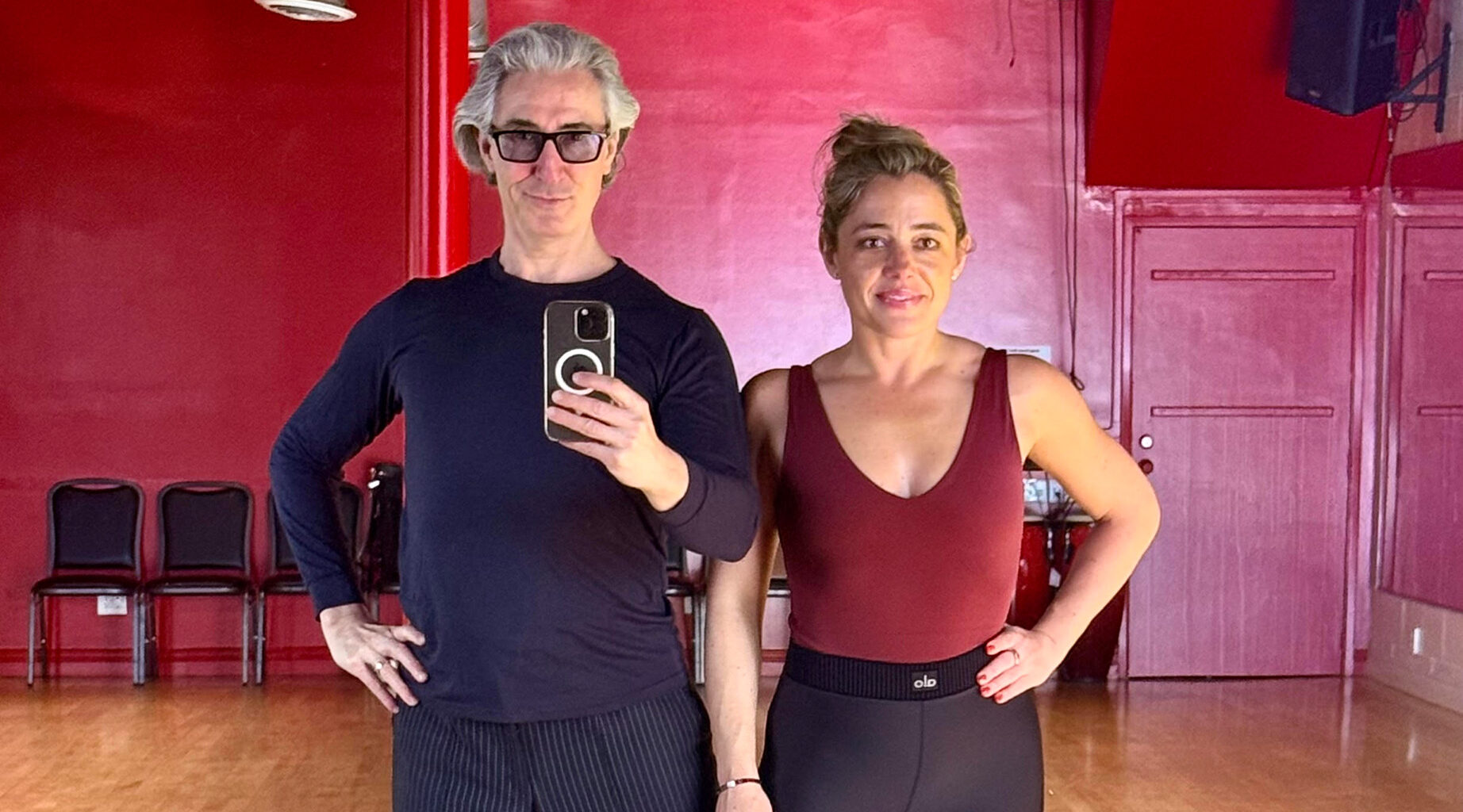
The first stage of healing was not intellectual, but physical. Walking became a daily ritual of reconnection. Golf, with its deliberate rhythm and focus, became a meditation in patience and presence. Dancing tango introduced something entirely new: the experience of surrendering to movement, trusting a partner, and rediscovering joy through play. Each of these practices shared a common thread: they required attention, presence, and reintroduced a sense of aliveness that extended far beyond physical recovery.
It was through movement that a deeper realization emerged – when the body reconnects, the mind begins to follow, and when both align, clarity naturally arises.
As weeks passed, reflection deepened. Without the usual pace of daily obligations, questions that often remain buried beneath busyness surfaced with unusual clarity.
Scroll to continue reading
Where was my time most meaningful? What work felt aligned with my values? Where had I been operating out of habit rather than intention?
These were not abstract considerations. They became daily checkpoints, guiding small decisions about how to spend energy and attention. In this phase, the focus shifted from healing to alignment. It became less about returning to the previous pace of life and more about intentionally designing what would come next.
The most surprising discovery came in the final stage of this period. True clarity did not arrive through introspection alone; it crystallized through outward action. Acts of service, whether mentoring emerging leaders, supporting community initiatives, or simply offering time and attention to others, consistently produced the strongest sense of purpose, revealing an essential truth. Purpose is not something we find by looking inward indefinitely. It becomes visible when our strengths intersect with someone else’s need. In those moments, overthinking dissolves, doubt quiets, direction becomes unmistakable. Service is not only an act of contribution, but a pathway to personal clarity.
What began as a personal healing journey reflects a wider shift across Los Angeles. In conversations with community leaders, creatives, entrepreneurs, and civic partners, a consistent theme emerges: a growing desire to move beyond relentless optimization toward intentional alignment. Angelenos are increasingly redefining success. The focus is shifting from speed and output toward sustainability, purpose, and meaningful impact. In a city that has endured recent years marked by disruption, from natural disasters to economic strain to collective burnout, this recalibration feels particularly timely. The new aspiration is not simply to do more – it is to live with greater intention.
Looking back, those fifty days revealed a simple but powerful pattern. Transformation unfolded in three stages. First came reconnection through movement, interrupting autopilot and restoring presence. Next is clarity through alignment, identifying what truly mattered across personal and professional life. Finally, activation through service, translating insight into outward action. Each stage built upon the previous one, creating a sustainable pathway for change. This sequence, rather than dramatic reinvention, represents a more realistic model for lasting transformation.
Los Angeles will always be a city of possibility. Reinvention remains part of its DNA, but perhaps the next chapter of that identity is less about becoming someone entirely new and more about returning to what is already essential within us. Reinvention is not about abandoning the past, but repatterning the present. It begins not with sweeping resolutions, but with small, consistent shifts in how we move, how we align, and how we serve. In a culture that often equates transformation with visibility and scale, this quieter model offers a different perspective. True change may not be the result of a single defining moment; it may simply be the accumulation of intentional days.
My 50-day recalibration, the laboratory to my “ME-Era” healing from a medical procedure, was one of the greatest gifts as it provided an opportunity to reexamine how I live, how I spend my time, and how I contribute to others. What emerged was not a dramatic reinvention, but something more sustainable – recognizing that clarity grows through movement. Alignment deepens through reflection, and purpose becomes undeniable when we choose to live in service to something larger than ourselves. In a city defined by its constant forward motion, perhaps the most powerful transformation begins in stillness.
Michelle Edgar is a Los Angeles–based visionary executive, legal strategist and cultural architect currently serving as Strategy Lead at Venbrook Insurance and as an ambassador for Steadfast LA, supporting long-term recovery and rebuilding efforts across the region. A graduate of UCLA Law’s Master of Legal Studies program, she’s held leadership roles at ICM Partners, The SpringHill Company, Epic Records, Warner Bros. and Compton Unified School District. She’s the founder of Edgar Talent Agency, and her work centers on the philosophy “Live to Serve.” She’s also the founder and CEO of Community Collective, a next-generation business advocacy organization focused on connecting culture, commerce and civic impact to support inclusive economic growth across California.