
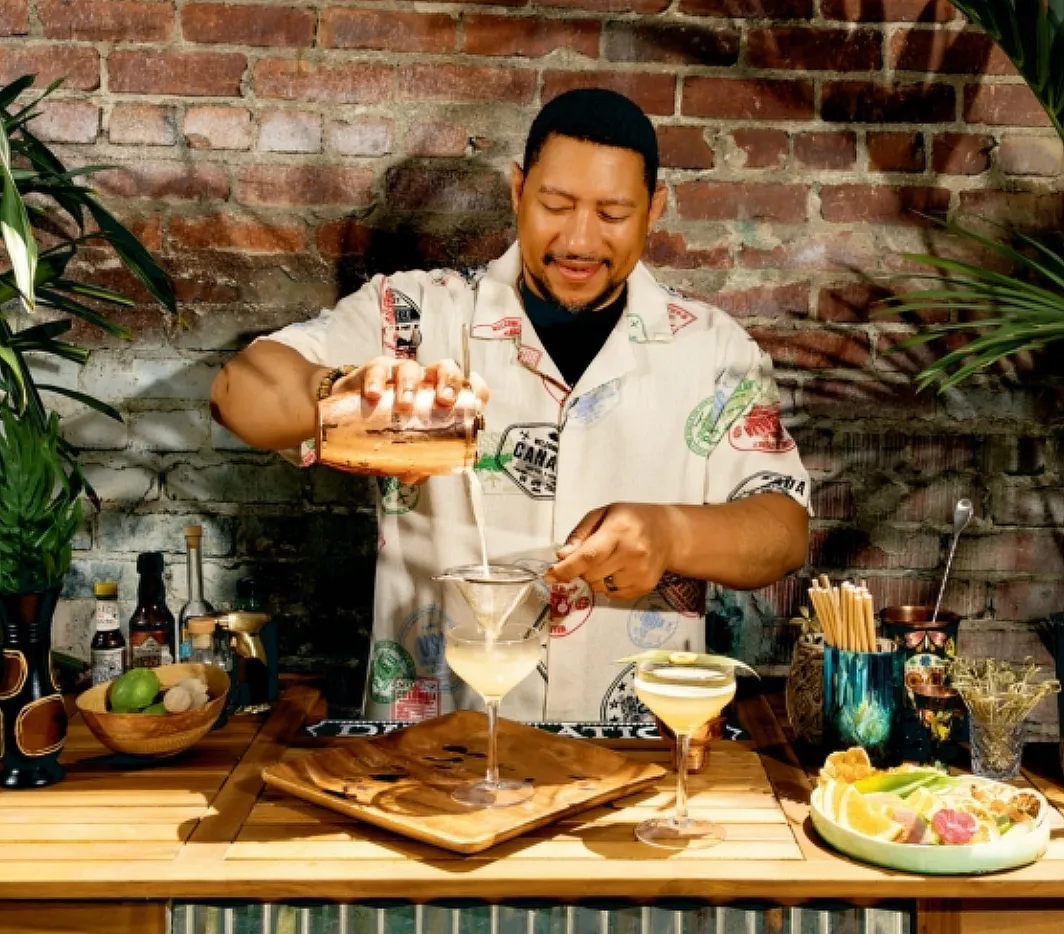
When is a cookbook more than a cookbook? When it includes stories, childhood memories and a combination of flavors folded into the history of the peoples and culture of the Caribbean.
That’s what the owner of Oakland’s alaMar and Sobre Mesa, Nelson German, has done along with culinary anthropologist and chef Andréa Lawson Gray in the new book “Caribbean Cocktails: Drinks and Bites from the Afro-Latino Diaspora,” released June 2. Each recipe comes with a side of story and a few tidbits about preparation.
German, who is also a Top Chef alum and co-owner of San Francisco’s Meski, attributes his fascination with cocktails to an unexpected stint behind the bar several years ago. He was pressed into service and found he enjoyed the art of mixing cocktails (even under pressure), which inspired him to create many of the drinks that appear in the book.
There are more than 40 drink recipes, along with 25 low-alcohol recipes, a number of non-alcoholic versions of Caribbean-inspired cocktails and recipes for preparing easy-to-make “bites,” which German said is rare for a cocktail book. But beyond recipes, the book is full of cultural connections, family history, and love — for family, community, fellow bartenders, and chefs, reflecting the cultures that have influenced German in his culinary career.
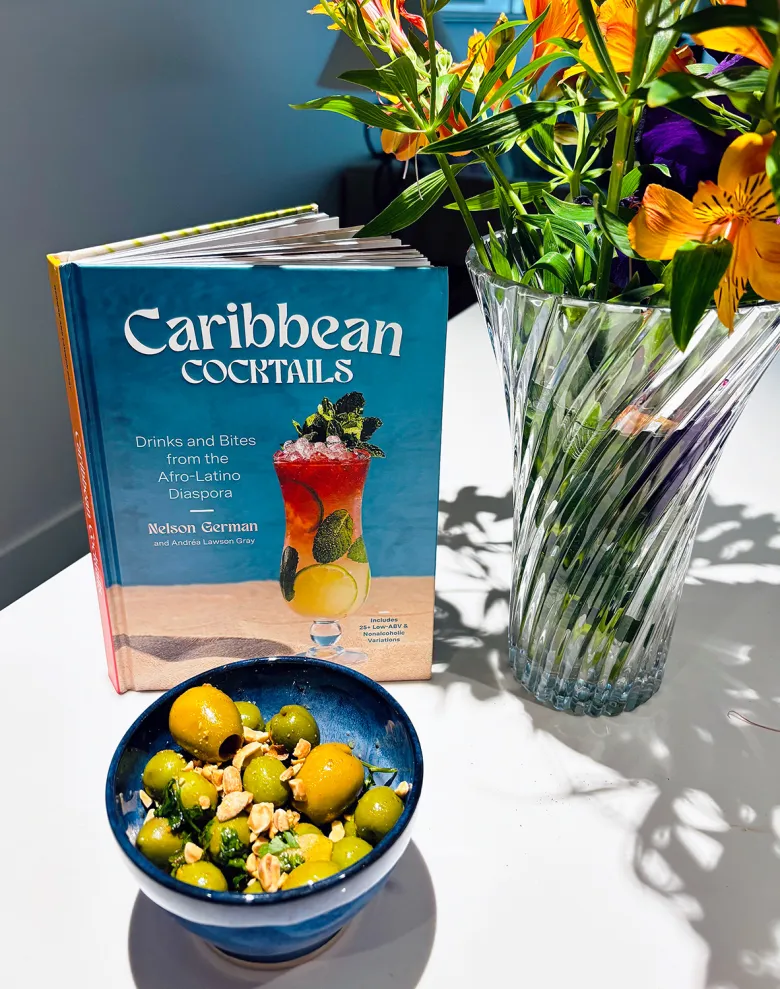 “Caribbean Cocktails,” released on June 2 from Ten Speed Press, includes small bites recipes, like Afro-Cuban mojo olives with peanuts, in addition to numerous drink recipes. Credit: Risa Nye for East Bay Nosh
Whether you are experienced in mixing drinks or a complete novice, this book is designed for use at home, with entertaining in mind. If you are not familiar with bar equipment and aren’t sure what drinks to serve in which glasses, it’s all spelled out in German’s book. You will become familiar with the different types of rum, where they come from, how they’re made and some history about the relationship of the slave trade and the introduction of rum to the Caribbean Islands and beyond. He references the influences of the indigenous Taíno people who once inhabited Hispaniola, as well as West Africans and the Spanish. “In the culinary world today,” he said, “a lot of us now as chefs can honor where we came from and not be ashamed of it. We make food that makes us the happiest.”
Once he decided to create “Caribbean Cocktails,” the process took about three years.
“It was a long time coming and was originally going to just be a cookbook,” he said.
Fellow chef and good friend Tanya Holland introduced German to his co-author, Gray, who most recently co-authored the 2025 James Beard Award-winning “Convivir: Modern Mexican Cooking in California’s Wine Country.” Gray, who has experience as a chef, writer, food historian, photo director, and researcher, marveled at how well the project came together. She dug deep into the history and traveled to the Dominican Republic for the book. As she worked on her first cocktail book, she told Nosh, she “began to understand that the way people build cocktails is the same way people build food … all the pieces came together in the way I had envisioned.”
One of German’s favorite drink recipes in “Caribbean Cocktails,” a Dominican staple called To Die Dreaming (morir soñando), is also on the alaMar menu. It is described as “a creamy, citrus-kissed refreshment — sort of like an orange creamsicle in a glass — that evokes childhood memories and family gatherings … it captures the almost dreamy balance of rich dairy and bright citrus — the ingredients that, when mixed correctly, achieve a near-magical harmony.” Having enjoyed one of these flavorful libations, I concur with this assessment. I also found the small bite recipes easy to prepare. One can make the plátanos al ron (coconut rum-caramelized sweet plantains) and the Afro-Cuban mojo olives with peanuts in about an hour.
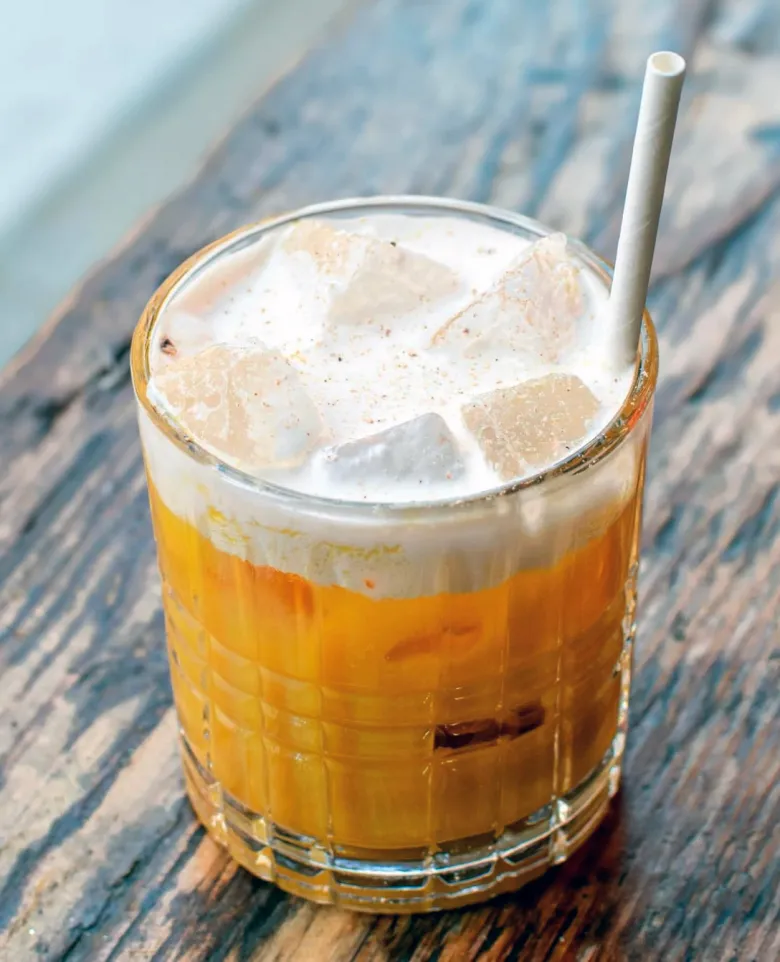 The cocktail Morir Soñando (To Die Dreaming) is featured both in “Caribbean Cocktail” and on the alaMar menu in Oakland. Credit: alaMar
One of his cocktails that features guava (“I love guava!”) reminds German of being a kid and “going to the bottega and getting softbread filled with guava paste and chocolate.”
As the book tells us, “In the Dominican Republic, guavaberry is not just a flavor—it’s a connection to heritage, a taste of home, and a melody that carries the rhythm of the island’s soul.”
Friends and family, and one professional chef, taste-tested the drinks, German said. Several “guest bartenders” also contributed cocktail recipes. “It was important to have the recipes tested at home, so they would be easily accessible and super simple. They’re made for the home cook or bartender… not just made for chefs, but for everyone.”
The book is divided into six chapters, grouped by flavor family: “Cálido, Tibio y Dulce” (Warm and Sweet), “Flores, Frutas y Hierbas” (Floral, Fruity and Herbal), “Agria” (Sour and Bitter), “Picoso” (Spicy), and “Salado y Ahumado” (Salty and Smoky). For example, the warm and sweet flavor family includes allspice, cardamom, cinnamon, coconut, cloves, cumin and ginger, while the sour and bitter family includes beer, sour beer, bitters, citrus peel, pomegranate molasses and tamarind. Cocktails and paired bites reflect the same family traits and tastes.
One to try from the “Cálido, Tibio y Dulce” chapter: the Santa Rosa, made with spiced rum, Sorel Liqueur, chocolate syrup, marshmallow syrup, Amarula, and Old Man Guavaberry Rum Liqueur. Create your own Mamajuana (“known as a cure for just about everything”) with Dominican rum, red wine, honey, tree bark, warm herbs, and spices. And from the “Agria” chapter, The Latinidad is Libre: made with white rum, coconut water, lime juice, hibiscus syrup, mauby syrup (with suggested substitutes), and sour beer.
As a chef, German wants to share stories about his Dominican and African heritage. He also wants users of his cookbook to create their own Caribbean-themed parties at home, and “impress their friends in a super simple way.” Serving drinks to a crowd is the reason he has included instructions for “batching” a number (but not all) of the cocktails in his book. Some recipes that feature citrus, eggs or cream, for example, would not keep well if made ahead of time. Use the batching method to free yourself from the kitchen, making drinks ahead so you can mingle with guests and enjoy your party.
German wanted to keep the book “lively and positive.” His outlook represents the positivity with which his culture sees life. As a kid growing up in New York’s Washington Heights, he said, “For us, no matter what you have in life, you still live life to the fullest.”
“Caribbean Cocktails” is published by Berkeley-based Ten Speed Press. Photographs by Eduardo Gonzales and vibrant illustrations by Fanesha Fabre (an Afro-Dominican artist Gray found) add to the beauty and visual appeal of the book.
However, if you crave the recipe for braised oxtail, alaMar’s signature dish, German said, “You’ll have to wait for the next cookbook.”
Related stories
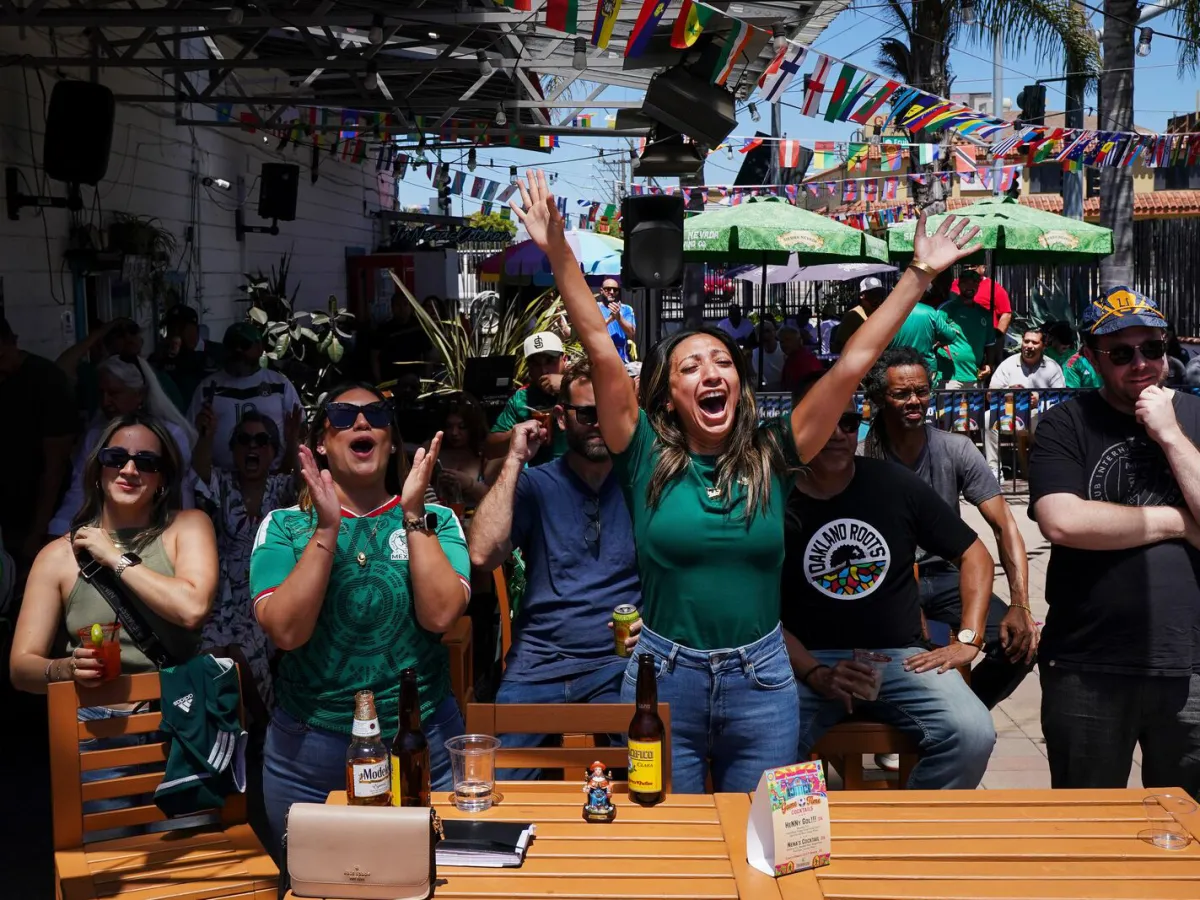
‘Gooooool’: 29 bars, restaurants and other venues to watch the World Cup around the East Bay
June 11, 2026June 12, 2026, 12:22 p.m.
June 9, 2026June 9, 2026, 12:08 p.m.
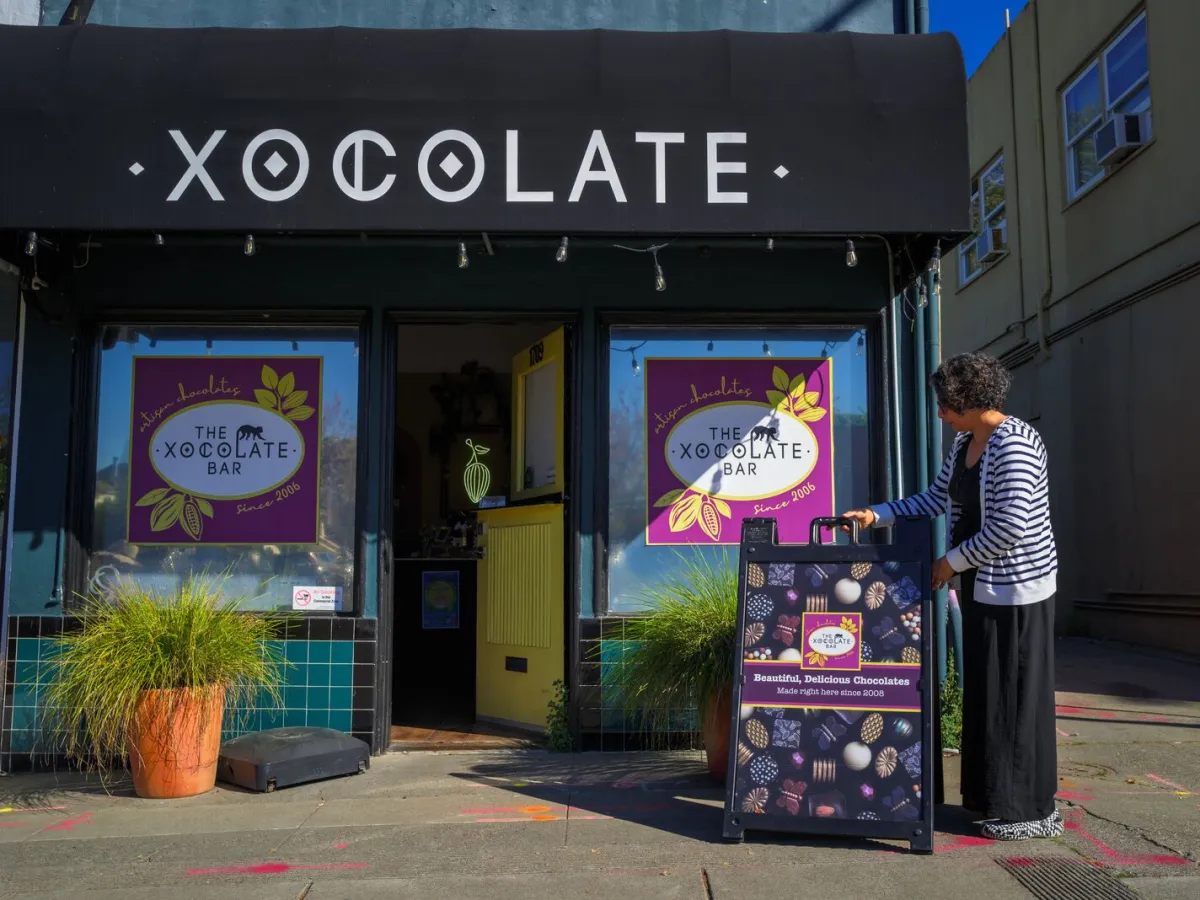
Xocolate announces final day, plus Milyar, 84 Viet, and Malibu’s Burgers close
June 12, 2026
“*” indicates required fields