
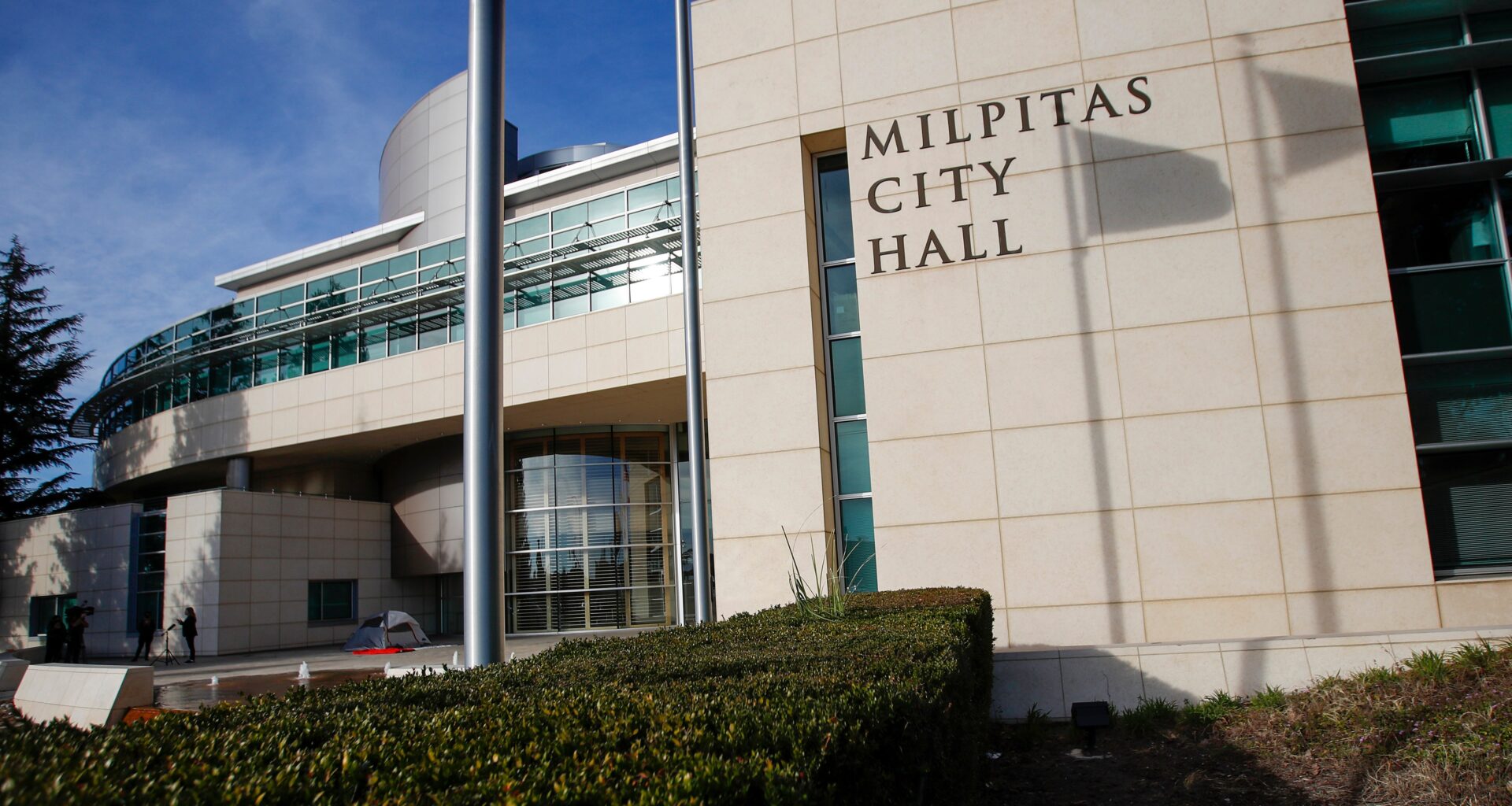
Milpitas voters will decide in November whether to revamp how local businesses are taxed under ballot Measure K — a change that would add an estimated $3 million annually to the city’s coffers.
City officials assert the measure would allow the city to maintain and bolster essential services amid a looming budget deficit, while opponents argue that any additional taxes would eventually raise costs for locals.
Measure K would tax businesses a flat rate based on the amount of money they make. The flat rate would increase with inflation, and businesses bringing in over $700,000 would also pay more based on a percentage of how much they make. (A full formula for the tax is available on the city’s website.)
The tax would need a majority vote to pass, and would go into effect on Jan. 1, 2028, if passed. Money from the tax would go to the city’s general fund, meaning city council could allocate it to any of the city’s programs.
Currently, the city uses a 50-year-old system which taxes businesses based on the type of business and number of employees. According to city officials, this results in some smaller businesses paying over 70 times more per employee than what larger businesses pay.
“It’s way overdue,” said Milpitas Mayor Carmen Montano of the tax measure. “It’s fair and it will help us bring down that structural deficit and maintain services in the city.”
The proposed tax comes after city staff forecasted a deficit of over $19 million dollars by 2031, driven primarily by the rising costs of labor and benefits. City staff expect a recent deal with Rivan to bring in millions of dollars to city coffers over the coming years, while taxes from other businesses, like an incoming Amazon warehouse, could also help alleviate the deficit. Even so, this influx of business was not included in the city’s most recent forecast earlier this year.
Milpitas City Manager Willie Hopkins argues that both the increasing costs of city services and the rising need for infrastructure and public safety in the growing city make the tax measure critical.
“If it’s rejected … it really makes it more difficult for us to maintain the city and provide those services that the community has become accustomed to,” said Hopkins, who said the money would help preserve a “safe and clean” city.
The measure would also bring down taxes on smaller businesses, and has garnered support by several small business owners. Both police and firefighters unions have also backed the measure.
“It really levels the playing field and also doesn’t put an additional burden on the residential taxpayers,” said Hopkins.
Even so, some are pushing back against the assertion that residents would not be paying for the tax. Mark Hinkle, president of the Silicon Valley Taxpayers Association, argues that businesses will pass on the increased cost of taxes to consumers – including those in Milpitas – in the form of higher prices. “The proponents say ‘no tax to residents.’ Well, that’s a big fat lie,” he argued.
The measure would add to the already high cost of living, said Hinkle, who added that the city government should instead pare back its services to essentials like infrastructure and public safety. “Who spends your money better than you? Certainly not the government,” he said.
The Silicon Valley Taxpayers Association and the Libertarian Party of Santa Clara County oppose the measure.
More information on the tax measure and arguments in favor and against it are available at the city’s election website.