
Dozens of Bay Area school districts have announced layoffs, budget cuts or school closures this year to repair gaping budget deficits ranging from $6 million to over $100 million.
Last month, Oakland Unified School District voted to lay off more than 400 staff. West Contra Costa Unified School District approved nearly 200 staff layoffs and the merger of two schools. San Jose Unified School District is considering closing five elementary schools, while the city’s East Side Union High School District moved to cut at least 85 staff positions.
But families and advocates have warned closures and cuts can impede students’ academic and social well-being, exacerbating struggles to find childcare or reliable transportation and furthering disproportionate impacts on low-income and higher-need students.
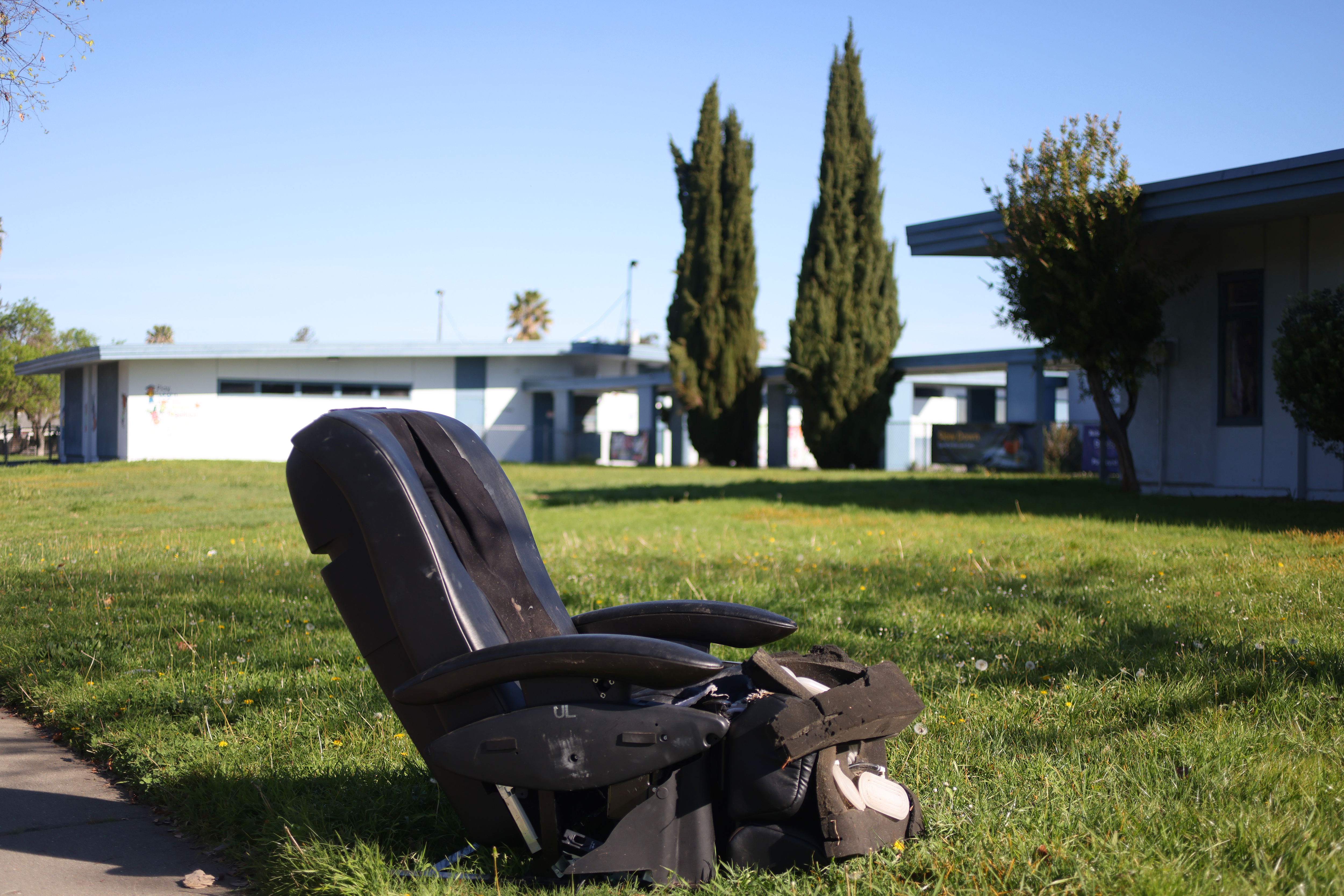
A discarded chair on the front lawn of Sylvia Cassell Elementary School on Tuesday, March 17, 2026, in San Jose, Calif. The school has been closed by the Alum Rock Union Elementary School District. (Aric Crabb/Bay Area News Group)

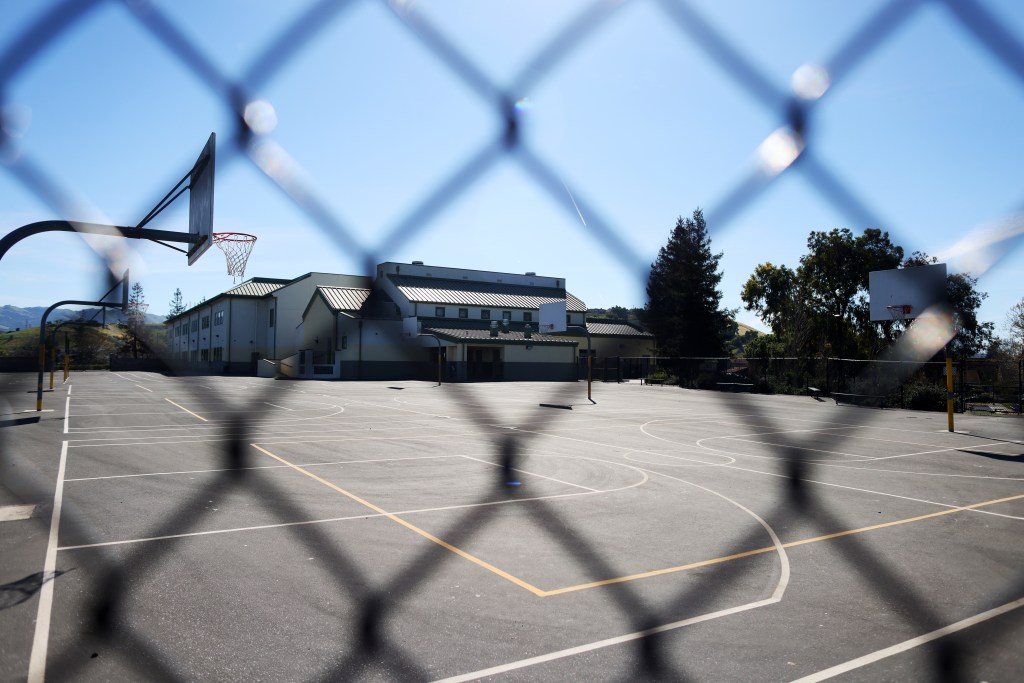
Locked gate at the entrance of Ramblewood Elementary School on Tuesday, March 17, 2026, in San Jose, Calif. The school has been closed by the Franklin-McKinley School District. (Aric Crabb/Bay Area News Group) Tuesday, March 17, 2026, in San Jose, Calif. The school has been closed by the (Aric Crabb/Bay Area News Group)
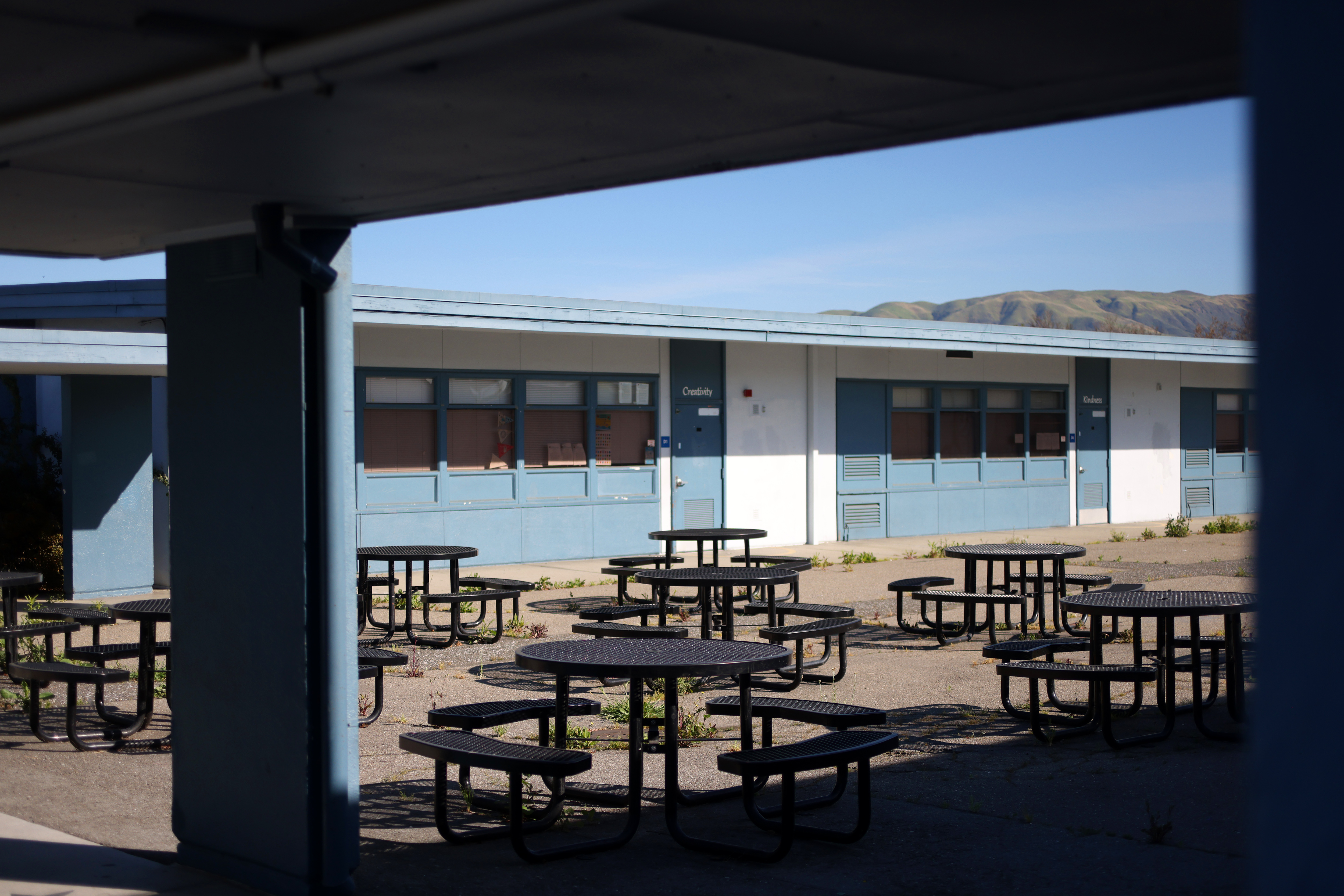
The campus of Sylvia Cassell Elementary School on Tuesday, March 17, 2026, in San Jose, Calif. The school has been closed by the Alum Rock Union Elementary School District. (Aric Crabb/Bay Area News Group)
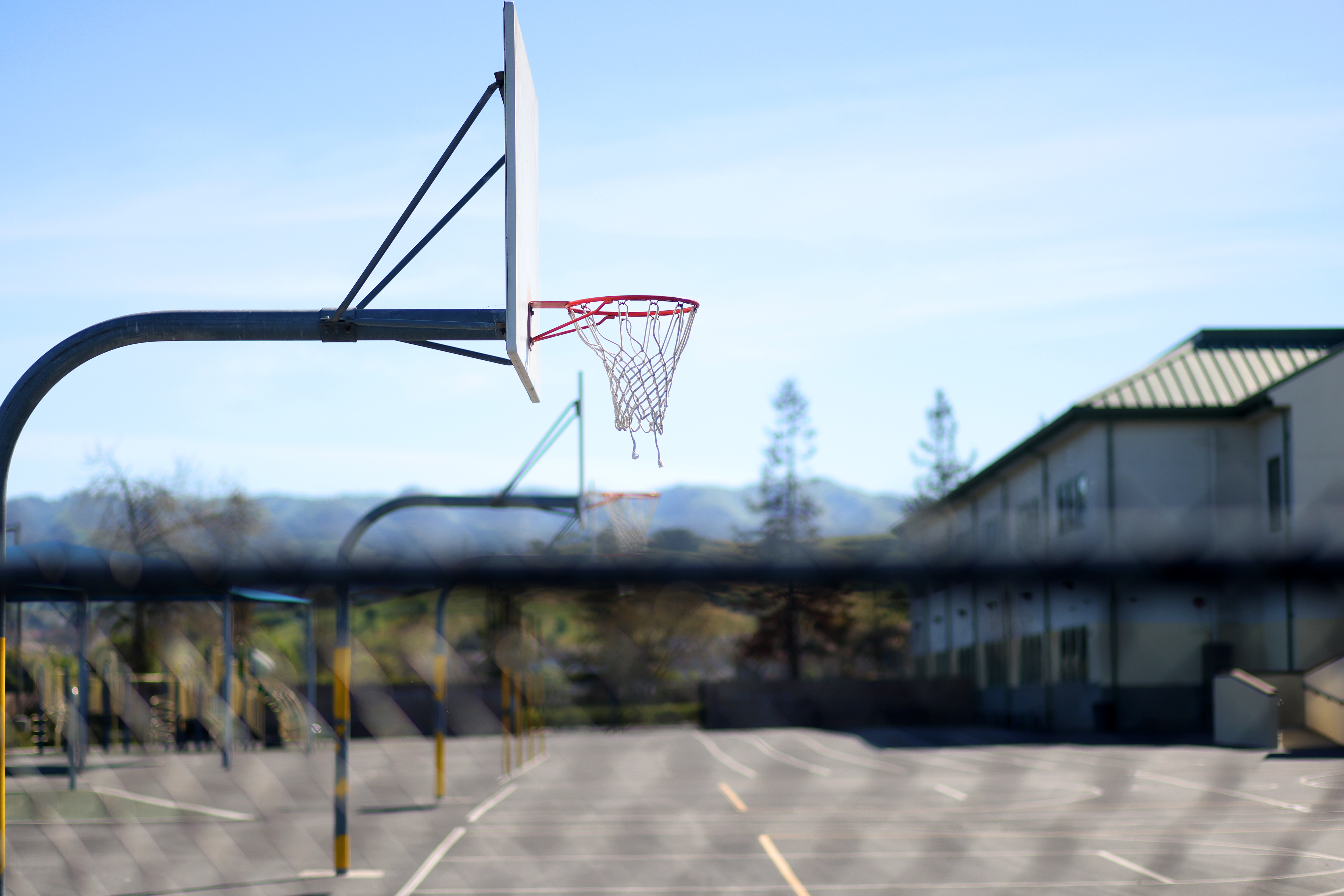
The campus of Ramblewood Elementary School on Tuesday, March 17, 2026, in San Jose, Calif. The school has been closed by the Franklin-McKinley School District. (Aric Crabb/Bay Area News Group)
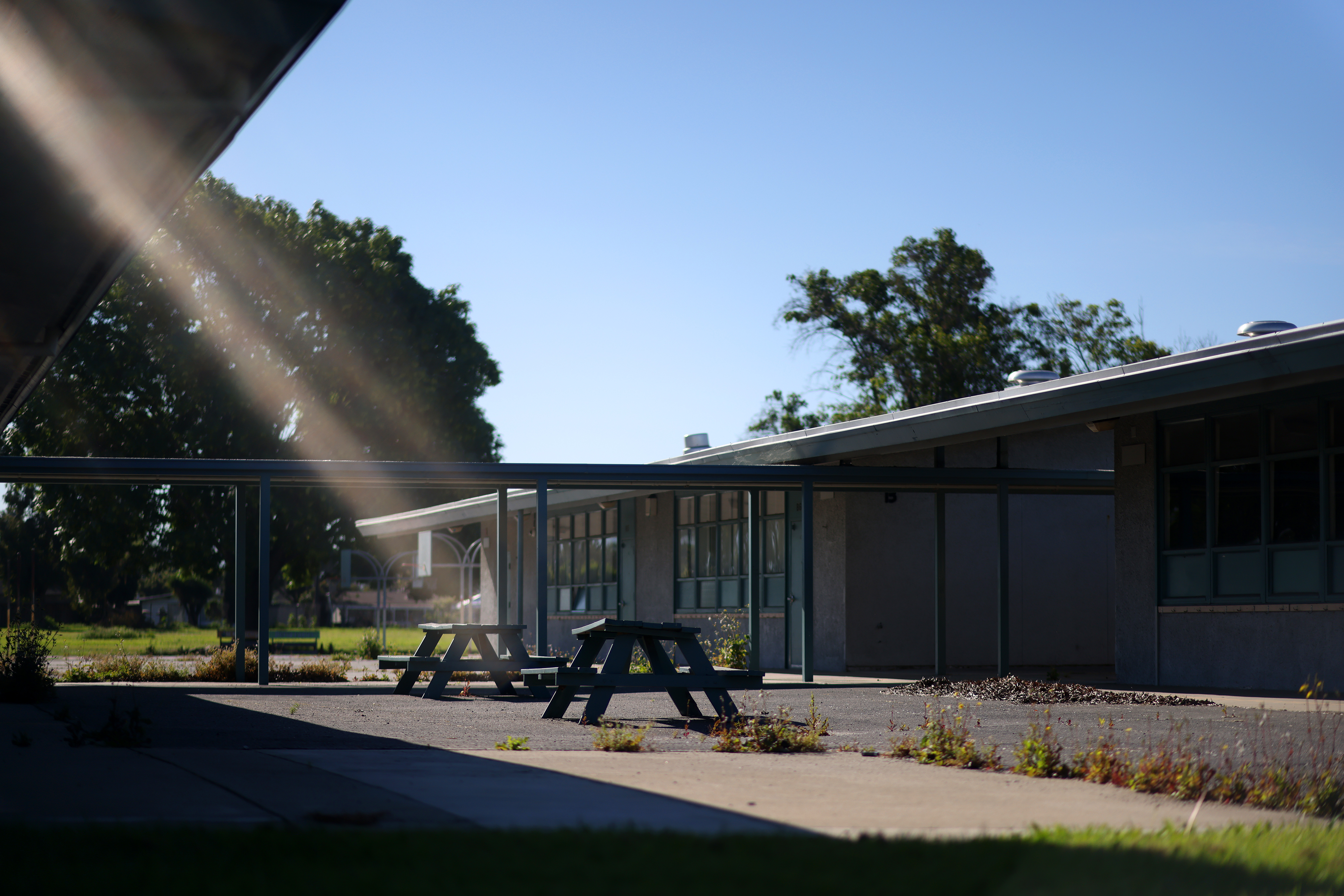
Picnic tables on the campus of A.J. Dorsa Elementary School on Tuesday, March 17, 2026, in San Jose, Calif. The school has been closed by the Alum Rock Union Elementary School District. (Aric Crabb/Bay Area News Group)
Show Caption
1 of 5
A discarded chair on the front lawn of Sylvia Cassell Elementary School on Tuesday, March 17, 2026, in San Jose, Calif. The school has been closed by the Alum Rock Union Elementary School District. (Aric Crabb/Bay Area News Group)
What sets these latest cutbacks apart from past cycles is that they come at a time when education funding in the state has been steadily increasing. Gov. Gavin Newsom’s latest budget proposal would pour record-breaking amounts of money into schools and increase overall education spending by more than $10 billion for the 2026-27 state budget. So why are so many districts discussing layoffs and school closures?
Mike Fine, chief executive officer of the Fiscal Crisis and Management Assistance Team — a state agency that helps California schools resolve financial and operational issues — said it comes down to one reason: declining enrollment.
“That’s the number-one reason why a school district considers a school closure or a consolidation or some kind of reconfiguration of grades,” Fine said. “(There’s) no other reason to be closing a school other than you’ve got fewer kids.”
California is seeing that decline in public school enrollment for two key reasons, Fine said: lower birth rates and migration across or out of the state.
As one of the most expensive areas in the state, the Bay Area has been hit particularly hard, Fine explained, with increased housing costs forcing families out of the region.
In the last decade, Bay Area school enrollment fell 8%, trailing only the Los Angeles and Sierra regions in the percentage of student losses, according to an analysis of the data by the Public Policy Institute of California, a nonprofit think tank based in San Francisco.
Fine said while student enrollment started to decline as far back as 2004, the pandemic sped up “what had been a very gradual decline” as residents left the state and immigration slowed.
“Since 2004-2005, we’ve lost about 500,000 kids, but almost 300,000 of that came during the COVID years,” Fine said.
Declining enrollment, while it has slowed since the end of the pandemic in 2023, is expected to continue. There were an estimated 6.2 million students enrolled in California public schools in the 2019-2020 school year, but the California Department of Finance projects that number will drop to 5.2 million by 2032.
That’s a problem, said Brett Guinan, a research associate for the Public Policy Institute of California, because California funds schools based on the number of students in class.
“If there are fewer students, the school gets fewer dollars,” Guinan said. “And the way that we count how many students are in a district in California is based on average daily attendance.”
So while school districts in the Bay Area need to staff schools and maintain resources and facilities for every student enrolled in their district — regardless of if they show up — the state only funds districts based on how many students are attending class each day.
Another problem, Guinan said, is that the pandemic increased the number of students considered chronically absent — meaning they missed 10% or more of the school year, or about 18 school days. Under the current funding formula, schools with a higher rate of chronic absenteeism get less funding — which often affects disadvantaged students the most.
“We have known that students who are high-need have always tended to be more likely to be absent from class,” Guinan said. “Foster youth, homeless students, students with disabilities, low-income students all have higher than average rates of absence.”
Not every school district in California is losing money from chronic student absences or declining enrollment, said Carrie Hahnel, a senior associate partner at the education policy nonprofit Bellwether.
Under California’s funding formula, schools receive a base amount of funding per student, and additional funding for students considered high-need, like English learners, foster youth or low-income students.
And districts located in areas where local property taxes are higher than what they would have received from the state get to keep the surplus funding and only receive minimal state funding, earning them the nickname “basic aid” districts. That means they generally do not lose money from student absences.
About 10-15% of California school districts are considered “basic aid” districts, and many are located in the Bay Area.
Because of that, only one of the five high-school-only districts in Santa Clara County, East Side Union High School District, relies solely on state funding — meaning that when it comes time to make cuts, East Side Union students are the most impacted, said the district’s superintendent Glenn Vander Zee.
“The state does not invest at the same level in East Side students than the other high-school-only districts in the county,” Vander Zee said.
Vander Zee said East Side Union High School District received about $12,000 per student in funding, while other high school-only districts in the county — including Campbell Union, Fremont Union, Mountain View-Los Altos Union and Los Gatos-Saratoga Joint Union — received $14,000 to $24,000 per student.
The district recently approved cutting $6.5 million in annual salary costs through layoffs — about 85 positions — to avoid insolvency and address a $25 million budget deficit. Vander Zee said the district is not currently considering closing schools, and credited his board of education’s early retirement incentive and parcel tax as ways the district has been able to tackle its budget deficit.
Vander Zee acknowledged that even basic aid districts in the Bay Area are struggling with multimillion-dollar budget deficits, layoffs and cuts. The difference, he said, is that because of California’s inequitable funding formula, East Side Union students are “already underinvested in” when it comes to staffing and personnel, and can’t afford to make additional cuts.
“When it comes time for districts like East Side to make cuts, you’re having to cut closer to the lived student experience than in some other districts,” he said. “Districts that have higher staffing ratios, they are having to make cuts but not get down to the levels of East Side, which is starting with perhaps $10,000 less per student in investment.”
Fine, from FCMAT, explained that the recent surge in layoffs, school closures and budget cuts from school districts across the region is because districts are at a tipping point where they must finally address declining enrollment after years of drop-off. The expiration of one-time state and federal pandemic funds, as well as inflation and rising expenses has all contributed to increased budget pressures.
“In the early years of those pressures, (districts) had reserves, they had other things that kind of kicks the can down the road and that’s all coming to an end now,” Fine explained. “Which is why you see them acting, is because they don’t have the same level of reserves they once had.”