
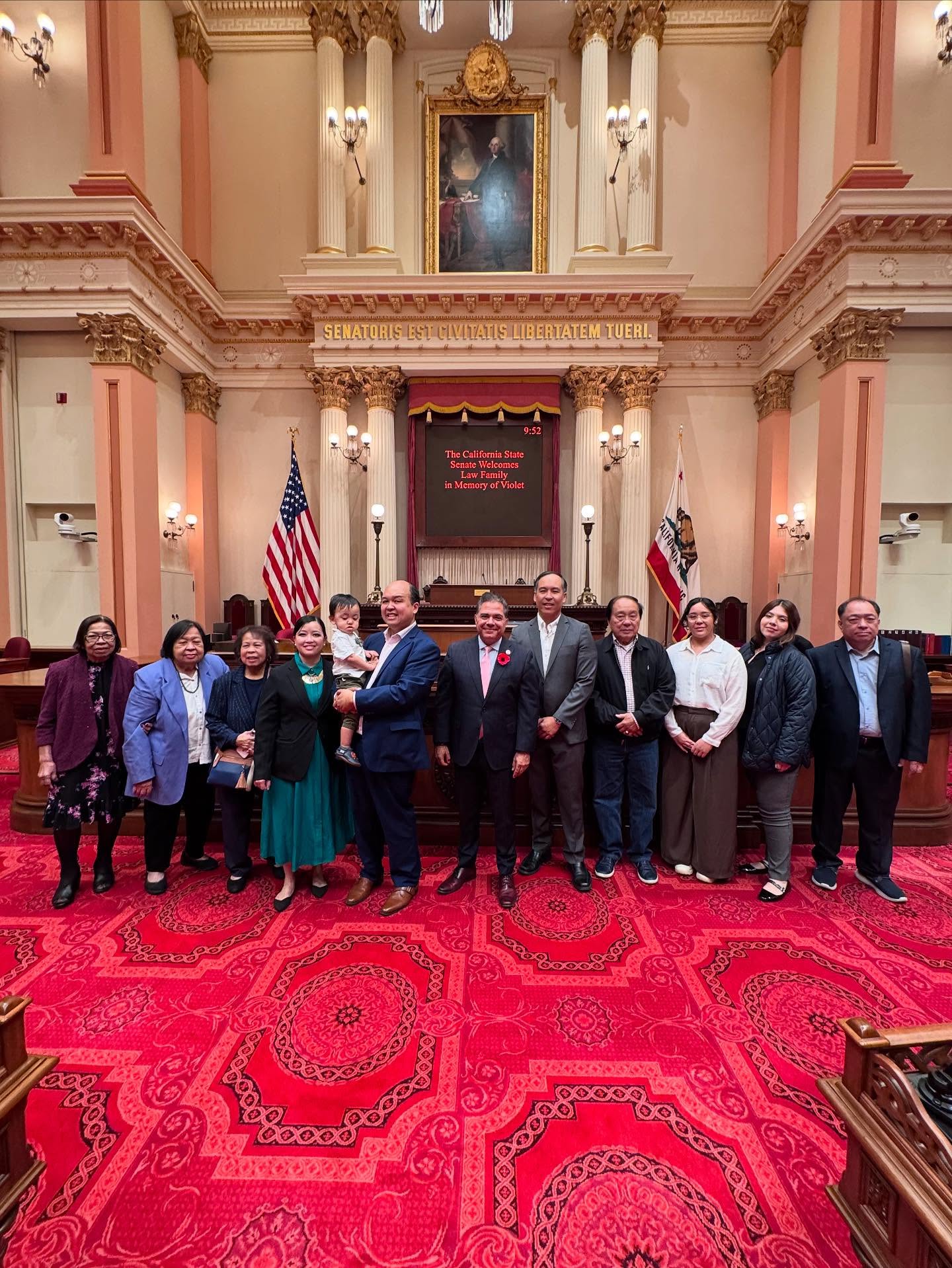
The State of California recognizes May 23, 2026 as GM1 Gangliosidosis Awareness Day. (Photo courtesy of David Law)
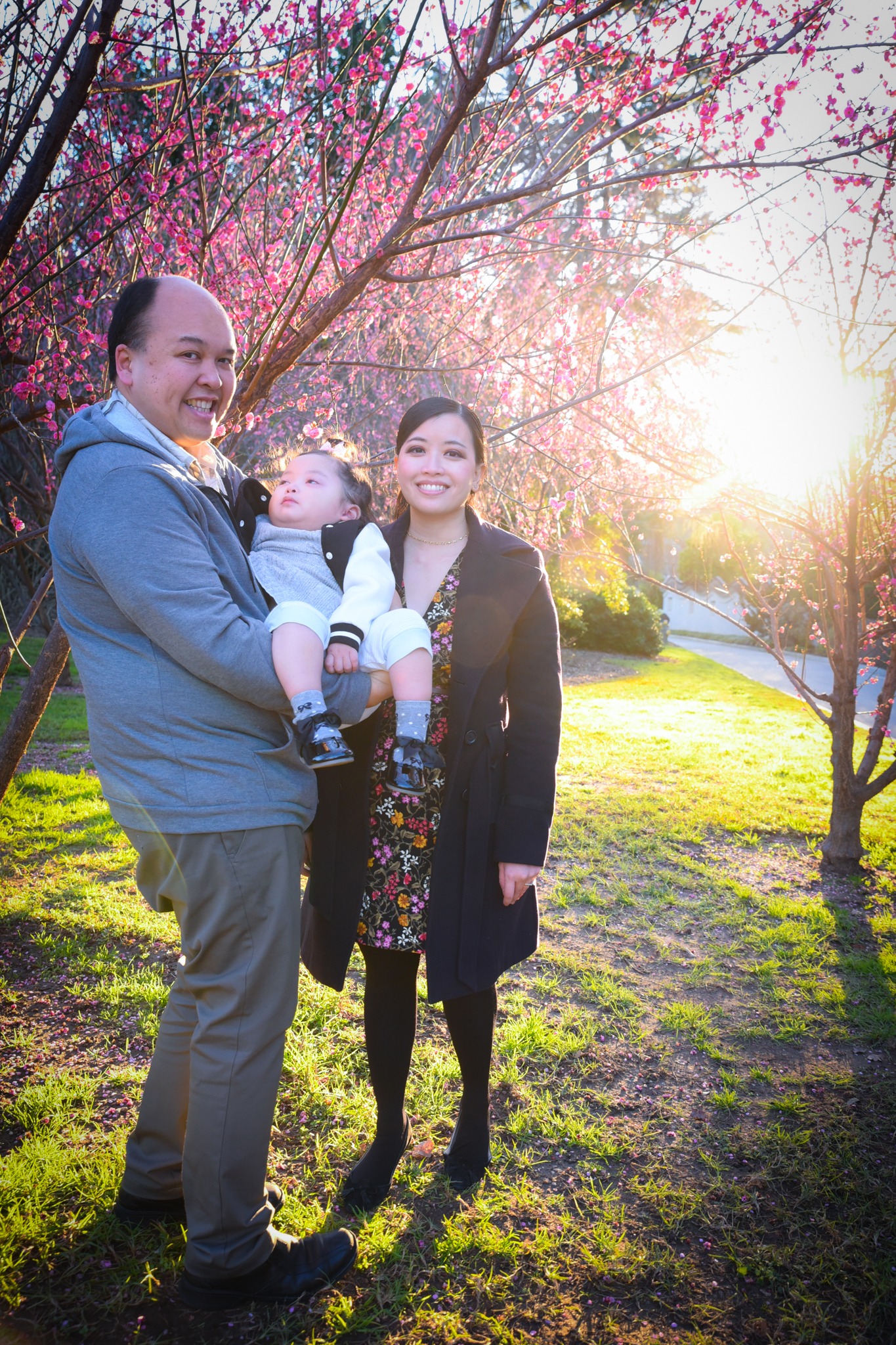
David Law with his wife Veena Sison-Law and daughter Violet Sison-Law. (Photo courtesy of David Law)
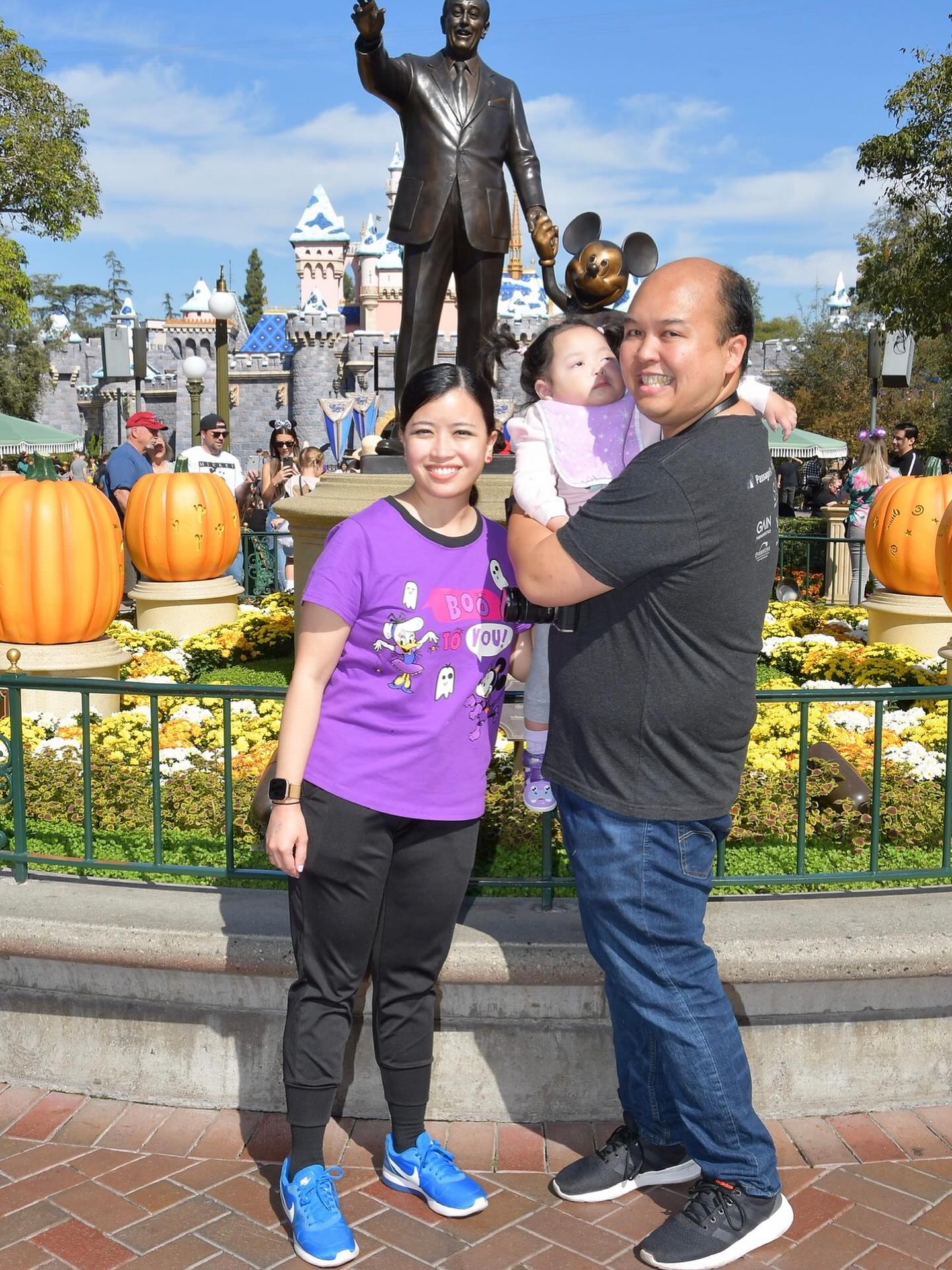
David Law with his wife Veena Sison-Law and daughter Violet Sison-Law. (Photo courtesy of David Law)
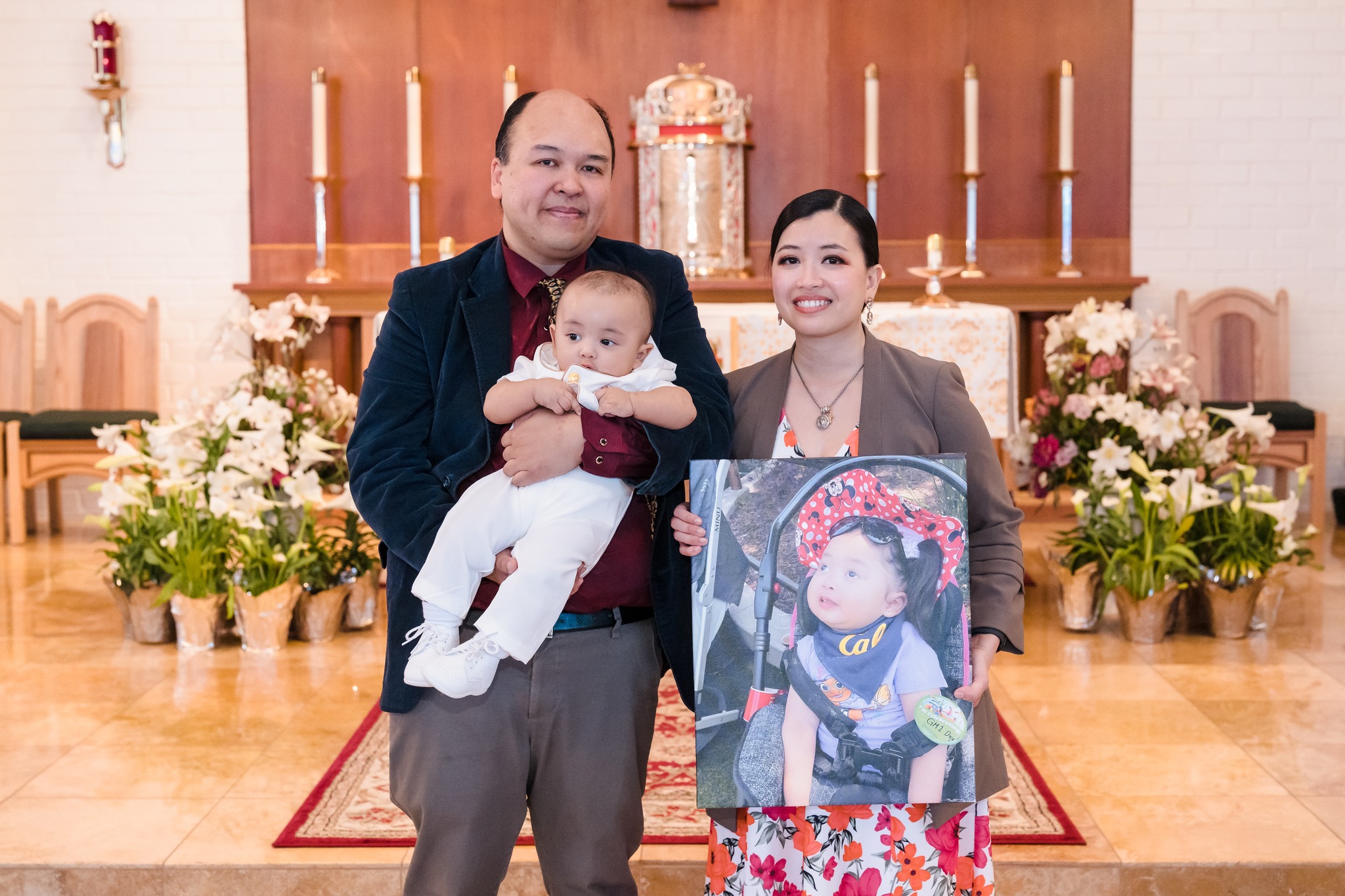
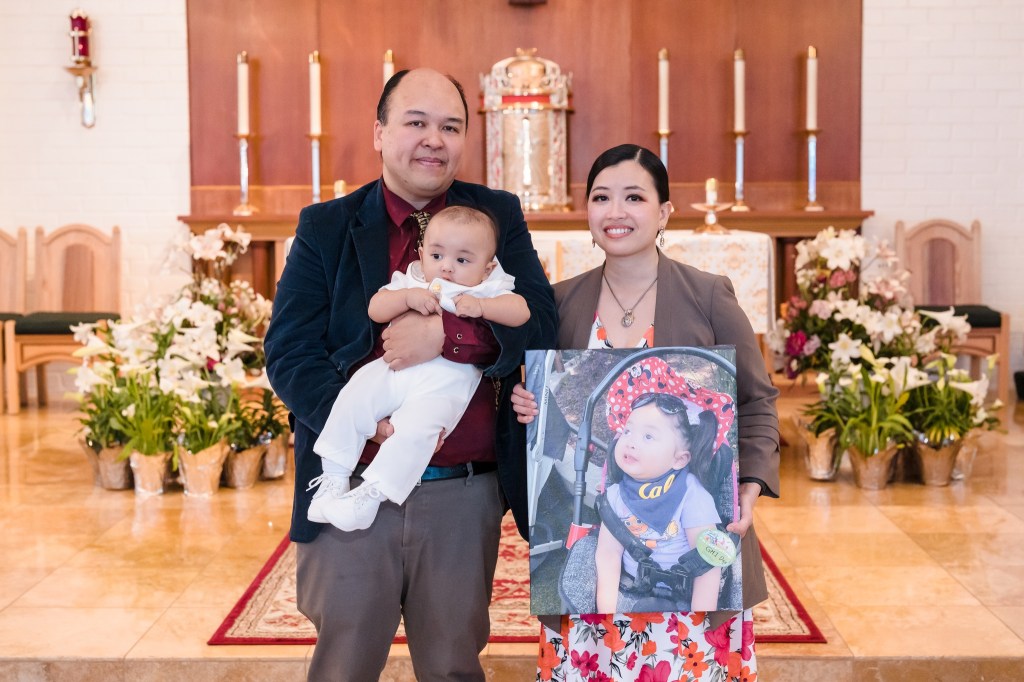
David Law with his wife Veena Sison-Law and his son Derek Sison-Law, holding a photo of their daughter Violet Sison-Law who died from GM1 Gangliosidosis. (Photo courtesy of David Law)
Show Caption
1 of 4
The State of California recognizes May 23, 2026 as GM1 Gangliosidosis Awareness Day. (Photo courtesy of David Law)
California this weekend will once again recognize a rare and deadly genetic disease that kills most of those affected between the ages of 2 and 4 years old — in large part because of a local couple who experienced an unimaginable tragedy.
GM1 Gangliosidosis Awareness Day will take place in California on Saturday, May 23, recognizing a lysosomal storage disease that leads to a lipid called GM1 ganglioside to accumulate in the brain and body. This causes the brain to deteriorate, resulting in vision loss, muscle loss, decreased cognitive function, seizures and, eventually, death.
While the disease is rare, with only 1 in every 1,000 infants being impacted, it is also rarely diagnosed before irreversible neurological damage has been done.
Torrance native and Long Beach physician Dr. David Law experienced this firsthand.
Law and his wife, Dr. Veena Sison-Law, had their first child in 2019. At first, their daughter Violet was seemingly healthy. She was progressing normally. For a while.
Shortly after she reached 18 months, however, Violet started having mental delays and in 2021, she suffered a seizure. She was then diagnosed with Type 1 Infantile GM1 Gangliosidosis.
Law and his wife were shocked. Even though they were both seasoned doctors, they had never heard of the disease.
“Me and my wife are both doctors and we’re both medical leaders,” Law said. “So we know all too well the workflows of how to handle most common diseases we encounter. For something like this, there was no playbook. Even our pediatricians were like, ‘Well, you should call UCLA and see what they got.’ We were on our own.”
Through their connections and sheer determination to help their daughter, they were able to get Violet into a clinical trial at UCLA . The trial eased her symptoms. But it could not reverse the damage that had already been done.
“You get something like this and suddenly, the world falls apart,” Law said. “You can’t give a medicine; you can’t just go to therapy. It’s like you’re actively having this child who’s dying in front of your eyes.”
Violet eventually succumbed to the disease. She died in 2023. She was 4.
Law had publicly shared his daughter’s terminal illness, eventually attracting the attention of state Sen. Steve Padilla, D-Chula Vista, who, shortly after Violet’s death, brought forward a resolution declaring May 23 as GM1 Gangliosidosis Awareness Day – a resolution that has been passed by the California Senate every year since.
“Lack of public awareness and visibility of GM1 Gangliosidosis contributes to underdiagnosis and difficulties in accessing specialized services and proper rehabilitation and support,” says Senate Concurrent Resolution 148. “The goal is to raise awareness and increase the accurate and timely diagnosis of this rare inherited lysosomal disorder.”
Law was invited to attend the state Senate hearing about approving the awareness day resolution in 2023 – and has attended ever since. Law and his wife had another child three months before Violet died and he does not have GM1 Gangliosidosis. They could have moved on with their lives. But instead, Law has invested his time and money into raising awareness and finding a cure for the rare, deadly illness.
He has since become a board member of the Cure GM1 Foundation.
The nonprofit raises money to fund research on treatments and help connect families with resources. The group’s current priority is to put testing for GM1 Gangliosidosis on the newborn screening list. In the U.S., all infants have a blood test to check for myriad genetic, metabolic, blood or hormone-related disorders and diseases. There is a basic list used throughout the country and then each state can add any additional disorders or diseases they like.
Because of how rare GM1 Gangliosidosis is, however, it is not on the newborn screening list. Legislative action would be required to add it — and Law said he thinks there is a good case to do so.
“GM1 is a rapidly progressive disease, meaning that the sooner someone gets a diagnosis, the sooner we can intervene in some way,” he said. “There are no FDA-approved treatments for GM1 diagnosis but there are experimental therapies and trials that we’re pushing for that can hopefully delay or stabilize some of the manifestations.”
But has been difficult to add GM1 Gangliosidosis to a newborn screening panel because of its rarity, according to a Cure GM1 fact sheet.
“Because GM1 is so rare, it will be nearly impossible to gather enough data to add it to the federal Recommended Uniform Screening Panel despite the fact that it meets the requirement of causing severe health issues or death if not treated early,” the fact sheet says. “We should not penalize babies because no treatment exists. Screening could help us find one.”
There are potential treatments coming down the pipeline, Law added, but they cannot be approved without a newborn screening panel. And once the child begins to degenerate, it is too late for any treatment. They would need to begin treatment shortly after birth.
One of these treatments is Enzyme Replacement Therapy, a series of intravenous infusions to correct the underlying enzyme deficiencies. While this may not “cure” a child diagnosed with GM1 Gangliosidosis, it could potentially reduce the severity of symptoms and slow the disease’s progression.
“The lack of an enzyme replacement therapy for GM1 is simply due to a lack of financial resources, prioritization and a team to execute,” the Cure GM1 fact sheet says. “We believe that decades-long experiences with similar drugs such as Aldurazyme for MPS I and Brineura for CLN2 Batten disease serve as successful examples of ERT in rare lysosomal storage diseases”
Law, for his part, said that while he was not able to save Violet, he will continue fighting for the many other children out there who are suffering.
“In this rare disease situation, only very few people who have this experience can really relate to you,” he said. “And despite the loss of our daughter, we still continue to fight and advocate.”
People can learn more about GM1 Gangliosidosis or donate to Cure GM1 by visiting curegm1.org.