
After a proposed plan to quadruple density in San Jose’s residential neighborhoods drew over a hundred residents to speak out on the issue, the City Council held off Tuesday night on choosing a specific path forward on housing density, instead directing staff to explore a range of options.
“I’m really proud of all the actions the council has taken to be extremely pro-housing, but I do think we need to be really thoughtful about how we manage change in our neighborhoods,” said Mayor Matt Mahan at the meeting. “We don’t want to settle on one answer … We’re giving a lot of range intentionally.”
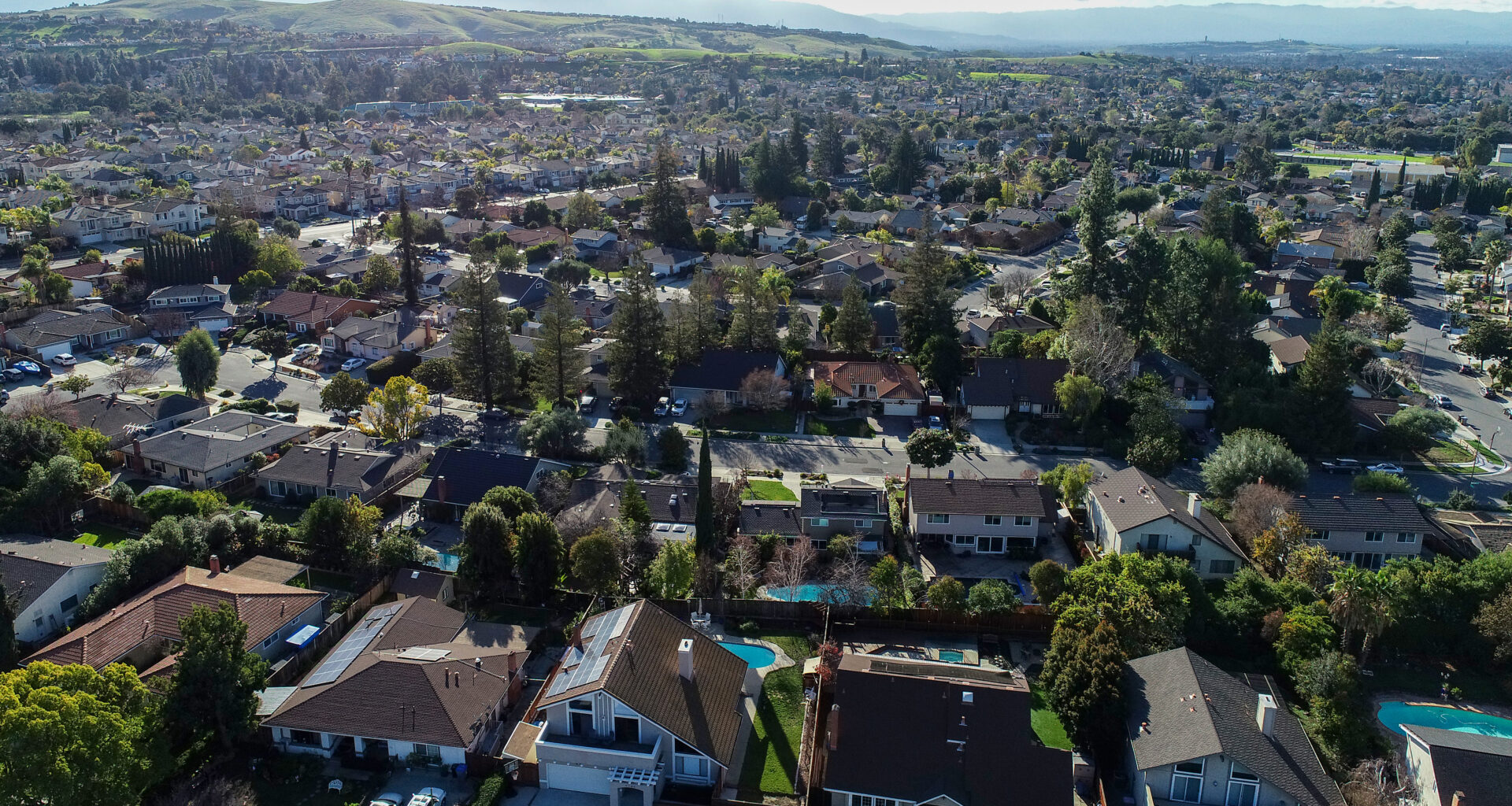
The Planning Commission had recommended quadrupling density limits from eight to 32 units per acre in single family zones, which would affect over 85% of San Jose’s residential land.
The council’s on Tuesday evening, however, directed staff to study a range of density options in residential neighborhoods, looking at 16, 24 and 32 units per acre.
The measure to expand in residential neighborhoods was a key flashpoint and one part of a broader overhaul of city zoning and housing laws proposed under a review of Envision San José 2040 — the city’s long-term blueprint governing land use, housing and growth first approved in 2011.
San Jose – like the rest of the Bay Area – is falling far behind on its state-mandated housing goals: The city must build over 62,000 housing units between 2023 and 2031, so far it has only built just over a tenth of that number.
At the same time, San Jose remains one of the most expensive rental markets in the country and struggles with persistent affordability issues. According to data from Zillow, the median home sale price in San Jose reached $1.42 million as of June, while the average rent for a two-bedroom property stood at $3,325.
Advocates and planners argued that adding density was crucial for addressing these issues, meeting those housing goals and achieving affordability.
Even so, the majority of those who spoke up at the meeting opposed the densifying measure, with some carrying signs saying “Save our neighborhoods.”
Many homeowners pushed back against the assertion that the density would result in more affordable housing. They argued that the density would threaten the character of their neighborhoods and the homes that they worked hard to afford, and cited concerns that more density would result in issues with traffic, parking, and strain utilities. Many claimed the city should focus on building more housing in areas that were already urbanized.
“The community that we have built in this city … to destroy that would be unconscionable,” said Ann Russo, a lifelong San Jose resident. “Once we destroy it, we can’t go back.”
Some who did not own homes maintained that higher density could allow them to achieve the dream of affording a home or allowed them to afford living in San Jose.
“I live in an apartment building. It’s right next to a single-family home … does this make me and my family neighborhood destroyers?” asked San Jose resident Milo Trauss. “No. It makes me someone living in a world-class city that had to be caught up in the results of decades of poor planning decisions.”
Councilmember Anthony Tordillos argued that the increased density was essential because the current approach of adding more density in more urban neighborhoods had not yet borne out. “It is the most vulnerable residents in our community who have disproportionately borne the price of that failure,” he said. “I don’t think we can pretend that the American dream is alive and well when home ownership is so out of reach for so many of our residents here in San Jose.”
Still, others on the council thought the “blanket approach” to densifying housing was inappropriate for the suburban neighborhoods that make up much of the city.
“We’re being asked to essentially take a shortcut, a one-size-fits-all approach that treats the entire city as if every neighborhood is the same,” said Councilmember Domingo Candelas. “It does not sit well with me.”
The council voted 8-3 to approve the recommendations to staff, with councilmembers Candelas, Bien Doan and George Casey voting in opposition.
In addition to choosing to explore the range of options, the council also opted to look at minimum parking requirements for residential neighborhoods, citing resident complaints heard throughout and before the meeting.
The current vote takes a key step in a years-long process to amend the city’s planning. The council has directed city staff to come back to the city council with a plan for a final decision in December 2027. While there are not yet dates set, city council and staff assured that there would be ongoing community input over the next year to ensure residents are involved with the process.