

ⓘ Ronile via Pixabay
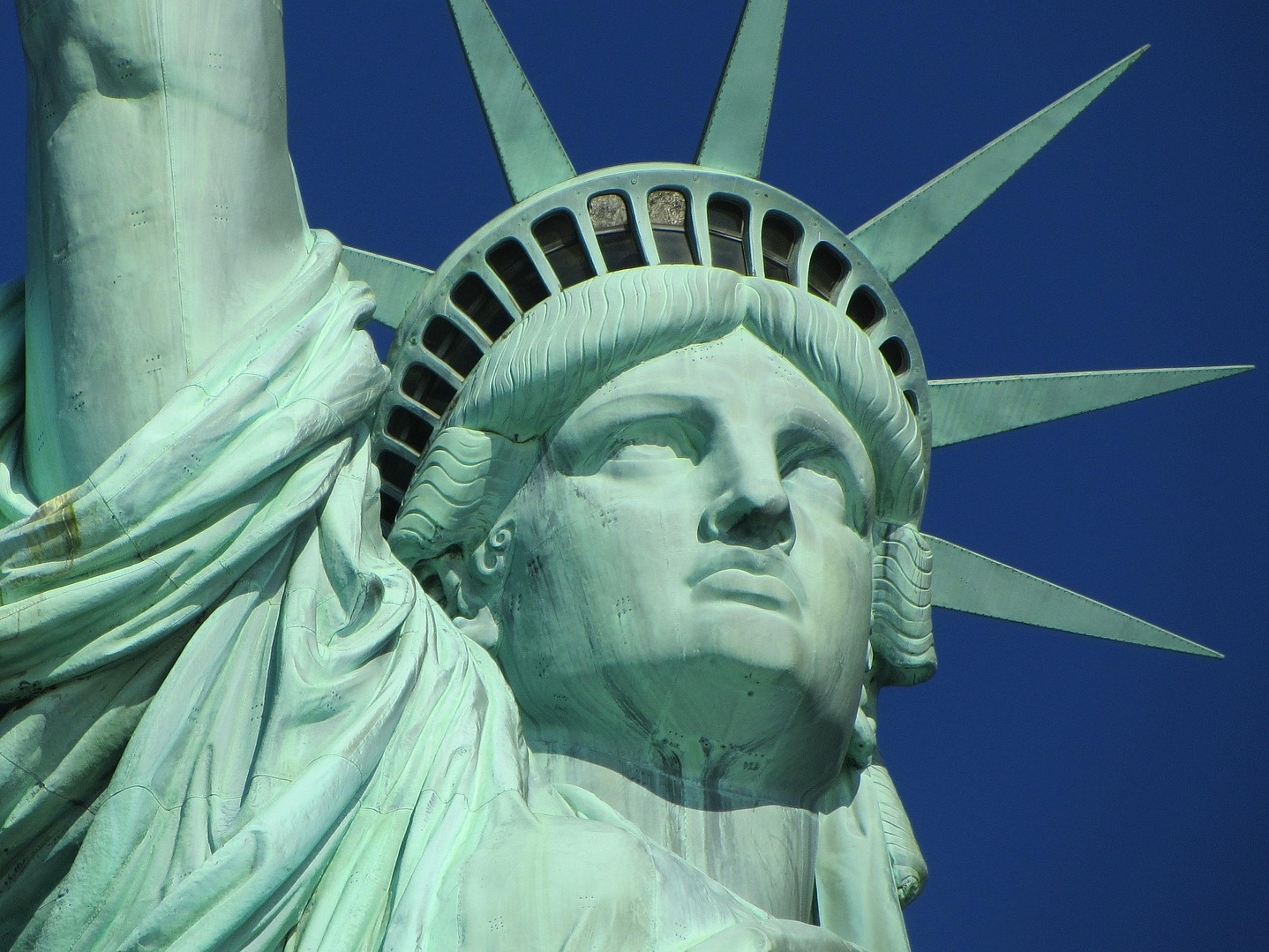
New York is pioneering a new law that was previously struck down at a federal level. The Statue of Liberty pictured.
New York City will introduce “Click-to-Cancel” protections on October 1, requiring businesses to simplify subscription cancellations, disclose recurring-payment terms and outline all hidden fees upfront.
New York City is introducing sweeping new consumer protections aimed at eliminating deceptive subscription practices and hidden fees. Set to come into effect on October 1, the “Click-to-Cancel” rule will require businesses to make canceling a subscription as easy as the sign-up process. It will also require companies to clearly outline their subscription terms, thus preventing confusing cancellation processes that often lock customers into unwanted recurring payments. Officials estimate the measure could save New York consumers up to $162.5 million annually.
The new rule revives an earlier proposal made by the US Federal Trade Commission, which was later struck down by a Court of Appeal on procedural grounds before it could take effect nationwide. New York City’s version will be enforced by the Department of Consumer and Worker Protection, with businesses facing civil penalties starting at $525 per violation, along with restitution for affected consumers. The regulation applies to automatic-renewal and continuous-service subscriptions, including streaming services, gyms and other recurring memberships.
Alongside the subscription reforms, the city has proposed new rules targeting so-called “junk fees” by requiring businesses to advertise the full price of goods and services upfront, including all mandatory charges. City officials state the measures are intended to improve transparency, reduce corporate abuse and protect consumers.
 Jacob Fisher – Tech writer/translator – 2946 articles published on Notebookcheck since 2022
I first became acquainted with computers in my early teens after a broken leg from a football (soccer) match temporarily condemned me to a predominately indoor lifestyle. Soon afterwards I was building my own systems. Now I live in Germany, having moved here in 2014, where I study philosophy and anthropology. I am particularly fascinated by how computer technology has fundamentally and dramatically reshaped human culture, and how it continues to do so.