
The term “superfood” gets tossed around by both the media and health professionals — but does it really mean anything? There’s no formal definition, but you’ll see it attached to all kinds of foods, whether it’s produce, ancient grains or beyond.
This label has long allowed certain foods to be considered superior to others. Just a few years ago, kale was king, then acaí sprouted in every health food space, as did quinoa, and they’re sure not to be the last.
There’s bound to be another food hailed for his nutrients that goes global and drives interest along with demand. It’ll be the word on everyone’s lips for a while before fading into obscurity, making space for the next one. While many superfoods go the way of trends, coming and going, there is something to be said about their value and the health benefits they promise. Ahead, discover exactly what superfoods are and which bites get to claim the label.
What Are Superfoods?
There’s no official definition of a “superfood,” but dietitians and other health experts often use the term to highlight foods with standout qualities, such as:
Supplying nutrients linked to lowering the risk of diseases like cancer, diabetes and heart disease.Offering a distinctive benefit that’s hard to get from most other foods.Packing a combination of nutrients that make it especially powerful — for instance, a food that delivers protein or healthy fats along with antioxidants and key micronutrients.The Top 11 Superfoods To Add to Your DietBlueberries
Blueberries get their gorgeous deep blue hue from anthocyanins — natural plant pigments with impressive health benefits. These compounds have been tied to protecting the brain from age-related cognitive decline and lowering the risk of heart disease. But that’s just part of their nutritional resume: a one-cup serving delivers 4 grams of fiber plus vitamins C and K. And new research suggests blueberries may also support gut health, making these tiny berries a big win for overall wellness.
Walnuts
Nuts in general provide a heap of health benefits and walnuts rise to the top of the list thanks to their high levels of alpha-linolenic acid (ALA), which has been associated with benefits for heart health, brain health and inflammation. Walnuts specifically, have been associated with many health benefits including heart health and gut health, as well as a reduced risk of developing Type 2 diabetes. Walnuts are also particularly beneficial as part of your longevity toolkit. One study looked at the consumption of nuts at midlife and found that women who ate walnuts during midlife were more likely to age healthfully compared to those who did not eat walnuts.
Chickpeas
Chickpeas are one of the most versatile legumes out there — they can be transformed into everything from pasta to creamy dips to even blondies. Nutritionally, they deliver an impressive mix of benefits, offering protein, fiber, potassium and magnesium. Unlike many other plant proteins, chickpeas stand out because they’re a complete protein, containing all nine essential amino acids.
The fiber content in chickpeas is equally noteworthy: most of it comes in the form of soluble fiber, particularly raffinose, which gets broken down in the gut to support healthy digestion. With more than 6 grams of fiber per half-cup serving, chickpeas can help stabilize blood sugar levels — a big plus for people with prediabetes or diabetes. And with 7 grams of protein per serving as well, chickpeas pull double duty by promoting satiety, which may make it easier to reach a healthy weight.
Dark, leafy greens
While kale may be the most popular leafy green, don’t sleep on spinach, arugula, mustard greens or watercress. All these gorgeous greens provide a wealth of nutrients. Iron-rich spinach is a great choice, especially for women. Peppery arugula makes a flavorful salad and provides iron, folate and vitamin A. Watercress is high in isothiocyanates, which may help prevent cancer by helping our body get rid of carcinogens.
Kale is loaded with beta-carotene and lutein and zeaxanthin, making it a smart choice for eye health. It’s also rich in vitamin K, which is essential for blood clotting and is also important for bone health. If you haven’t given mustard greens a try, consider adding it to your must-try list. The pungent bite of this green makes it a tasty addition to egg dishes and it makes a wonderful side when sautéed.
Note that all dark leafy vegetables contain vitamin K, which should be limited if you take blood-thinning medications.
Salmon
If someone told you that you could add two years to your life by eating one food — would you? Well, study after study points to the myriad benefits of eating fish, specifically ones that contain omega-3 fatty acids like salmon. Not only do those healthy fats keep our tickers healthy, they also keep our brains in top form.
A recent meta-analysis found that eating fish was associated with a 20% lower risk of Alzheimer’s. With Alzheimer’s rates on the rise, we should all take note of this significant finding. What’s more, seafood eaters are also less likely to be depressed. In addition to those awesome omegas, salmon contains 21 grams of filling protein in a 3-ounce serving, as well as 444 IU of vitamin D.
Avocado
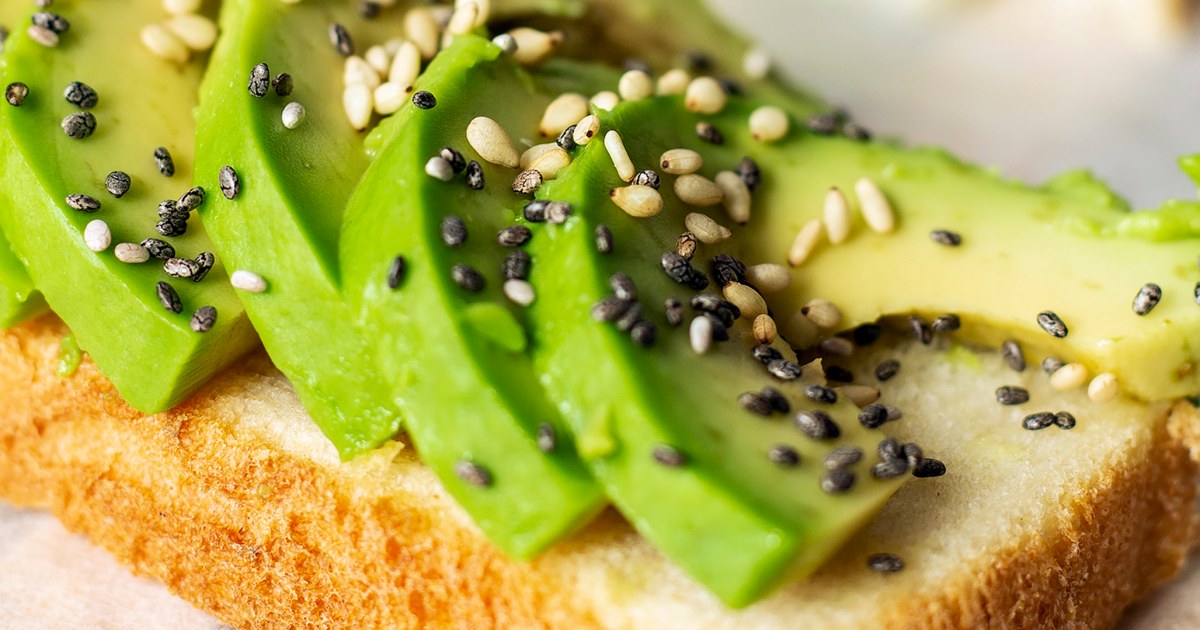
Not only is this creamy green fruit a fave toast and chip topper, it’s also nutrient dense. That delicious green interior is surprisingly high in fiber, with 5 grams in each avocado half. And all that smoothness comes from a high content of heart-healthy monounsaturated fat. Did we mention that avocados also supply 345 milligrams of potassium and contain eye-healthy lutein? All of this could only be described as super.
Flax and chia seeds
Good things do come in small packages! These mighty little flax seeds are both rich in alpha-linolenic acid (ALA), a plant-based omega-3 fatty acid that helps fight inflammation. And flaxseeds also contain lignans, which provide anti-cancer and antioxidant benefits. The diminutive chia seed is also rich in fiber, gluten-free and a good source of protein. Additionally, chia seeds provide long-lasting energy and can help you stay hydrated.
Kimchi
While kimchi isn’t a single ingredient, I’m including it on this list because it checks so many health boxes. It’s a rich source of gut-boosting probiotics, it contains the brain-boosting nutrient, choline, and it also provides immune-supporting benefits.
Made from cabbage, scallions and sometimes radish, kimchi is fermented with garlic, ginger, chili pepper and fish sauce and is traditionally buried in the ground to ferment. This traditional Korean food is delicious and a flavorful addition to so many dishes.
Yogurt
When it comes to versatile ingredients, yogurt easily earns a top spot. It delivers bone-strengthening calcium and vitamin D, muscle-supporting protein and potassium, and gut-friendly probiotics. On top of that, recent research links regular yogurt consumption with a reduced risk of Type 2 diabetes.
With so many benefits packed into one food, I make a point to include it in my daily routine. A three-quarter–cup serving of regular yogurt provides about 6 grams of protein, while Greek yogurt offers even more — around 13 to 15 grams per serving. Both are solid choices; the best pick simply comes down to your preferred texture and taste. Just be sure to check the label for “live and active cultures” for their probiotic benefits.