
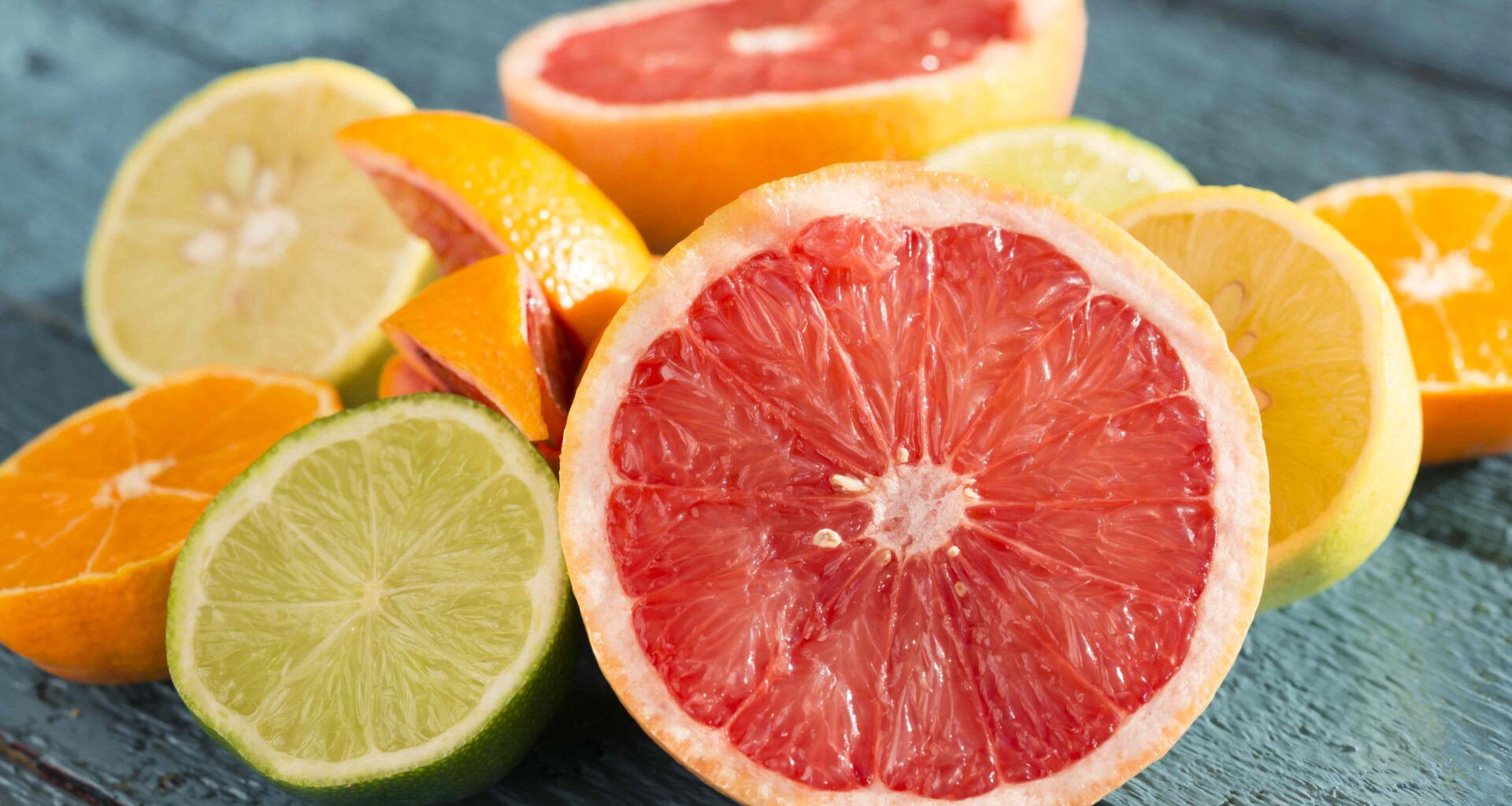
Citrus fruits, such as oranges, lemons, tangerines, limes, and grapefruit, grow on flowering plants in the Citrus genus, native to tropical and subtropical parts of Asia and Oceania. Those juicy, colorful fruits are low in calories and pack several nutrients—not to mention flavor—making them a great addition to a balanced diet.
Interested in incorporating citrus fruits into your eating routine? Here’s what could happen to your body.
Adults need about 25-38 grams of fiber daily (or 14 grams per 1,000 calories), and citrus fruits can help you meet this goal. One orange serves up 2.3 grams of fiber, while a large tangerine has 2.1 grams.
Most of this fiber is pectin, a type of soluble fiber. Soluble fiber forms a gel-like substance that helps slow digestion and prevent blood sugar spikes. It also binds to cholesterol to remove it from your body and lower cholesterol levels.
The remaining fiber is insoluble, which adds bulk to your stool and regulates your bowel movements.
Citrus contains flavonoids and vitamin C, which are antioxidants that promote heart health.
Flavonoids help decrease inflammation, while vitamin C may protect against atherosclerosis. This plaque buildup in the artery walls increases the risk of heart attack and stroke.
Citrus fruits are sources of other heart-healthy nutrients, including folate and potassium. Folate helps break down homocysteine, an amino acid that can increase heart disease risk at high levels. Potassium helps offset the harmful effects of sodium to control blood pressure.
Some metabolites, or substances your body creates when it breaks down citrus, can also decrease heart disease risk.
Adding citrus fruits to your plate may help you get more out of other foods you eat.
The vitamin C in citrus fruits helps your body absorb iron from plant-based sources. Iron is a mineral that supports immune health and helps make red blood cells.
Eating plenty of water-rich foods, including citrus fruits, can keep you hydrated. One small orange is about 87% water, and one cup of unsweetened grapefruit juice is 91% water.
Staying hydrated quenches your thirst and helps your body’s systems work properly. Men need about 125 ounces of water daily, and women need 91 ounces. These amounts include the fluids found in beverages and foods, such as citrus fruits.
Staying hydrated is essential for overall health. It lubricates your joints, regulates your body temperature, and helps prevent constipation.
Vitamin C cannot prevent colds, but some evidence suggests it might reduce their duration and severity.
Six ounces of orange juice has 103% of your recommended Daily Value (DV) for vitamin C. One whole orange has 78%, and one-half of a medium grapefruit has 43%.
Vitamin C plays a role in collagen production, which leads some researchers to believe it can help keep skin looking supple and smooth.
What the Science Says: A 2017 review found that high fruit and vegetable intake can prevent visible signs of aging. The researchers noted that vitamin C may protect your skin against harmful ultraviolet (UV) rays.
Citrus fruits are rich sources of potassium, which helps regulate fluids and contract your muscles. Potassium counters the amount of sodium in your diet by helping your body flush it out, which helps control blood pressure.
Limiting your sodium intake can help decrease the risk of and treat hypertension (high blood pressure).
Eating plenty of potassium-rich foods can help lower your risk of heart disease and strengthen your bones.
The nutrition of citrus fruits will vary based on the type. Citrus fruits are generally low in calories, fat, and sodium and high in antiogxidants, fiber, and vitamins.
For example, one small orange contains nutrients like:
Calories: 45.1Fat: 0.115 grams (g), or 0.15% of the DV Sodium: 0 milligrams (mg)Carbohydrates: 11.3 g, or 4.10% of the DV Fiber: 2.3 g, or 8.21% of the DV Added sugars: 0 gProtein: 0.902 g, or 1.80% of the DV
Citrus fruits come with many benefits and are generally safe to consume. However, there are some things to keep in mind.
Whole Fruit Is Often Better Than Juice
Whole fruits are more filling for fewer calories than citrus fruit juices. The juicing process also gets rid of a considerable amount of the fiber found in citrus fruits.
Juices Have Many Calories and Added Sugars
Calorie and added sugar content are two things to watch out for, especially if you have diabetes or obesity. Drinking too much fruit juice or caloric beverages can contribute to weight gain and high blood sugar.
Note: Some people with diabetes may benefit from fruit juice to raise blood sugar if they develop hypoglycemia (low blood sugar levels).
Check the nutrition facts label when deciding how much to drink. Opt for varieties with no added sugar.
Grapefruit Can Interact With Medications
Grapefruit has interactions with statins (which treat high blood pressure) and anti-anxiety medications. Check with a doctor or pharmacist to rule out any interactions.
People who eat five servings of fruits and vegetables have a lower risk of dying from cancer, heart disease, and respiratory disease. Try adding more citrus fruits to your diet to help meet this goal.
Some ways you can eat more citrus fruits include:
Add citrus juice as a base for dressings or sauces.Grate the zest on chicken, fish, or a salad.Pair citrus fruits with iron-rich foods like leafy green vegetables.Place a few lemon slices in your water for a subtle flavor.Try drinking juice with no added sugars.
Citrus fruits are a source of antioxidants, fiber, vitamins, and minerals that help protect against heart disease and support immune health. These fruits are also mostly water, which can help keep you hydrated.
Enjoy citrus fruits, especially in their whole forms. Check with a doctor or pharmacist before eating grapefruit, which can interact with a long list of medications.