
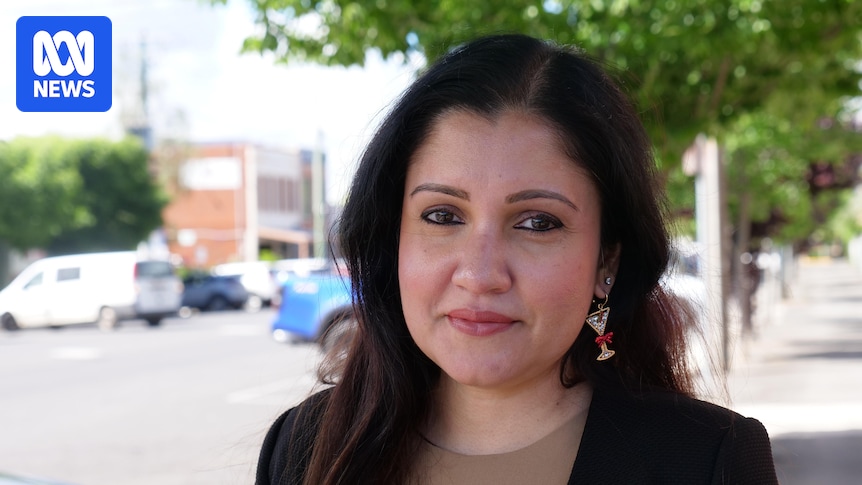
Having twins was meant to be the happiest moment in Nilupulie Karunaratne’s life.
She said that like many women, she grew up believing her journey to motherhood would be a joyful experience.
But from the moment her twins entered the world, something was not right.
If you need someone to talk to, call:
“I became mentally unwell and fell into a depression, I couldn’t manage day-to-day tasks,” Ms Karunaratne said.
Ms Karunaratne gave birth to a boy, Gaven, and a girl, Gloria, in November 2019.
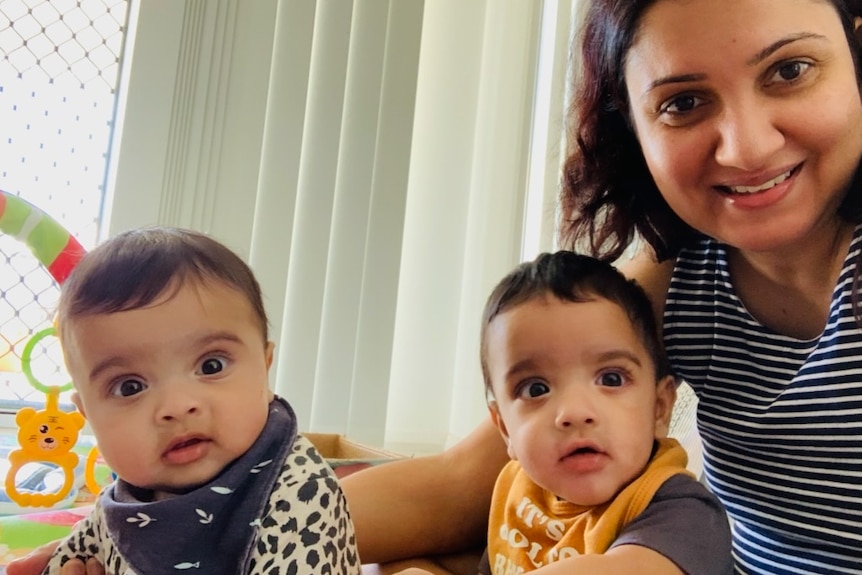
Nilupulie Karunaratne says she did not have any prior knowledge or education on mental health. (Supplied: Nilupulie Karunaratne)
The days, weeks and months after were a mixture of joy, elation and devastation.
“I started getting angry and tears flowed from me without any reason,” she said.
“I used to be social person, but after delivering my kids I got social anxiety and I couldn’t go into public.”Breaking cultural norms
Ms Karunaratne, who now lives in Ballarat, Victoria, moved from Sri Lanka to the Queensland town of Miles, in the state’s Western Downs, in 2016.
Her journey to motherhood was compounded by the isolation that comes with living in a town of just 2,000 people.
“I thought that seeking help was a weakness,” she said.
“I knew something was happening in my mind, but I was so scared to express my feelings with others.”
She said she had never heard of postpartum depression or perinatal mental health.
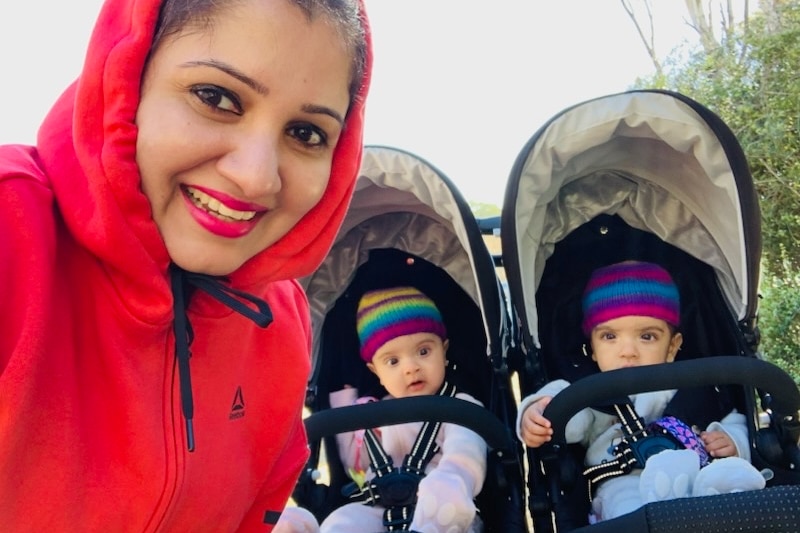
Nilupulie Karunaratne says she was filled with social anxiety after she gave birth. (Supplied: Nilupulie Karunaratne)
“As immigrants, we don’t want to talk about our mental health situations in public because of cultural barriers and traditional myths.
“It’s a big thing to talk about.”
Regional dark spots
One in three parents believe their mental health symptoms are not bad enough to need professional support, according to new research from parental mental health group the Gidget Foundation.
According to its survey of more than 1,000 expectant and new parents, one in four parents do not seek help despite experiencing perinatal mental health symptoms, and nearly one in three could not afford the help they needed.
The term “perinatal” refers to the period from conception to one year after birth.
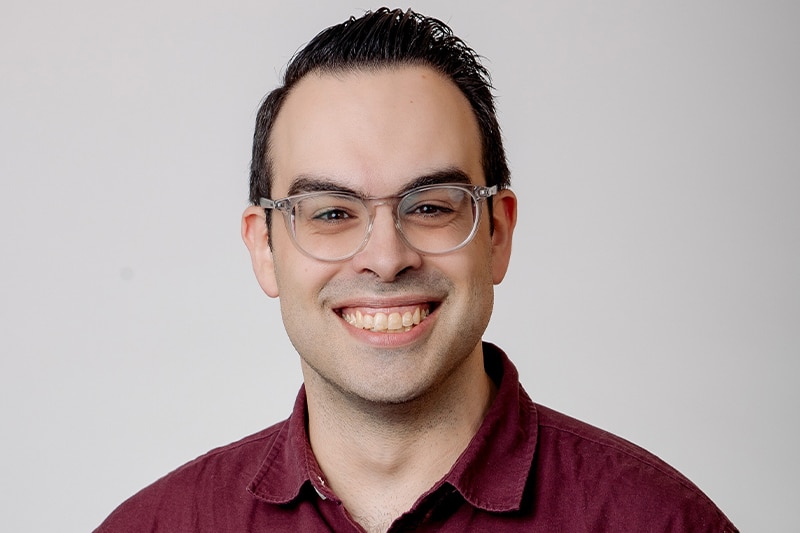
Mathew Aquilina says there is an awareness gap on what help is available and where to find it. (Supplied: Mathew Aquilina)
“People are minimising their own experiences and a lot of parents feel their symptoms are not severe enough to get professional support,” said Gidget Foundation team manager Mathew Aquilina.
Mr Aquilina said there was an “awareness” gap when it came to knowing what support was available.
In Ballarat, where Ms Karunaratne now lives, an estimated 505 parents experience perinatal anxiety and depression each year.
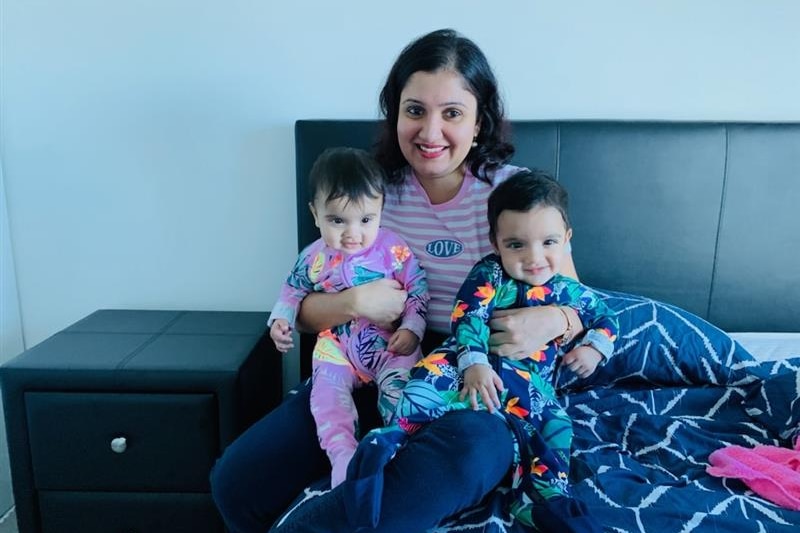
Nilupulie Karunaratne says living in a remote area made finding help harder. (Supplied: Nilupulie Karunaratne)
“It’s not that there is a lack of services available … but the awareness of these services does seem to be a big gap,” Mr Aquilina said.
The foundation’s data also revealed that 45 per cent of regional parents had experienced complicated pregnancies compared to 31 per cent of those in metro areas.
Strength from sadness
Nilupulie Karunaratne’s husband, who was the only GP in Miles, recognised her symptoms and referred her to a psychologist.
“Everything was online, there were no mental health services in a very small rural town,” Ms Karunaratne said.
Ms Karunaratne was able to bring herself out of darkness.
Twelve months after giving birth, she decided to volunteer with the Gidget Foundation. It was her way of giving back.
She said she hoped her story inspired others to have the strength to admit when they needed help.
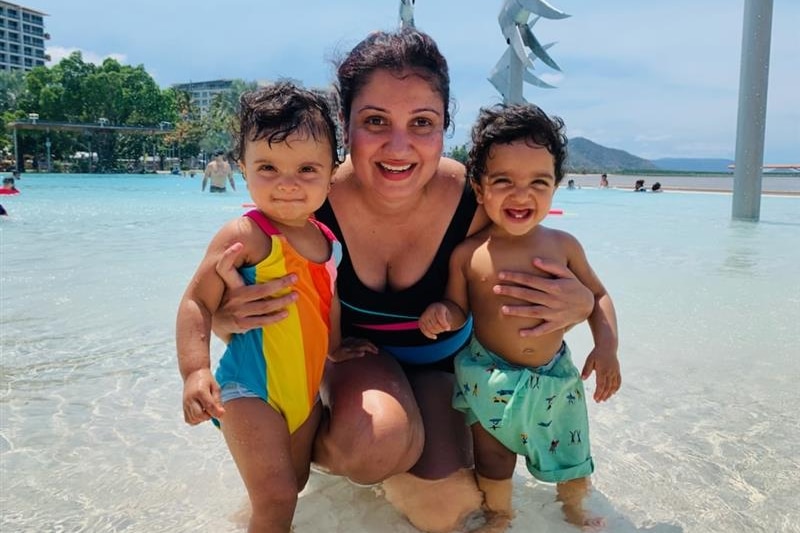
Nilupulie Karunaratne says if her husband was not a GP, she would not have known where to get help. (Supplied: Nilupulie Karunaratne)
“I thought I needed to tell my story to help at least one other mother become aware of postpartum depression,” she said.
“Proper education is a must, because most people don’t know about free mental health services we have in Australia, especially immigrants.
“I now know seeking help isn’t a weakness and I want to help other women know that.”