
As someone already biologically destined for a lifetime of depression, even as a young child I felt the symptoms of seasonal affective disorder set in as summer closed and darkness descended on the dank and dismal Pacific Northwest.
I wasn’t formally diagnosed with seasonal depression until I was in my 20s, but I knew something was wrong as early as elementary school. I’d trudge up the rain-slick brick steps to our front door on fall and winter afternoons, carrying my backpack full of homework — and the weight of the world.
MORE: Kids who get smartphones before 12 have higher rates of depression, obesity and poor sleep
My hometown, Seattle, loses daylight after the summer solstice at one of the fastest rates of any city in the United States. By Aug. 31 this year, for instance, the time between sunrise and sunset was 90 minutes shorter than on Aug. 1 in Seattle, compared with 70 minutes shorter in Philadelphia, where I now live.
If I had had any sense, I would have moved to California or Florida. But more than 20 years ago I landed here, where crisp autumn mornings and sunlight glinting off freshly fallen snow have only slightly mitigated my seasonal depression.
What is SAD?
The American Psychiatric Association classifies SAD as a type of major depression affecting about 5% of adults in the United States. People with SAD experience an objectionable array of symptoms, ranging from feeling fatigued even after ample sleep to craving unhealthy food, especially carbohydrates.
For example, we had an entire apple pie left over on Thanksgiving, and I accidentally finished half of it for breakfast Friday morning.
Irritation and agitation also are common for SAD sufferers.
“Stop breathing so loudly,” I said to my husband as I poked him awake the other night — a typical reaction I have to anything he does this time of year.
Even more serious SAD symptoms can include isolating from social circles and feelings of hopelessness and worthlessness, the Cleveland Clinic says.
I experience these effects, too. I have crying jags for no apparent reason, like Holly Hunter in the 1987 movie “Broadcast News.” She unplugs her phone each morning to have a good weep before starting work.
What causes SAD?
The causes of SAD are still a bit murky, but the general consensus is that less daylight affects people’s biological clocks and circadian rhythms, disrupting mood, sleep and hormones. Vitamin D deficiency from less sunlight also may play a part, as may overproduction of melatonin, a chemical involved in sleep, making people more tired, the Mayo Clinic says.
What are some treatments?
Doctors may prescribe antidepressants and psychotherapy for people with seasonal depression. There is also the frustrating advice to the sluggish, hopeless habitués of SAD to “Get outdoors!”, “Eat well!” and “Exercise!”
Research shows that one of the most effective treatments for seasonal depression is getting more light. A 2006 study found that light therapy for SAD was just about as effective as taking Prozac. Other more recent studies have established that light therapy outperformed placebo treatments for treating seasonal depression.
“The research is really quite compelling,” Dr. Dorothy Sit, an associate professor of psychiatry and behavioral sciences at the Northwestern Feinberg School of Medicine, told the New York Times last month.
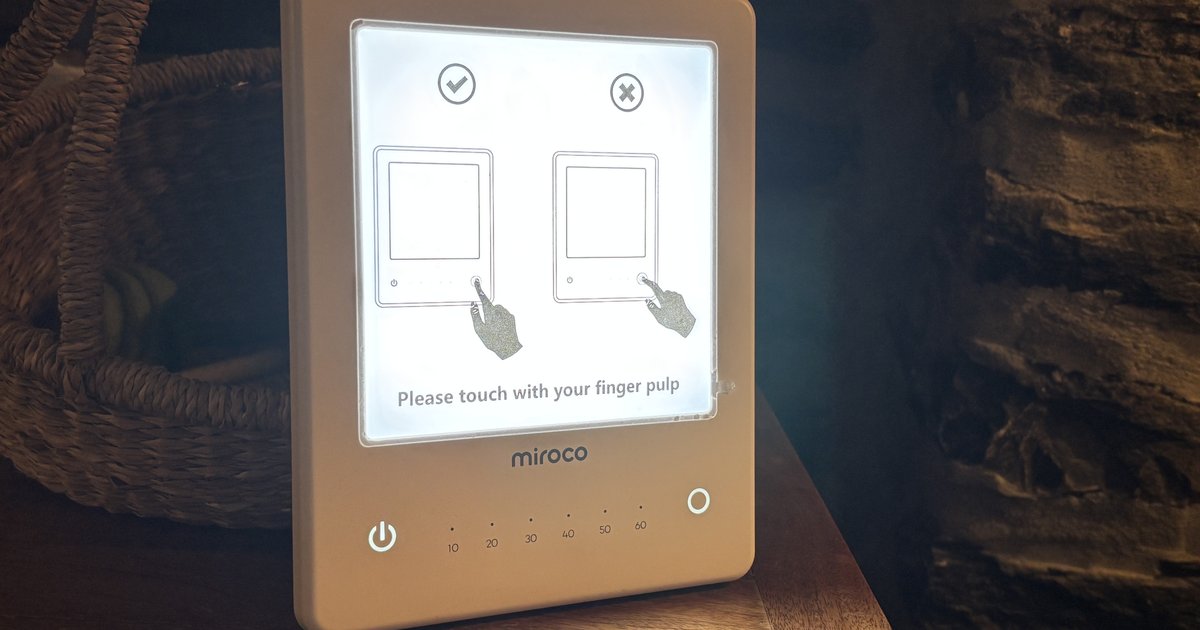
Now, firmly ensconced in middle age, having already squandered too much of my life to dejection during the darkest months, I recently decided to dedicate myself to light therapy. I pulled out the light box I bought – and never used – one polar-vortex plagued winter when my three teenagers were still young and would dance to the background music of the Weather Channel that I kept on in hope of seeing a temperature forecast out of the single digits.
I even researched how to use my light box for maximum mood boost and hopefully a more harmonious home life. Here’s what I learned:
Choose an effective light lamp. SAD lamps should have an intensity of 10,000 lux, about 20 times more powerful than typical indoor light.
Use the lamp for 30 minutes every morning, while drinking coffee, checking emails, reading the news. Being consistent is key. “It involves a bit of commitment,” Sit told the New York Times.
The lamp should be 12-to-24 inches from your face.
Make sure the light is getting into your eyes, but angle the lamp slightly away.
Wirecutter makes these recommendations for the best 2025 light therapy lamps.