
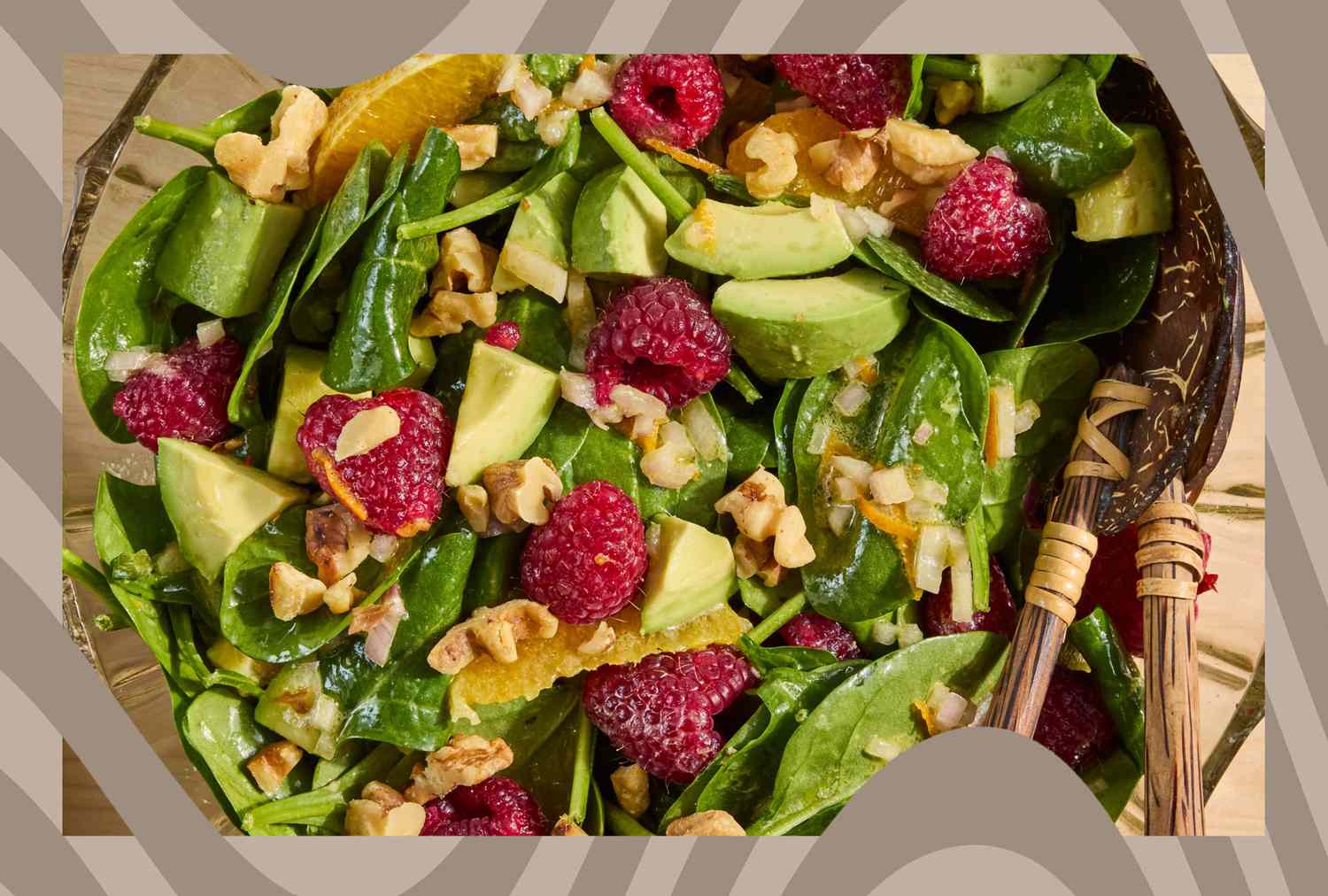
Dietitians are big fans of chia seeds as they boast 4 grams of fiber per 1 tablespoon.Foods with more fiber than chia seeds include raspberries, lentils and avocados.Try adding raspberries to yogurt, avocado to salads or smoothies, and lentils to soups.
Dietitians love chia seeds, largely because of their impressive fiber content. In fact, just 1 tablespoon provides about 4 grams of this gut health–supporting nutrient.
“Fiber supports a healthy digestive system by contributing to regular bowel movements and feeding the good bacteria in your gut,” says Sarah Alsing, M.S., RD. But getting enough fiber isn’t just important for a healthy gut; it’s essential for your overall health. According to Whitney Stuart, M.S., RDN, “Fiber helps manage blood sugar levels, keeps you feeling full longer and can even help lower cholesterol.”
If you love chia seed–forward dishes like chia seed pudding, no need to change a good thing. But for those who aren’t chia seed lovers, there are other delicious and everyday foods that can help you boost your fiber intake. Here are three tasty contenders that deliver more fiber per serving than chia seeds, plus simple ways to add them to your daily routine.
Raspberries
Fiber: 8g per 1 cup (about 30 berries)
These vibrant berries are more than just a sweet treat; they are a fiber superstar. A single cup of fresh raspberries delivers an impressive 8 grams of fiber. That’s double the amount found in a tablespoon of chia seeds.
“Along with being high in fiber, raspberries are also a good source of vitamin C,” notes Alsing. They are perfect for snacking, adding to yogurt or blending into smoothies. If you find fresh berries spoil too quickly, Alsing has a helpful tip. “If you are worried about raspberries going bad quickly, then buy frozen mixed berries so you always have a high-fiber food available.” She loves using them to create a simple, healthy pancake topping. Just heat them in a bowl, mash them with a fork and pour them on top.
Lentils
Fiber: 8g per ½ cup
Lentils are a humble but mighty member of the legume family. A half-cup of cooked lentils contains about 8 grams of fiber, making them a fantastic addition to any meal. They are also packed with plant-based protein, iron and folate.
Moushumi Mukherjee, M.S., RDN, praises their versatility: “Lentils are a great combination of protein and fiber along with various vitamins. They are very versatile and can be added to soups and salads and come in many different varieties that you can choose from.” Lentils are an inexpensive and convenient way to increase your fiber intake.
Avocados
Fiber: 5g per medium avocado
Avocados are famous for their fat content, but they are also an excellent source of fiber. “Half of a medium avocado provides about 5 grams fiber and is a great source of heart-healthy monounsaturated fats,” explains Hennis Tung, M.S., RD. This creamy fruit adds a satisfying richness to toast, salads and smoothies. Plus, pairing fiber with healthy fats is a winning combination for satiety, helping you feel full and satisfied for longer.
Honorable Mentions
Green Peas
Fiber: 4g per ½ cup
Often overlooked, green peas are a surprisingly good source of fiber. A half-cup of cooked green peas provides a little over 4 grams of fiber—about the same as 1 teaspoon of chia seeds. They are also a source of vitamins A, K and C, as well as protein.
Sheila Patterson, RD, CDCES, points out how easy they are to use. “Green peas are a great choice, as they are easy to prepare and versatile with many dishes like soups, stews, mixed vegetable sides, salads, casseroles and more.” Keeping a bag of frozen peas in your freezer is a simple trick to ensure you always have a fiber-rich vegetable on hand to add to weeknight meals.
Basil Seeds
Fiber: 1-4g per 1 Tbsp.
Basil seeds are tiny black seeds harvested from the sweet basil plant (Ocimum basilicum), which is commonly used as a herb in cooking. In many countries located on the Asian continent, basil seeds are added to some drinks, desserts and traditional remedies because of their health benefits. Nutritionally, they are similar to chia seeds and even have a slight edge in fiber. A 1-tablespoon serving of basil seeds contains around 1 to 4 grams of fiber.
Like chia seeds, basil seeds form a gel-like coating when soaked in liquid. This makes them a fantastic ingredient for puddings, smoothies and drinks. Lindsay Cohen, RDN, LDN, CDCES, explains: “Basil seeds can be added to smoothies, yogurt, salads or used as a thickening agent in puddings and sauces, and they are a great source of fiber, protein and magnesium.”
How to Eat More Fiber
Incorporating more fiber into your diet doesn’t have to be difficult. Start with small, sustainable changes to give your digestive system time to adjust. Here are a few simple tips:
Start with a fiber-rich breakfast. Kick off your morning with a bowl of oatmeal topped with fiber-containing foods like raspberries and chia seeds. This particular combination provides a powerful mix of soluble and insoluble fiber to keep you full and energized throughout the morning.
Add legumes to your meals. Increase the fiber content of your favorite salads and soups by adding a serving of lentils or beans. They are an inexpensive and accessible source of fiber and plant-based protein that can easily be mixed into many dishes.
Select whole grains. Opt for whole grains over their refined counterparts. Simple swaps, like choosing whole-wheat bread for sandwiches or using quinoa as a base for your meals, can increase your fiber intake.
Keep the skin on. The skins of many fruits and vegetables, such as apples and potatoes, are an impressive source of fiber. Leaving the skin on is a simple way to get an extra fiber boost and retain more nutrients.
Our Expert Take
Increasing your fiber intake is one of the best things you can do for your digestive health and overall well-being. From supporting healthy blood sugar to promoting satiety, the benefits are clear. While chia seeds are a great option, exploring other fiber-rich foods like raspberries, lentils and avocados can add variety and even more nutrients to your meals.
As you begin to add more fiber, remember to take it slow. “If you plan to increase your dietary fiber intake, remember to do so gradually and drink plenty of fluids to prevent any uncomfortable GI symptoms,” advises Tung. Listening to your body and making gradual changes will help you reap the rewards of a high-fiber diet without discomfort. By embracing a wider range of foods, you can easily and deliciously meet your daily fiber needs.