
Walking is cheap, accessible and immensely good for you, improving all manner of metrics from heart health and blood pressure to aerobic fitness and mood. For these reasons and more, it should form the foundation of your weekly movement.
This insight has given rise to the goal of walking 10,000 steps a day – a figure recent research claims has “no scientific basis”, but one that promotes 90-odd minutes on your feet each day, which will still deliver plenty of health perks for most people.
The common rebuttal to this popular prescription is a lack of time; the idea of carving out 90 minutes of walking time in a busy day can seem insurmountable to many, even when this is split into smaller chunks.
For those in this camp, Professor Emmanuel Stamatakis, a professor of physical activity, lifestyle and population health at the University of Sydney, suggests an alternative approach based on his recent research around walking.
The plan below is designed as a starting point for sedentary people who struggle to find time to exercise. It uses the latest science to secure optimal bang for your buck from your steps, providing a pathway to more movement and better health.
The time-efficient walking plan for better health
Each day, complete:
One or two walks at a comfortable but steady pace, lasting 10 to 15 minutes or more. During these walks, include two to four 30 to 60-second fast-paced bursts. These bursts could also involve climbing stairs or walking uphill to increase the intensity.

open image in gallery
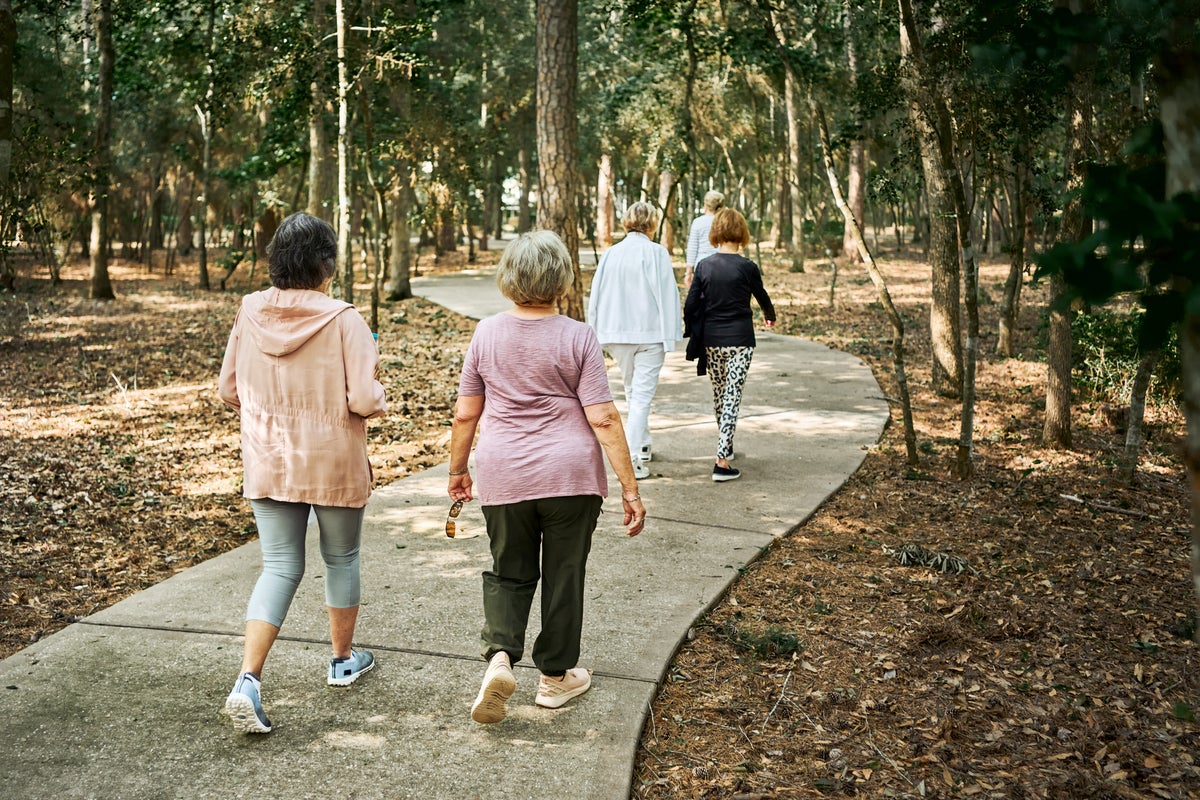
Walking requires no specialist equipment, but can offer many health benefits, particularly for those who currently have low activity levels (Getty/iStock)
The science behind this plan
The people who will prosper most from exercise are not the sporting elite, but rather those who currently move very little – the transition from zero exercise to some exercise is where the greatest spike in benefits can be seen. This is the population Professor Stamatakis chooses to focus on in much of his research.
“Our primary audience is people who are less active – often older adults or individuals who struggle to accumulate large daily step volumes,” he says. “These are the people who tend not to reach conventional targets such as 150 minutes of weekly exercise or 7,000 to 8,000 steps per day. For millions in this group, structured exercise can feel unrealistic or unappealing.”
He and his colleagues set out to find small but achievable adjustments people could make in their daily behaviours to access “meaningful health benefits”. This year, they uncovered a couple of options: aiming for longer walks rather than shorter ones, and increasing the intensity of your walks.
For those taking 8,000 steps a day or less, longer walks lasting 10 minutes or more were found to reduce risk of cardiovascular disease by two-thirds compared to those who accrued their daily steps through shorter walks, according to a 2025 study from the University of Sydney and Universidad Europea.
“The main takeaway is a very empowering one: there are options other than dramatically increasing the amount of physical activity you do to improve health,” Professor Stamatakis says.
“Our study suggests that even one or two comfortable, steady 10 to 15-minute walks a day may meaningfully reduce cardiovascular risk. For many older or less active adults, this is a far more achievable goal than trying to accumulate thousands more steps or beginning structured exercise.
“We’re not saying short walks don’t count; they absolutely do. But if someone’s daily movement is mostly made up of, for example, two- to three-minute bouts of light- to moderate-intensity walking, shifting even a portion of that into slightly longer stretches may produce measurable health gains.
“A brisk, continuous walk to the shops, around the block or during a phone call can be a great start. The idea is adjusting patterns, not striving for perfection.”
Read more: The science-backed exercise method that can help fight the effects of ageing
open image in gallery
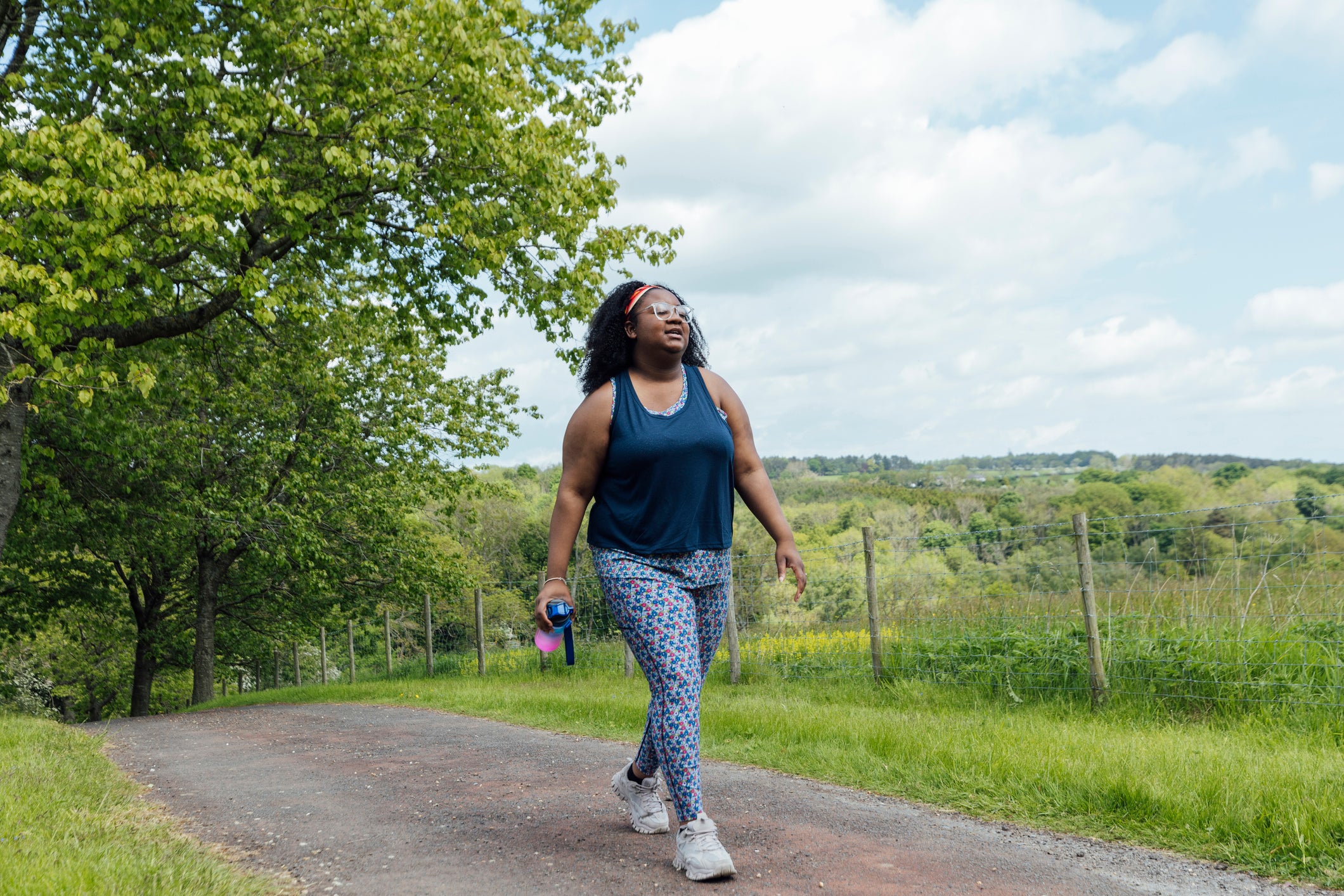
Increasing the intensity of your walk by climbing a hill or raising the pace can increase the health and fitness perks on offer (Getty/iStock)
A second 2025 study from Professor Stamatakis and his colleagues discovered the merits of vigorous intermittent lifestyle physical activity – or VILPA.
Vigorous-intensity activity is that which leaves you out of breath, to the point you can’t speak in full sentences; lifestyle activity is movement you do organically as part of your daily routine. Combine the two and you have acts such as climbing the stairs, carrying heavy shopping or even vigorous housework.
The research found that, in non-exercisers, “between five to 10 episodes of vigorous-intensity activity, lasting up to one minute, done on a daily basis, seems to be associated with between 30 and 50 per cent lower risk of cardiovascular conditions, cancer and mortality”.
“A sustainable daily plan of physical activity for people who do not do many steps might include one or two longer bouts of walking at a comfortable but steady pace, each incorporating three to four short ‘VILPA’ bursts of very fast walking lasting 30 to 60 seconds each,” Professor Stamatakis says. “If the opportunity arises, these short bursts may also involve stair climbing or uphill walking.
“Using this scenario, the person could accumulate 15 to 30 minutes of walking per day in the pattern most likely to be beneficial. This includes three to eight minutes of vigorous-intensity activity, which, we know, can work miracles for heart health.”
To see long-term benefits, the caveat to this plan is consistency. This practice must be followed on three to four days per week to begin with, and built up to a daily habit over time.
Read more: What foods nutrition experts really eat to stop chronic illness in old age (and always avoid)

open image in gallery
Longer walks lasting 10 minutes or more have been linked to increased positive impacts on heart health than shorter strolls (Getty/iStock)
The purpose of this plan
The end goal here should still be to increase your overall activity levels in line with WHO and NHS physical activity guidelines for adults aged 19-64. “Do at least 150 minutes of moderate-intensity physical activity throughout the week, or do at least 75 minutes of vigorous-intensity physical activity, or do an equivalent combination of both”. Introducing formal exercise will usually be the most direct route to improved health and fitness.
However, this plan is designed for non-exercisers who are not currently physically active – those who take less than 8,000 steps per day, by Professor Stamatakis’ definition.
If a professional athlete or avid exerciser added two 15-minute walks into their days, the impact on their heart health would likely be negligible as they already have a strong foundation of fitness. But for those who struggle to squeeze regular movement into their routine, it represents a significant step in the right direction.
The aim of Professor Stamatakis’s research is to expand the options available to “the 80 to 85 per cent of the population, usually middle-aged and older adults, who are not keen on regular structured exercise”.
“It’s not about an optimal fitness solution,” his colleague and co-author Dr Matthew Ahmadi adds. “If you want to become fully fit, of course, structured exercise is the way to go, but it comes with major commitments. You need to have the time, motivation and skills to know how to do it; sometimes you need to spend money on gym memberships and gear, and even travel to another place because not everyone lives near a park.
“There is a long list of reasons why most people don’t exercise regularly, or at all. This is the target population that our research is addressed to, and these are the people we want to help because they are at the highest risk of chronic disease and compromised lives.”