
From fast food chains to grocery stores, protein-packed items seem to be everywhere.
GRAND RAPIDS, Mich. — As the new year begins, grocery stores and restaurants across West Michigan are seeing a surge in demand for protein-packed foods, reflecting a nationwide trend toward higher-protein diets.
Local grocery stores say shoppers are gravitating toward items with fewer ingredients and higher nutritional value.
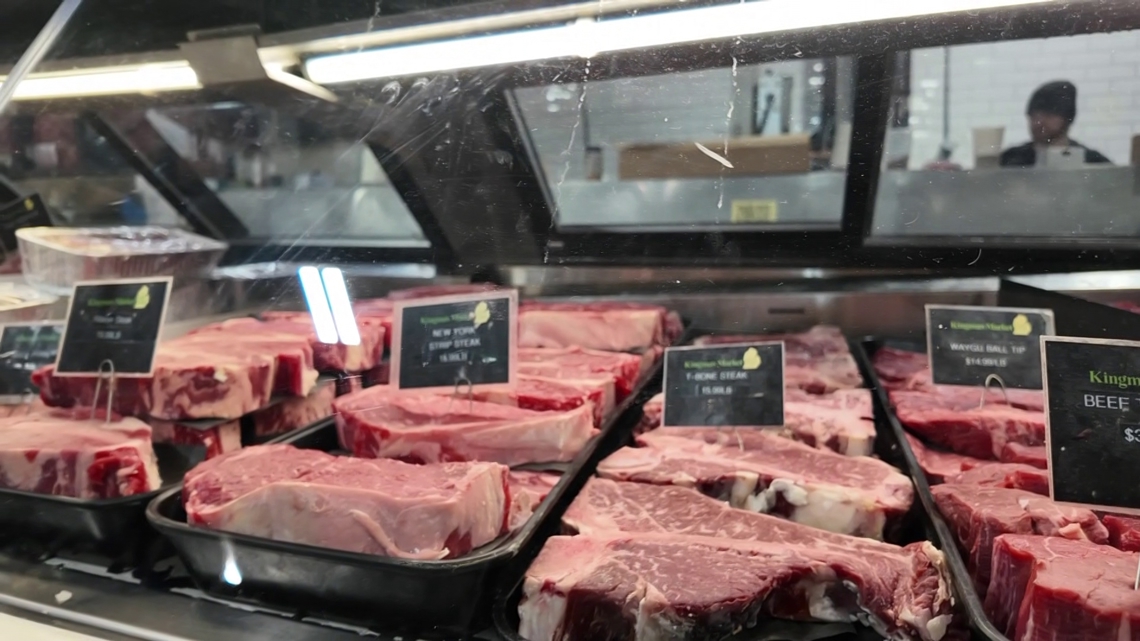
“Our sales in the meat shop have been at an all-time high for us,” Alan Hartline, owner of Kingma’s Market, said. “Quite frankly, and even coming out of the new year, I think a lot of people are seeking out some of the healthier items we have.”
New products on Kingma’s shelves include high-protein pita chips that contain six grams of protein per serving and jerky sticks.
“Just recently, this January, we introduced a turkey stick,” Hartline said. “We’ve got, like, honey barbecue and hot turkey sticks and all kinds of different flavors, up to 17 different varieties. So people love them for portable convenience on the go, but also for entertaining.”
The sticks have a seven-day shelf life, unlike traditional, highly processed jerky sticks.
“We grind fresh West Michigan beef,” he said. “Put it in our smoker and put it in our case fresh, so no preservatives or anything either.”
At the same time, meat departments are reporting record sales.
Hartline said customers are looking for convenient, high-quality protein options without preservatives – and that need is being noticed by fast food chains too.
Chipotle, Starbucks and Dunkin’ have expanded protein-focused menu options, from bowls to beverages.
Shanthi Appelö, a registered dietitian and health and wellness spokesperson for Blue Cross Blue Shield of Michigan, says protein’s popularity started on social media.
“Protein is essential for muscle health, hormones and keeping us full longer,” Appelö said. “But protein doesn’t automatically mean healthy.”
She notes that protein needs vary by age, activity level and overall health, but many adults can meet their needs by aiming for 25 to 35 grams of protein per meal. Appelö encourages people to talk with their doctors for personalized recommendations.
While high-protein products continue to flood the market, Appelö warns against overconsumption.
“Protein still contains calories, and excess intake can contribute to weight gain,” she said. “Another concern is that we sometimes crowd out fiber, which is incredibly important for heart health, digestion and overall well-being.”
Ultra-processed protein foods are another concern. Studies have linked diets high in ultra-processed foods to increased risks of chronic illnesses, including heart disease, diabetes and obesity. Appelö says the shorter the ingredient list, the better.
She also encourages people to include plant-based protein sources such as beans and legumes, which provide fiber and have been associated with lower heart disease risk.
When it comes to fast food, Appelö recommends choosing whole-food options like grilled chicken and pairing protein with vegetables and fiber-rich sides. She cautions against relying solely on protein shakes or protein-enhanced coffee drinks as meal replacements.
“Protein alone isn’t enough,” she said. “Balance is key. Protein, fiber, healthy fats and whole foods all work together.”
As protein continues to dominate menus and grocery shelves in 2026, experts say the focus should remain on moderation and avoiding highly-processed food items.