
There’s nothing more ominous than feeling a twinge of pain in your tooth and wondering if you’ll need to make an emergency trip to the dentist.
New issues with your teeth can spell an expensive afternoon in the dental chair, with the cost of oral inspections, fillings and X-rays quickly adding up.
According to statistics from the National Oral Foundation, almost one in three (31%) adults in the UK has tooth decay, and cavities are one of the most common health problems.
But what if a simple after-dinner snack could help to keep cavities at bay?
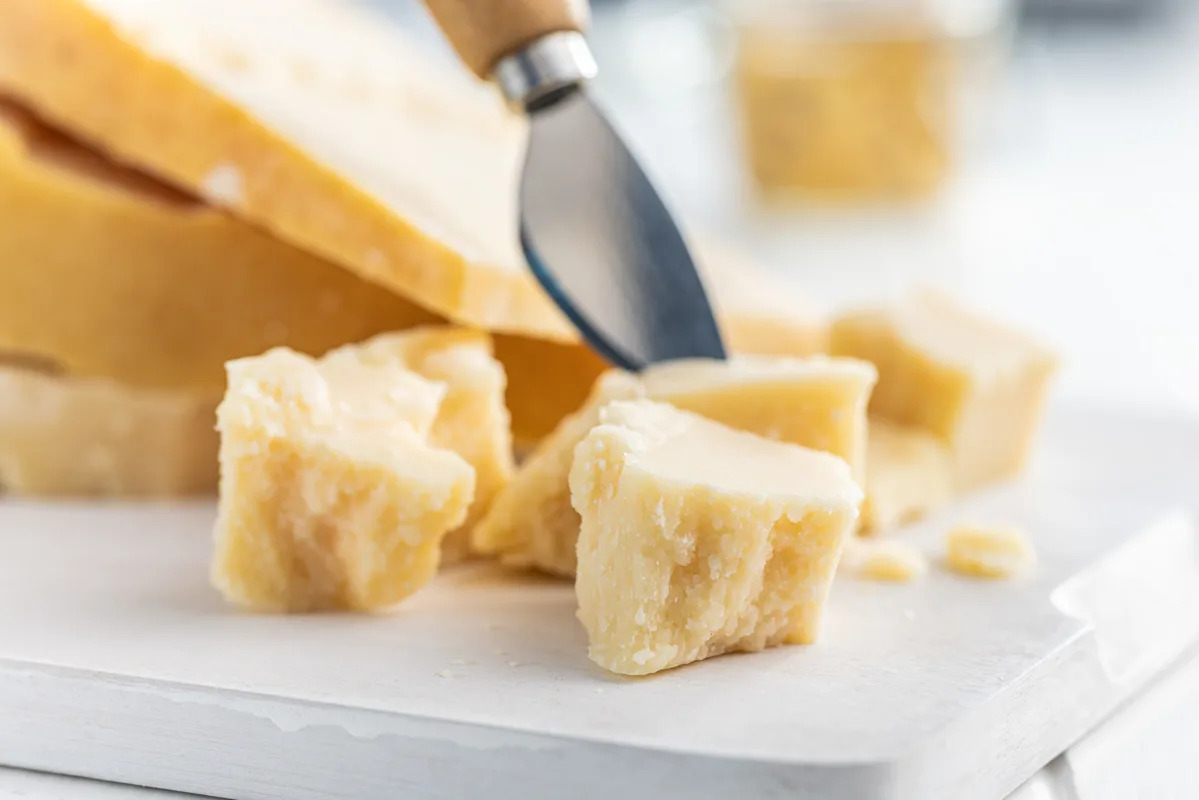
According to dental experts, rounding off your meals with a small slice of cheese could help to naturally strengthen your tooth enamel, protecting your pearly whites from the acids that gradually wear them down.
Why do cavities form in the first place?
Dental cavities are holes, or patches of tooth decay, that form on the hard surface of your teeth – otherwise known as enamel.
“They typically develop when the bacteria in plaque feed on sugars and starches, kick-starting a process that produces mouth acids that demineralise your enamel,” explains Dr Kabir Bhogal, dentist at Revive Clinic.
“When you eat sugary foods regularly, the acidity in your saliva increases, which softens enamel and makes teeth more prone to cavities over time.”
How does cheese protect teeth?
Few of us need an excuse to whip out a block of Stilton after a long day at work, but, if you’re looking for some encouragement, Bhogal says that cheese is unique, as it helps to balance the PH levels in your mouth.
“Cheese stimulates saliva, which neutralises harmful mouth acids after you’ve eaten a meal,” he explains. “It also contains calcium, phosphate and proteins that help strengthen and protect enamel.”
Because it’s low in sugar and non-acidic, Dr Abdul Dalghous, dentist at Yorkshire Dental Suite, adds that cheese is most helpful for teeth when it’s eaten at the end of a meal.
“That said, it should always be treated as a helpful add-on, and not as a replacement for regular brushing and flossing,” he notes.
Are particular types of cheese better than others?
When it comes to protecting your teeth, not all supermarket cheeses are made equal. “Hard or aged varieties are better than softer ones,” says Bhogal, “as they’re low in sugar and they require more chewing, which helps to remove plaque that sticks to the surface of your teeth.”
One thing to bear in mind is that cheese can be high in saturated fat, which isn’t great for your heart in large quantities. So, the British Heart Foundation recommends sticking to a daily limit of no more than 30 grams – roughly the size of a small matchbox or half the length of your index finger.
Are there any other foods that have a similar effect?
If you’re worried about your teeth, it’s a good idea to head to the dairy aisle in the supermarket.
“Foods with similar benefits are things like milk and unsweetened yoghurt, which supply enamel-strengthening minerals, as well as nuts and leafy greens, which are low in sugar and support oral health,” says Dalghous.
He adds that crunchy fruits and vegetables like carrot sticks and apples can stimulate saliva and help clean teeth, while sugar-free gum (especially packs containing xylitol) can help to limit harmful bacteria in your mouth.
What other steps can people take to avoid cavities?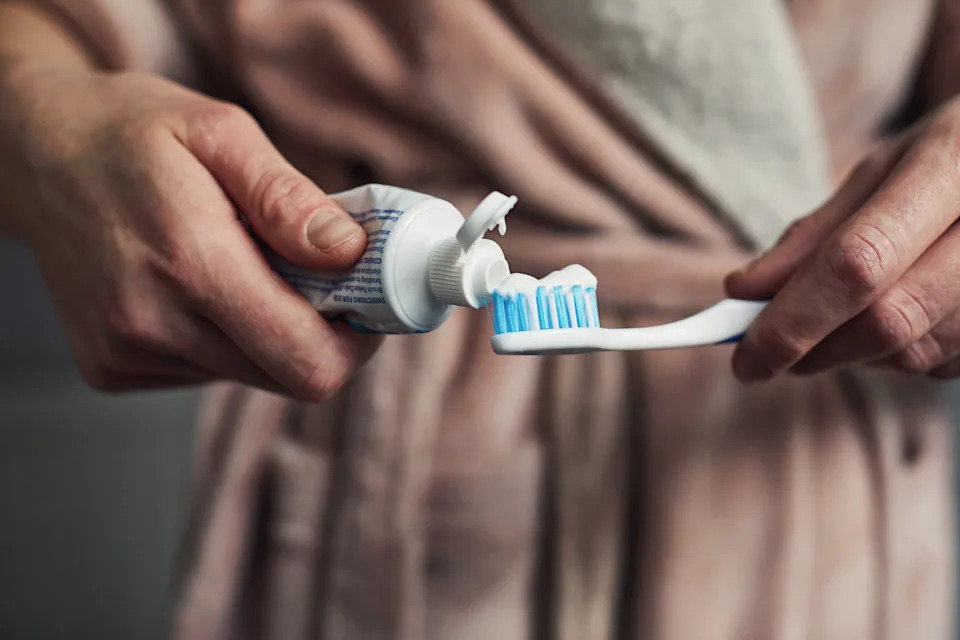
Brush your teeth before eating your breakfast in the morning.
(Sally Anscombe via Getty Images)
Brushing regularly, flossing often and keeping sugars to a minimum are the steps to a healthy smile – but the order of your morning routine can have a big impact too.
“After you’ve eaten, we don’t recommend you brush your teeth straight away,” says Bhogal. “There should be at least half an hour gap before you brush.
“There’s a common misconception that you should eat breakfast first and then brush your teeth, when in fact it should be the other way around; eating produces harmful acids that soften tooth enamel, making it more vulnerable to damage during brushing.”
Another key tip? If you do fancy nibbling on something sweet like chocolate, make sure you tuck into a bar straight after dinner, rather than waiting for your food to digest.
“After dinner, there’ll already be lots of saliva in the mouth that will help to rinse away the sugars and acid,” says Bhogal. “Essentially, the worst thing you can do for teeth is snack constantly throughout the day, as it puts your smile in regular contact with sugary foods and acids, giving it little time to recover.”
Read more on dental health: