

Confession time: While I wouldn’t call myself an avid supplement-popper, I’m probably too lax about taking them. The bottles include some great-sounding promises for my health, and they aren’t the same as “medicine,” right? Plus, they’re natural, so there’s nothing to worry about. Or so I thought until recently.
If you’ve had a similar line of thinking about this topic, it’s time for a rude awakening for both of us. According to pharmacists, supplements can be taken incorrectly and unsafely, resulting in negative health consequences. They shouldn’t be taken like candy, nor do we need to take all the supplements lining the aisles of the drugstore.
The possible dangers of supplements have become evident in recent research. For example, the American Heart Association found that melatonin is linked to a higher risk of heart failure, which is (obviously) pretty scary stuff.
Supplement-related concerns extend to another common supplement, too. Pharmacists say it’s often taken in the wrong way, or when it’s not needed, and the health effects are real. That holds even though roughly 25 percent of Americans are deficient in the mineral. For expert-backed insight and safer alternatives, keep reading.
🩺SIGN UP for Parade’s health newsletter with expert-approved tips, healthy eats, exercises, news & more to help you stay healthy & feel your best self💊
The Supplement People Take Incorrectly the Most Often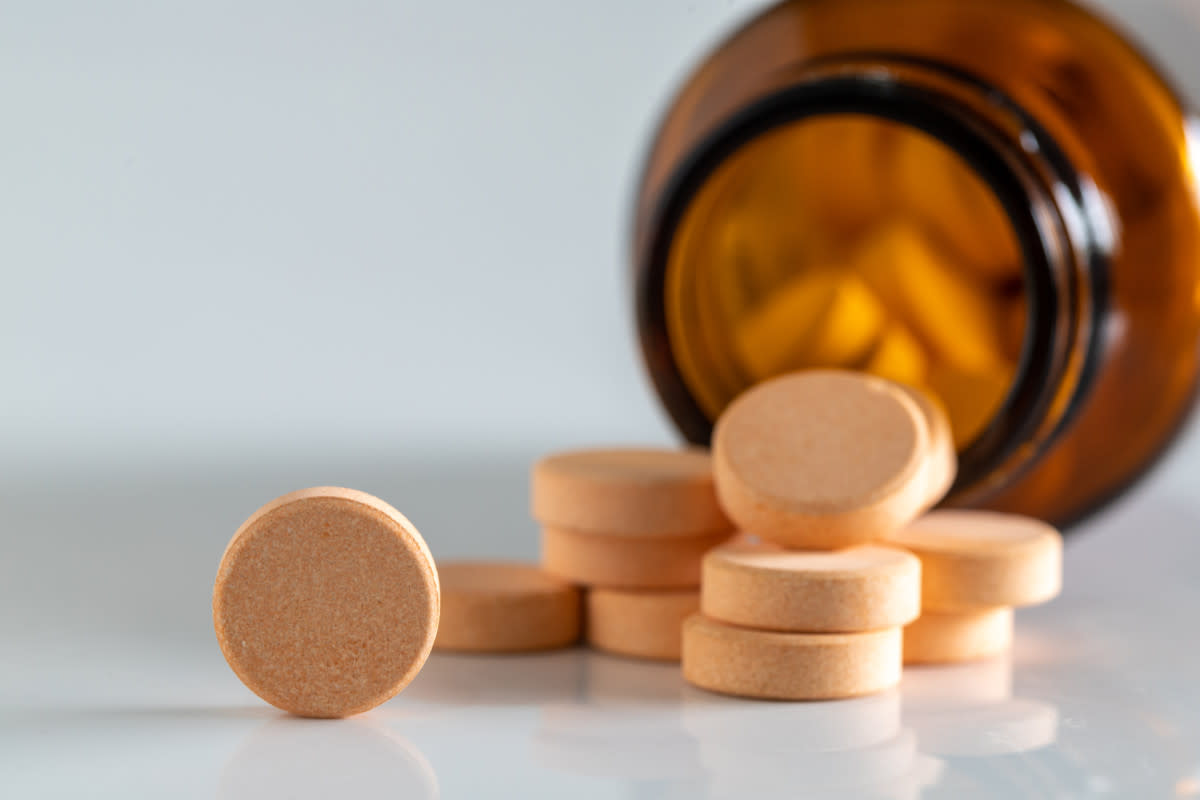
karadech Pramoonsin/Getty Images
(karadech Pramoonsin/Getty Images)
In our wellness-focused society, you may (for better or worse) feel pushed to take lots of supplements, including iron. No shame here, but knowing the risks is important.
“Social media plays a huge role in this, with ads everywhere promoting iron and iron supplements as harmless energy boosters, leading to self-treatment without proper diagnosis,” says Dr. Kelsey Goderwis, PharmD, the pharmacy manager for Kroger Health.
The fact that some people need more iron is valid. Iron deficiency is the most common form of nutritional deficiency, according to the CDC. It can contribute to many less-than-enjoyable symptoms, too, such as hair loss, brittle nails, restless legs, feeling depressed, getting sick more often, trouble concentrating, dizziness, pica and more.
Related: This Common Nutrient Deficiency Is Quietly Ruining Women’s Sleep
However, that doesn’t mean an iron supplement is the answer, especially for everyone. In fact, those symptoms may not even be from low iron levels. It’s probably fair to say this is widely misunderstood, and here’s why: According to Dr. Shannon Fitzgerald, PharmD, a toxicologist and pharmacist who contributes to Drugwatch.com, “A significant portion of people misuse iron supplements.” Additionally, iron ingestion was once the leading cause of poisoning deaths.
To be clear, iron isn’t the only supplement that’s often overconsumed—and that comes back, in part, to the media piece. “More common nutritional deficiencies are frequently overtreated due to widespread reporting, screening and the ever-growing supplement market,” Dr. Fitzgerald says. “Many consumers seek quick-fix remedies for health concerns, and with dietary supplements remaining unregulated by the FDA and content creators dispersing health information on a myriad of platforms, the outcomes can be uncertain and even harmful.”
Related: Doctors Say You Should Avoid These 4 Popular Supplements—and Take These Instead
That isn’t to say that taking iron supplements is always a concern, however. For people who are truly deficient in iron, supplements may help. With that said, it’s vital to know if that’s the case for you. If you don’t know for a fact that you’re iron-deficient, taking iron is not a good move.
“Consuming iron without bloodwork is really taking a shot in the dark,” Dr. Goderwis warns. “Iron is not harmless; consuming too much can cause a lot of issues.”
Pharmacists’ Concerns About Iron and People Taking the Supplement Incorrectly
So, the million-dollar question: What’s the big fuss? A plethora of issues, according to Dr. Goderwis. GI side effects include constipation and nausea. Too much iron can interact with or interfere with the absorption of other medications, too, making them completely unhelpful or less helpful.
Those aren’t even the scariest effects. “Taking too much iron can lead to serious health issues, including organ damage (liver, heart, pancreas), organ failure and even death,” Dr. Fitzgerald says. “Acute iron poisoning is a medical emergency and occurs most often in children, who sometimes accidentally ingest these supplements, mistaking them for candy.”
Related: Too Much—and Too Little—of This Nutrient May Increase Your Colon Cancer Risk, Studies Show
Additionally, avid iron-takers need to know this surprising and concerning fact: Not all iron supplements are the same. According to Dr. Fitzgerald, they don’t all provide the same absorption and general tolerance. Plus, the cheaper and more common versions can be more likely to cause gastrointestinal issues.
All of that is especially concerning (and, frankly, unnecessary) if you don’t need more iron in the first place. To know if your iron levels are where they need to be, you’ll want to get labs done, not just rely on symptoms.
The bottom line is this: Labs or no labs, taking iron supplements without a medical provider’s support is something to avoid. “Iron supplementation is not ‘one size fits all,’” Dr. Goderwis says. “As with any health condition, diagnosis and treatment should be guided by a qualified provider and monitored at regular intervals.”
Up Next:
Sources:
This story was originally published by Parade on Jan 31, 2026, where it first appeared in the Health & Wellness section. Add Parade as a Preferred Source by clicking here.