

From the lab that brought you the reason behind yellow pee comes another monumental advance in digestive science: a fart-tracking sensor to be attached to your underwear. As it turns out, farts are also part of the mundane things that science has yet to fully explain—an issue this sensor purports to address.
A paper published today in Biosensors and Bioelectronics: X introduces Smart Underwear, a tiny device that snaps onto your underwear to, well, track your gas. The electrochemical sensor detects the hydrogen and other gases generated in your gut, providing the user with information about gut microbial activity. It’s the first noninvasive device to objectively measure flatus, or excess gas in your digestive system typically released as burps or farts.
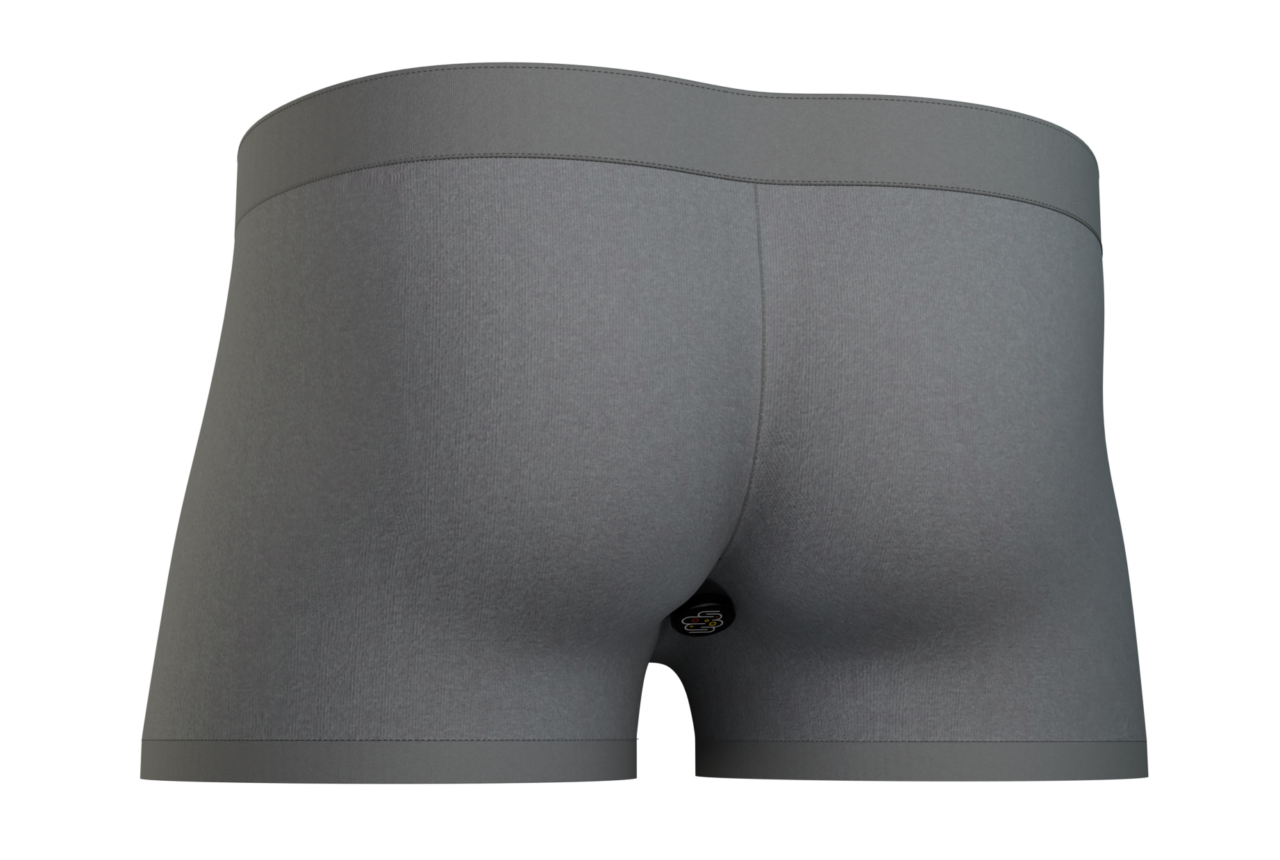 A visual representation of the positioning of the sensor. Credit: University of Maryland
“Up until now, studying flatulence meant either asking people to count their own farts—which doesn’t work well—or bringing them into a clinical setting and using extremely invasive techniques like rectal tubes for short, controlled measurements,” study senior author Brantley Hall told Gizmodo.
Hall, a molecular biologist at the University of Maryland, added that Smart Underwear is a “research measurement tool” for the Human Flatus Atlas, a first-of-its-kind study of intestinal gas patterns for better understanding flatus.
The primordial study of passing gas
Clinicians have long struggled to objectively study or understand flatulence, even as a recent analysis suggested that roughly 20% of the U.S. population suffered from excess intestinal gas. This is in contrast to how, for other common physiological phenomena like blood glucose or cholesterol, numerous studies have confirmed a “normal range” for doctors to reference, Hall said.
That was because previous approaches to studying flatus typically relied on patient-reported outcomes. However, these testimonials weren’t that reliable, as “people miss events, can’t log gas during sleep, and have widely varying sensitivity to their own gas production,” Hall explained.
The few studies that did investigate flatulence took place in highly controlled, invasive settings, meaning their results likely do not reflect flatus activity for people living their normal lives, he added.
Testing the gas tracker  An image of the new sensor. Credit: University of Maryland
For the new study, Hall and his colleagues had 19 adults wear the device for a week during waking hours, except while traveling and during heavy exercise. According to the paper, the participants were individuals without notable gastrointestinal problems within a year before the study.
The researchers were surprised to find a sizable discrepancy between the study’s measurements and the average cited in medical literature for the frequency of flatus events.
“We measured an average of 32,” Hall recounted. That’s more than twice the textbook average of daily flatus events, known to be 14, he added. “We also saw enormous individual variation, ranging from as few as 4 events per day to as many as 59.”
Scientists want to track your farts
That said, Hall clarified that the results do not replace previous data, given the small sample size of the trial. However, the study allowed the team to confirm that the sensor works and is generally comfortable for users, giving them the green light to “enroll more and more people across the U.S.” via the Human Flatus Atlas, he said.
That is correct. Hall’s team wants more people using the fart-tracking underwear to collect data from a larger, more diverse population. Anyone in the U.S. over the age of 18 can join, and the lab will ship the Smart Underwear sensor directly to participants, according to Hall.
“The bottom line is simple: we need to know what normal looks like before we can define what abnormal is,” Hall said. “Participation is anonymous, and no one will know you’re wearing the Smart Underwear. Your data is genuinely useful. It helps build the first objective reference ranges for flatulence and microbiome activity in everyday life.”
You can register to participate in the Human Flatus Atlas here.