
For patients hoping to see Dr. Wanakee Carr, the wait can be months.“I’m booked at about five months out,” Carr said.She practices at the Iowa Clinic and is one of the few Black OB-GYN physicians in the state.“When I’m one of the few, that means people are going to have a longer wait,” Carr said. “Especially in the state of Iowa, if they don’t feel comfortable seeing someone who doesn’t look like them, that could lead to a delay in care.”Which she says can cause complications, or even death. Carr, a native of Des Moines, wanted to become a doctor from a young age. She attended medical school at the University of Iowa but didn’t decide on a specialty until her third-year clinical rotations.“I delivered a baby on my first day on the unit, and I was hooked,” she said.After completing her residency in Kansas, Carr had opportunities to practice across the country. Instead, she returned home, first working in Davenport before joining The Iowa Clinic, where she now sees patients in West Des Moines and Ankeny.Part of that decision was personal.“I never saw myself. I never had a Black physician when I was growing up,” Carr said.The setting in medical school was similar. “I can probably count on both hands how many minorities, let alone Black people, were in my medical school class,” she said. And because of that, she says she feels a responsibility to those who look like her. “Patients come into the room and say, ‘Oh my gosh, I can let my guard down,’” she said. Though she’s not sure all of her patients feel that way. “When you walk into the room, sometimes in the back of your mind you’re going to think, ‘Is that patient okay with me seeing them?’” Carr said.That experience, she said, has pushed her to work harder.“I have to prove every day that I am a good doctor,” she said. “I have to prove every day that I’m more than competent to be here.”Beyond her clinical work, Carr also serves as board president of the American Heart Association’s Des Moines chapter and is an early-career fellow through the American College of Obstetricians and Gynecologists. In her roles, she educates and advocates for physicians and patients alike, oftentimes at the statehouse, talking to lawmakers about changes that could be made in the medical field to better serve health care workers. She says policy decisions in recent years have made practicing more difficult in Iowa, discouraging some physicians from working in the state.“Some of the legislation that’s come through our state in recent years, from an obstetrics point of view, has been harmful to keeping OB-GYNs in our state,” Carr said, explaining that there is already a shortage of OB-GYNs in Iowa in general. This is especially true in rural areas, where many clinics have struggled to stay open, forcing patients to travel to larger cities for certain forms of care.According to the American Medical Association, Iowa ranks at the bottom nationally in the number of practicing OB-GYNs per capita. Carr said, “Anything we can do to increase the number of qualified obstetricians and gynecologists around our state is going to be helpful for everyone.” Despite the long hours and the pressure she sometimes feels to represent minority communities, Carr says the work remains deeply rewarding. “I’m OK with that pressure. A little bit of pressure, I think, is good,” Carr said.
DES MOINES, Iowa —
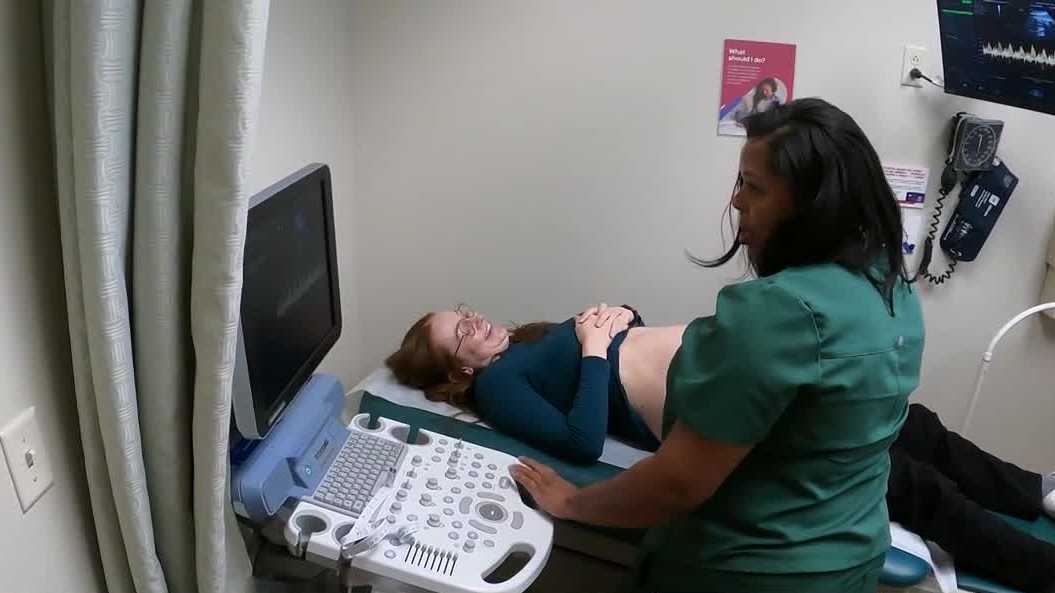
For patients hoping to see Dr. Wanakee Carr, the wait can be months.
“I’m booked at about five months out,” Carr said.
She practices at the Iowa Clinic and is one of the few Black OB-GYN physicians in the state.
“When I’m one of the few, that means people are going to have a longer wait,” Carr said. “Especially in the state of Iowa, if they don’t feel comfortable seeing someone who doesn’t look like them, that could lead to a delay in care.”
Which she says can cause complications, or even death.
Carr, a native of Des Moines, wanted to become a doctor from a young age. She attended medical school at the University of Iowa but didn’t decide on a specialty until her third-year clinical rotations.
“I delivered a baby on my first day on the unit, and I was hooked,” she said.
After completing her residency in Kansas, Carr had opportunities to practice across the country. Instead, she returned home, first working in Davenport before joining The Iowa Clinic, where she now sees patients in West Des Moines and Ankeny.
Part of that decision was personal.
“I never saw myself. I never had a Black physician when I was growing up,” Carr said.
The setting in medical school was similar.
“I can probably count on both hands how many minorities, let alone Black people, were in my medical school class,” she said. And because of that, she says she feels a responsibility to those who look like her.
“Patients come into the room and say, ‘Oh my gosh, I can let my guard down,’” she said.
Though she’s not sure all of her patients feel that way.
“When you walk into the room, sometimes in the back of your mind you’re going to think, ‘Is that patient okay with me seeing them?’” Carr said.
That experience, she said, has pushed her to work harder.
“I have to prove every day that I am a good doctor,” she said. “I have to prove every day that I’m more than competent to be here.”
Beyond her clinical work, Carr also serves as board president of the American Heart Association’s Des Moines chapter and is an early-career fellow through the American College of Obstetricians and Gynecologists. In her roles, she educates and advocates for physicians and patients alike, oftentimes at the statehouse, talking to lawmakers about changes that could be made in the medical field to better serve health care workers.
She says policy decisions in recent years have made practicing more difficult in Iowa, discouraging some physicians from working in the state.
“Some of the legislation that’s come through our state in recent years, from an obstetrics point of view, has been harmful to keeping OB-GYNs in our state,” Carr said, explaining that there is already a shortage of OB-GYNs in Iowa in general. This is especially true in rural areas, where many clinics have struggled to stay open, forcing patients to travel to larger cities for certain forms of care.
According to the American Medical Association, Iowa ranks at the bottom nationally in the number of practicing OB-GYNs per capita.
Carr said, “Anything we can do to increase the number of qualified obstetricians and gynecologists around our state is going to be helpful for everyone.”
Despite the long hours and the pressure she sometimes feels to represent minority communities, Carr says the work remains deeply rewarding.
“I’m OK with that pressure. A little bit of pressure, I think, is good,” Carr said.