
Viral videos and “fitspiration” trends can sometimes do more harm than good, according to health experts.

One Atlantic province has already seen a rise in a rare and potentially life-threatening condition that can be caused by overexertion, known as rhabdomyolysis or rhabdo.
The syndrome is caused by rapid muscle breakdown and can be the result of extreme exercise, according to Dr. Ryan Henneberry, a Halifax-based sports medicine physician.
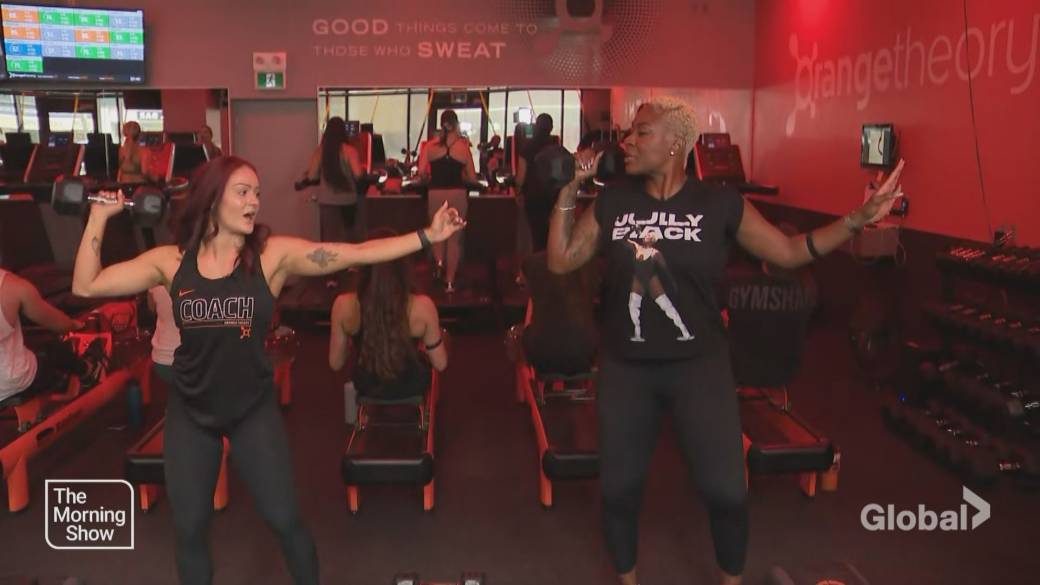
“(It can happen) especially in somebody who might have succumbed themself to exercise they hadn’t done in a while: the typical high-intense interval training, or the indoor cycling that’s common now,” he said.
It occurs when damaged cells release toxins into the blood, which can lead to severe issues, including kidney failure.
“One might see the hallmark or classic tea-coloured urine, or darker urine or brown urine, and that would usually be associated with some form of muscle weakness or muscle pain,” said Henneberry.
Story continues below advertisement
Newfoundland and Labrador Health Services said last month it confirmed about 20 cases in the eastern part of the province in the span of six months. Doctors typically expect to see a few cases a year, said Dr. Richard Barter, the clinical chief of emergency medicine in the authority’s eastern urban zone.

Get weekly health news
Receive the latest medical news and health information delivered to you every Sunday.
“One doctor said they’ve seen seven cases in the last five months,” said Barter.
Most of those cases were among women aged 19 to 30. And health officials believe social media may play a role.
“There is a culture right now to do extreme activities,” said Barter.
“We suspect that there’s a lot of posting on social media about what you’ve done, the number of reps that you’ve done, how high you’ve got your heart rate … there’s a friendly jousting competitiveness going on.”
3:52
Busting fitness myths: From metabolic conditioning to cortisol levels
More on Health
More videos
Elsewhere in Atlantic Canada, Nova Scotia Health said it has not seen any significant increases in rhabdo cases. Health authorities in New Brunswick did not provide data before deadline.
Story continues below advertisement
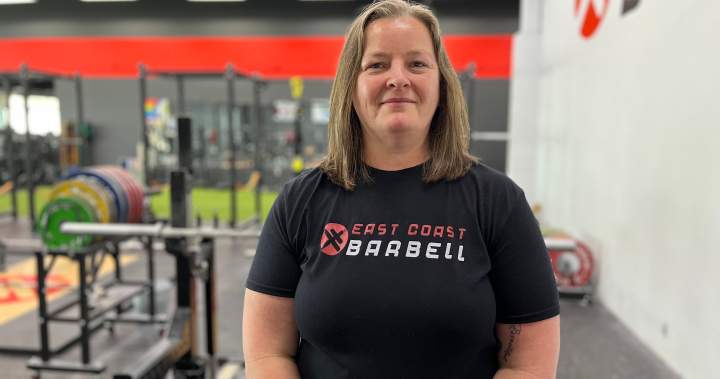
Laura Perry, a personal trainer and owner of East Coast Barbell in Dartmouth, N.S., said preventing rhabdo means taking exercise slow — and low.
“We’re not going from zero to 100 in the very first day. We’re starting small and we’re learning how to move our bodies efficiently and safely,” said Perry.
“Working out six days a week is not twice as good as working out three days a week. It doesn’t work in that way. The most important thing is to choose a routine that you can do consistently. That you have time to recover from.”
Others believe self-compassion can help, too.
While social media pressure may encourage intense workouts for some, it’s important to pause and consider the impacts.
“It could be really just recognizing that these are large systemic and often profitable industries that are perpetuating these messages,” said Eva Pila, an assistant professor at Western University School of Kinesiology.
“We need to adopt more kind, understanding and empathetic ways of relating to ourselves.”
— With a file from The Canadian Press