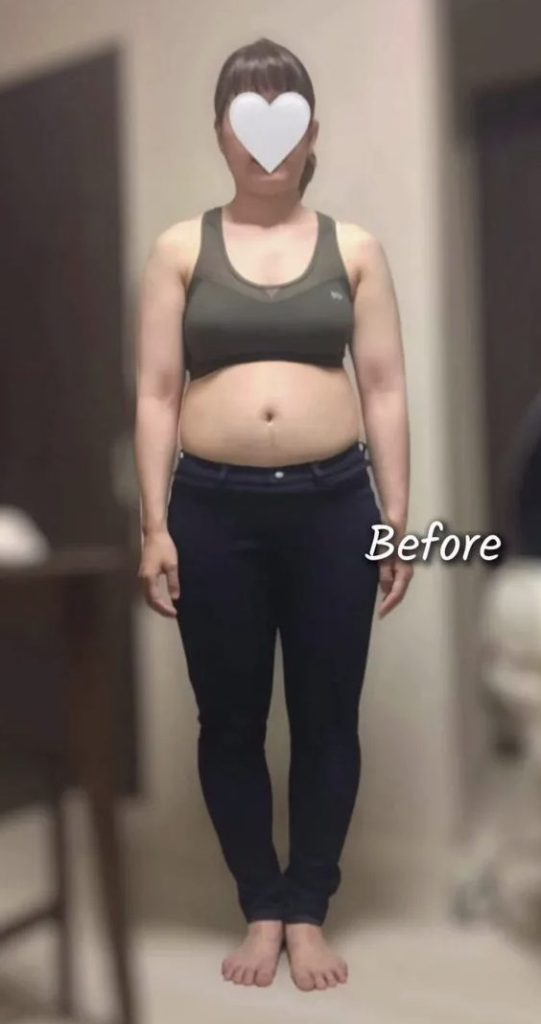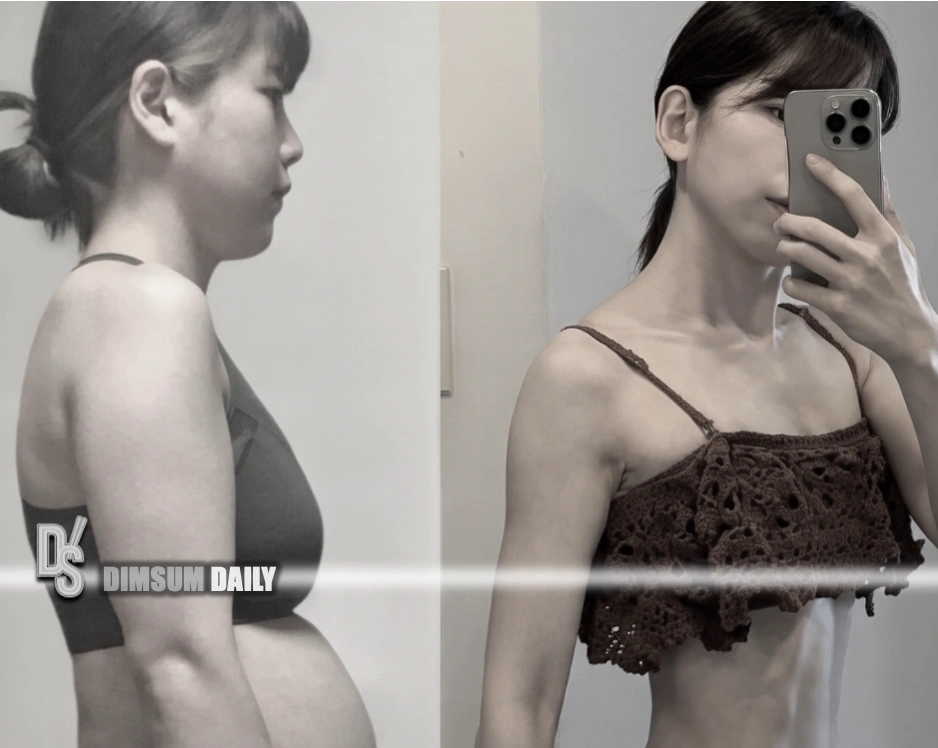
26th April 2026 – (Tokyo) A Japanese fitness influencer known as “Honkidasumaru” has shared a simple, equipment‑free abdominal routine that she says helped her shed 7.5 kilograms in two months when combined with a balanced diet. Designed to be completed in just one minute before bedtime, the programme is promoted as an accessible option for busy urban residents seeking gradual, sustainable weight control.
Maru advocates what she describes as a low‑stress approach to fat loss, arguing that effective body shaping does not require punishing training schedules. During the early stages of her own weight‑reduction journey, she relied primarily on a short sequence of daily core exercises performed while lying down. Over eight weeks, she reported visible improvements in waist definition and abdominal firmness.
The routine consists of four movements, each carried out for 10 seconds, requiring no specialist equipment and minimal space:
1. Ankle reaches (10 seconds)
Lying on the back with knees bent and feet flat on the bed or mat, participants tighten the abdominal muscles and alternately reach towards each ankle. The movement targets the oblique muscles, helping to define the waistline while placing limited strain on the lower back.
2. Supine cycling (10 seconds)
With legs raised and hands lightly supporting the head, the exerciser performs a cycling motion, bringing opposite elbow and knee together in turn. This dynamic action engages the upper, lower and side abdominal muscles simultaneously and may contribute to improved circulation and calorie expenditure.
3. Leg‑raise crunch (10 seconds)
Remaining on the back with knees bent, individuals gently curl the torso upwards, drawing elbows towards the knees. The exercise concentrates on the rectus abdominis and aims to strengthen core stability through short, controlled repetitions.
4. Hip lift with leg raise (10 seconds)
Hands are placed beneath the hips for support as both legs extend and lift from horizontal to a 90‑degree angle before slowly lowering. The move focuses on the lower abdominal region while also engaging the thighs and gluteal muscles.
Maru emphasises consistency over intensity, noting that even brief daily sessions can accumulate meaningful benefits over time. She adds that pairing the exercises with sensible dietary habits is central to achieving measurable results.
In addition to the bedtime sequence, she recommends two short daytime stretches to counteract prolonged sitting, particularly among office workers. The first involves a standing cross‑body torso twist performed in three sets of 20 repetitions per side to activate the core and mobilise the waist. The second is a kneeling stretch in which the arms extend forward before drawing back as the hips lower, intended to ease stiffness in the shoulders, hips and upper back while supporting metabolic function.
The programme’s appeal lies in its practicality: a low‑impact routine requiring only a minute at night and a few additional minutes during the day, positioned as a manageable alternative to high‑intensity regimens for those seeking gradual waist reduction and improved muscle tone.