
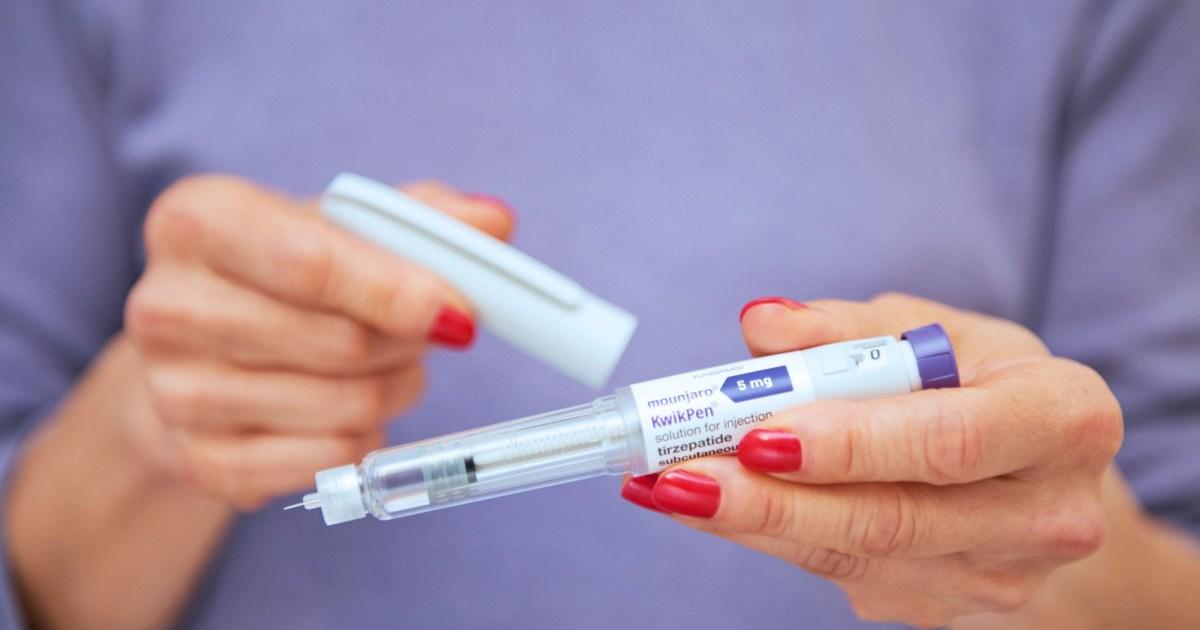
Those using weight loss injections should take extra care in the heat (Picture: Getty Images Europe)
In case it somehow slipped your attention, the UK is currently in the midst of a heatwave.
Record-breaking highs of 34C have been experienced in London and parts of the South East, and we’re all being warned to take extra precautions to look after ourselves.
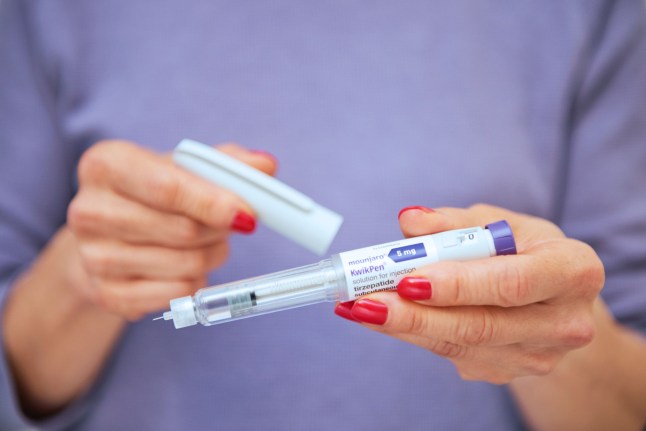
Warnings have already been issued for those taking antidepressants, but it seems those using weight loss medications, such as Ozempic and Mounjaro, should also be especially careful.
A doctor has revealed that the popular injections could ‘create additional health concerns’ in warm weather.

Symptoms of dehydration include headaches, fatigue and nausea (Picture: Getty Images)
Dr Suzanne Wylie, a GP and medical advisor for IQdoctor, explained that people using GLP-1 receptor agonists, such as semaglutide, face a higher risk of dehydration and dehydration-related illnesses.
‘This is largely because some of the most common side effects include nausea, vomiting, and diarrhoea, all of which can lead to significant fluid loss,’ she says.
‘These medications also slow gastric emptying, helping people feel fuller for longer, but this can sometimes mean individuals unintentionally eat and drink less overall.’
The hot weather further complicates things because the body loses more fluid through sweating.
‘These losses need to be replaced,’ the expert continues.
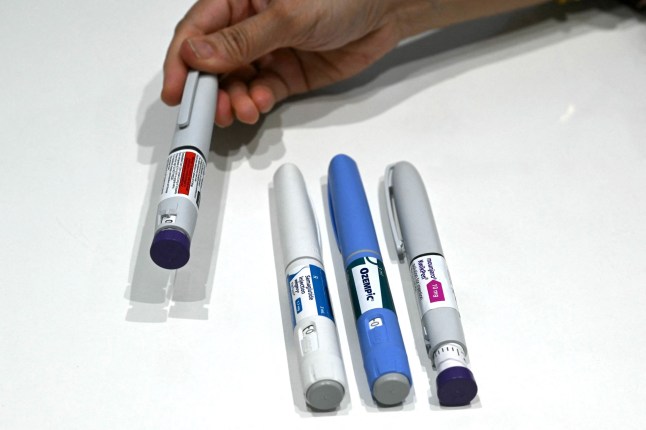
Those using weight loss medications such as Ozempic may face higher risk of dehydration (Picture: AFP or licensors)
‘If someone is already experiencing medication side effects that reduce fluid intake or increase fluid loss, they may be more vulnerable to dehydration-related illnesses, such as heat exhaustion and, in more serious cases, heatstroke.’
Another little-known concern associated with dehydration is gallstones. These are small stones that form in the gallbladder and can cause pain.
While uncommon, they have been reported as a side effect of some weight loss medications.
‘Dehydration may further increase the risk of gallstones, because it can reduce bile flow and cause bile to become more concentrated within the gallbladder,’ Dr Wylie explains.
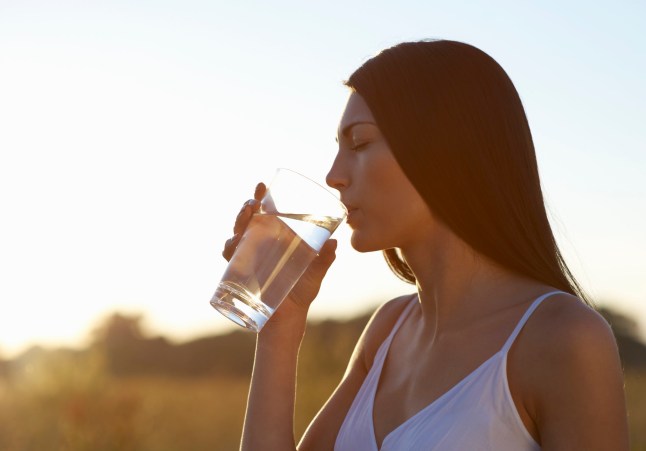
Take care by drinking extra water and fluids in the heat (Picture: Getty Images)
What are the symptoms of dehydration?
Dehydration occurs when your body loses more fluids than it takes in. If left untreated, it can become a serious problem.
According to the NHS, symptoms include:
Feeling thirsty
Headache and feeling light-headed
Dark yellow, strong-smelling pee
Peeing less often than usual
Feeling dizzy
Feeling tired
A dry mouth, lips and tongue
Sunken eyes
Severe dehydration can also cause confusion, muscle cramps, feeling faint, or weakness.
What steps should you take to prevent dehydration?
The biggest mistake people make is relying solely on thirst as a cue to drink water. This is because thirst often occurs after the body has already begun to dehydrate.
Instead, you should drink water regularly throughout the day, even if you don’t feel particularly thirsty.
The amount of water you need to stay hydrated will vary from person to person, but Dr Wylie recommends adults aim for around six to eight glasses of water per day, which is approximately 1.5 to 2 litres of fluid.
Higher amounts will often be needed during hot weather, illness, or increased activity.
Are you using weight loss injections?
Not right now, but I’ve tried themCheck
Sign up to Metro’s The Slice newsletter for your guide to what’s on in London, with trusted reviews, offers and giveaways.
The expert goes on to suggest keeping a water bottle with you all day, setting reminders to drink water, and eating water-rich foods such as watermelon, cucumbers and oranges.
If you struggle to drink plain water, you can always flavour it with sugar-free squash.
Metro recently conducted a taste test to find the best orange squash, if you’re a fan of that – and the results might surprise you.
And finally, you’ll want to limit your intake of sugary drinks, caffeine, and alcohol, as these can all dehydrate you.
Dr Wylie adds that anyone experiencing persistent dizziness, severe fatigue, worsening nausea or symptoms of dehydration should seek medical advice.
Pharmacists can help with dehydration by recommending oral rehydration solutions.
The unexpected drink you should try in a heatwave:
We’ve heard that Brits are being urged to up their fluid intake in the warmer weather, but according to a doctor, there’s one drink that can be especially beneficial in a heatwave.
Dr Natasha Dernando, a medical director at Medichecks, claims that milk can actually be ‘more hydrating’ than water.
A lot of buildings in the UK aren’t well equipped to deal with extreme heat, so it’s more important than ever to look after your hydration levels throughout periods of hot weather,’ she tells Metro. ‘However, you don’t have to stick to water alone to boost hydration levels.’
Dr Natasha explains that a glass of milk helps you to stay hydrated over longer periods, as the sugar, protein, and fat content slow the rate at which fluid empties from the stomach.
‘Milk also contains sodium,’ she adds, ‘which allows your body to hold onto water for longer, aiding hydration levels.’
It’s not just cow’s milk either: vegan or lactose-intolerant folks can also benefit from a hit of a plant-based alternative, and Dr Natasha highlights that ‘soya milk also contains electrolytes, which aid rehydration further.’
Do you have a story to share?
Get in touch by emailing MetroLifestyleTeam@Metro.co.uk.
Arrow
MORE: Commuters endure rush hour delays on London Tube lines in sweltering heat
Arrow
MORE: The best Dunelm buys for hot weather – cooling bedding, garden furniture and affordable BBQs
Arrow
MORE: Edinburgh Marathon runners in hospital for heat stroke after bank holiday temperatures soar
Comments
Add Metro as a Preferred Source on Google
Add as preferred source
The Slice
Your free newsletter guide to the best London has on offer, from drinks deals to restaurant reviews.