

High cholesterol can lead to serious health complications including a stroke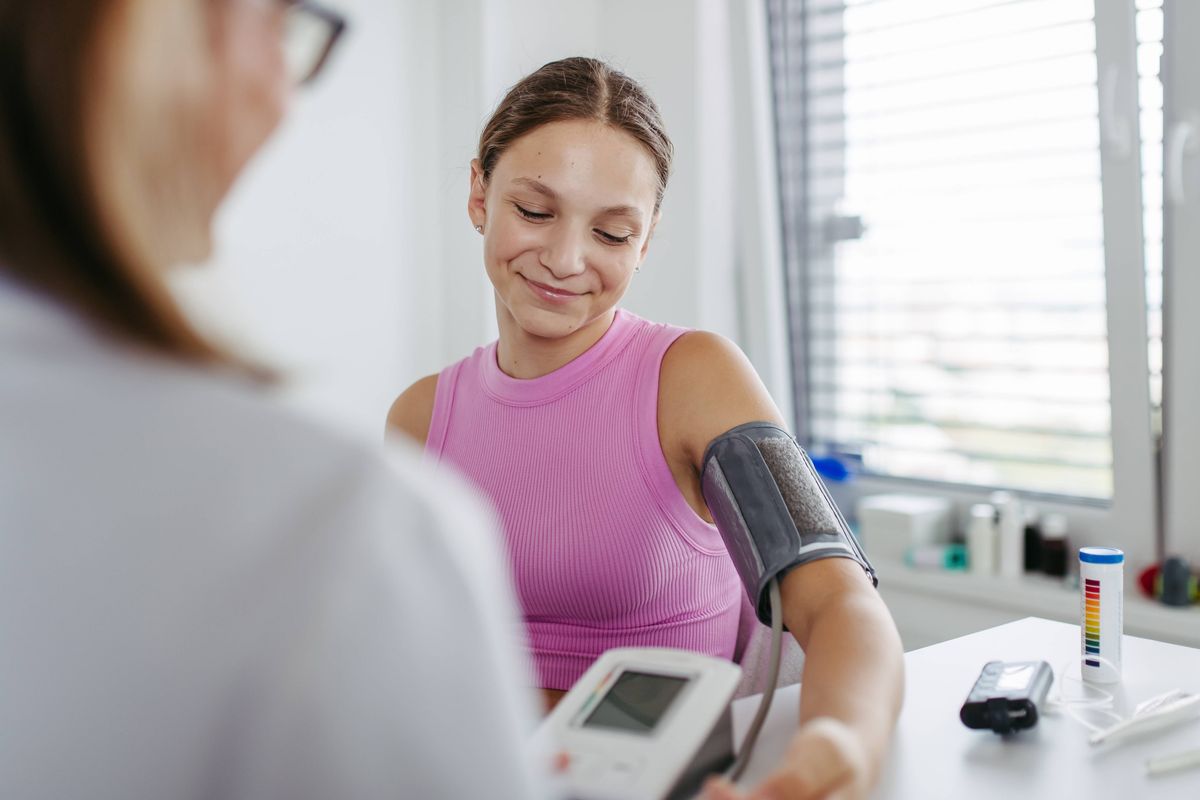
The NHS says that “too much cholesterol can block your blood vessels. It makes you more likely to have heart problems or a stroke”(Image: Halfpoint Images via Getty Images)
A GP has revealed the four foods he would prioritise buying at the shop if faced with a high cholesterol diagnosis. High cholesterol develops when excessive amounts of a fatty substance accumulate in your bloodstream.
Common triggers include consuming fatty foods, insufficient exercise, excess weight, smoking and alcohol consumption. However, certain foods can help manage it, according to Doctor Karan Rajan, who has compiled a list of budget-friendly options for your weekly shop.
The doctor and author of the No.1 Sunday Times Bestseller This Book May Save Your Life, who boasts over 5.4 million TikTok followers, said: “If I were diagnosed with high cholesterol, these are four things I’d have in the kitchen.”
1. Berries
Listing “berries” as his first item, he said they are “rich in polyphenols, especially things like anthocyanin, which increases the amount of bile acids formed which then means more cholesterol is excreted.
“These polyphenols also act as antioxidants, which can actually help the lining of the blood vessels. The polyphenols also limit the amount of LDL oxidation, which is bad cholesterol.”
What are polyphenols?Content cannot be displayed without consent
Polyphenols are naturally occurring compounds present in plant-based foods, including fruits, vegetables, herbs, spices, tea, dark chocolate and wine. They function as antioxidants, shielding your cells from damage inflicted by harmful molecules known as free radicals.
This may lower the risk of diseases like cancer, diabetes, and heart disease. They may also help reduce inflammation, which is linked to many long-term health conditions, notes Healthline.
2. Seeds
Continuing his list, he says that seeds have “healthy fats which reduce intestinal cholesterol absorption and reduce liver fat synthesis.”
Experts at the British Heart Foundation (BHF) say that while nuts can be beneficial in lowering your cholesterol levels, “make sure you choose plain ones to avoid adding extra salt or sugar to your diet.
“A portion is a small handful – about 30g. Choose whichever nuts you like or, even better, a mixture of nuts and seeds to benefit from a wider range of nutrients.”
3. Beans and lentils
He added: “Beans and lentils contain fermentable fibres which maximise short-chain fatty acid production, which actually downregulates the liver cholesterol synthesis. They’re also rich in plant proteins, which increases LDL receptor activity, which means more LDL clearance.”
This means that these key foods can help lower “bad” LDL cholesterol because their fibre helps your gut produce substances that reduce cholesterol made by the liver, and their plant protein may also help your body remove more LDL from the blood.
A study explains: “Short-chain fatty acids (SCFAs) are mainly produced by gut microbiome fermentation of dietary fibre and could also be produced by bacteria of the skin and vagina.
“The SCFAs have many health benefits, such as anti-inflammatory, immunoregulatory, anti-obesity, anti-diabetes, anticancer, cardiovascular protective, hepatoprotective, and neuroprotective activities.”
4. Oats
In his final recommendation, he highlights oats as an excellent dietary addition. He explains: “Oats are rich in the probiotic fibre beta-glucan, which is one of the most studied probiotics for cholesterol reduction.
“These form a viscous, soluble gel that binds to bile acids and excretes them, and forces your body to pull more LDL cholesterol out of circulation to make even more bile.”
Healthline reports that beta-glucan is a type of soluble fibre found naturally in foods such as oats, barley and rye. Extensively researched, it’s linked to numerous potential health advantages, including lowering cholesterol and bolstering immune function.
The health site also notes that studies link it to better blood sugar control, reduced inflammation, and other beneficial metabolic effects.
Add these items to your shopping list
The popular doctor’s suggestions are budget-friendly foods that can help reduce elevated cholesterol. Combined, they function by decreasing cholesterol absorption, boosting its elimination from the body, and minimising inflammation.
Don’t forget to add these to your next supermarket shopping list:
BerriesSeeds (think almonds, chia, flax, sunflower, pumpkin)Beans and lentilsOats