
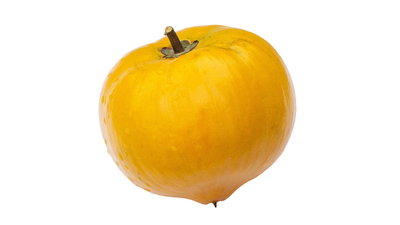
 The fruit derived from Pouteria campechiana | Wikimedia Commons Bright yellow on the inside, naturally sweet and remarkably creamy, canistel is a tropical fruit that remains largely unfamiliar outside parts of Latin America and Southeast Asia. Often nicknamed the “egg fruit” because its flesh resembles a cooked egg yolk in both color and texture, the fruit has also earned comparisons to dulce de leche thanks to its rich, custard-like flavor. Despite its unique taste, canistel is still rarely found in mainstream supermarkets because it ripens quickly, bruises easily, and has a relatively short shelf life.Beyond its unusual flavor profile, researchers have become increasingly interested in canistel (Pouteria campechiana) because it is naturally rich in beta-carotene, the orange-yellow plant pigment that gives the fruit its distinctive color. Recent studies published in MDPI suggest it may have potential as a natural ingredient for functional foods and nutritional products.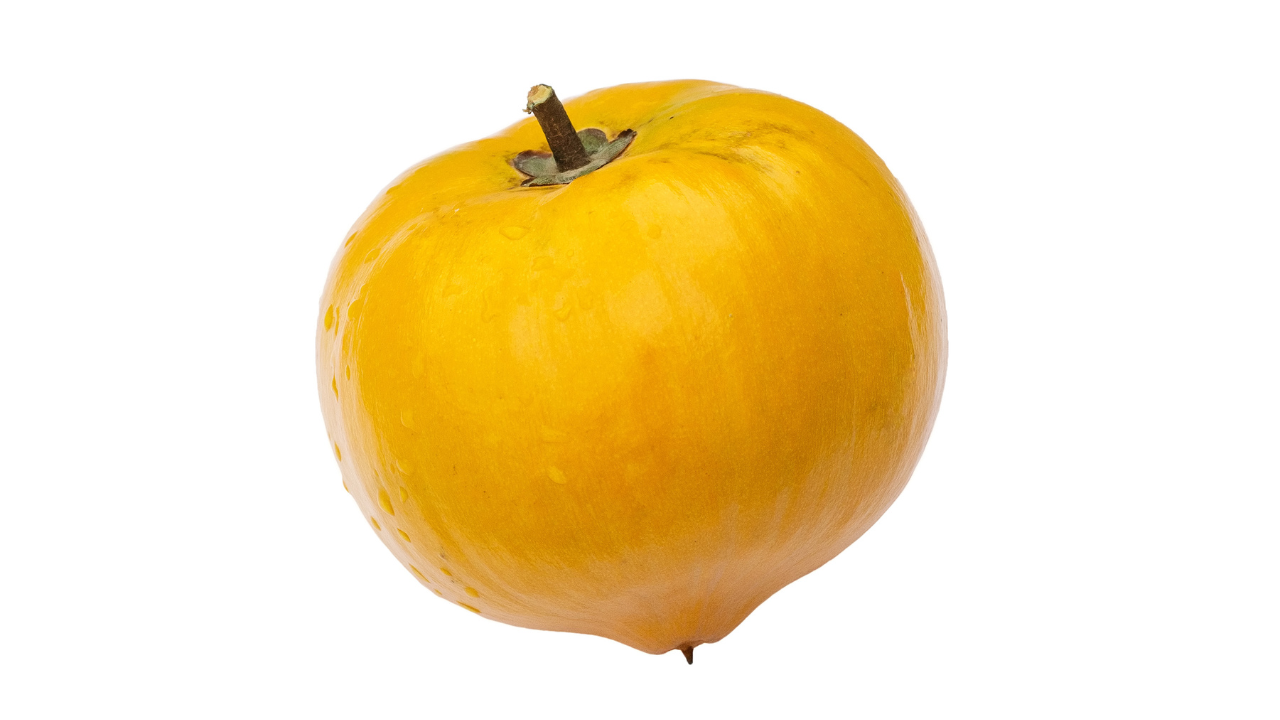
The fruit derived from Pouteria campechiana | Wikimedia Commons
Why does canistel stand outUnlike juicy tropical fruits such as mango or papaya, canistel has a dense, dry, and velvety pulp. When fully ripe, the flesh becomes soft and almost buttery, making it well suited for recipes rather than eating straight from the tree.Its mild sweetness pairs well with ingredients such as cinnamon, cocoa, coffee, and nuts, while its thick consistency makes it popular in smoothies, ice creams, mousses, jams, and dessert fillings. Because the fruit often remains yellow even before it ripens, growers recommend choosing fruits that yield slightly to gentle pressure and give off a faint sweet aroma near the stem.A natural source of beta-caroteneScientists have recently explored canistel’s nutritional properties, particularly its high concentration of beta-carotene, a carotenoid pigment that the body can convert into vitamin A. In a 2025 study published in the journal Foods, researchers successfully used canistel pulp to enrich coconut oil with beta-carotene through a solvent-free process. The researchers described canistel as an “underutilized tropical fruit rich in β-carotene,” highlighting its potential as a natural source of both color and nutritional value.The study found that incorporating canistel into coconut oil significantly increased the oil’s beta-carotene content while also improving its antioxidant properties. Although the research focused on food processing rather than direct health benefits from eating the fruit itself, it underscores growing scientific interest in canistel as a functional food ingredient. 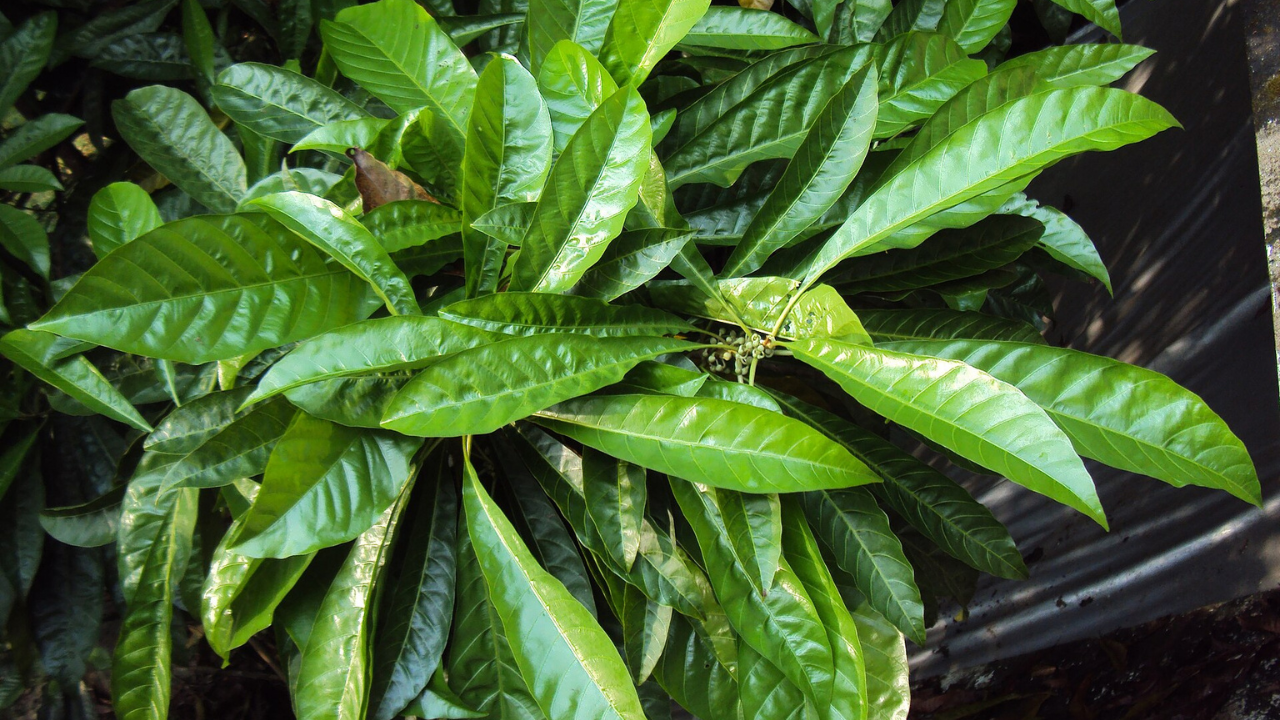
Leaves of the Pouteria campechiana | Wikimedia Commons
Could this overlooked fruit become more popular?Researchers and food scientists believe canistel may benefit from growing consumer interest in lesser-known tropical fruits and locally sourced ingredients. Earlier research published by FAO has also shown that the fruit is naturally rich in carotenoids and can be processed into products such as flour while retaining much of its characteristic yellow-orange color under appropriate processing conditions.For now, canistel remains something of a hidden gem, most commonly found in home gardens, farmers’ markets and tropical regions where it is grown locally. But with its distinctive flavor, creamy texture, and increasing scientific attention for its nutritional composition, the golden-colored fruit could gradually find a wider audience among consumers looking to explore uncommon tropical produce.