
Your support helps us to tell the story
From reproductive rights to climate change to Big Tech, The Independent is on the ground when the story is developing. Whether it’s investigating the financials of Elon Musk’s pro-Trump PAC or producing our latest documentary, ‘The A Word’, which shines a light on the American women fighting for reproductive rights, we know how important it is to parse out the facts from the messaging.
At such a critical moment in US history, we need reporters on the ground. Your donation allows us to keep sending journalists to speak to both sides of the story.
The Independent is trusted by Americans across the entire political spectrum. And unlike many other quality news outlets, we choose not to lock Americans out of our reporting and analysis with paywalls. We believe quality journalism should be available to everyone, paid for by those who can afford it.
Your support makes all the difference.Read more
Even a slight reduction in daily vigorous exercise could elevate cancer risk by 15 per cent, new research suggests.
Experts warn that replacing physical activity with sedentary habits, such as sitting at a desk or watching TV, directly contributes to this increased risk.
The study also highlights the importance for people who have maintained an active lifestyle to continue doing so, as even minor decreases in activity levels can negatively impact health.
The finding builds upon previous studies that have consistently demonstrated a strong correlation between higher levels of physical activity and a reduced risk of various cancers, including those affecting the bladder, breast, bowel, kidney, and stomach.
Published in the journal BMC Medicine, the new analysis examined lifestyle data and employed modelling to understand the link between exercise and cancer risk.
The research involved 59,218 participants (55 per cent of whom were female) from the UK Biobank, with an average age of 61.7.
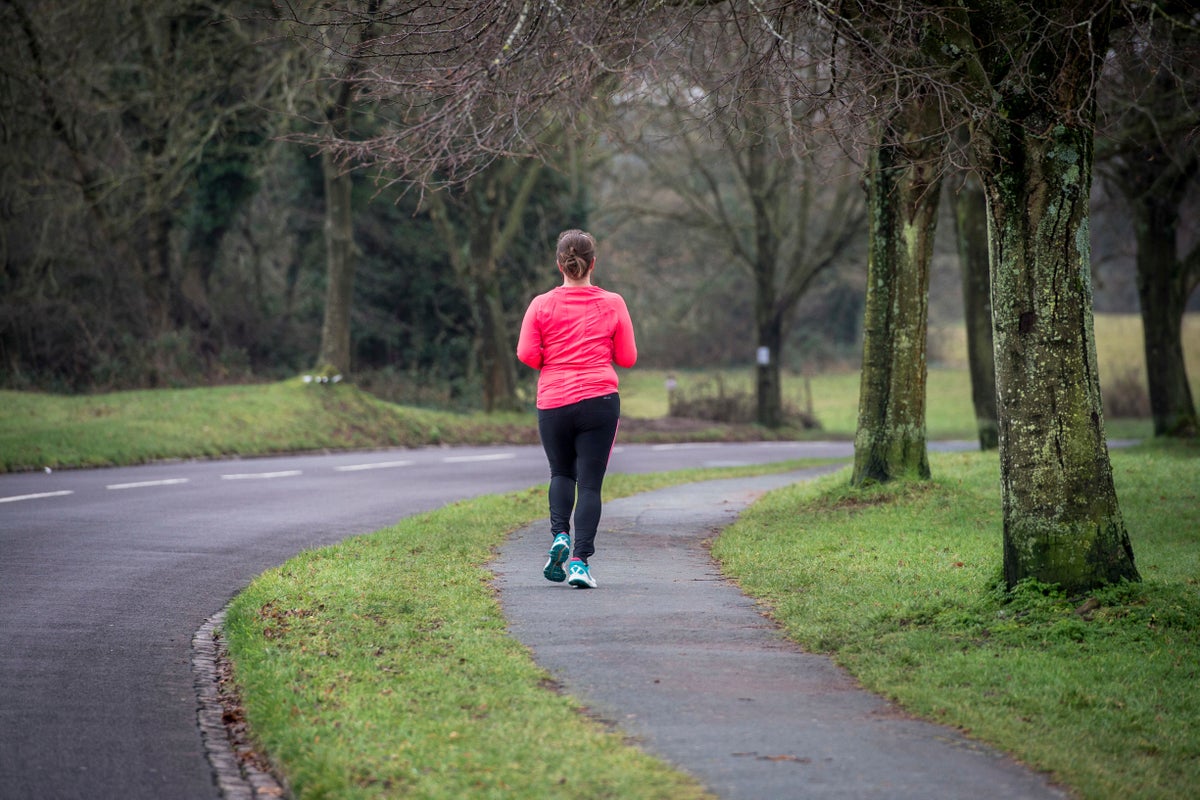
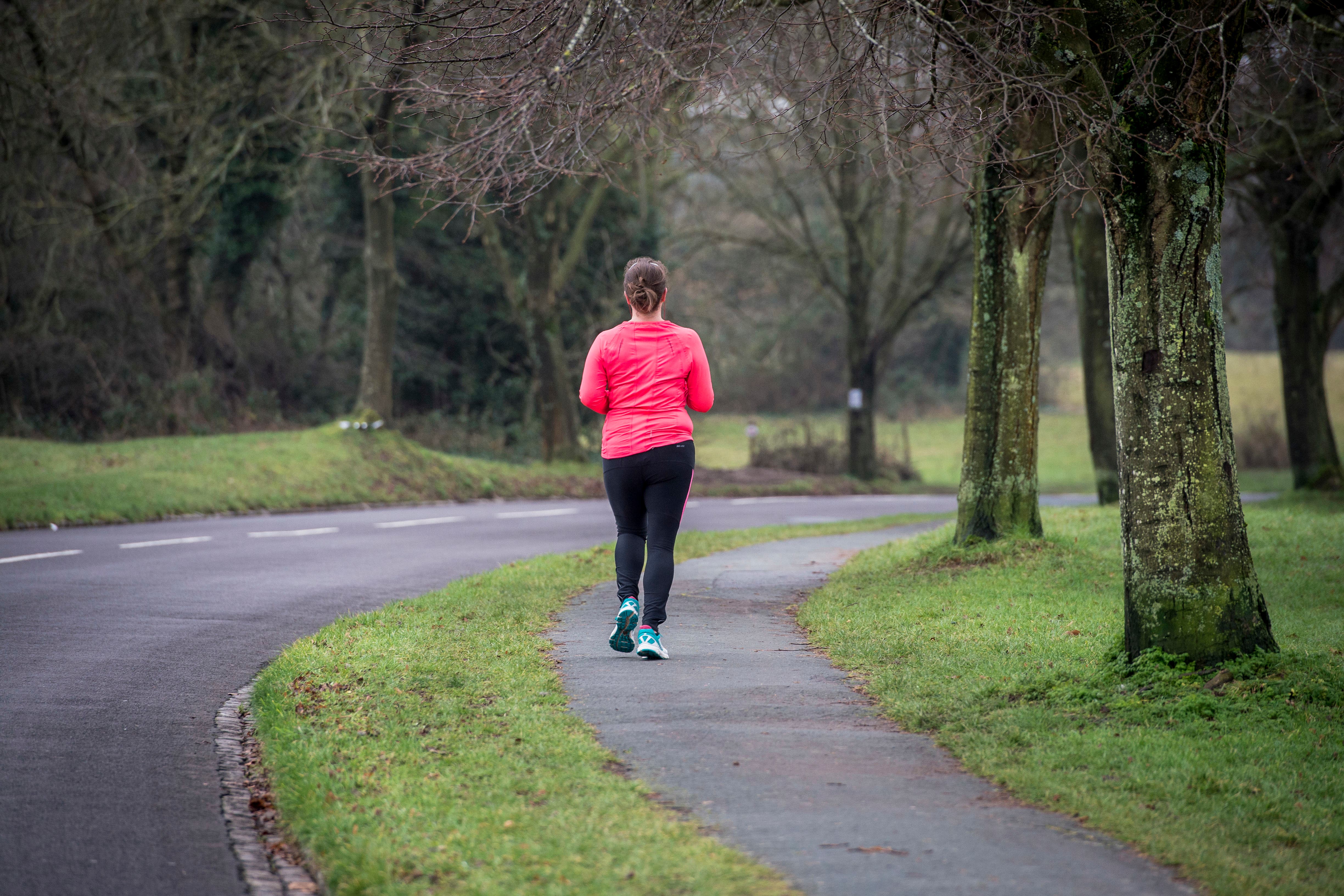 Physical activity is linked with a lower likelihood of developing cancer (PA Archive)
Over an eight-year follow-up period, 2,385 cancer cases were recorded within the group.
Researchers looked at areas such as how long people spent sleeping, sedentary behaviour such as watching TV, standing, and then any movement and at what intensity.
They found that the more people moved, the lower their risk of cancer.
For example, replacing 15 minutes of sleep or sedentary behaviour with 15 minutes of movement were each linked to a 2 per cent reduced risk of cancer.
Conversely, swapping 30 minutes of movement for 30 minutes of sedentary behaviour increased the risk by 8 per cent, while swapping it for sleep increased the risk by 7 per cent.
 People who spend a lot of time sitting down have an increased risk of cancer (Getty/iStock)
Dr John Mitchell, lead author from University College London (UCL), said: “Our study showed that there’s an increased risk of cancer for those who spend a lot of time sitting down.
“We also explored what might happen if people leading active lives reduced their levels of physical activity and found that they also face a higher cancer risk.
“Based on theoretical modelling, our study showed even losing two to three minutes per day of vigorous activity, such as running for a bus, and replacing it with sitting down, sleep or light activity increased their cancer risk.
“Other examples of vigorous activity – that is, anything which elevates your heart rate and makes you sweat – include sport, rushing up the stairs and carrying home heavy grocery bags.
“The take-home message is that for people already leading physically active lives, it’s really important to maintain that level of activity as you get older.”
What are the NHS exercise guidelines?
Current NHS guidelines say adults should aim for at least 150 minutes of moderate intensity activity a week or 75 minutes of vigorous intensity activity a week.
They should also do strength activities that work all the major muscle groups (legs, hips, back, abdomen, chest, shoulders and arms) on at least two days per week.
Examples of moderate activity include very brisk walking (4mph or faster), cycling at 10mph-12mph, or badminton.
Vigorous activity also includes hiking, jogging at 6mph or faster, fast cycling, basketball or tennis.