
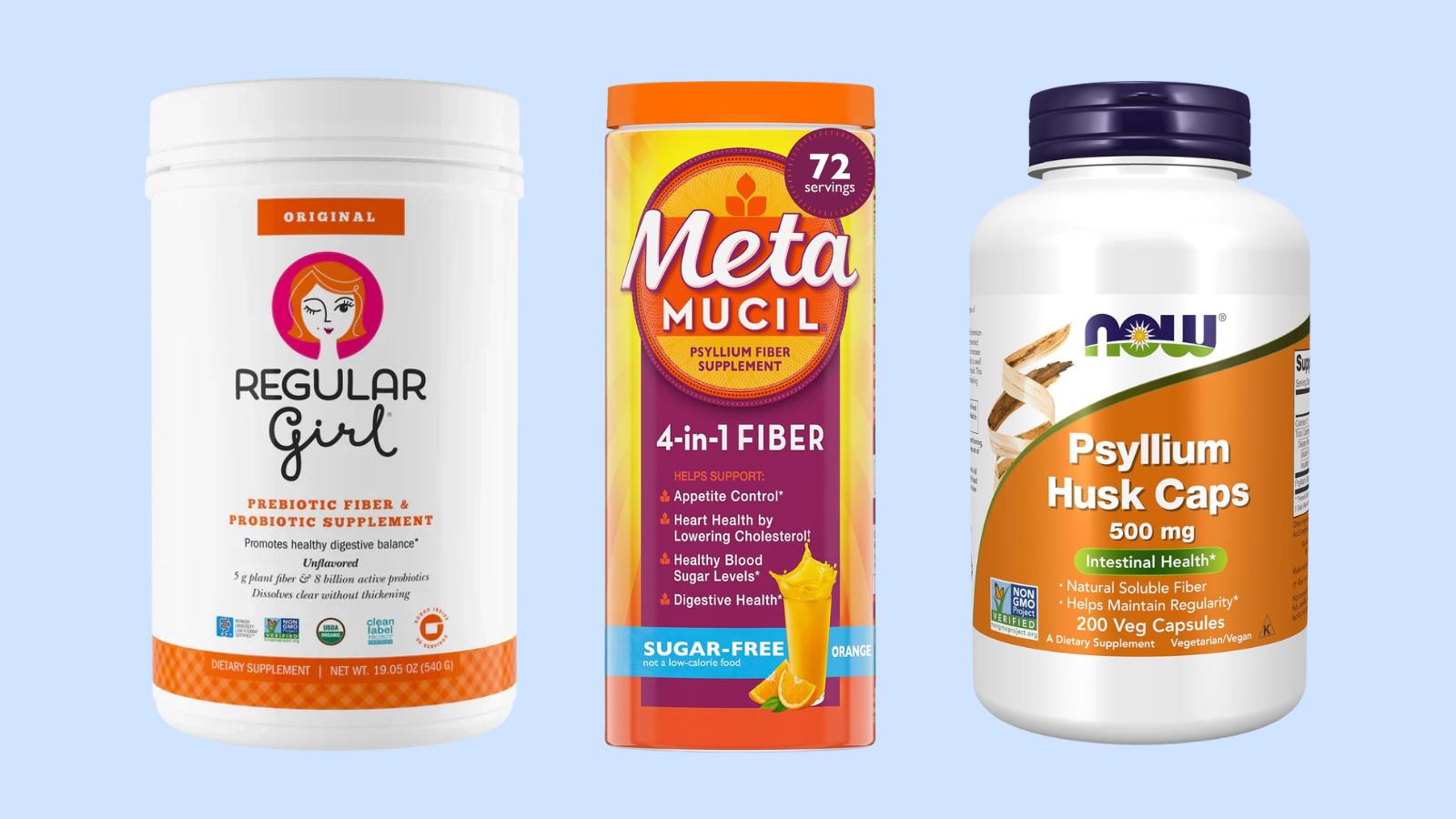
The recommended daily fiber intake for most adults is around 30 grams, which sounds manageable in theory but can be surprisingly hard to hit day after day. Experts recommend getting most of your fiber from whole foods, but the best fiber supplements can help fill the gaps and get you closer to your daily goal. Our top pick is Metamucil’s 4-in-1, a versatile psyllium husk powder backed by strong clinical evidence. For non-powder supplements, we recommend Now’s Psyllium Husk Caps and the BelliWelli Fiber Gummies. As with any supplement, we recommend consulting your doctor before taking any fiber supplement on this list.
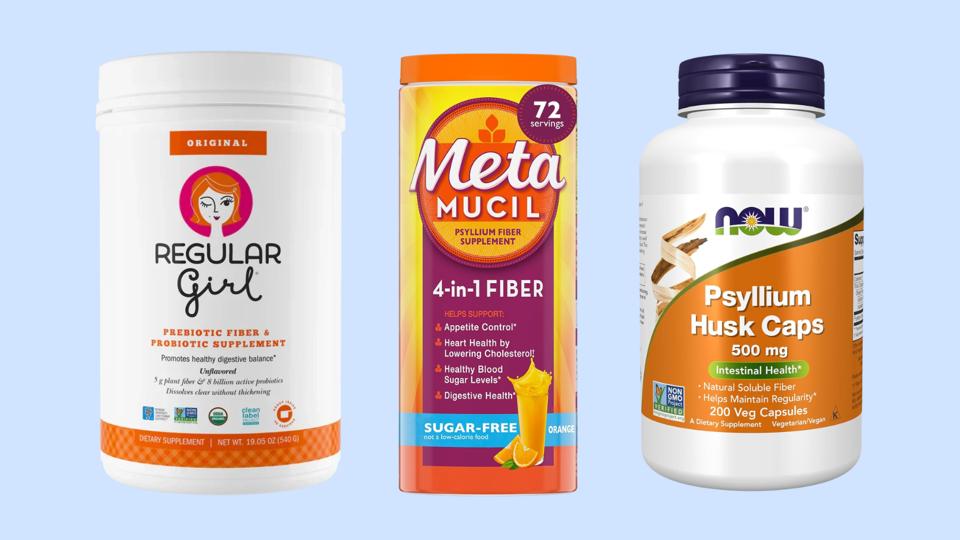
We consulted a gastroenterologist and a food scientist specializing in nutrition to find the best fiber supplements.
Illustration: Forbes / Photos: Retailers
Metamucil 4-In-1 Fiber Supplement
Fiber type: Psyllium husk | Fiber per serving: 3 grams | Insoluble or soluble: Both, primarily soluble | Form: Powder | Servings per container: 72 | Price per serving: $0.25 | Third-party tested: No
Best for:
Addressing multiple gut health concernsStrong clinical evidenceLowering LDL cholesterol and managing blood sugar
Skip if:
You have difficulty swallowing
Want to read this story later?
Get a link sent straight to your inbox.
Remind Me
We’ve sent this story to your inbox.
 Why We Named It Best Overall
Metamucil gets its fiber from psyllium husk, which both of our experts recommend for its versatility. The plant-based fiber forms a gel when mixed with liquid, helping regulate bowel movements and relieve occasional constipation. Although Metamucil isn’t third-party tested, clinical studies suggest psyllium can help lower LDL cholesterol, support blood sugar management and increase satiety. When mixed with water, the powder dissolves to form a gel-like consistency that it maintains as it passes through the digestive tract, softening stool while also adding bulk for easier, more comfortable bowel movements. The viscous gel also absorbs excess moisture to firm up stool, which can help manage diarrhea.
Metamucil is available in several flavors, including orange, lemonade and berry, but keep in mind that the brand makes both sugar-free and real-sugar formulations. It’s also best to consume the mixture right away, as it thickens rather quickly.
Who Shouldn’t Buy It
Some sugar-free Metamucil formulas contain aspartame and carry a warning for people with phenylketonuria (PKU). It’s also important to mix Metamucil, or any psyllium husk powder, with an adequate amount of liquid (at least 8 ounces). Because the powder expands quickly when mixed with liquid, it can obstruct the throat or esophagus.
Benefiber Prebiotic Fiber Supplement Powder
Fiber type: Wheat dextrin | Fiber per serving: 3 grams | Insoluble or soluble: Soluble | Form: Powder | Servings per container: 125 | Price per serving: $0.18 | Third-party tested: No
Best for:
DissolvabilityNo flavor when mixed into drinks and foodNourishing good gut bacteria
Skip if:
You need a fiber supplement to help with constipationWhy We Named It Best Powder
When mixed into liquids, Benefiber’s clear powder becomes flavorless, grit-free and entirely unnoticeable, so it won’t interfere with the taste or texture of your preferred cold and hot beverages. The supplement is made from wheat dextrin, a plant-based fiber that is soluble like psyllium husk but differs in that it’s nonviscous, allowing it to dissolve completely in liquids or even soft foods like yogurt and smoothies. Wheat dextrin also functions as a prebiotic, reaching the large intestine undigested to nourish and support healthy gut bacteria for a more balanced microbiome, but keep this in mind: Because the fiber is fermentable, it can cause gas and bloating.
Who Shouldn’t Buy It
While Benefiber is made from wheat dextrin, the brand labels the powder gluten-free because the wheat is processed to meet FDA requirements for gluten-free foods. Still, if you have celiac disease or a severe gluten sensitivity and have concerns about wheat-derived ingredients, it’s worth checking with your doctor before taking it. Benefiber also may not be the best choice if your primary goal is constipation relief. Unlike psyllium, wheat dextrin is a nonviscous soluble fiber, so it doesn’t form the same gel that helps soften and bulk stool.
Fiber type: Psyllium husk | Fiber per serving: 1.1 grams | Insoluble or soluble: Both | Form: Capsule | Servings per container: 66 | Price per serving: $0.29 | Third-party tested: Yes
Best for:
A convenient alternative to powdersSpecific dietary needs, including vegan, vegetarian, keto, kosher and halalThird-party seals and certifications
Skip if:
You struggle to take multiple supplements/pills throughout the dayWhy We Named Them Best Capsules
If you prefer pills to powder, the Now Psyllium Husk Caps are a handy way to boost your daily intake. Like Metamucil, Now Psyllium Husk Caps get their fiber from psyllium husk, allowing you to reap the benefits of the fiber without the gritty texture or unwanted flavors associated with powder versions. The 200-capsule bottle contains 66 servings, although the recommended serving size is three capsules taken two to three times daily. Now’s psyllium husk capsules carry several certifications, including Non-GMO Project Verified, Intertek GMP Supplement Certification, halal and kosher certifications. In addition to partnering with third-party labs, the brand also conducts its own in-house testing for purity, quality and safety.
Who Shouldn’t Buy It
Because capsules generally deliver less fiber per dose than powders, you may need to take several throughout the day. If you have trouble remembering to take supplements or are managing multiple a day, consider a fiber supplement that only needs to be taken once daily.
Fiber type: Tapioca fiber | Fiber per serving: 5 grams | Insoluble or soluble: Soluble | Form: Gummy | Servings per container: 30 | Price per serving: $1.19 | Third-party tested: Yes
Best for:
Good tasteContains both prebiotics and probioticsThird-party tested for ingredient potency and purity
Skip if:
You want a fiber supplement to help with other health concerns (e.g., cholesterol)Why We Named Them Best Gummies
The BelliWelli Fiber Gummies come in watermelon and cherry limeade, offering a sweeter alternative for anyone who dislikes powders. BelliWelli uses soluble, fermentable tapioca fiber, a type of resistant dextrin that works similarly to the wheat dextrin found in Benefiber and acts as a prebiotic to support gut health. In addition to tapioca fiber, the gummies also contain bovine-derived collagen peptides for skin health, key electrolytes including sodium, potassium and magnesium, and Bacillus coagulans MTCC 5856 (also known as LactoSpore), a spore-forming probiotic that lessens abdominal discomfort, such as gas and bloating, and helps promote regularity. The gummies are also third-party tested to verify the active ingredients, although the company doesn’t identify the lab that performs the testing.
Who Shouldn’t Buy It
Soluble tapioca fiber has primarily been studied for its tolerability, impact on colon health and prebiotic capabilities, but if you want a supplement to help address concerns like cholesterol and blood sugar, consider a better-studied and established fiber type like psyllium husk.
Fiber type: Sunfiber (partially hydrolyzed guar gum) | Fiber per serving: 5 grams | Insoluble or soluble: Soluble | Form: Powder | Servings per container: 30 | Price per serving: $0.99 | Third-party tested: Yes
Best for:
Those with IBS Sensitive stomachsFlavorless and odorless when dissolved
Skip if:
You want a cheaper powder fiber supplementWhy We Named It Best For Women
Made specifically with women’s digestive health in mind, Regular Girl’s blend of synbiotics is gentle on the stomach. A serving of the powder includes 5 grams of Sunfiber, a soluble, low-viscosity fiber made from partially hydrolyzed guar gum (PHGG). Sunfiber is especially great for more sensitive digestive systems because PHGG ferments slowly in the gut, leading to less gas, bloating and abdominal pain, and Khokhar recommends it for those suffering from IBS, which is more common in women. Regular Girl’s fiber blend is Monash University Low FODMAP Certified, meaning it was tested and found to be suitable for low FODMAP diets. The fiber supplement has also been tested for prohibited substances and meets the standards and requirements of Informed Choice.
Who Shouldn’t Buy It
Compared to other powder fiber supplements on this list, like Metamucil and Benefiber, Regular Girl’s Prebiotic Fiber & Probiotic Blend is relatively more expensive at almost a dollar per serving. If you want a more budget-friendly option, consider a fiber supplement with psyllium husk or wheat dextrin, which tend to be less expensive than supplements that combine fiber with probiotics.
How We Chose The Best Fiber Supplements
We selected fiber supplements based on a few important criteria, analyzing products for the following:
Fiber type: There are several common types of fiber and some address certain symptoms better than others, which is why we included multiple fiber types in this guide.Form: Just like there are different types of fiber, fiber supplements are available in different forms, typically powder, capsules or gummies. We selected fiber supplements in various forms to cater to individual preferences. Effectiveness: We consulted a gastroenterologist and a food scientist and nutritionist for insight into the evidence behind different types of fiber and which may be best suited to specific needs.What To Look For In The Best Fiber Supplements
When it comes to choosing the right fiber supplement for you and your needs, there are several important factors to consider.
Type Of Fiber
There are several common fiber options on the market, although the right type of fiber for you largely depends on your specific symptoms. Some fiber types you might find are:
Psyllium husk: A plant-based, soluble fiber that forms a viscous gel when mixed with water. It has a low fermentability and is supported by strong clinical evidence for constipation, stool regularity, reducing LDL cholesterol and improving glycemic responses. Methylcellulose: Derived from plant cellulose, it’s a soluble, nonfermentable and bulk-forming fiber that treats constipation. Because it’s nonfermentable, it may cause less gas in some. Wheat dextrin or resistant dextrin: Soluble, fermentable fibers that mix and dissolve easily into beverages. Because these fibers are nonviscous, they might not treat constipation as effectively as viscous fibers like psyllium husk.Partially hydrolyzed guar gum (PHGG): Like wheat dextrin, partially hydrolyzed guar gum, or PHGG, mixes easily into water and beverages, thanks to its low viscosity. It’s a fermentable fiber that also functions as a prebiotic in the large intestine. Calcium polycarbophil: A synthetic bulk-forming fiber that is commonly used to treat constipation and can help regulate bowel movements. Health Goals
Fiber supplements aren’t one-size-fits-all, and the type of supplement you choose should depend on the health goals you’re looking to address. “Someone seeking constipation relief may need a different fiber from someone primarily interested in lowering LDL cholesterol or adding a prebiotic to the diet,” says Wallace. To ensure you’re taking the right fiber supplement for your specific needs and goals, we recommend first consulting a doctor.
Dose Per Serving
Fiber supplements should be used alongside food to achieve the recommended daily fiber intake, which according to the National Academies Food and Nutrition Board is 38 grams per day for men and 25 grams for women age 50 and younger. For age 51 and up, it’s 30 grams for men and 21 grams for women. That said, individual requirements may vary from person to person.
“A practical approach is to estimate how much fiber is already being consumed and supplement only the shortfall,” says Wallace. “Many adults can begin with approximately 3 to 5 grams of supplemental fiber per day and gradually increase the dose as tolerated.” Both Wallace and Khokar emphasize starting slowly if you’re going to supplement and making sure you’re consuming an adequate amount of fluid with the fiber supplements.
Form Factor
Fiber supplements are usually available in powders, capsules or gummies. Powders generally make it easier to get a daily serving in one dose and adjust the amount gradually, whereas capsules and gummies may require several pills or gummies to reach the recommended serving. However, capsules and gummies can be a convenient option for travel or if you don’t like mixing powders or are averse to the taste.
If you do go the gummy route, Wallace recommends checking whether the product has added sugar and keeping an eye out for inulin, a prebiotic fiber that can cause gas in sensitive individuals. “Ultimately, the best form is one that provides the appropriate fiber and dose, can be taken safely with adequate fluid and will be used consistently,” says Wallace.
Third-Party Testing
The FDA regulates dietary supplements, but it does not approve them for safety or effectiveness before they’re marketed. Third-party testing can offer additional assurance about factors like ingredient identity, label accuracy and contaminants. “I would look first for the USP Verified Mark or NSF Contents Certified certification,” says Wallace. “These programs assess issues, such as ingredient identity, label accuracy, contaminants and manufacturing quality.” Wallace adds that third-party verification “is an important quality signal,” but that it doesn’t guarantee a supplement’s effectiveness. “Third-party certification is expensive, and unless you’re a professional athlete or someone that really has to be mindful of banned substances, it really isn’t necessary for most people so long as you are taking a national brand that is trustworthy.”
Drug Interactions
Fiber supplements can affect how certain oral medications are absorbed, particularly when the two are taken close together. “The greatest concern is generally with medications for which relatively small changes in absorption can affect treatment,” says Wallace, who lists levothyroxine, digoxin, nitrofurantoin, salicylates (including aspirin), lithium and carbamazepine, and insulin and other diabetes medications as important examples. “This does not mean that these medications cannot be used with fiber supplements. It usually means that timing, consistency and appropriate monitoring are important.”
Because the appropriate timing varies by medication, both Khokhar and Wallace recommend checking with a doctor or pharmacist if you take prescription drugs regularly. Some medications require several hours of separation from fiber supplements, so follow the instructions for your specific medication rather than relying on a universal dosing window. “Anyone taking several medications—or a drug requiring blood-level, thyroid, glucose, seizure or heart monitoring—should ask a pharmacist to help develop a dosing schedule,” says Wallace.
Why Trust Forbes Vetted
The Forbes Vetted team has researched, written and published an extensive library of health and wellness guides, from the best pre-workouts to the best probiotics.
This article was written by Lee Cutlip, an editorial assistant at Forbes Vetted who works across the sleep and health and wellness categories, among others. She has covered several topics for the health and wellness vertical, including the best protein bars and the best recovery shoes.The production of this article was overseen by deputy editor Bridget Chapman. Chapman oversees the sleep and wellness content for Forbes Vetted and has tested and reviewed everything from sleep headbands to recovery tools.We frequently update our stories to ensure our recommendations are accurate and relevant. This story was most recently updated in August 2026.Our ExpertsDr. Omar Khokhar is a gastroenterologist at OSF Healthcare in Bloomington, Indiana.Taylor Wallace, PhD, CFS, FACN, FAND, is CEO of Think Healthy Group LLC, an adjunct associate professor in the Gerald J. and Dorothy R. Friedman School of Nutrition Science and Policy at Tufts University and an adjunct clinical professor in the School of Medicine and Health Sciences at George Washington University.Frequently Asked Questions (FAQs)
What Are The Best Fiber Supplements?
The best fiber supplements largely depend on your health goals. If you’re looking for a general-purpose fiber, Wallace recommends plain psyllium husk powder, such as Metamucil’s 4-in-1 Fiber Supplement.
Can I Take Fiber Supplements While Following A Keto Diet?
Is It Better To Take Fiber Pills Or Powder?
“Powders generally allow you to get a therapeutic dose more easily,” says Khokhar. “That said, pills or travel sachets can be a reasonable option for people who travel frequently or simply don’t like mixing powders. The best supplement is the one you’ll actually take consistently.”