
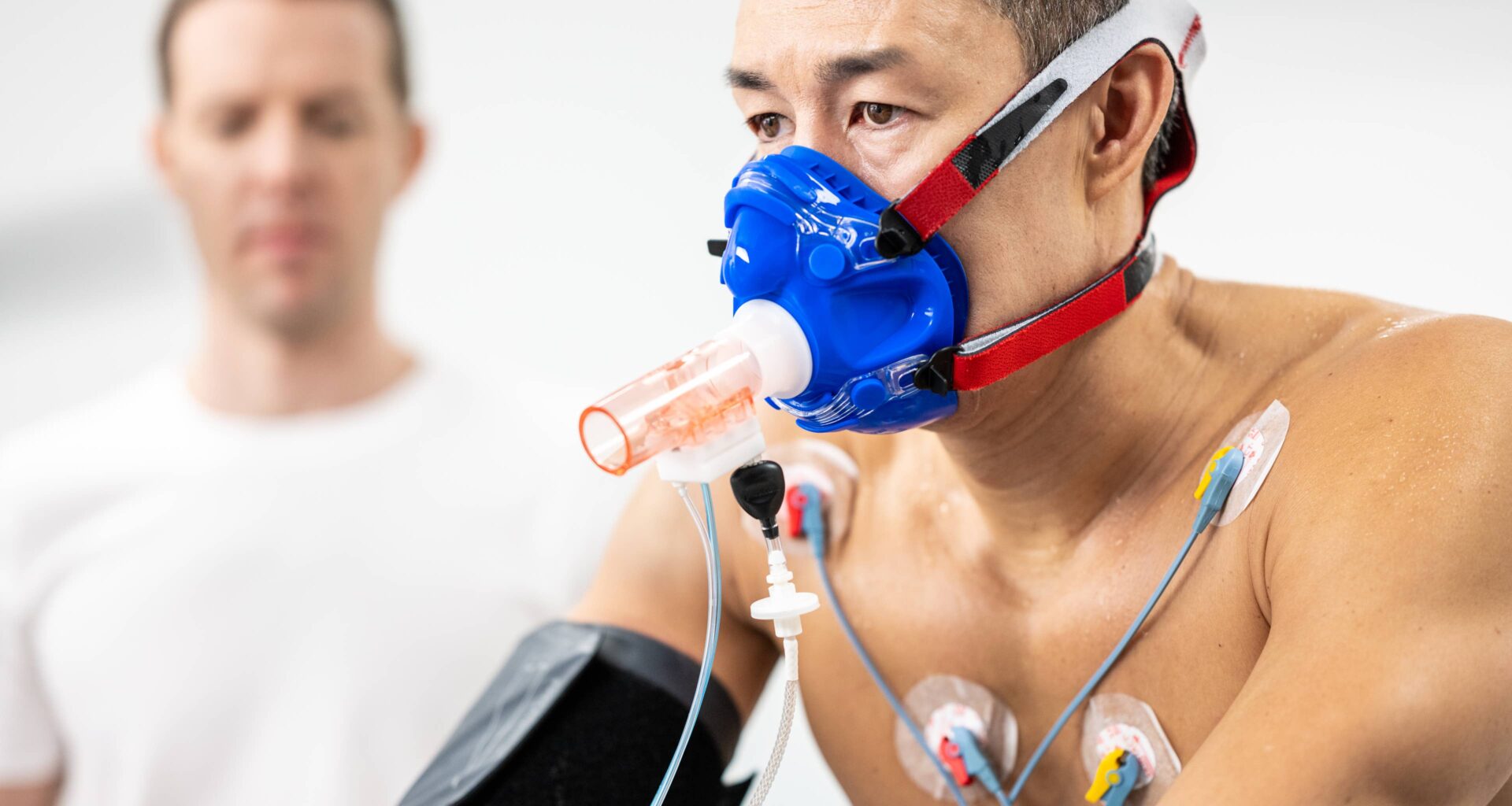
A new review from the National Strength and Conditioning Association is putting a familiar fitness measurement in a much more consequential light: VO₂ max isn’t merely a marker of endurance. It may be an important marker of how well—and potentially how long—you live.
Published in the September issue of Personal Training Quarterly, the review identifies VO₂ max as a “phenotypic biomarker of healthy longevity.” More strikingly, the authors point to research showing roughly five times greater all-cause mortality risk among people at the lowest versus highest fitness levels.
That finding is supported by a JAMA Network Open study of 122,007 adults, which found progressively lower mortality as cardiorespiratory fitness increased. Researchers concluded that fitness was a “modifiable indicator of long-term mortality.”
Related: What Really Happens to Your Heart Rate When You Exercise, According to Experts
Why VO₂ Max Matters More Than Your Mile Time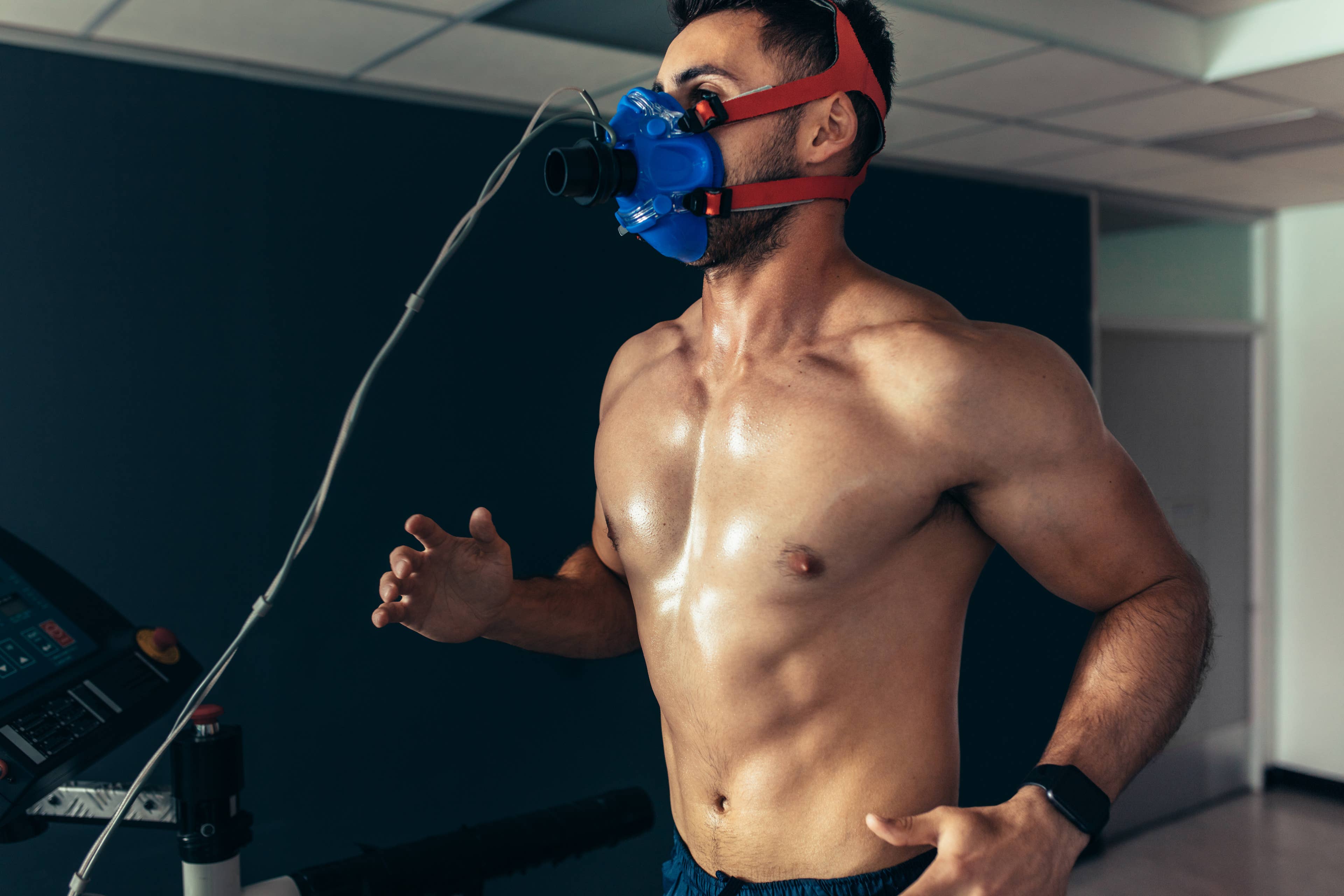
Photo by Getty Images
VO₂ max measures the body’s maximum ability to take in, transport, and use oxygen during demanding exercise.
The encouraging part is that aging doesn’t make decline inevitable. The NSCA review highlights trained older women averaging a VO₂ max of 37.5 mL/kg/min versus 24.1 among untrained women. It even cites an exceptional case of an 80-year-old whose aerobic capacity rivaled that of a much younger adult.
The authors argue this suggests “age-related declines in cardiorespiratory fitness may be more adaptable to evidence-informed training programs than previously thought.”
Next: Shed Fat With Breathing Squats
You Don’t Have to Train Like an Athlete
For beginners, the prescription can be surprisingly accessible. The review notes that brisk walking can improve VO₂ max in untrained people, while fitter adults may require harder efforts.
Zone 2 isn’t the only answer, either. The authors highlight the Norwegian 4×4: four four-minute intervals at 85–95 percent of maximum heart rate, separated by three-minute active recoveries. In one study, already-fit runners increased VO₂ max by 7.2 percent after eight weeks.
The larger message is progression, not punishment. The authors recommend selecting intensity based on “goals, training history, recovery capacity, medical history, and preferences.”
Related: I’m a Trainer: Cold Plunges Are Everywhere, but Lifters May Want to Make One Simple Change
This story was originally published by Men’s Journal on Sep 14, 2026, where it first appeared in the Health section. Add Men’s Journal as a Preferred Source by clicking here.