
Scroll through Instagram or any other social media platform today, and protein is everywhere. Protein maxxing, proffee (protein and coffee), Poptein, India’s protein popcorn brand, whey shakes, plant-based proteins, protein bars, protein laddoos and high-protein yoghurt are all part of the trend.
Even the humble guava has entered the conversation, with social media posts debating its protein content. Restaurant menus on food delivery companies Swiggy and Zomato increasingly advertise the nutritional content of meals, including the number of grams of protein they contain. Tofu, tempeh, edamame and meat alternatives have also found a place in this expanding market. In July 2025, McDonald’s India launched a plant-based Protein Plus slice made with soya and pea protein.
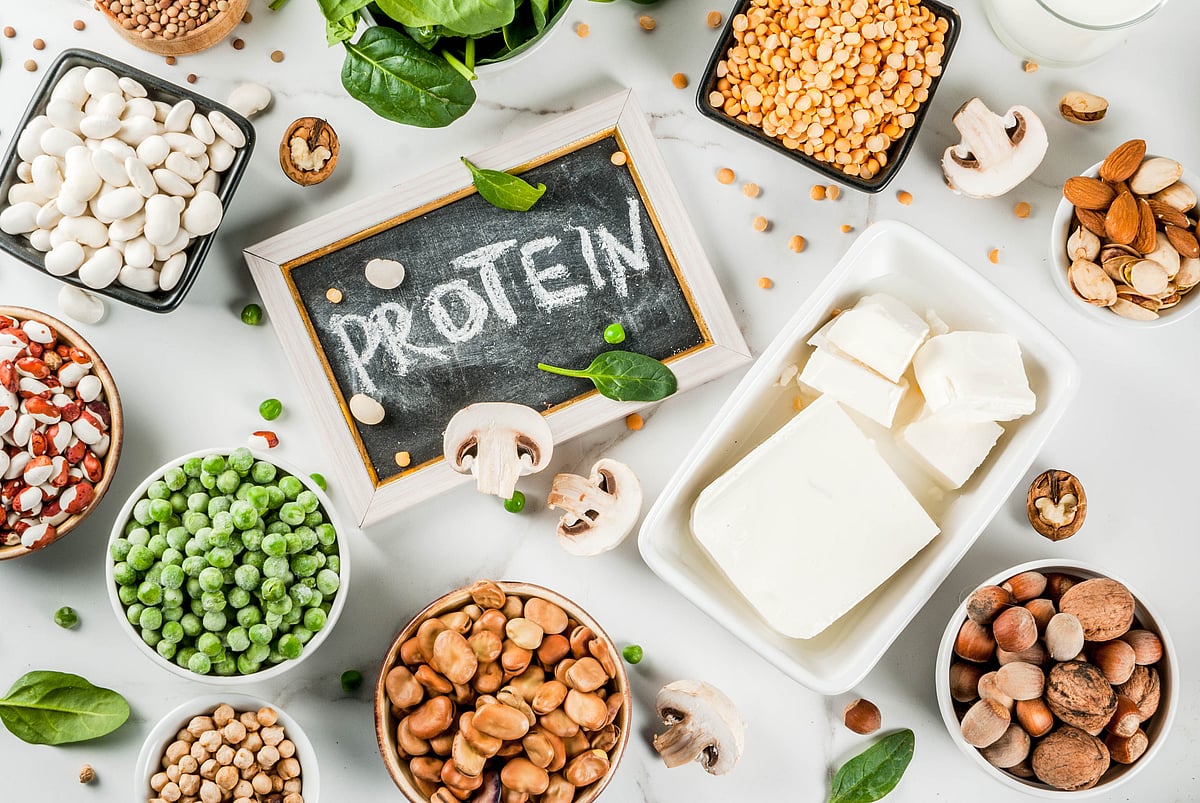
Millets, sattu, lentils, legumes, peas, chickpeas, kidney beans, soyabeans, sprouts, methi, pumpkin seeds, nuts, milk, cheese, paneer, yoghurt, eggs, chicken, fish, meat and prawns have long been part of India’s diverse sources of protein. But protein is now finding its way into the snacking economy, adding another dimension to the country’s growing protein market.
According to estimates by research company IMARC, India’s protein market is valued at around Rs 15,300 crore in 2026 and is projected to reach approximately Rs 21,000 crore by 2031.
The recently released Charting India’s Protein Transition, a joint report by research network Asia Research & Engagement and Federation of Indian Chambers of Commerce and Industry, projects that India’s annual per capita protein consumption could more than triple, from 9.5 kilogramme in 2025 to 30 kg by 2070. It also projects that protein consumption from pulses could rise from 3.5 million tonnes in 2025 to 9.3 million tonnes by 2070, making pulses India’s second-largest protein category after dairy.
Gym, fitness and wellness brands are increasingly collaborating with food companies to market protein drinks, powders and snacks.
The conversation around food security has, for some time, been expanding towards nutrition security, with greater attention to the quality and diversity of diets.
In urban India, protein is increasingly viewed through the lens of lifestyle and wellness. Much like coffee aesthetics, it has become part of an aspirational consumer culture shaped by viral Instagram and Pinterest trends and promoted by fitness influencers and nutrition coaches.
Protein maxxing, one such trend, is associated with fitness, healthy ageing and the pursuit of a balanced diet, often framed as a corrective to carbohydrate-heavy eating habits. This has created a lucrative market for food and beverage companies.
After the Green Revolution, food policy largely focused on ensuring the availability and affordability of food grains, with achieving food security as its primary objective.
Today, as consumption patterns match upto to food aspirations and public health concerns about obesity and lifestyle-related diseases grow, the conversation is increasingly shifting towards dietary diversity, micro nutrients, and macro nutrients like protein.
This shift is also taking place amid growing concern over the consumption of ultra-processed foods.
However, a protein label alone does not make a product healthy, just as carbohydrates should not be treated as inherently unhealthy. Products marketed as high in protein are not necessarily nutritious overall. Their nutritional value depends on their ingredients, including salt, sugar, fat and preservatives.