
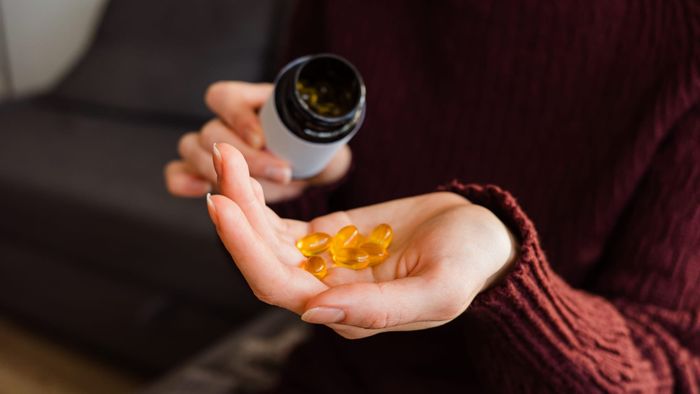
Around 5.3 million people across the UK regularly purchase collagen supplements in the hope of achieving firmer skin and healthier joints. However, leading medical and consumer experts have warned that scientific backing for these popular products remains exceptionally thin.
Appearing on Which?’s Healthy Living Podcast, consultant dermatologist Dr Anjali Mahto and nutritionist Shefalee Loth examined whether these trending items deliver on their bold marketing claims. Their findings suggest that shoppers may simply be pouring hard-earned money into an unproven wellness habit.
Harvard Health explains that collagen is a “major structural protein. It’s found in skin, hair, nails, tendons, cartilage, and bones. Working with other substances, it maintains skin elasticity, volume, and moisture. It also helps make up proteins such as keratin that form skin, hair, and nails.”
MORE NUTRITION
Sales of the supplement have boomed nationwide, with YouGov research finding that 10% of adults have turned to collagen products to combat the effects of natural ageing. Despite heavy promotion on social media, clinical evidence supporting benefits for deep wrinkles, hair growth, or nail strength remains weak.
Addressing listeners who take oral products, Dr Mahto shared a clear assessment of where medical research stands. She said: “Now, what I’m going to say is currently where the data stands, there is no good evidence that taking an oral collagen supplement for your skin is going to reverse the ageing process or slow down the ageing process or thicken up the collagen in the skin.”
The Harley Street specialist explained that the majority of existing clinical trials in favour of collagen are funded directly by the beauty industry. Furthermore, the human digestive system breaks down swallowed collagen into basic amino acids rather than dispatching it straight to the face, writes Charlotte Smith for the Mirror.
Unless an individual is genuinely protein deficient, these products generally provide nothing more than an expensive source of everyday dietary protein. Dr Mahto advises that preparing balanced, protein-rich meals at home is a substantially better and more affordable approach for bodily health.
Rather than buying costly powders, the specialists urge people to invest their time in three reliable daily steps: morning cleansing, sun protection, and evening vitamin A. They stressed that expensive products never guarantee superior results compared to simple, consistent skincare habits.
Daily broad-spectrum sunscreen rated at 30-50 SPF remains the single most vital anti-ageing product for preventing long-term collagen breakdown. Ultraviolet light causes the vast majority of premature skin damage, making morning sun defence far more effective than swallowing supplements.

Topical retinoids, derived from vitamin A, can also stimulate skin cell turnover when introduced carefully once or twice each week. UK cosmetic regulations restrict over-the-counter retinol concentrations to 0.3%, helping consumers avoid unnecessary redness and irritation.
For women experiencing hormonal shifts during menopause, declining oestrogen levels often lead to heightened dryness, increased sensitivity, and unexpected adult blemishes. The experts advise switching to gentle hydrators containing ceramides and hyaluronic acid, while noting that trending LED face masks still lack long-term clinical research.
Before introducing any new supplement to your daily routine or altering current prescriptions, always speak directly with your GP or a qualified pharmacist. They can assess your personal medical history to ensure any over-the-counter product is entirely safe for you to use.
READ NEXT