
Key Takeaways
As barley is rich in protein and contains essential amino acids, upcycled barley protein has the potential to be a quality, environmentally sustainable protein source. Since barley isn’t a complete protein, pairing upcycled barley protein with other plant proteins, like pea protein, may boost its nutritional value. Whether upcycled barley protein is a better alternative to other protein sources needs more research.
Upcycled barley protein is a sustainable, plant-based protein made from brewers’ spent grain, a byproduct of beer production. While it shows promise as a nutritious option, more research is needed to determine its quality and how it compares to other protein sources.
Upcycled Barley vs. Other Proteins
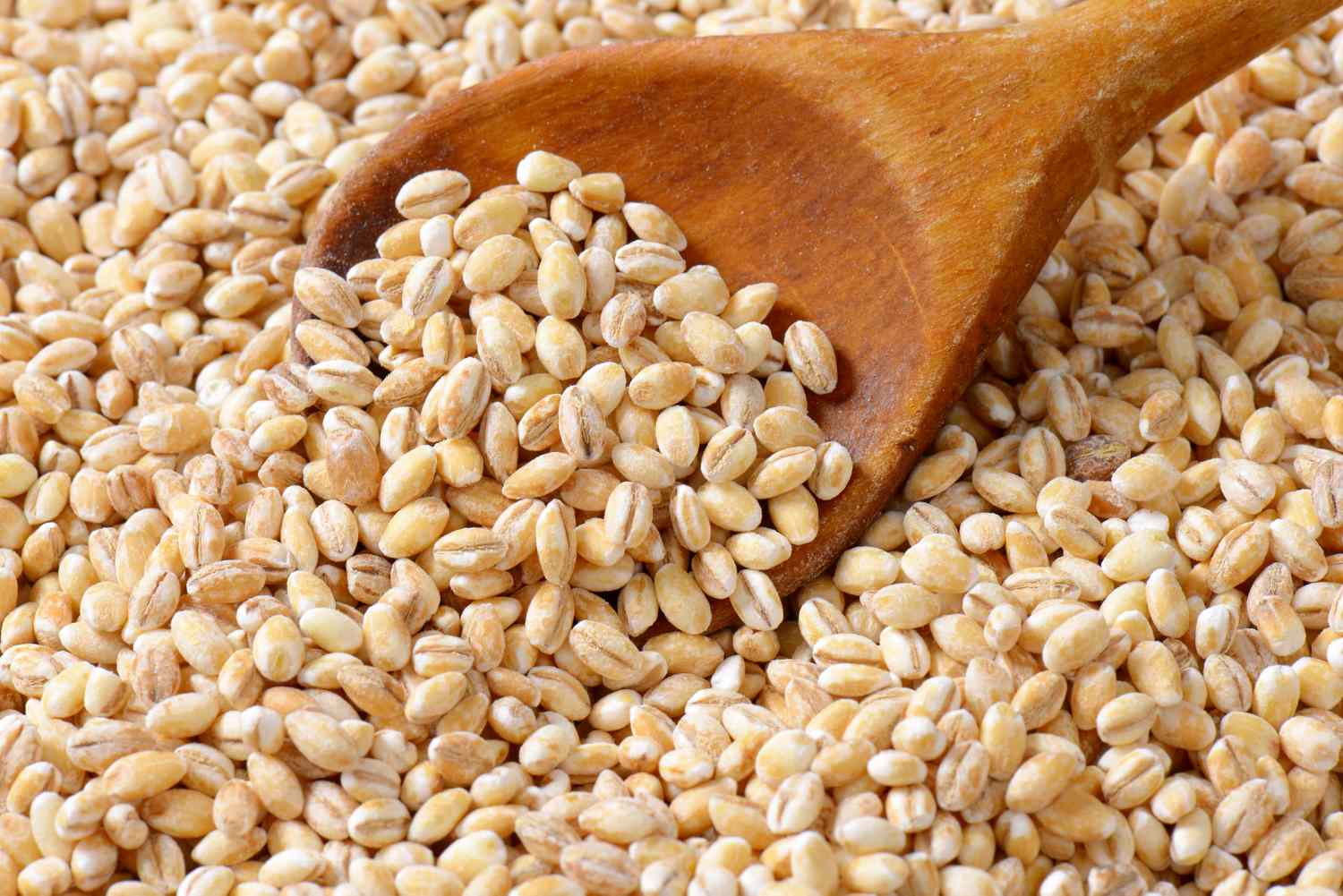
Upcycled barley protein is extracted from brewers’ spent grain and purified through a filtration process. Brewers’ spent grain contains the outside layers of the barley grain leftover from the brewing process.
Brewers’ spent grain is a valuable byproduct to repurpose into a food product due to its:
High protein content
Vitamins
Minerals
Phenolic compounds
Fiber
Lignin (an organic compound)
The beer brewing process involves a lot of breakdown of proteins, which scientists say may make upcycled barley protein more digestible.
But as estimates vary on the essential amino acid profile of upcycled barley protein, it’s difficult to show if it’s better than other types of protein.
Nutritional Value
How well a protein breaks down and amino acids are absorbed into the bloodstream are important components of its nutritional value. Research comparing upcycled barley protein to other protein sources is limited, but some findings show its potential.
In a study comparing upcycled barley rice protein to pea protein and whey protein, for example, researchers found that consuming upcycled barley rice protein showed:
A total amino acid uptake of 87% that of pea protein and 69% that of whey protein.
A lower uptake of essential amino acids overall, except for methionine and tryptophan.
Similar absorption rates as pea and whey proteins, suggesting it has a relatively fast absorption rate.
More research is needed to better understand how upcycled barley protein compares in nutritional value to other plant- and animal-based proteins and what combinations with other proteins could improve its nutritional value.
Protein and Amino Acid Content of Upcycled Barley
Barley is a protein-rich grain. The quality of the protein depends on how easily it’s digested and whether it contains all nine essential amino acids. Essential amino acid content is important since the body doesn’t make them; you have to get them from food.
Here’s what we know about upcycled barley protein:
Protein is a major component of brewers’ spent grain, which is estimated to be 19 to 30% protein.About 30% of its total protein comes from essential amino acids.The exact essential amino acid profile can vary depending on how it’s processed.Some products contain all nine essential amino acids, but many plant-based proteins are too low in or missing essential amino acids to be considered a complete protein.
Like many plant-based proteins, upcycled barley protein is not considered “complete” on its own. Combining it with other protein sources can help fill those gaps and make it a complete protein.
Always check the nutrition label for amino acid and protein content information to accurately assess the quality of the protein in an upcycled barley protein product.
Barley Protein Combinations
Upcycled barley protein may be most nutritious when combined with other proteins. Barley is not considered a complete protein, but when combined with other plant-based protein sources with complementary amino acid profiles, it can become a complete protein.
Upcycled Barley Plus Rice
Upcycled barley protein products are often sold as barley rice protein. Rice is commonly added to the beer brewing process due to its high starch content, which increases the fermenting capacity of barley and malt.
Because of this, upcycled barley protein made from brewers’ spent grain is usually a combination of barley and rice protein. Some protein product manufacturers market this as a “superblend” of plant proteins, but that doesn’t necessarily mean it makes a complete, high-quality protein.
Upcycled Barley Plus Legumes
Pairing legumes (beans, lentils, peas) with whole grains, nuts, or seeds can make a complete protein. Since barley is a whole grain, pairing it with a legume may improve the essential amino acid content and create a high-quality protein. For example, research findings suggest that barley rice protein and pea protein may be complementary and that combining them may optimize protein quality.
Choosing a Quality Product
Many companies now offer upcycled barley protein products and use marketing strategies like environmental sustainability to sell their products. Yet product quality cannot be guaranteed. Protein powders and the like are considered supplements and aren’t regulated by the U.S. Food and Drug Administration.
When shopping, look for products that offer:
Third-party testingTransparent ingredient sourcingPublished amino acid profiles on the label
Verywell Health uses only high-quality sources, including peer-reviewed studies, to support the facts within our articles. Read our editorial process to learn more about how we fact-check and keep our content accurate, reliable, and trustworthy.
Lynch KM, Steffen EJ, Arendt EK. Brewers’ spent grain: a review with an emphasis on food and health. J Inst Brew. 2016;122(4):553-568. doi:10.1002/jib.363
Ummels M, JanssenDuijghuijsen L, Mes JJ, van der Aa C, Wehrens R, Esser D. Evaluating brewers’ spent grain protein isolate postprandial amino acid uptake kinetics: a randomized, cross-over, double-blind controlled study. Nutrients. 2023;15(14):3196. doi:10.3390/nu15143196
Saberian H, Ghandehari Yazdi AP, Nejatian M, et al. Brewers’ spent grain as a functional ingredient in bakery, pasta, and cereal-based products. Future Foods. 2024;10:100479. doi:10.1016/j.fufo.2024.100479
Jaeger A, Zannini E, Sahin AW, Arendt EK. Barley protein properties, extraction and applications, with a focus on brewers’ spent grain protein. Foods. 2021;10(6):1389. doi:10.3390/foods10061389
Massachusetts General Hospital. Spotlight on plant based proteins.

Thanks for your feedback!
What is your feedback?
Helpful
Report an Error
Other