
Protein is an essential macronutrient that the body uses to build muscles and repair cells.
A “high-protein” food typically contains at least 20% protein, according to Halle Saperstein, RD, a clinical dietitian at Henry Ford West Bloomfield Hospital. While most people can get enough protein from their diet, some foods may not have as much protein as expected.
1. Almond Milk
bhofack2 / Getty Images
Almond milk is a great alternative for people who don’t want to consume cow’s milk or people who are lactose intolerant. However, don’t expect the same amount of protein if you choose almond milk over dairy milk.
“Because it’s labeled as a ‘milk,’ people may assume it has similar protein levels to dairy milk, but unless it’s protein-fortified, that’s not the case,” Saperstein told Verywell in an email.
One cup of unsweetened almond milk has 2 g of protein, while a cup of dairy milk has 8 g of protein.
2. Avocados
Thai Liang Lim / Getty Images
Avocados are a good source of fiber, healthy monounsaturated fats, and potassium, but these creamy green fruits are not considered a high-protein food, Saperstein said.
Half of an avocado, the standard serving size, only has 1.5 g of protein.
3. Hummus
Westend61 / Getty Images
Many people turn to chickpeas for plant-based protein. But small servings of hummus, a chickpea-based dip, don’t always contain as much protein as you might think, Saperstein said.
A small, one-fourth cup serving of hummus has 70 calories and only 2 g of protein.
4. Granola Bars
SimpleImages / Getty Images
Granola bars seem like an easy option for on-the-go protein, but make sure to double-check the nutrition label first.
Some granola bars only contain 1-3 g of protein per bar.
“When it comes to snack bars, look for ones that are rich in protein and contain about 10-15 g of protein per bar,” Saperstein said.
5. Peanut Butter
Sanny11 / Getty Images
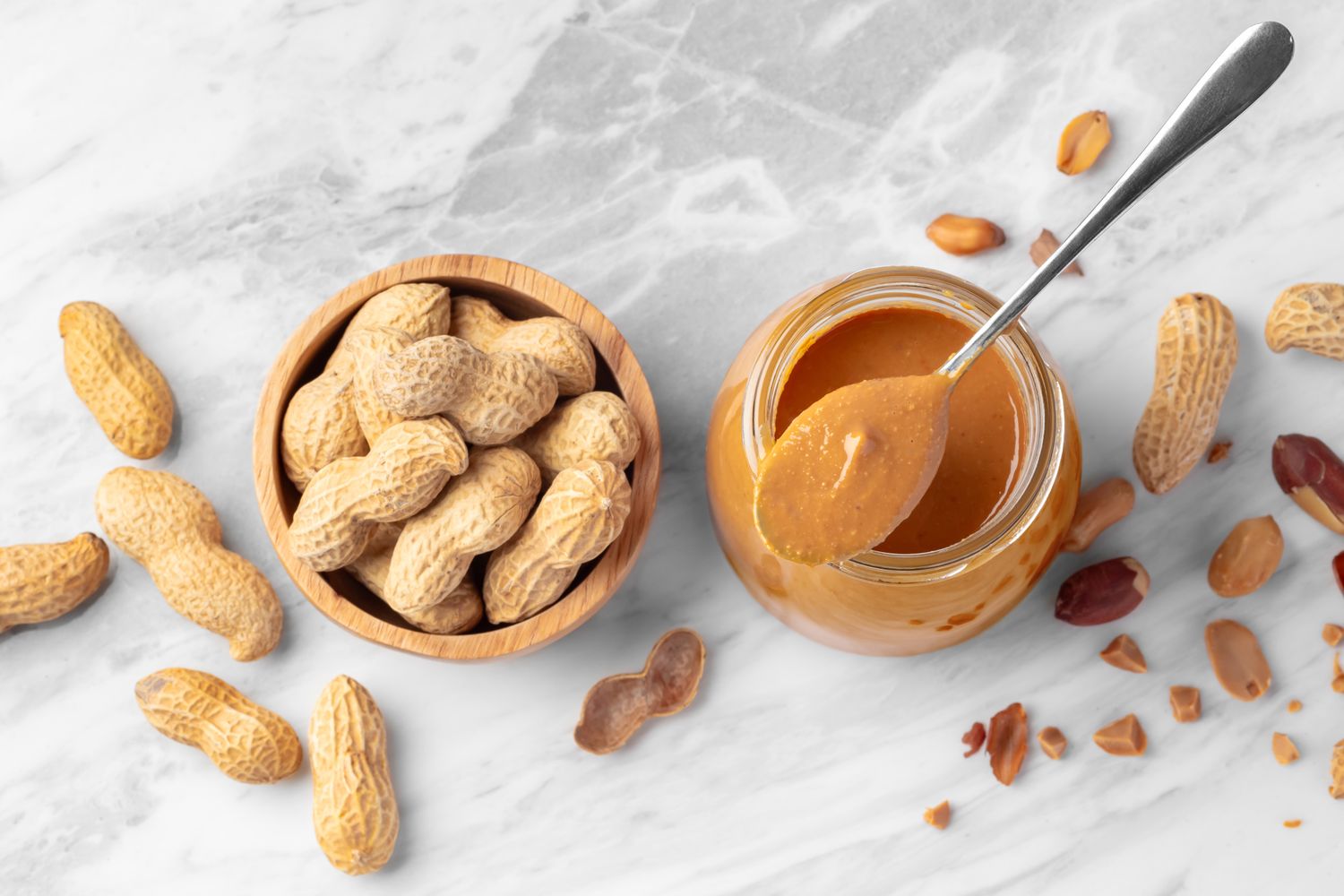
Peanut butter has a reputation as a high-protein spread, but it only contains 7 g per 2 tablespoons.
“To boost protein content of something with peanut butter, consider adding it to Greek yogurt or whole grain bread, which could have 3-5 g per slice,” said Theresa Gentile, MS, RDN, CDN, a New York-based registered dietitian and spokesperson for the Academy of Nutrition and Dietetics.
6. Cheese
LauriPatterson / Getty Images
Cheese is a delicious, nutrient-dense, protein-containing snack, but it does not count as high-protein, Gentile said. But that doesn’t mean you should avoid cheese if you enjoy the taste.
“In general, eating a variety of quality protein foods each day will help meet your needs. Seafood, poultry, lean meats, beans and pulses, eggs, soy, and low-fat dairy are all good options to include at meals and snacks,” Gentile said.
Do You Really Need More Protein?
Protein has become the latest wellness obsession, but you may not need as much as you think. It is recommended to eat at least 0.8 g of protein per kilogram of body weight daily, but the exact amount may vary based on lifestyle, age, and gender.
“[P]eople who are trying to achieve certain fitness goals do not always need to turn to high-protein shakes to meet their dietary needs. Many people may not realize that eating foods like beans, nuts, tofu, meat, fish, poultry, eggs, and dairy items will provide them with adequate protein,” Saperstein said.
As a general guideline, consume a balanced diet with carbohydrates, healthy fats, and protein at every meal. Aim for 20-30 g of protein per meal and distribute protein intake throughout the day, she added.

Thanks for your feedback!
What is your feedback?
Helpful
Report an Error
Other