
Frozen foods are convenient, last months and can be just as healthy as fresh foods. They’re often more affordable and help reduce food waste, too.
Given the high cost of groceries and ongoing government shutdown — which has left millions of Americans unable to access food assistance benefits — many people are struggling to feed their families these days.
If you’re looking to eat for less or stretch your groceries, you don’t have to sacrifice eating healthy, dietitians say. While canned foods are a popular budget-friendly choice, frozen foods are another affordable way to eat more nutrient-rich whole foods.
“Many people assume that ‘fresh’ automatically means ‘healthier’ … but frozen food can be just as nutritious,” says TODAY.com nutrition editor and dietitian Natalie Rizzo.
Frozen produce like vegetables, fruits and legumes are harvested at peak ripeness and flash-frozen within hours, which locks in vitamins and minerals, says Rizzo.
Another major benefit is you can keep frozen foods on hand and only use what you need, then store the rest without worrying about the food spoiling. “That’s a big value add for a lot of folks, especially if you can’t go shopping all the time,” John Wesley McWhorter, a dietitian and professional chef, tells TODAY.com.
Often, frozen food is cheaper and more accessible, especially if the produce is out of season, Rizzo adds.
“Frozen foods are budget-conscious, practical and convenient … and they can add nutrients to any dish,” says McWhorter, who is also a spokesperson for the Academy of Nutrition and Dietetics.
What to Look for in Healthy Frozen Foods
When shopping the freezer aisle, there are a few things to look for, the experts note.
The healthiest frozen options tend to be whole, minimally processed foods that have:
No added ingredientsNo sodiumNo added sugars No saturated or trans fats
These include frozen fruits, vegetables, beans, whole grains and lean proteins. “The best frozen foods are the ones that look a lot like their fresh counterparts … so the only ingredient should be what you’re buying, like ‘broccoli,’ for example,” Rizzo adds.
Healthier frozen foods tend to be plain and don’t have added seasonings or sauces, which can increase the sodium content. “Check for added sugars and keep an eye on saturated fats,” says McWhorter.
Instead, the experts recommend seasoning foods at home for more control over the flavor and nutrition.
What are the healthiest frozen foods? Dietitians share 11 budget-friendly, nutritious items to keep in the freezer.
Frozen Peas
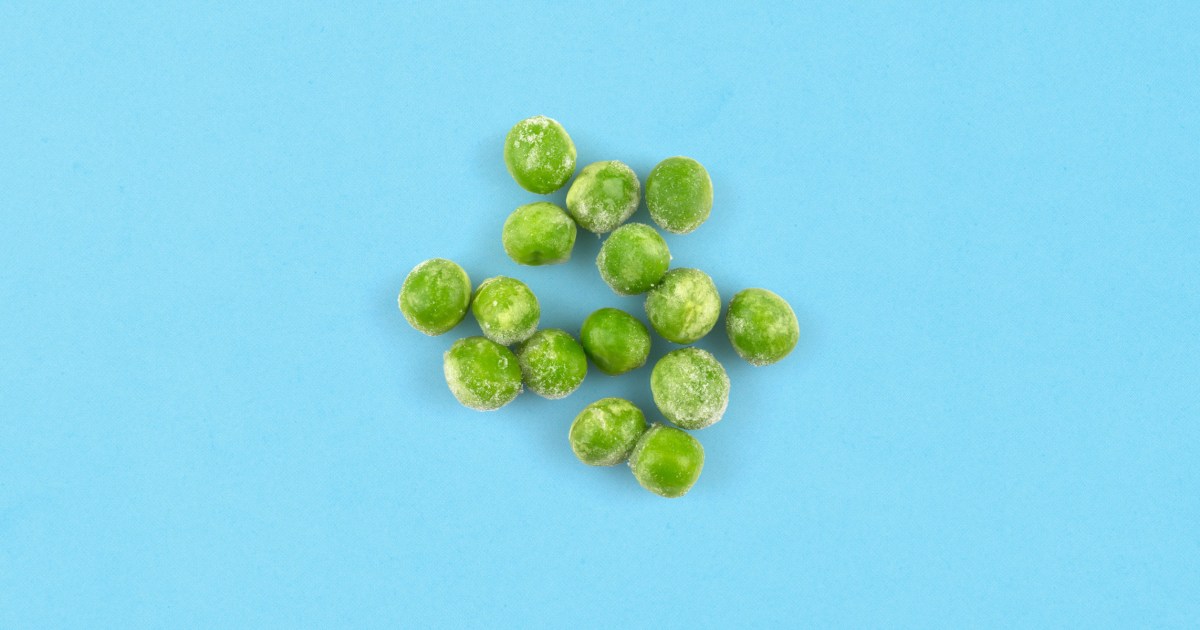
Frozen peas are a versatile freezer staple that can add a boost of nutrients to meals.
“Green peas are a big winner. They have some protein and fiber, they’re a good source of carbohydrates,” says McWhorter.
The protein and fiber in peas can help you feel fuller for longer. Plus, peas have soluble and insoluble fiber, which aid digestion, promote regularity and support a heathy gut microbiome. These tiny green legumes also provide vitamins C and K, iron and antioxidants.
Plus, they double as a great emergency ice pack.
Frozen Berries
“There are a few frozen foods I always have on hand, and frozen berries are at the top of the list,” says Rizzo. These include frozen blueberries, raspberries and strawberries.
“They’re packed with antioxidants, fiber and vitamins, and they’re far more affordable than fresh berries,” says Rizzo. Berries are also good source of minerals like potassium and magnesium. The natural sugars in berries, along with the fiber, are digested slowly, so they won’t spike blood glucose.
Add frozen berries to smoothies, oatmeal or yogurt.
Frozen Spinach
Leafy greens like spinach are some of the most nutrient-dense vegetables you can eat. Fresh spinach wilts quickly, which is why frozen spinach is great to keep on hand.
Spinach provides some fiber and protein, but really stands out for its micronutrients, says McWhorter. It’s one of the best sources of vitamin K, which supports blood clotting and healthy bones. Spinach is also rich in iron, folate, magnesium and antioxidants.
“Mix it in your soups and stews, or it can go into the blender in smoothies,” says McWhorter.
Frozen Fish
When it comes to frozen proteins, fish is one of the healthiest options, says McWhorter. Unlike fresh fish, which is often expensive and spoils fast, frozen filets come in bulk and last a long time, so you can cook what you need and save the rest.
Fish like salmon and cod are high in protein and healthy fats, as well as beneficial micronutrients.
Salmon is packed with omega-3 fatty acids, and it’s one of the richest food sources of vitamin D, which supports healthy bones and immune function, and it provides vitamin B6 and vitamin B12. Cod is a lean, protein-packed white fish loaded with phosphorus, iodine and choline, which supports brain health.
Frozen Edamame
Edamame is a nutritious legume that both dietitians always keep in their freezer. “I love frozen edamame, it’s one of my favorite plant-based snacks,” says Rizzo.
Edamame is a high-protein bean that’s rich in nutrients with numerous health benefits. In addition to protein, edamame provides gut-healthy fiber, says Rizzo — plus, vitamins C and K, calcium and folate.
Toss shelled edamame in stir fries or roast it for a crunchy snack. You can also steam edamame in the shell for a restaurant-style appetizer, says McWhorter.
Frozen Sweet Potatoes
Sweet potatoes are incredibly nutritious. Fresh potatoes do last a long time, but it can be a pain to peel, chop and cook them. Frozen diced sweet potatoes can save you time and money.
These orange tubers are loaded with complex carbohydrates and fiber, which can help you feel fuller for longer, per Rizzo.
They’re also an excellent source of beta-carotenes, a precursor to vitamin A, which supports eye health, as well as immune-boosting vitamin C and potassium.
Frozen Broccoli
When it comes to frozen vegetables “broccoli is another freezer MVP,” says Rizzo.
Broccoli is part of the ultra-nutritious cruciferous vegetable family, which are rich in beneficial antioxidants and plant compounds with anti-inflammatory and cancer-fighting properties, TODAY.com previously reported.
Frozen broccoli will add a hefty dose of gut-healthy fiber, vitamins C and K, and folate to any meal.
Add frozen broccoli to soups, stir-fries, or macaroni and cheese for a kid-friendly meal, says McWhorter.
Frozen Shrimp
Frozen shrimp are another lean protein that’s much more affordable and easy to prep than the fresh version.
Shrimp are some of the healthiest seafood you can eat. They’re packed with protein but naturally low in fat and calories.
These crustaceans are rich in iodine and selenium, nutrients which support thyroid health. They also provide B vitamins, phosphorus and antioxidants, TODAY.com reported previously.
Frozen Green Beans
Green beans are a nutritious vegetable dietitians love to stock in the freezer.
These legumes are low in calories but provide a good amount of fiber, which aids digestion. Green beans are rich in vitamins A, C, and K, as well as calcium and magnesium.
Enjoy frozen green beans sautéed or add them to soups and casseroles.
Frozen Corn
Frozen corn is versatile starchy vegetable that can add a boost of nutrients to any meal, the experts say.
Corn provides slow-digesting complex carbohydrates and fiber. It’s a prebiotic food, which means it feeds the good bacteria living in our gut. Corn is rich in B vitamins, including thiamin (B1), and heart-healthy potassium, along with other minerals.
Frozen Grains
Frozen grains such as rice or quinoa often get overlooked, but they’re a nutritious and convenient freezer staple, Rizzo notes.
Whole grains are an excellent source of complex carbohydrates, which provide the body with energy. They also provide some protein, fiber, vitamins and minerals.
Frozen grains are usually pre-cooked, which can save you time and effort in the kitchen, says Rizzo.
Unhealthy Frozen Foods to Limit or Avoid
The least healthy frozen foods are ultraprocessed foods high in sodium, added sugars, unhealthy fats or other additives, the experts note.
These include frozen prepared meals, such as pasta or pizza, fried or breaded items, and desserts.
The experts recommend avoiding or limiting these items if you’re trying to eat healthier, though it’s OK to indulge once in a while.
When buying frozen prepared meals, always read nutrition labels closely, McWhorter says. Opt for ones that provide protein and fiber, and have less than 600 milligrams of sodium per serving.
Keeping your freezer stocked with healthy frozen foods is a good strategy to eliminate space for some of the less healthy stuff, McWhorter adds.