
There are several popular exercises that, while still good for your body, may not necessarily deliver the calorie burn you’re looking for. Here are the top seven exercises that won’t deliver the calorie-torching workout you’re looking for—and what you can do instead.
MoMo Productions / Getty Images
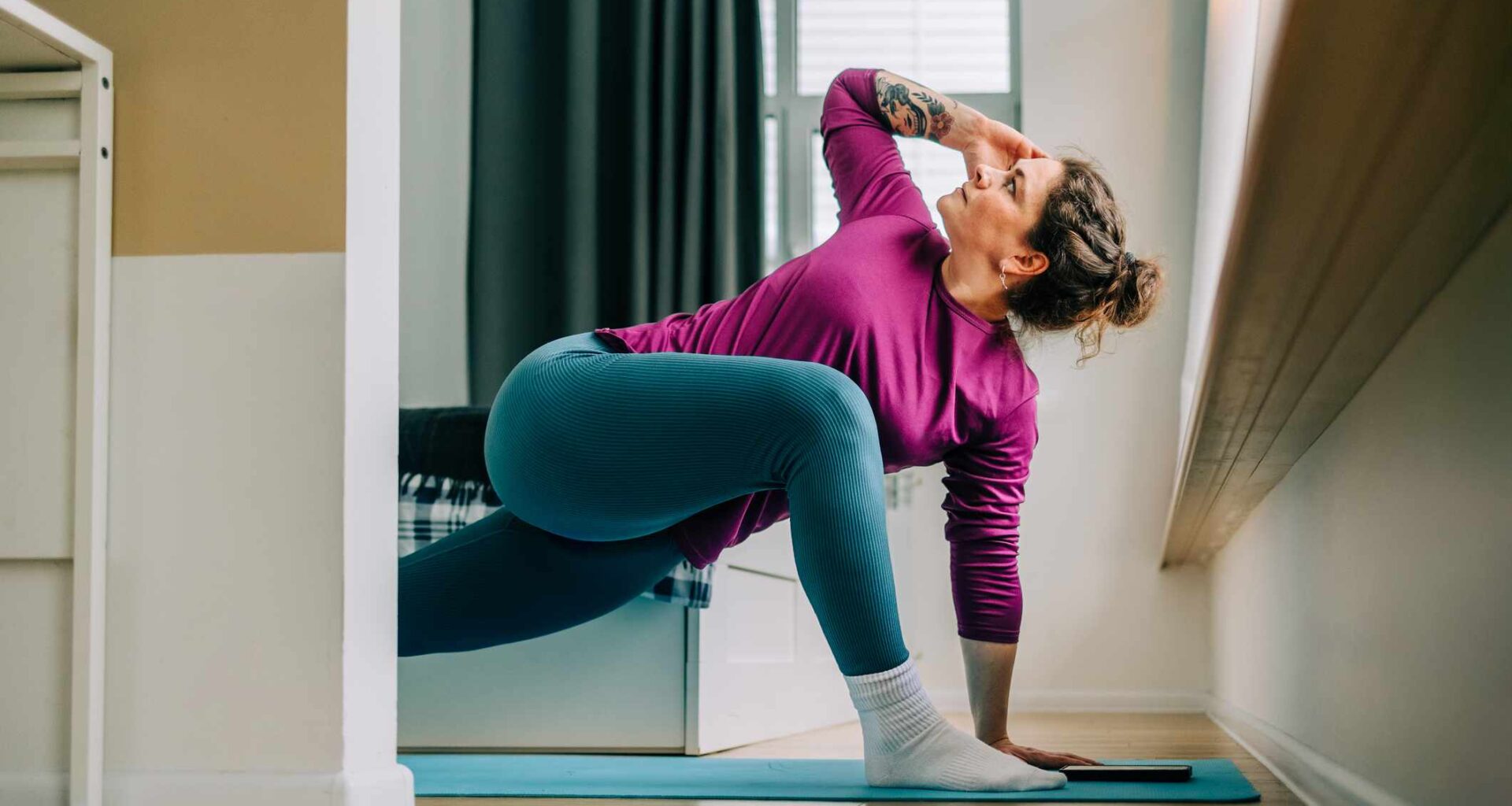
Yoga can improve your mobility, posture, and balance because it mostly focuses on flexibility, mindfulness, stress reduction, and breathing, according to Joseph R. Hribick, DPT, a doctor of physical therapy and clinical assistant professor of physical therapy at Lebanon Valley College.
Movements are performed at a slow to moderate pace, emphasizing control and alignment rather than elevating your heart rate. Because of this, most yoga styles burn fewer calories compared to higher-intensity workouts, says Hribick.
Actual calories burned: Traditional yoga classes burn 180 to 250 calories per hour, says Hribick.
What to try instead: If you want to burn calories, a faster-paced power yoga, Bikram yoga, or a yoga-cardio hybrid class can increase calorie burn, says Hribick. Another option is a mobility flow with weights or a kettlebell sequence, according to Michelle MacDonald, CSCS, a certified strength and conditioning specialist and founder of The Wonder Women. This adds load and intensity but still challenges your balance and core strength.
Tatiana Maksimova / Getty Images
Pilates improves core strength, posture, spinal stability, and muscular endurance, says Hribick. However, many mat or light reformer sessions involve controlled, low-load, low-intensity movements, which limit the number of calories you actually burn.
Actual calories burned: A typical mat Pilates class burns about 170 to 250 calories per hour, says Hribick.
What to try instead: Try a dynamic reformer Pilates circuit, or Pilates with short cardio intervals, like jump rope or high-knee jogging, between sets. “That way you can burn more calories while keeping the strength and alignment focus of Pilates,” says Hribick.
DragonImages / Getty Images
Tai Chi involves slow, flowing sequences that promote balance, coordination, flexibility, and mind-body awareness, says Hribick. The movements in Tai Chi are controlled and have minimal joint impact. This makes it a valuable physical activity for older people and those recovering from injury, he says.
Actual calories burned: Tai Chi typically burns around 200 to 275 calories per hour, says Hribick.
What to try instead: If your goal is a higher calorie burn, Hribick suggests low-impact aerobic dancing, which burns 350 to 450 calories per hour, or light kick-boxing, which burns 500 calories per hour.
Anna Mardo / Getty Images
Walking is an accessible form of exercise that benefits joint health, mood, and circulation, says Hribick. “However, when walking is done at a steady pace on flat terrain, the calorie burn is lower than you’d expect.”
Actual calories burned: Moderate-paced walking burns approximately 200 to 300 calories per hour, says Hribick.
What to try instead: If you enjoy walking but want to burn more calories, inclined walking or hiking is a great option, says Hribick. A Stanford study showed that walking at a 5% incline grade increases energy expenditure by about 52% (or burns about 450 to 500 calories per hour), he says.
Tempura / Getty Images
Elliptical workouts often feel challenging, but unless the resistance, incline, or pace are high, the actual calorie burn may be lower than expected, says Hribick. However, the elliptical is a great low-impact exercise for improving cardiovascular fitness and joint health.
Actual calories burned: Moderate effort on the elliptical typically burns around 350 to 450 calories per hour, says Hribick.
What to try instead: To burn more calories during this exercise, increase the machine’s resistance, add intervals, or use your upper body by pushing and pulling the handles to recruit more muscle groups and raise your heart rate, added Hribick.
Westend61 / Getty Images
Barre classes are great for stability and muscle endurance, says MacDonald. But light loads and isometric holds do not meaningfully challenge your larger muscles, which drive energy consumption, she says.
Actual calories burned: Barre classes typically burn between 200 and 300 calories an hour, says MacDonald.
What to try instead: Try a barre-to-bench hybrid workout that combines controlled movement with dumbbells and cables, suggests MacDonald. This will give you a full-body workout and greater afterburn.
Javier Zayas Photography / Getty Images
While most people assume playing pickleball or tennis is going to burn a lot of calories, MacDonald says that short bouts and frequent rest periods can reduce the number of calories burned. However, you’re moving in multiple directions and socializing with others, which each have their own benefits, she says.
Actual calories burned: Casual pickleball or tennis, where you frequently rest or take water breaks burns about 160 to 200 calories an hour, says MacDonald.
What to try instead: Instead, she suggests rucking with friends or carrying a weighted pack while walking over rugged terrain. MacDonald says rucking combines the agility needed for court play with a sustained elevated heart rate.