
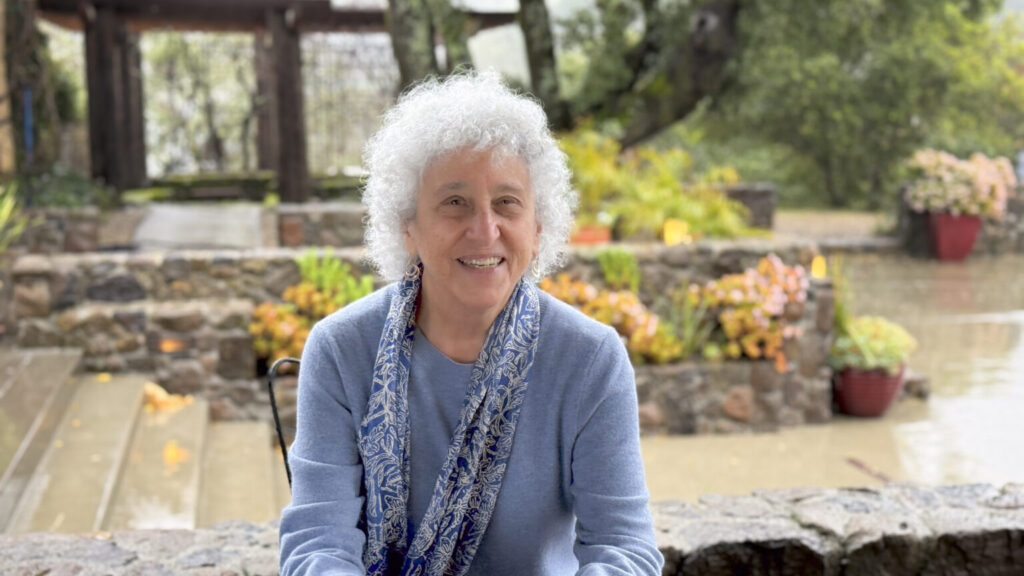
Marion Nestle doesn’t understand why people are so obsessed with her diet. Yes, she’s one of the world’s leading nutrition experts, a molecular biologist, and the author of 15 books that cast a withering eye on the ways business interests have conspired to make the foods Americans eat less healthy and less safe. It’s natural that people might be curious about how, and whether, she practices what she preaches. Still, she said, “I just can’t believe people care.”
If you must know: She enjoys a good bowl of shredded wheat.
Fueled by fiber, Nestle is one of today’s hardest-working crusaders for food system reform — an octogenarian with a cloud of curly white hair who retired from New York University in 2017 but maintains a bustling work schedule that includes sending out her Food Politics newsletter five days a week. (She travels, too: On a recent trip to Manaus, Brazil, she met with indigenous leaders to talk about the incursion of ultra-processed foods in their communities, then headed off to see the Amazon.) She also spent the past four years putting together her book “What to Eat Now,” a revised edition of the book she first published in 2006. The new book is much longer, she says, a testament to how much has changed in the past two decades, from the rise of plant-based meat to the widespread availability of cannabis edibles. “It’s my version of the great Western novel,” she said wryly.
Leafing through the 700 pages of “What to Eat Now,” readers may start to worry that there aren’t many good options available. Unsafe meat makes an estimated 3 million Americans sick each year. Wild fish are disappearing from the world’s oceans, but farmed fish are high in carcinogenic PCBs. Trying to parse out which ultra-processed snack foods are healthier than others “puts you on a nutritional slippery slope.” Even seemingly virtuous blueberries may have been spritzed with pesticides before traveling two weeks to the grocery store, ready to mold as soon as they land in the fridge. Alternatives like organic, locally-grown foods are sometimes available, but at a higher cost.
The impossibility of navigating these dilemmas is Nestle’s point: Her ambitions with the book go well beyond helping individual people make better choices at the grocery store. She wants Americans to demand better from the food system, voting with their wallets and actively advocating for stronger protections and regulations from their government. (Whatever one’s opinion of the Make America Healthy Again movement, its rise shows there are a lot of people in the U.S. ready to mobilize around healthier food.) Food choices, Nestle writes, are “about democracy in action.”
STAT+ Exclusive Story
Already have an account? Log in


This article is exclusive to STAT+ subscribers
Unlock this article — plus in-depth analysis, newsletters, premium events, and news alerts.
Already have an account? Log in
Individual plans
Group plans
To read the rest of this story subscribe to STAT+.