
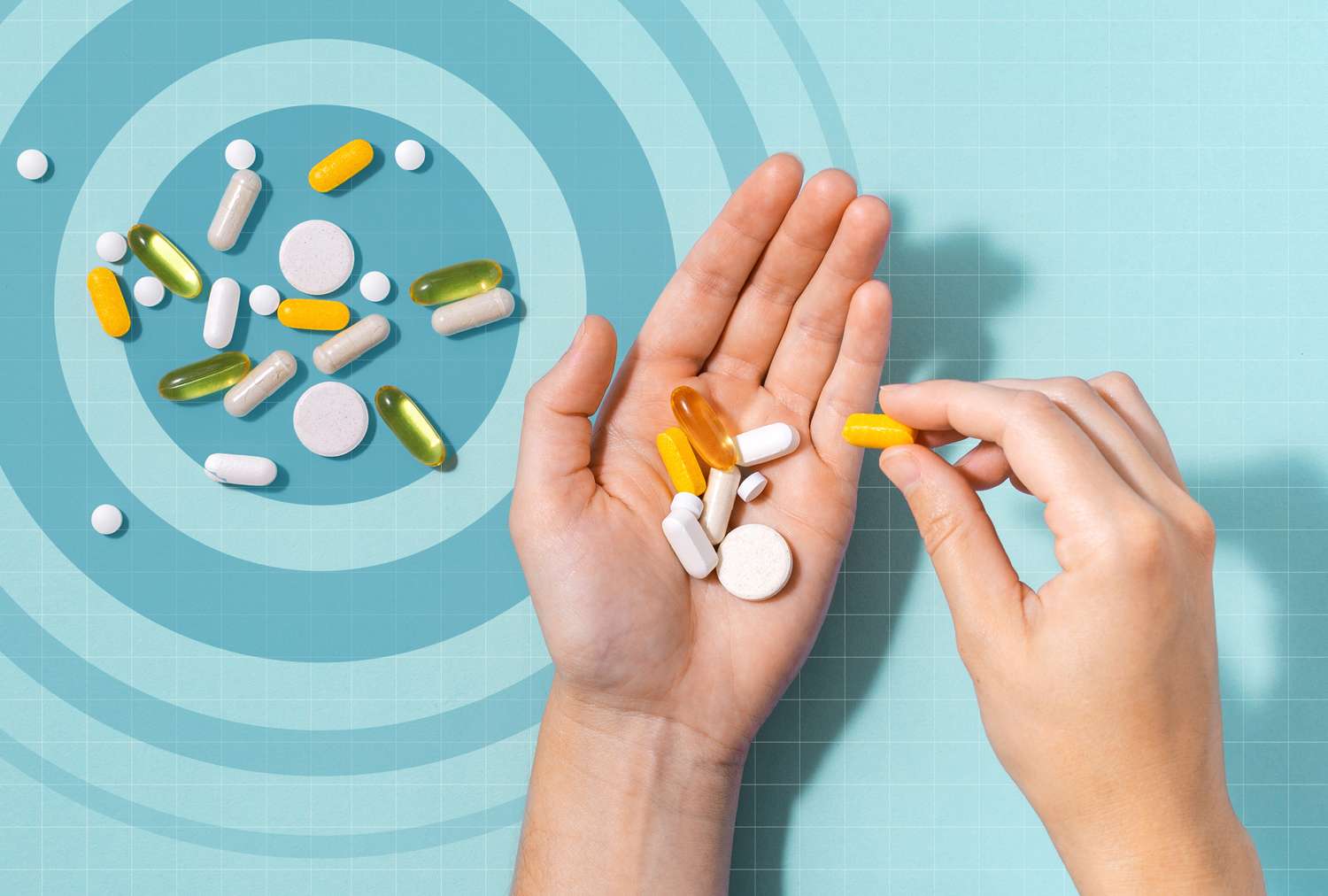
As women get older, nutrient needs can change based on menopause, losing muscle, and more.Vitamin D, creatine, and magnesium are a few of the recommended supplements for women. Lifestyle factors and diet make a big difference, like strength training, eating plants, and sleep.
Turning 50 is an exciting milestone. But it’s also a time when women start to notice physical changes in their body, whether it’s symptoms related to menopause, or the natural loss of muscle that comes with age. The good news is that although you can’t control getting older, focusing on lifestyle changes like eating a nutritious diet, exercising, getting enough sleep and reducing stress, can help minimize the negative side effects of age-related physical changes and help you live longer.
Supplements may help too, according to emerging research. We asked experts which supplements women over 50 should consider taking. Here are the top five supplements they recommend and why.
1. Vitamin D
“Vitamin D is essential for bone strength, mood balance and immune health,” says Bess Berger, RDN, CDN, CLT. It’s found in fatty fish and fortified milks and cereals, but it can be hard to get enough through food. Plus, you can only make it from sun exposure from late spring to early fall, says Rachele Pojednic, PhD, EdM.
Why is vitamin D important over the age of 50? As women age, they lose bone mass. “Once women enter their 40s, bone loss starts to happen faster than we can create new bone,” says Jordan Langhough, RD, CPT. During perimenopause and menopause, bone loss accelerates even more due to declining estrogen levels and reduced calcium absorption. “Vitamin D is needed to help absorb calcium and keep bones strong as we age,” says Langhough.
But it’s not just for bones, says Pojednic. “Low vitamin D status in older women is also linked to weaker muscle function, greater risk of falls and sarcopenia,” she says. In a systematic review conducted by Pojednic and her colleagues, vitamin D was shown to have beneficial effects on muscle strength and function. “Ensuring sufficiency with supplementation is a sensible part of a muscle- and bone-focused healthy-aging strategy,” she says.
2. Creatine
Creatine isn’t just for athletes. It’s one of the best-kept secrets for healthy aging and women who want to stay active, independent, and strong well into later life, says Berger. “Creatine supports energy production in muscle cells, helping preserve strength, bone health and even mental clarity,” she says.
“Women lose 3-5% of muscle every decade, starting at the age of 30,” says Pojednic. While strength training is most important to combat this loss, creatine can also help. “Supplementing with about 3-5 grams per day of creatine monohydrate in conjunction with resistance training has been shown to help preserve muscle, improve strength and support bone-health outcomes,” says Pojednic. Even more, research shows that creatine can enhance the benefits of resistance training and reduce fatigue after workouts, says Berger.
There’s also exciting research emerging around creatine and brain health. “Often known for its benefits to muscle recovery, creatine acts as an energy buffer for brain cells and restocks ATP, which was shown to improve memory, cognitive functioning and attention span,” says Jasmine Jafferali, MPH. One study found that women in perimenopause or menopause who took creatine hydrochloride for eight weeks had faster reaction times and less severe mood swings compared to a placebo. Creatine monohydrate, the more widely available form, has similar positive effects on memory, attention and processing speed time.
3. Magnesium
Magnesium is having a moment, and for good reason. “Along with playing a role in more than 300 chemical reactions in the body and helping regulate blood sugar levels, studies show that magnesium may be effective for managing stress and anxiety, as well as reducing brain fog,” says Jafferali. The average age of menopause in the United States is 52, so many women in their fifties may be struggling with these symptoms. Research shows an interesting correlation between magnesium and stress where stress can deplete magnesium, and low magnesium can increase susceptibility to stress—creating a vicious cycle.
“Things like stress, sugar, caffeine and other stimulants often deplete magnesium from the body and it is often hard to get it from foods,” says Jafferali. If you don’t eat lots of magnesium-rich foods, like nuts, seeds, and seafood, you may want to consider a supplement.
4. Nicotinamide Riboside
“Nicotinamide riboside helps replenish NAD+, a critical coenzyme that declines with age,” says Lauren Manaker, MS, RDN, LDN, CLEC, CPT. NAD+ is a derivative of vitamin B3 (niacin). “It’s essential for cellular energy production and DNA repair, both of which are vital for maintaining energy levels, supporting healthy aging, and promoting overall cellular resilience,” says Manaker. But NAD+ isn’t bioavailable, so the best way to boost it is to take the precursor, nicotinamide riboside. “By supporting healthy NAD+ levels, nicotinamide riboside can help combat the effects of aging, such as increased cellular stress and inflammation, which are linked to reduced vitality and age-related health concerns,” says Manaker.
5. B-Complex
B vitamins are crucial for energy, brain function and metabolism, but absorption often declines with age, says Berger. “Women over 50 are especially at risk for low B12 and folate, which can lead to fatigue, brain fog or even mood changes,” she says. Berger recommends a balanced B-complex vitamin with active forms like methylfolate and methylcobalamin for better absorption. “It’s a simple way to boost daily vitality, especially for those taking medications or under chronic stress, which can further deplete these key nutrients,” she says.
Other Longevity Tips
Supplements should be just that: supplemental to lifestyle changes. Here are the top habits to focus on for health and longevity.
Move Your Body Daily: Being sedentary is linked to an increased risk of chronic diseases like heart disease and type 2 diabetes. But swapping sitting for steps could lower your risk of dying early from any condition. Studies show that the optimal amount is around 7,000-8,000 steps per day, but even 2,600 steps per day provided health benefits compared to 2,000, in one study. The takeaway? Every step counts. And if you want to do something more vigorous, go for it. More intense exercise may be even better for longevity, according to research.
Lift Weights: Strength training is associated with living longer and better quality of life as you age. That’s because lifting weights increases muscle mass and strength, which reduces the risk of sarcopenia and its consequences like fractures and falls. It also makes daily tasks like carrying groceries easier and can help with weight management. So how often do you have to do it? Just twice per week can offer these benefits. However, one interesting study found that 90 minutes of strength training per week slowed biological aging by almost four years.
Eat More Plant-Based Foods: Consuming a mostly plant-based diet is linked to living longer. In fact, one study found that switching from a typical American diet to a plant-based diet around the age of 20 could add ten years to a woman’s life. But it’s never too late, to reduce your intake of meat and pick up more produce at the store. Diets rich in fruits, vegetables, whole grains, nuts, seeds, legumes and plant-based proteins reduce inflammation and are associated with a lower risk of chronic diseases like heart disease, diabetes and cancer.
Get Your Zzz’s. Too little sleep is linked with chronic conditions like heart disease, stroke, diabetes and some cancers. Lack of sleep also impairs mood and concentration. On the flip side, women who get both enough sleep and high-quality sleep live longer. During sleep, the body repairs cells, suppresses inflammation and keeps your immune system healthy. So what’s the sweet spot? Aim for 7-9 hours per night. And try to stay consistent with what time you go to bed and wake up,this is referred to as sleep regularity, and one study found that it was more important than getting enough sleep for longevity.
Manage Stress. Chronic stress is linked to an increased risk of conditions like heart disease and depression. Stress also speeds up cellular aging and can shorten telomeres, which cap the end of chromosomes. Shorter telomeres are associated with a shorter lifespan. The good news is that this can somewhat be mitigated by making healthy lifestyle changes, like strength training. But the most important thing you can do for stress is manage it through techniques like breathing, meditation or therapy.
7-Day Meal Plan for Healthy Aging from the Inside Out, Created by a Dietitian
Our Expert Take
Turning 50 is the perfect time to prioritize your own health and reflect on the quality of life you want to have as you age. For women, the sixth decade of life can come with unpleasant changes like stress, brain fog, muscle loss and belly fat. But you have the power to get stronger and increase longevity by focusing on a nutritious diet, lifting weights, getting enough sleep, managing stress and taking targeted supplements.
To figure out the best supplements for you, work with your health care provider or a registered dietitian to come up with a personalized plan. And don’t forget to be gracious to yourself along the way. It’s normal for bodies to change with age. Focus on one habit at a time and practice gratitude for everything your body has helped you accomplish to date.