
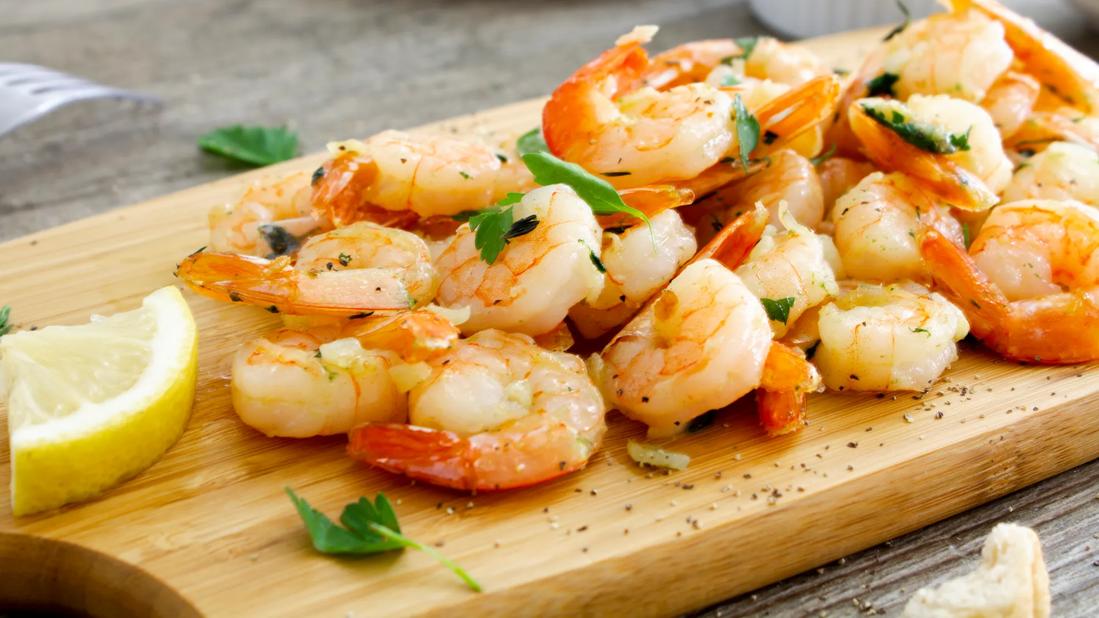
Shrimp has long been considered a decadent dish — but is it good for you? And how often should you have it, especially if it’s high in cholesterol?
Advertisement
Cleveland Clinic is a non-profit academic medical center. Advertising on our site helps support our mission. We do not endorse non-Cleveland Clinic products or services. Policy
Registered dietitian Natalie Crtalic-Lowther, RD, LD, shares the nutritional facts about shrimp and why it might earn a spot on your plate.
Is shrimp healthy?
Shrimp is surprisingly nutritious and healthy when consumed in moderation as part of a well-balanced diet. Crtalic-Lowther recommends aiming for a portion of 3 to 4 ounces at a time.
A 100-gram (3.5-ounce) serving of cooked shrimp has:
99 calories24 grams of protein.056 saturated fat111 milligrams of sodium189 milligrams of cholesterol
It’s also a good source of these nutrients, with:
.51 milligrams of iron.0379 milligrams copper1.64 milligrams zinc237 milligrams of phosphorus259 milligrams of potassium
One of the main reasons people avoid shrimp is that it’s high in cholesterol. But Crtalic-Lowther says that’s not something to be worried about as long as you’re eating shrimp in moderation.
“Although shrimp is high in dietary cholesterol, studies have shown it doesn’t always have the largest effect on blood cholesterol for a majority of the population,” she shares. “Shrimp is low in saturated fat, and saturated fats are the biggest drivers of rising cholesterol.”
Health benefits of shrimp
“Shrimp is a lean protein, which makes it a low-calorie option,” says Crtalic-Lowther. “Fish or shellfish twice a week offers a range of benefits.”
Here’s what shrimp brings to the table.
1. Maintains heart health
Like some fish, shrimp is a great source of omega-3 fatty acids. These unsaturated fatty acids help reinforce eye health and brain function — but they also positively impact heart health. Omega-3 fatty acids can help reduce plaque buildup in your arteries and lower your risk for heart disease.
Plus, shrimp is a good source of phosphorus and potassium. Both help regulate blood pressure and keep arteries clear.
2. Helps with brain function
Shrimp contains astaxanthin, a powerful antioxidant that gives it its reddish-orange color. Stronger than beta-carotene or vitamin C, astaxanthin helps protect brain cells from damage. It’s also being studied for its role in preventing neurological diseases like dementia.
Shrimp is also a good source of vitamin B12, which may help maintain or strengthen your:
Thinking and memoryMood and DNA regulationBone health3. Supports your immune system
The antioxidants and anti-inflammatory compounds in shrimp also help your immune system work its best. That makes them a great addition to any anti-inflammatory diet.
Shrimp also contains:
Selenium, an essential mineral for thyroid healthCopper, which helps prevent anemia and boosts your immune system
“Copper helps your body absorb iron,” explains Crtalic-Lowther. “We need iron to create hemoglobin so red blood cells can carry oxygen.”
Risks of shrimp
But shrimp isn’t without risks. Here’s what you need to know and why you may want to avoid shrimp in certain scenarios.
Can trigger gout
Shrimp is high in purines, which your body converts to uric acid — a common trigger for gout.
“If you have gout, be mindful of how much shrimp you eat and how often,” cautions Crtalic-Lowther. “Talk with your healthcare provider first before eating it.”
Shellfish allergy
Shrimp is one of the most common food allergies. You should avoid shrimp if you know you’re allergic to it or experience symptoms like:
CongestionHivesItchinessSwollen lipsTrouble breathingCooking and choosing shrimp
If you’re interested in putting shrimp on the table because of its many benefits, there are a few things to consider.
When choosing shrimp:
Pay attention to the coloring: It should be light in color (almost translucent) and free of any black spots.If it smells overly fishy or like ammonia, it may be a sign that it’s spoiled.With frozen shrimp, keep an eye out for freezer burn, as that can lower the quality of the meat.
Crtalic-Lowther recommends grilling shrimp or breading it and air-frying to get the most benefit. Deep-frying shrimp can add more saturated fat and calories to the mix, which may not be great for everyone.
Overall, shrimp is a great addition to any meal, just keep an eye on how much and how often you have it.