
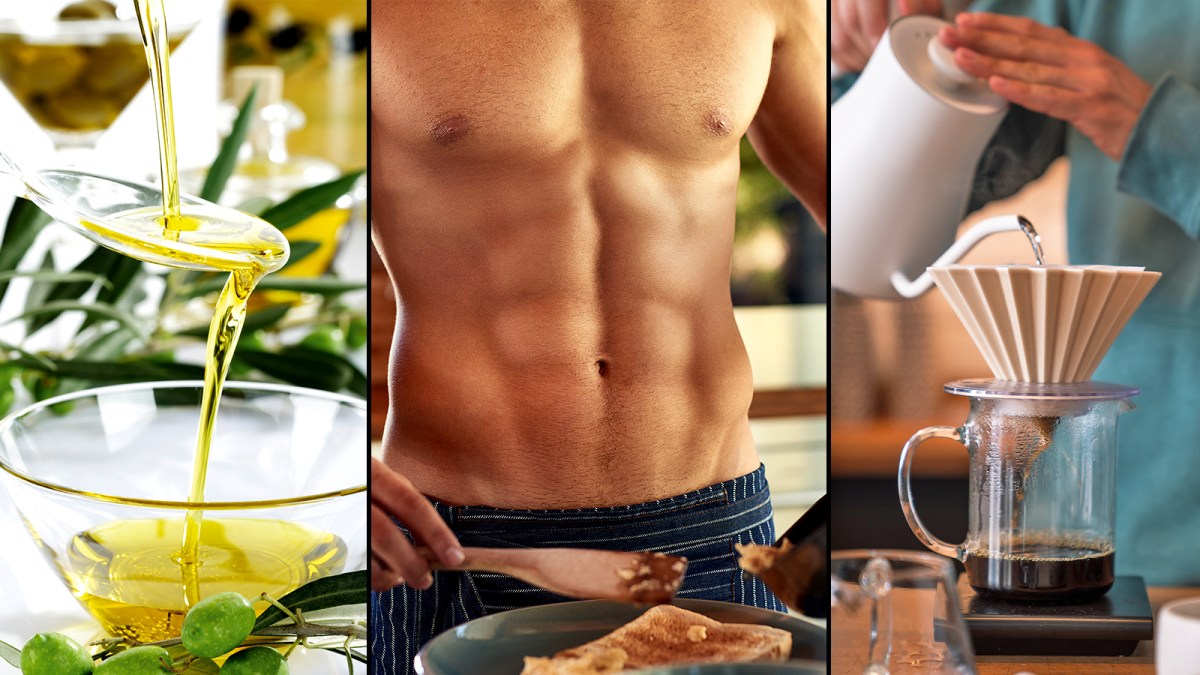
Are you ready to blast away your paunch? If your middle has expanded by a belt size or if a tyre or two have appeared over the top of your jeans, it is time to take swift action. Any male midsection bulge is unsightly but comes with a raised risk of conditions such as heart disease and type 2 diabetes. “A paunch signifies that things are wrong on the inside and outside of the middle area,” says Dalton Wong, the performance coach. “A combination of poor diet and weak abdominal muscles result in distension that is characteristic of a paunch.” For aesthetic and health reasons, it needs to go.
There are two ways that belly fat is stored in the body: as visceral and adipose fat. Visible, blobby fat that settles as spare tyres is adipose tissue, whereas visceral fat is the type that builds up on our internal organs, most of which sit in the belly region, raising the risk of disease. Men typically carry more of this risky intra-abdominal fat than women and, says Dr Shayan Aryannezhad, an epidemiologist and one of a team of researchers at the University of Cambridge who published a recent paper on the subject in Jama Network Open, the latest Health Survey for England and government data reveal that 58 per cent of men “have abdominal measurements above the healthy threshold”.
• Read more expert advice on healthy living, fitness and wellbeing
Whether diet or exercise is better at reducing a paunch has been debated among experts for decades. But the Cambridge team settled that argument with the largest study to date looking at the most effective approach to getting rid of abdominal fat. Its conclusion? Neither is “more important” than the other and you will need a two-pronged attack to get rid of that belly fat. Professor Nita Forouhi, a senior investigator in the MRC Epidemiology Unit at Cambridge and lead author of the recent study, says that their investigation involving 7,256 UK adults showed that while either a healthy, Mediterranean-style diet or the ramping up of daily activity helped participants in the battle of the bulge, it was doing them both at the same time that “brought the largest benefit for healthier fat distribution over the long term”.
But where to start? Here we ask leading experts for the latest proven ways to reduce your paunch.
Do I really have to diet and work out?
Absolutely, says Aryannezhad. Not only is it the fastest way to achieve positive results but people who choose diet over exercise — or vice versa — to whittle away belly fat are prone to making “compensatory changes”, which slows progress. “This means that people who increase activity might also eat more, or improve their diet but become less active,” he says. “It’s something we saw in our study.”
• How alcohol affects your health at every age — from your 20s to 70s
With the double whammy of diet and exercise, a flat stomach is much more attainable — and longer-lasting. In a seven-year follow-up period, the “diet with exercise” group gained about 1.9kg less body fat, including around the belly, and 150g less of visceral fat compared with people who didn’t change any habits. That, he says, proves a diet and exercise combo have a big impact on long-term health as well as on the appearance of your paunch.
Does your paunch feel solid? Here’s what it means
When a beer belly is hard to the touch it is a warning sign that you need to make drastic changes. “Your paunch can feel hard because the visceral fat around your organs is stored deeply and packed so tightly it doesn’t wobble,” says Scott Harrison, a trainer and author of The Six Pack Revolution. “If you also have weak core muscles it can exacerbate this.” He describes too much visceral fat as a ticking time bomb, as it also secretes molecules linked to inflammation and raised blood sugar, making it a risk factor for conditions from heart disease to type 2 diabetes.
However hard and large your paunch, you can make amends. “By changing your diet and lifestyle habits you can start to lose weight all over the body and reduce dangerous visceral fat within weeks,” Harrison says.
Sorry, but cutting out alcohol is a fast way to shrink the waistline
Harrison says that if you want speedy results, then all alcohol is off the menu. If you want to indulge occasionally, then expect the rate of belly-flattening to slow. With seven calories per gram in alcohol, and with the surplus carbs and fats converted to fat, you’re looking at excess belly fat storage over time. Spanish doctors reporting in the European Journal of Nutrition showed a direct association between the amount of alcohol consumed and levels of abdominal obesity in men. Another study in Public Health Nutrition warned that more than two drinks a day puts adults at a greater risk of gaining belly fat.
• Our brains reboot at four key ages. This is how it feels
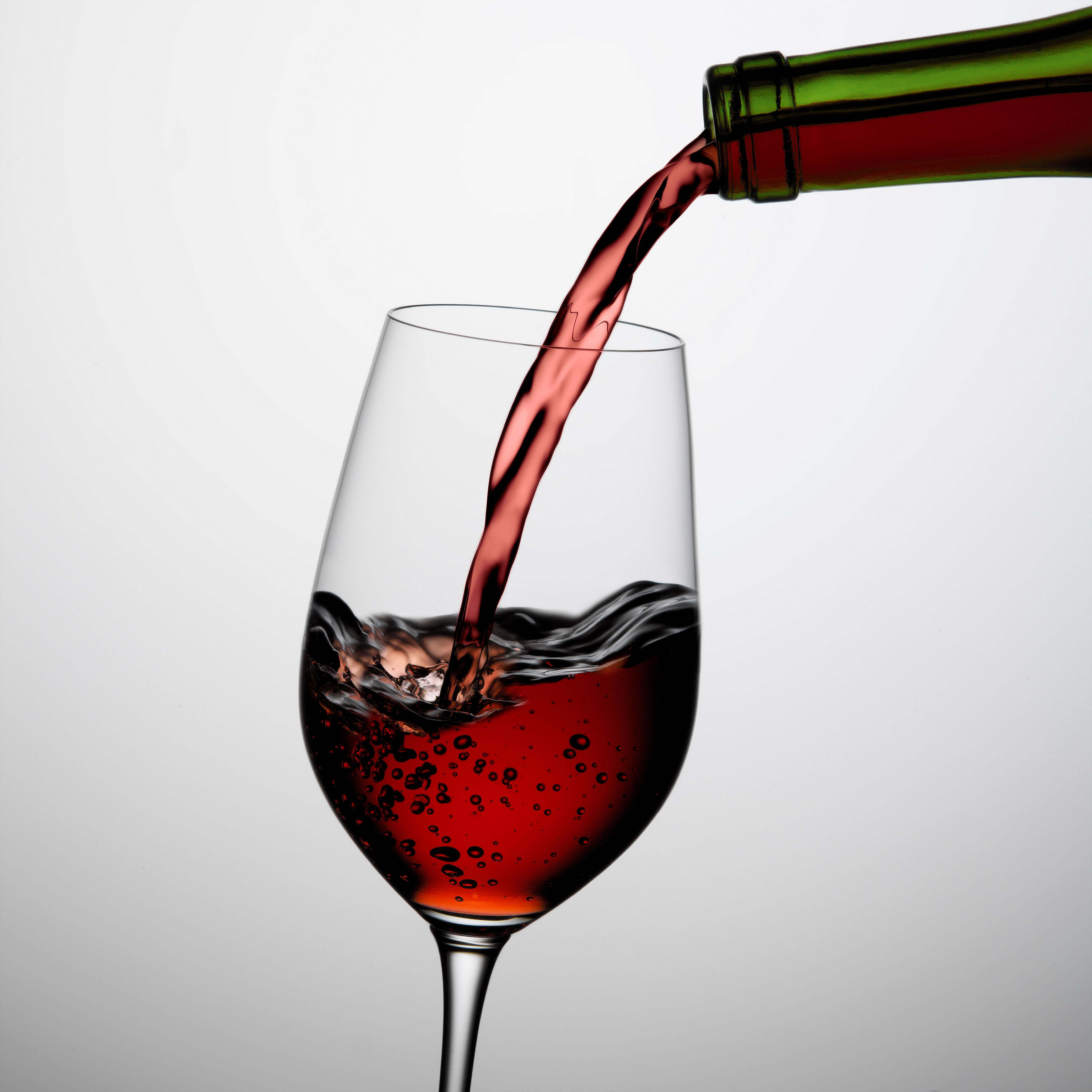
If you have the occasional glass of wine choose red
GETTY IMAGES
If I do have an occasional drink, what’s the best (and worst) to choose?
Beer and sugary cocktails are the worst for a paunch because of their high carb and sugar content. “Spirits with no mixer, like whisky or vodka with soda water, are a better option if you’re mindful of quantity and don’t have more than a couple of drinks,” Harrison says. “Keep in mind that your body prioritises burning alcohol over fat, so any alcohol will temporarily stall fat loss.” Gin and tonic or vodka, lime and soda are lower in calories — there are 55 calories in a 25ml shot of 40 per cent ABV (alcohol by volume) vodka and a similar number in gin. Tequila is another option with about 65 calories per 25ml shot, unless you add sugary mixers.
Pick red wine over white if you have an occasional glass
Red wine has slightly more polyphenols, the antioxidant chemicals with health benefits, than white but it might also hold slight advantages for belly fat, according to researchers from Iowa State University who compared the effects of different drinks on the waistlines of 1,869 middle-age and older Britons. Their findings in Obesity, Science and Practice journal showed that red wine was the only drink shown to lower levels of harmful visceral fat, suggesting it might lower inflammation in the body and discourage fat storage. However, it is not a green light to drink it every day. “Any alcohol will slow your weight loss and paunch-reducing progress,” Harrison says. “It is best avoided.”
Coffee and your belly fat (it’s good news)
Coffee is good for the gut and energy — in moderation
GETTY IMAGES
Coffee has had a makeover to become a health drink and, in moderation, might even help to iron out belly fat. Coffee contains small amounts of fibre which, along with the many plant compounds in the bean, have a beneficial effect on gut health and digestion.
Researchers from the Liverpool School of Tropical Medicine reported in the journal Nutrients how a moderate intake of coffee — up to four cups a day — increased good gut bacteria and reduced levels of bad bacteria. Coffee also seems to help with reducing abdominal fat, partly because the caffeine provides more energy for exercise but also because of the effect of some of the plant compounds it contains.
An earlier study in Nutrients journal compared the effects of drinking either coffee or green tea at breakfast, on 3,559 people. They found that when coffee was consumed with or without bread, it was associated with significantly lower levels of belly fat compared with the green tea. Stick to no more than three to four cups a day though. “Too much caffeine can increase levels of the stress hormone cortisol which, ironically, can make belly fat worse,” Harrison says.
Make olive oil your staple fat
Switch butter or coconut oil for olive oil and your belly fat will thank you for it. All types of olive oil are relatively high in beneficial monounsaturated fatty acids, but it is extra virgin olive oil (EVOO) — the purest, most antioxidant-packed variety — that has the most scientific backing for health benefits, including reduction of belly fat. EVOO is made by pressing ripe olives, processed without high heat or chemicals, preserving many of the polyphenol compounds found in the olive plant that are linked with regulating fat storage in the body. In one recent study, in Frontiers in Nutrition, of 16,000 people who consumed at least two tablespoons of extra virgin olive oil daily, those with the lowest intakes of extra virgin olive oil in their diets had wider waistlines, more total body fat and five times higher odds of having abdominal obesity.
Cut out excess sugar and ultra-processed foods
Sorry, but any unnecessarily sweetened foods — biscuits, cakes, chocolates, syrup-sweetened coffee — the whole lot need to go. One study in the journal Circulation showed that people who drank a fructose-sweetened drink every day accumulated about 27 per cent more belly fat than people who didn’t consume sweetened drinks. “Cutting added sugars is xone of the fastest ways to see a reduction in belly fat,” Harrison says. “Sugar spikes insulin, encourages fat storage, especially around the midsection, and triggers cravings.”
Rely instead on the natural sugar in foods such as fruit and vegetables, to satisfy a sweet tooth. Ultra-processed foods (UPFs) — crisps, ready meals, processed meats and anything with a long list of unrecognisable chemicals on the label — are also off the menu. One large study from Brazil involving 22,659 people, showed that those with the highest intakes of UPFs were at a 30 per cent greater risk of developing abdominal obesity, than those who ate the least.
• Joe Wicks’s five new recipes for the family — all packed with protein
Don’t neglect cardio
Wong says a big mistake made by many men is to totally ditch cardiovascular exercise — running, cycling, rowing, swimming or elliptical training — in favour of resistance training, in the mistaken belief that it will get rid of their paunch faster. In fact, you need to do both and cardio plays an important role in reducing blobby belly fat around the middle.
For a 2024 study published in the journal Nature Metabolism, Jeffrey Horowitz, professor of exercise physiology in the University of Michigan School of Kinesiology, analysed the belly fat and activity habits of a group of overweight people. He found that those who had done regular aerobic exercise for at least two years had biological and structural differences in their subcutaneous belly fat, the visible type stored just beneath the skin, which made it healthier. Tests revealed that the fat tissue of non-exercisers was inflexible, meaning surplus fat would be stored as dangerous visceral fat around the organs. In the aerobic exercisers, subcutaneous fat cells were better able to expand, allowing more excess fat cells to be stored beneath the skin in a less harmful way.
Wong suggests building up aerobic activity, which can include walking. “It doesn’t have to be flat out,” he says. “Just get it in to help reduce overall fat.”
Start with 20-30 minutes a day of walking 
Around half an hour’s brisk walk a burns calories, improves circulation, reduces stress and helps regulate blood sugar
GETTY IMAGES
“Walking is underrated” as a belly-fat blaster, Harrison says. “It burns calories, improves circulation, reduces stress and helps regulate blood sugar, all of which are helpful in the process. Do as much as you can but starting with even 20 to 30 minutes a day at a brisk pace can complement other exercise and help to flatten your belly.”
Aim to make at least some of your walking at a brisk pace of 100 steps per minute. “Ultimately, aim to build up walking or other cardio to about an hour a day,” Wong says.
Do some hill sprints
Switching from walking to some running will help to accelerate all-over fat burning, but adding hill sprints once a week will ramp up the core-strengthening benefits. Each time you push from your back foot with a running stride, you engage your core to stay upright. Uphill, the effect is greater as your core works harder to compensate for the instability of the incline. By focusing on holding your core tight and driving the arms backwards without twisting the upper body, you’ll also be strengthening the core and upper body — as well as the glutes, calves and hamstrings — as you sprint. Start with five to six repetitions of sprinting up short 30-40m inclines, gradually making them longer and a bit steeper, but not so steep that it adversely affects your running form.
What stress does to your middle
People with prolonged stress in their lives tend to have more belly fat, as plenty of studies, including one in Obesity journal, have shown. Harrison says that trying to manage your stress with healthy approaches, such as good sleep patterns, exercise and mindfulness techniques including meditation if it works for you, are important in your overall paunch-reduction plan.
“Stress raises cortisol, which encourages fat storage in the abdominal area,” he says. “Stress also leads to cravings for high-calorie foods and disrupts sleep, making fat loss harder, so it really is important to minimise stress in your life as much as you can.”
You really can’t spot-reduce that belly fat
No amount of belly crunches or abdominal exercises alone will blast your paunch. Studies have shown time and again that core exercises have little effect on belly fat reduction. In 2022 a review of 13 studies involving more than 1,000 people, in the journal Human Movement, showed that no localised muscle training — including that of the core muscles — increased fat loss in the target area.
“The popular belief concerning spot reduction is probably derived from wishful thinking and convenient marketing strategies,” the authors wrote. “Core strength is important as part of an overall fitness regimen, but it is not the sole answer for reducing your paunch,” Wong says.
But do try these exercises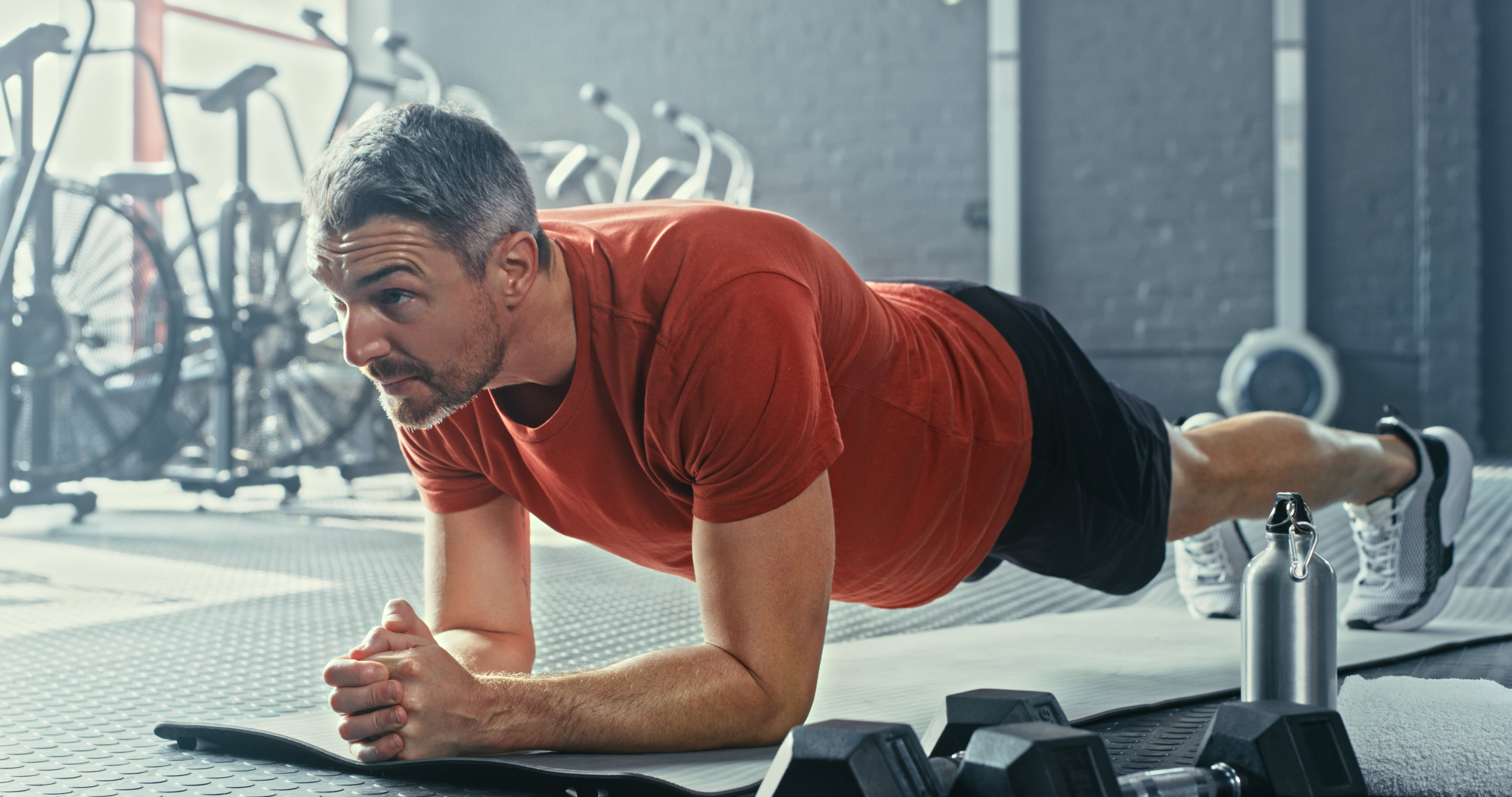
A 30 second plank twice a day will make a noticeable difference to core strength
GETTY IMAGES
Wong says that, in addition to cardio activity, you will need to include compound moves that engage large muscle groups for ultimate fat burning but also work the lower abdominal muscles for strength in the area. He suggests including these three staples at least three to four times a week. Start with 12-15 repetitions of each and gradually increase.
Squats: A variety, from sumo-style to goblet squats, will engage the glutes, quadriceps and hamstrings, some of the body’s largest muscles. “We know from studies that squats work the core muscles more effectively than many other exercises, so will help to strengthen your middle too,” Wong says.
Planks: Holding for 30 seconds twice a day (or longer if you can) will make a noticeable difference to core strength within a few weeks. “They are great for muscle endurance and help with good posture,” he says.
Leg lowering: “These really target the lower abs,” Wong says. Do them lying on your back (with back pushed into the floor) and slowly lower straight legs towards the floor from a vertical position. “Don’t go to the point where you back starts to arch or where you feel any pain,” he says. Try variations such as single-leg lowers or alternate leg lowers.